13 Health Trends That Are Basically Expensive Glitter—Look Great, But Do Nothing

If glowing skin had a secret, it wouldn’t be $80 and influencer-approved.

©Image license via Canva

Health trends have officially entered their glitter era—shiny, expensive, and full of empty promises. From chlorophyll drops to gemstone-infused water bottles, wellness culture now runs on aesthetics more than science. These trends look great on a shelf and even better in a Reels highlight, but once the sparkle fades, you’re often left wondering what exactly you paid for. Spoiler: it’s usually packaging, not results.

That’s the thing about modern “health”—it’s been rebranded as a lifestyle accessory. The more minimal the label and the more dramatic the claim, the more likely it’s a glorified placebo wrapped in a pastel gradient. Some of these fads are harmless fun. Others are just quietly draining your wallet while doing next to nothing for your body. So before restocking your cart, take a beat. These are the health trends that sparkle hard—but flop even harder.

Read more

Chewing Gum Releases 3,000 Microplastics—These 14 Facts Reveal How

That minty freshness comes with a side of synthetic pollution.

©Image license via Canva

Chewing gum seems harmless, right? Just a sweet little habit to freshen your breath or pass the time. But here’s the part no one’s talking about: most gum isn’t actually made from food—it’s made from plastic. Yep, that thing you’ve been chewing on since childhood is shockingly close to the same stuff used in tires, glue, and even plastic bags. And every chew? It releases microplastics straight into your mouth.

The ingredients list won’t spell it out. Most brands hide behind vague terms like “gum base,” a catch-all phrase that skips the detail and keeps you in the dark. Meanwhile, the world’s cutting back on straws, bags, and bottles—but gum keeps slipping under the radar. It sticks to sidewalks, coats your teeth, and sheds plastic particles with every bite. Once you find out what’s really inside your favorite stick of gum, it’s hard to chew without thinking twice.

Read more

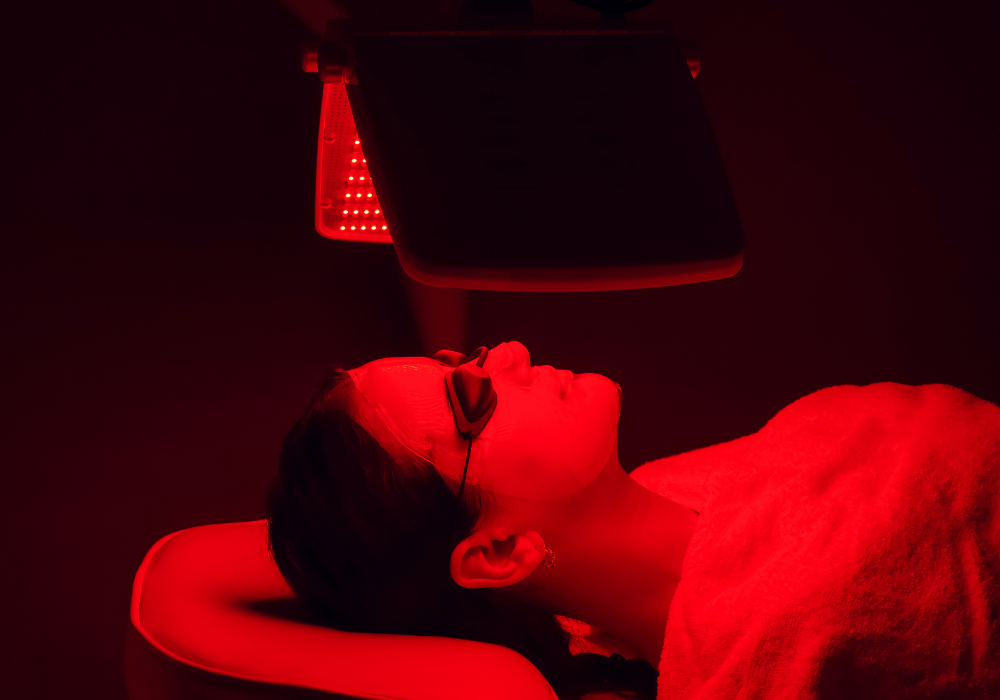
10 Reasons Red Light Therapy Might Not Be the Miracle You’re Hoping For

What influencers promise and what studies show are two very different things.

©Image license via Canva

Red light therapy has officially hit wellness cult status. It’s in facials, gyms, med spas, and even popping up in living rooms thanks to portable panels and glowing masks. Promises range from anti-aging miracles to pain relief, muscle recovery, better sleep, and even brain boosts. And sure, standing in front of a warm red glow feels relaxing—but is it actually doing anything?

Some studies show potential benefits, especially for skin and healing. But a lot of the hype is built on half-truths, cherry-picked data, and flat-out guesses. It’s the kind of trend that sounds science-y enough to believe but vague enough to avoid accountability. And because the wellness world is great at selling dreams, it’s easy to get swept up in the glow without asking too many questions. Here’s what you need to know before you buy into the light.

Read more

11 Things Older Adults Wish They Could Tell Their Younger Selves About Love

The lessons take a lifetime to learn, but you don’t have to wait.

©Image license via Canva

Love feels like everything when you’re young—messy, overwhelming, thrilling, and terrifying all at once. It feels urgent, as if every connection could be the defining one, or every heartbreak the end of the world. But time softens those sharp edges. With distance, older adults see love through a clearer, steadier lens, shaped by years of experience, mistakes, and growth. Their insights aren’t just reflections—they’re gentle warnings, quiet encouragements, and reminders of what truly matters.

Instead of learning these lessons the hard way, there’s power in hearing them early. These aren’t clichés from a greeting card or tired sayings passed around at weddings. They’re lived truths, earned over decades of loving deeply and losing bravely. If you’re navigating the chaos of love right now, these 11 hard-won lessons offer the kind of perspective that can ease the sting and make the journey a little less uncertain.

Read more

Holding On Until It Hurts? 13 Signs It’s Time to Let Go of the Friendship

When holding on costs you more than walking away, it’s time to listen.

©Image license via Canva

Friendship is supposed to feel like home. But sometimes, the people we trust most stop feeling like safe places. Letting go of a friendship feels like breaking an invisible promise—one you never imagined you’d question. So you hang on longer than you should, telling yourself it’s just a rough patch, just a misunderstanding, just a phase.

Deep down, there’s a quiet knowing that things have shifted. Maybe you’ve grown in different directions, or maybe the connection now feels more draining than energizing. The signs start small, but they add up fast. And when they do, it’s not selfish to let go—it’s survival. These 13 signs will help you see the truth that’s been tugging at you all along, and remind you: walking away from what weighs you down is one of the most freeing choices you can make.

Read more

Your Food Is Turning Toxic—These 15 Alarming Facts Reveal Why

Rising temperatures are doing more than melting ice—they’re contaminating your plate.

©Image license via Canva

You might think climate change is all about rising sea levels and weather disasters, but it’s also messing with something a lot closer to home—your food. The stuff on your plate isn’t just changing in taste, price, or availability. It’s changing in safety. As the planet heats up, crops absorb more pollutants, bacteria spread faster, and even the nutritional value of fruits and vegetables is taking a hit.

This isn’t some distant, abstract problem. It’s already happening in grocery stores, on farms, and in your kitchen. From toxins in seafood to heavy metals in rice, the food chain is picking up the fallout from a warming world—and quietly passing it on to you. No one wants to think their salad or sandwich might be hiding a climate consequence, but it’s time to look at what’s really being served. Here’s what no one’s warning you about.

Read more

What You’re Losing—13 Forests That Could Be Gone Within Your Lifetime

The trees aren’t just dying—they’re warning us, and we’re still not listening.

©Image license via Canva

We’re used to thinking of forests as permanent. They’ve outlived empires, weathered storms, and stood quiet through every human mistake. But now, they’re in trouble—and not in some vague, far-off way. Across the U.S., entire forests are dying faster than they can recover. Wildfires rage hotter. Droughts last longer. Invasive pests thrive in places they never could before. And while it might look like trees are standing tall, many of them are already hollowing out, drying up, or failing to regrow.

This isn’t a future problem. It’s happening now, in places you’ve camped, hiked, or driven past on family road trips. And if the climate crisis continues at its current pace, some of the country’s most iconic forests could be unrecognizable—or gone—within your lifetime. These aren’t just landscapes. They’re living systems, and they’re collapsing while we look away.

Read more

These 10 Climate Disasters Escalated From Rare Headlines to Everyday Reality

Some crises become so constant, we forget they’re not supposed to be.

©Image license via Canva

What once felt like isolated emergencies now unfolds in the background of daily life. Flooded streets, blazing skies, and storm-wrecked towns barely make the news cycle before the next disaster hits. For a while, it was easy to treat these moments as exceptions—temporary spikes in an otherwise stable world. But that illusion has slipped away.

These disasters aren’t pauses between normal life anymore. They’ve become woven into it, reshaping seasons, communities, and futures at a speed that’s hard to process. It’s not just about rising numbers in a report—it’s about people rebuilding their lives over and over, often with fewer resources than before. These 10 disasters tell the story of how rare events became regular threats, creeping so close to normal that many stopped noticing the alarm bells altogether.

Read more

13 Promises Boomers Got That Vanished Before Millennials Came of Age

What once felt solid turned out to be smoke and mirrors.

©Image license via Canva

Millennials were raised on stories of stability. Work hard, follow the rules, and the rewards would follow: secure jobs, affordable homes, a comfortable retirement. These weren’t far-fetched dreams—they were presented as givens, as natural milestones on the path to adulthood. But by the time millennials were old enough to chase those promises, the ground beneath them had already shifted.

What looked like a clear map forward turned into a dead end. Jobs lost their security, homes soared out of reach, and the safety nets that once caught a struggling generation were quietly dismantled. None of this happened overnight. Piece by piece, what once felt solid dissolved, leaving an entire generation navigating instability they never signed up for. These 13 broken promises tell the story of how an economy, a culture, and a future slowly slipped through their fingers.

Read more

Your Devices Are Watching You—Here Are 11 Ways Your Data Gets Used

Big tech is watching, storing, and selling—without asking first.

©Image license via Canva

You probably already know your devices are tracking you—but what you might not realize is just how much they’re collecting and where that data ends up. It’s not just search history or social media likes. It’s your location, your voice, your heartbeat, your schedule, your shopping habits—even how fast you type. That sleek phone in your pocket? It’s a full-blown surveillance system disguised as convenience.

And the craziest part? You probably gave it permission without realizing. Buried in privacy policies and app settings are vague, sneaky checkboxes that open the door to constant monitoring. Big tech isn’t just watching—they’re analyzing, predicting, and selling what they learn about you. You don’t have to be famous or shady to be tracked. You just have to exist in the digital world. These are the most surprising and unsettling ways your data is being used right now.

Read more