The Planet’s Hidden Climate Victims—12 Creatures You Didn’t Know Were at Risk

You’ve never heard of them, but they’re paying the ultimate price.
©Image license via Canva

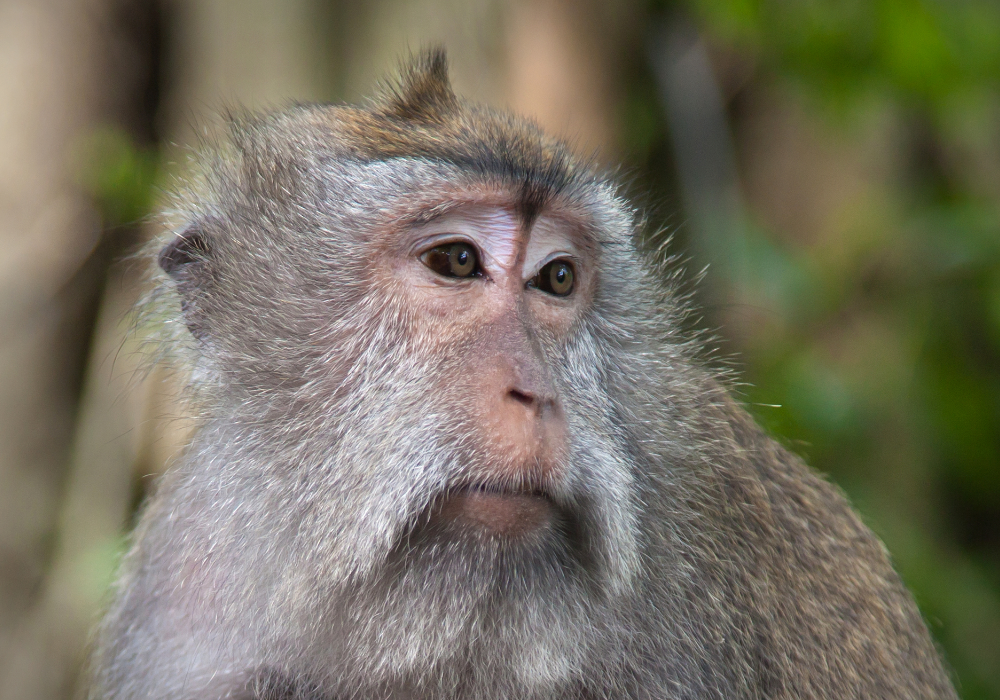
When people talk about climate change, the usual suspects come up—polar bears, sea turtles, coral reefs. But the reality is way bigger, and way more heartbreaking. There are countless animals quietly slipping toward extinction, and most of us have never even heard their names. No headlines. No documentaries. Just disappearing. These are the creatures living on the edges of ecosystems, relying on very specific climates, and getting hit hardest by rising temperatures, vanishing habitats, and chaotic weather patterns.

And here’s the thing: every time one of these species goes, it sends a ripple through the entire system. These aren’t just cute or quirky animals—they’re pollinators, seed spreaders, and key players in the web of life. They matter, even if they’ve never trended online. If you think you’ve seen the worst of climate collapse, think again. Some of the most urgent losses are happening out of sight.


Read more

The 11 Hidden Ways Relationships Push You Out of Your Comfort Zone

What feels like relationship trouble might just be personal growth in disguise.

©Image license via Canva

Relationships aren’t just about companionship, romance, or sharing good times—they’re also one of the strongest catalysts for personal transformation. Sure, having someone to binge-watch your favorite shows with is great, but the real magic (and sometimes the biggest challenge) comes from how your connections with others expose your vulnerabilities, insecurities, and hidden potential. The truth is, the discomfort you sometimes feel in relationships isn’t a sign you’re doing something wrong—it’s actually proof you’re growing.

Every relationship, whether romantic, platonic, or familial, holds up a mirror, reflecting aspects of yourself you might never have noticed otherwise. Those moments when you feel irritated, misunderstood, or defensive? They’re not random annoyances; they’re signposts pointing directly to parts of you that could use attention and care. Embracing those uncomfortable feelings is often the first step toward real self-awareness, deeper connections, and a more fulfilling life.

Read more

From Moon Cycles to Sleep Cycles—12 Natural Rhythms That Still Rule Our Lives

Even in a hyper-connected world, nature’s timing still keeps us in check.

©Image license via Canva

No matter how many alarms you set or deadlines you chase, nature has its own way of running the show. Beneath the buzz of calendars and notifications, there’s an older rhythm quietly shaping your days. Seasons shift, tides pull, and your body follows cues you probably don’t even notice anymore. It’s easy to think modern life has outpaced these patterns, but the truth is, we’re still deeply wired to respond to them.

These natural cycles don’t care about your packed schedule. They move at their own pace, steering everything from your energy levels to your emotions. Even in a world full of bright lights and round-the-clock news, your body and mind are dancing to ancient beats. Once you start paying attention, it’s hard not to see them everywhere. Let’s get into the rhythms that never stopped shaping your life.

Read more

Your Closet Is Costing the Planet—Here Are 12 Smarter Fashion Swaps

Style doesn’t have to come at the environment’s expense.

©Image license via Canva

Getting dressed shouldn’t feel like a climate decision, but here we are. Behind every fast-fashion haul and bargain bin trend is a system built on waste, exploitation, and massive emissions. Clothes pile up in landfills, synthetic fibers pollute waterways, and brands churn out styles faster than anyone can keep up—all while telling you to buy more, wear less, and keep the cycle spinning.

But good style and good choices aren’t mutually exclusive. You don’t have to give up on looking sharp to sidestep the worst parts of the industry. The truth is, small changes in how you shop, wear, and care for your clothes can ripple outward fast. Fashion has always been a form of personal expression—now it’s also a way to express your values. Your next outfit can do a lot more than just look good.

Read more

Your Anxiety Toolkit—13 Small Practices to Steady Your Day

You don’t have to overhaul your life to feel a little steadier.

©Image license via Canva

Anxiety has a way of making even simple moments feel overwhelming. Suddenly, your thoughts are racing, your chest feels tight, and your day spirals into a blur of stress. When that happens, big solutions can feel out of reach. You don’t need a total life reset in those moments—you just need small, steadying steps that help you find your footing again.

These practices aren’t about perfection or instant calm. They’re gentle ways to interrupt the storm and create a little breathing room. Tiny shifts in your day can ease the tension before it takes over, helping you move through anxious moments with more clarity and less panic. Some tools ground you in the present, while others give your nervous system a much-needed break. Think of this as your personal kit for weathering the waves, one manageable practice at a time.

Read more

The Hidden Exploitation Behind Everyday Snacks—Here Are 13 Shocking Truths

That bag of chips might be fueling child labor and deforestation.

©Image license via Canva

Snacks feel harmless. They’re quick, comforting, and everywhere—from vending machines to your kitchen cabinet. But peel back the shiny packaging, and you’ll find something a lot less appetizing. Behind that candy bar or salty crunch is an industry built on exploitation—of people, land, and entire communities. The food system is designed to be convenient for consumers, but that convenience often comes at the expense of someone else’s safety, health, or dignity.

We don’t think about where our snacks come from because we’re not supposed to. The marketing is fun. The flavors are nostalgic. The sourcing is a mystery on purpose. But the truth is, many of our favorite treats are tied to labor abuses, environmental destruction, and shady supply chains that thrive in the dark. You shouldn’t have to choose between convenience and ethics—and the first step is knowing what’s really going on behind the scenes.

Read more

You’re Probably Ingesting PFAS Daily—Here Are 14 Disturbing Ways It’s Happening

These “forever chemicals” are sneaking into your body every single day.

©Image license via Canva

You’ve probably heard the term PFAS tossed around—maybe in a news article, a documentary, or on a label that says “now PFAS-free.” But what are they, really? These synthetic chemicals were designed to resist water, grease, and heat, which is great for stain-proof carpets and nonstick pans—but not so great for your health. The problem? They don’t break down. Not in the environment, and not in your body.

Once they’re in your system, they tend to stay. And they’ve been linked to a long list of health issues, from hormone disruption to cancer to immune dysfunction. The scary part is how quietly they’re showing up. They’re not always in obvious places, and most people have no idea how often they come in contact with them. If you’re trying to reduce your exposure, it helps to know exactly where they’re hiding in your everyday routine.

Read more

The Slow Death of Joy—12 Ways the Modern World Starves Us of Pleasure

You’re not broken—the world just forgot how to let you feel good.

©Image license via Canva

If you’ve ever caught yourself wondering why nothing feels as good as it used to, you’re not alone. Somewhere along the way, pleasure got replaced with productivity, rest turned into guilt, and joy became something you have to earn. It’s not that you’ve changed—it’s that the world around you has. We live in a culture that glorifies burnout, monetizes our attention, and shames us for slowing down.

Simple joys—like taking a walk, daydreaming, or doing absolutely nothing—are now framed as lazy or indulgent. We’re constantly connected, always performing, and rarely present. And when we do carve out time for ourselves, it’s often rushed, distracted, or weighed down by expectations. This isn’t a personal failure. It’s a systemic one. The modern world is slowly choking the life out of pleasure—and most of us haven’t even noticed it happening.

Read more

Think Climate Scientists Are Paid to Lie? 10 Reasons You Should Know Better

These facts cut through the noise and expose what’s real.

©Image license via Canva

It’s easy to get swept up in conspiracy theories when everything feels like it’s falling apart. You hear people say climate scientists are exaggerating the crisis for money or attention, and in the chaos of headlines and hot takes, that claim starts to sound almost believable. But peel back the noise, and the truth is a lot simpler: these scientists aren’t getting rich off fake data. If anything, many of them are risking their careers to warn the world before it’s too late.

Climate research doesn’t lead to yachts and private jets. It leads to peer-reviewed journals, underfunded grants, and a mountain of personal stress. Scientists aren’t paid to push an agenda—they’re paid (barely) to uncover facts that are often uncomfortable for the powers that be. And they keep doing it because the stakes couldn’t be higher. Here’s why the accusation falls apart once you really look at it.

Read more

Inside the Environmental Cost of AI: 10 Alarming Facts About Musk’s xAI Expansion

As xAI grows, so does the hidden environmental damage left in its wake.

 ©Image license via Frédéric Legrand | Dreamstime

AI might be changing everything—from how we work to how we think—but it’s also quietly wrecking the environment in the process. While tech giants rush to build bigger, smarter models, they’re chewing through electricity, water, and natural resources at a rate most people would never imagine. Elon Musk’s xAI is one of the latest power players, and it’s scaling up fast—with very few limits.

Every sleek algorithm comes with a behind-the-scenes cost: data centers burning massive amounts of energy, cooling systems pumping out heat, and emissions rising with every new update. These systems aren’t as “invisible” as they seem. Their impact is very real, and it’s already happening. From power grids to water tables, the pressure is mounting—and most people aren’t even aware it’s happening. The damage isn’t just theoretical—it’s showing up in the real world, whether we’re ready for it or not.

Read more