The Myth of the Good Old Days—13 Lies Buried Under the Nostalgia

Things weren’t as simple, safe, or fair as people like to remember.

©Image license via Canva

People love to romanticize the past. Politicians build entire campaigns around it. Families pass down stories of better times, tighter communities, and simpler living. But scratch the surface, and that golden glow starts to crack. Most of what gets called “the good old days” was only good for a select few—and often came at someone else’s expense.

Nostalgia has a way of editing out the bad parts. It smooths over injustice, filters out struggle, and turns deeply flawed decades into moral high ground. Things might’ve looked more polite on the surface, but politeness isn’t the same as peace. For every memory of safety or neighborly charm, there’s a parallel truth of who was excluded, silenced, or harmed. The past wasn’t better. It was just better at hiding what was broken. To move forward, we need to stop rewriting history and start facing it.


Read more

11 Ways Far-Right Agendas Are Fueled by Fossil Fuel Money

Behind every anti-science rant is a fossil fuel lobbyist with a plan.

©Image license via Canva

If you’ve ever wondered why climate denial just won’t die—despite record heat, rising seas, and nonstop disaster footage—it’s not because people are confused. It’s because fossil fuel giants have spent decades funding the far-right political machine to keep their profits safe. This isn’t about opinion or ideology—it’s about money. A lot of it. And the people shouting the loudest about “hoaxes,” “green tyranny,” and “woke energy” are often cashing checks from the same polluting power players behind the scenes.

It’s all connected: the science denial, the anti-regulation noise, the attacks on renewable energy. These aren’t organic movements—they’re manufactured outrage campaigns, pumped full of PR money and fossil fuel influence. And once you start pulling at the threads, it’s painfully clear. The far right didn’t just stumble into climate obstructionism—it was built, shaped, and bankrolled by the industries that stand to lose the most.

Read more

14 Sustainable Swaps for Grocery Shopping You’ll Actually Stick With

Better choices at the store don’t have to mean extra hassle.

©Image license via Canva

Sustainable grocery shopping has a reputation for being complicated, expensive, and honestly, a little exhausting. There’s pressure to overhaul your entire routine, memorize endless packaging symbols, and spend twice as much for “eco-friendly” labels that aren’t always clear. No wonder it feels easier to give up before you even start. But the truth is, small changes make a real difference—and they’re a lot easier to stick with than you think.

This isn’t about perfection. It’s about everyday choices that lower your footprint without making grocery runs a headache. Simple swaps, from packaging to produce picks, can quickly become second nature. Over time, they add up to meaningful impact without draining your energy or your budget. These are the swaps you’ll actually want to keep around, because they fit real life—not just a wish list of good intentions.

Read more

Clout, Cancelation, and Constant Judgment—12 Signs Social Media Is Eating Itself

Social media broke the internet, and it’s coming for your sanity next.

©Image license via Canva

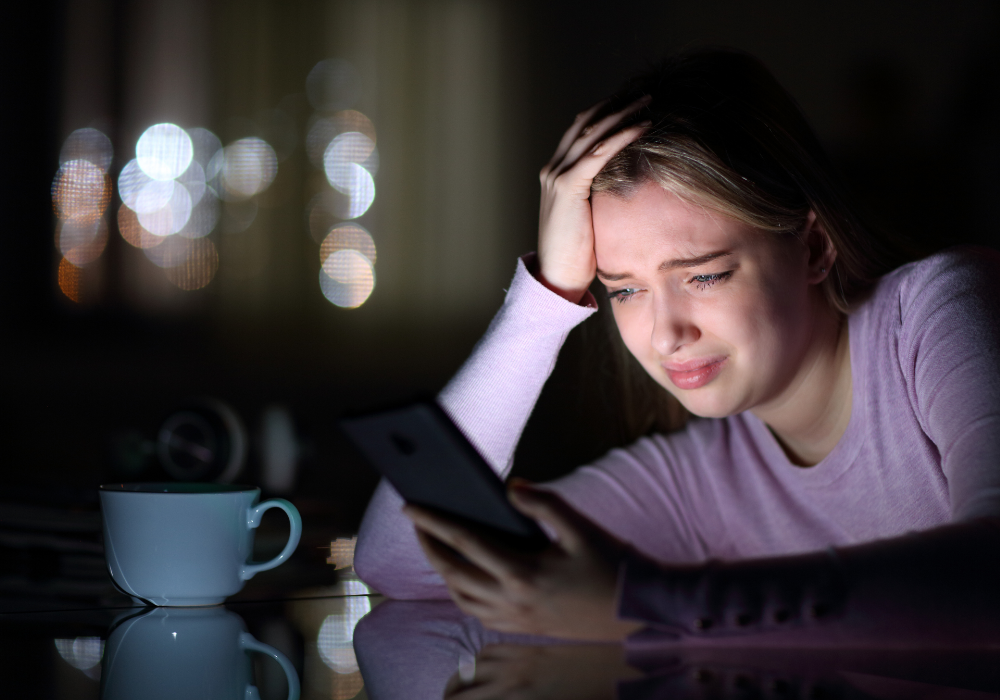
At first, it felt like freedom. You could speak your mind, find your people, maybe even go viral for something hilarious or smart. But somewhere along the way, the vibe shifted. Now it’s algorithms over authenticity, outrage over nuance, and clout-chasing over connection. What used to be fun feels more like a job—or worse, a performance with constant judgment as the price of admission. You’re either posting or you’re invisible.

You’re either perfect or you’re problematic. And if you slip up, it’s not just embarrassment—it’s a takedown. The line between public and private has blurred, and no one’s really winning anymore. Whether you’re feeling drained, overwhelmed, or just over it, you’re not imagining things. The internet is having a meltdown in real time, and we’re all watching from the front row—whether we like it or not.

Read more

Climate Change Is Coming for Your Beauty Routine—Here Are 11 Changes You’ll Notice

From frizzy hair to disappearing ingredients, your daily essentials are about to change.

©Image license via Canva

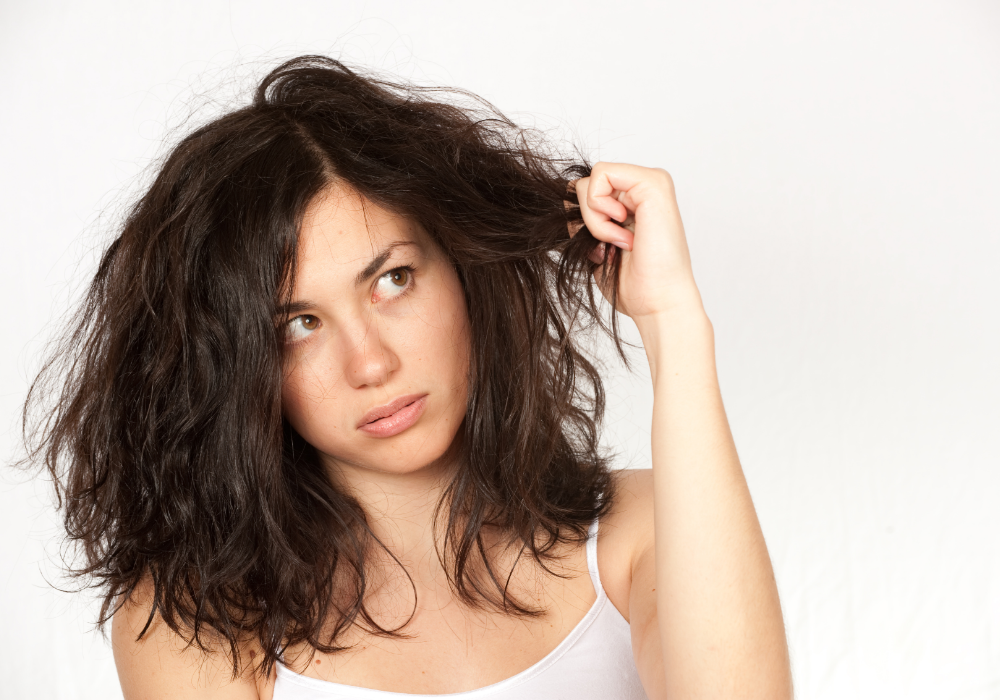
Most people think about climate change in terms of melting ice caps, wildfires, or rising sea levels. But let’s be honest: it’s creeping a lot closer to home than you might expect. Even your morning skincare routine or favorite hair mask isn’t safe. As temperatures climb, water grows scarce, and ingredients become harder to source, the products you rely on every day are getting hit from all sides.

This isn’t about future hypotheticals—it’s already happening. Crops that supply beauty staples are under stress, and extreme weather is throwing production timelines into chaos. At the same time, your skin and hair are reacting to the environmental shifts, begging for new kinds of care. You might not have connected the dots yet, but the changes are already showing up on your shelf and in the mirror. Here’s exactly what to watch for.

Read more

What They Didn’t Teach You in School—13 Lessons You Needed to Hear

Life hands you these lessons whether you’re ready or not.

©Image license via Canva

School prepares you for a lot of things—but not always the parts of life that hit hardest. No textbook warns you about the messy decisions, silent struggles, or quiet victories that shape your days. You graduate knowing how to solve for x, but not necessarily how to solve for burnout, heartbreak, or self-doubt. The most important lessons tend to show up long after the diploma, whether you’re ready or not.

These are the hard-earned truths that don’t come with a syllabus. They sneak up on you during late-night worries, tough conversations, or moments when everything feels uncertain. And while no teacher could fully prepare you, hearing them now might just save you some of the harder falls. They’re reminders that you’re not alone in figuring life out as you go. Everyone’s winging it more than they let on, and that’s part of the lesson too.

Read more

You’re Not Alone—11 Experiences Shared Across ‘Scary’ Diagnoses

What you’re feeling is valid—and you’re not the only one feeling it.

©Image license via Canva

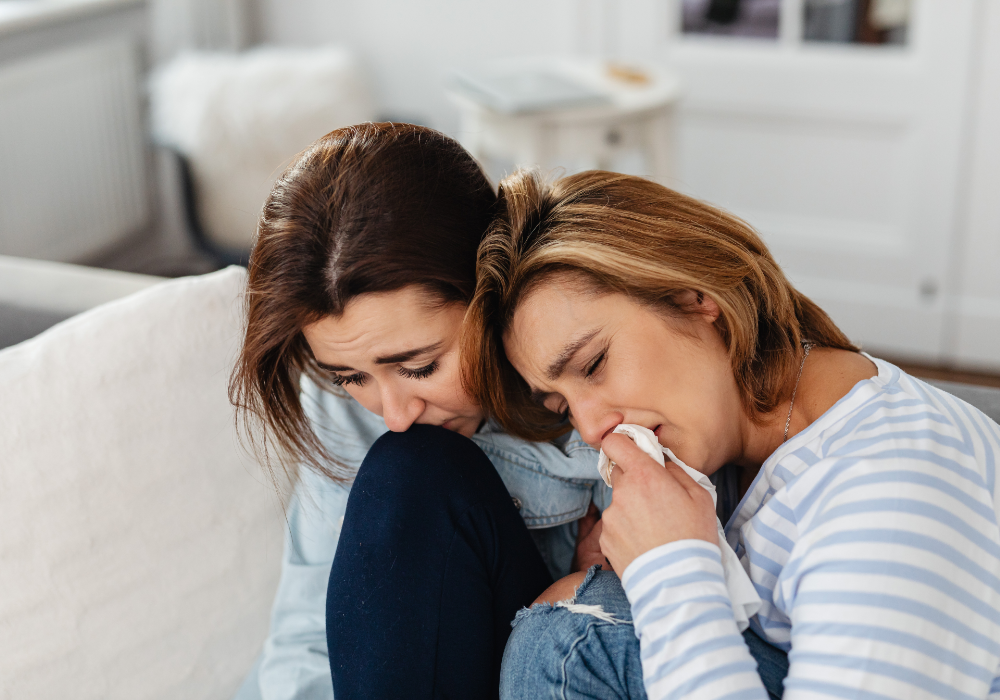
Few things rattle you like a tough diagnosis. Whether it’s physical or mental health, the word itself feels heavy, like it’s rewriting your whole future in one breath. Suddenly, your mind races with questions, fears, and worst-case scenarios. It’s easy to feel like you’re the only one spinning in that storm, but the truth is far less isolating: you’re not alone in these feelings. Not even close.

Across countless diagnoses, people share deeply similar experiences—things nobody tells you to expect but almost everyone feels. From the shock of hearing the news to the quiet guilt that sneaks in later, these moments are more universal than they seem. Knowing this doesn’t erase the fear, but it softens the edges. It creates space for hope, connection, and self-compassion. These shared experiences aren’t just common; they’re a reminder that even in uncertainty, you’re part of something bigger than your diagnosis.

Read more

Why You’re Getting Sick More Often—Experts Say Climate Change Is Driving These 10 Risks

When the planet heats up, your immune system pays the price.

©Image license via Canva

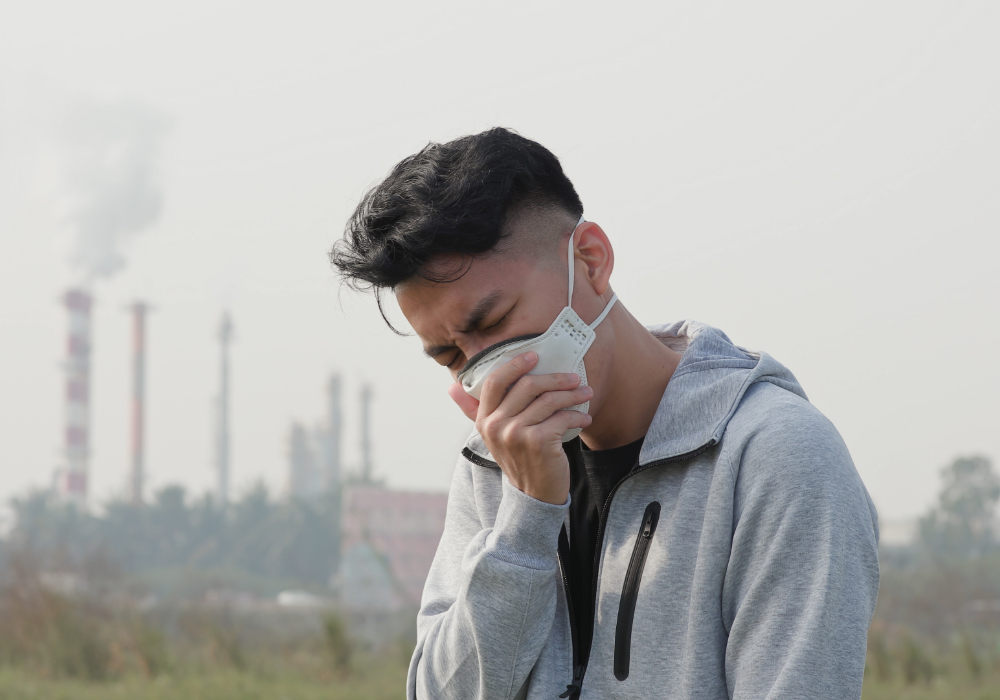
It’s not just wildfire smoke, heatwaves, or floods—climate change is coming for your body in ways you can feel. More people are getting sick more often, and experts say the rise in infections, allergies, and chronic health problems isn’t a coincidence. The planet’s warming, and your immune system is stuck picking up the pieces.

As ecosystems shift, pathogens spread to new places, air and water quality decline, and extreme weather leaves people more vulnerable to illness. Even if you’re far from the frontlines of climate disasters, your health isn’t immune. Longer allergy seasons, nastier viruses, and even foodborne illnesses are creeping into everyday life. Scientists have been warning about these risks for years, and now they’re showing up in doctors’ offices across the country. These aren’t future hypotheticals—they’re happening right now, changing how we live, breathe, and try to stay well.

Read more

11 Unpaid Jobs Millennials and Gen Z Are Expected to Do Daily

The grind doesn’t stop, even when there’s no paycheck.

©Image license via Canva

For Millennials and Gen Z, “doing nothing” is practically a luxury. Every day is stacked with tasks no one sees, no one values, and definitely no one pays for. You’re constantly maintaining things—your mind, your body, your group chats, your digital footprint—like it’s your side hustle. But here’s the thing: it’s not optional. If you stop doing any of it, stuff starts falling apart fast. And somehow, the pressure to keep all these plates spinning has become totally normalized.

These generations are balancing emotional labor, digital labor, and plain old life admin—all before even clocking into their actual jobs. And while society loves to label them as “lazy,” the reality looks more like unpaid multitasking on expert mode. It’s no wonder everyone feels burned out. These roles don’t come with job titles, but they demand your time, your attention, and your energy every single day.

Read more

Is Global Warming Just a Natural Cycle? 12 Reasons This Time’s Our Fault

The planet’s warmed before, but never this fast and never like this.

©Image license via Canva

Every time the conversation about climate change heats up, someone inevitably shrugs it off: “Hasn’t the climate always changed?” And sure, they’re half-right. Earth’s climate has gone through ice ages and warming periods long before humans showed up. But what’s happening now is different—so different that scientists across the globe are sounding every alarm they’ve got.

This time, the fingerprints of human activity are everywhere. The speed, the scale, and the specific causes of today’s warming don’t line up with natural cycles alone. We’ve overloaded the atmosphere with greenhouse gases, stripped away forests that absorb carbon, and pushed the planet beyond what it can balance on its own. Climate shifts used to take thousands of years—now they’re happening within a single lifetime. Here’s exactly why the natural cycle excuse doesn’t hold up, and why the evidence points straight at us.

Read more