You Don’t Have to “Fix” Your Aging Body—These 10 Natural Practices Make It Feel More Like Home

Aging doesn’t mean losing yourself, but it does mean listening differently.

©Image license via iStock

There’s a quiet pressure that creeps in with every birthday—fix your posture, erase the wrinkles, stretch more, eat less, speed up, slow down. The messaging is relentless: aging is a problem to solve. But your body isn’t broken—it’s changing. And it’s asking you to change with it. That doesn’t mean giving up or giving in. It means shifting from control to connection, from discipline to dialogue.

When you treat your body like something to correct, you miss the wisdom it’s offering. Pain, fatigue, stiffness—these aren’t failures. They’re requests. And when you start listening, something shifts. You stop chasing your younger self and start living more fully in the one you’ve got. These practices won’t reverse the clock, and they’re not meant to. They’ll help you soften into your body instead of bracing against it. Because feeling at home in yourself isn’t about age—it’s about attention.


Read more

Exhausted Brains Make the Best Customers—These 12 Tactics Say It All

The more overwhelmed you are, the easier you are to manipulate.

©Image license via iStock

By the end of the day, your brain isn’t making empowered decisions—it’s just trying to survive. And marketers know it. Fatigue doesn’t slow down consumption. It speeds it up. The more distracted, stressed, and depleted you are, the more likely you are to click the ad, buy the upgrade, or say yes to something you don’t need. It’s not about trickery—it’s about timing. They’re not targeting your best self. They’re waiting for the version of you that’s too worn out to think straight.

This system wasn’t designed to support a well-rested, self-aware public. It was built to capitalize on burnout. You don’t need to be gullible to get played. You just need to be tired enough not to notice what’s happening. These tactics aren’t accidents—they’re blueprints. And they reveal exactly how much easier it is to sell you something when your brain is running on fumes.

Read more

You Don’t See It, But You Breathe It In—11 Surprising Ways Pollution Enters Your Body

The damage starts before you even notice anything’s wrong.

©Image license via iStock

You can scrub your counters, eat organic, and avoid the big city smog, but pollution still finds its way in. It’s not just something floating around outside. It’s in the fabrics you wear, the food you eat, even the products you slather on your skin thinking they’re helping. These invisible intruders move in quietly, skipping past your defenses without much effort. Most people don’t notice until the symptoms pile up—fatigue, breakouts, brain fog, or worse.

Pollution doesn’t need a smokestack to do damage. It shows up in your daily routine, piggybacks on convenience, and settles deep into your body before you know it’s there. This isn’t about scaring you into panic mode—it’s about seeing the full picture. Because when you know where it’s sneaking in, you can start closing the gaps. Some of it’s fixable. Some of it’s unavoidable. But all of it deserves your attention.

Read more

Are We Trapped in the Planet’s Death Spiral? These 12 Chilling Truths Paint a Grim Picture

We didn’t just miss the warnings—we hit the gas.

©Image license via iStock

The world didn’t fall apart all at once. It unraveled slowly, while most of us were busy refreshing notifications and debating whether things were really “that bad.” But behind the screen, the signs piled up—bleached reefs, shrinking rivers, starving species, seasons that stopped making sense. The experts warned us. The planet warned us. And we didn’t slow down. We accelerated.

Now, the consequences aren’t hypothetical. They’re baked into the soil, the air, the food, and the water. This isn’t about fearmongering—it’s about facing the full weight of where we are. Because denial isn’t just dangerous anymore. It’s delusional. These truths don’t represent some far-off dystopia. They’re here. They’re happening. And the more clearly we see them, the better chance we have at clawing back even a fraction of what’s still left to save.

Read more

11 Joys of Childhood That Climate Change Could Erase from the Next Generation

What felt timeless in your childhood may not survive the century.

©Image license via Canva

If you grew up chasing lightning bugs, building snow forts, or jumping into piles of crunchy fall leaves, you probably assumed those moments were just part of being a kid. But for today’s children—and the ones coming next—those seasonal rites of passage aren’t guaranteed anymore. Climate change isn’t just melting glaciers and raising sea levels. It’s slowly erasing the everyday magic that once defined childhood.

The seasons are shifting. Weather is becoming more extreme. Entire ecosystems are being rewritten. And with that comes the quiet disappearance of things we thought would always be there. It’s easy to focus on the big-picture science, but sometimes the most heartbreaking impact is the loss of small, joyful things—stuff that made being a kid feel magical. If the climate keeps warming, the next generation might not just inherit a hotter planet. They might grow up missing what we took for granted.

Read more

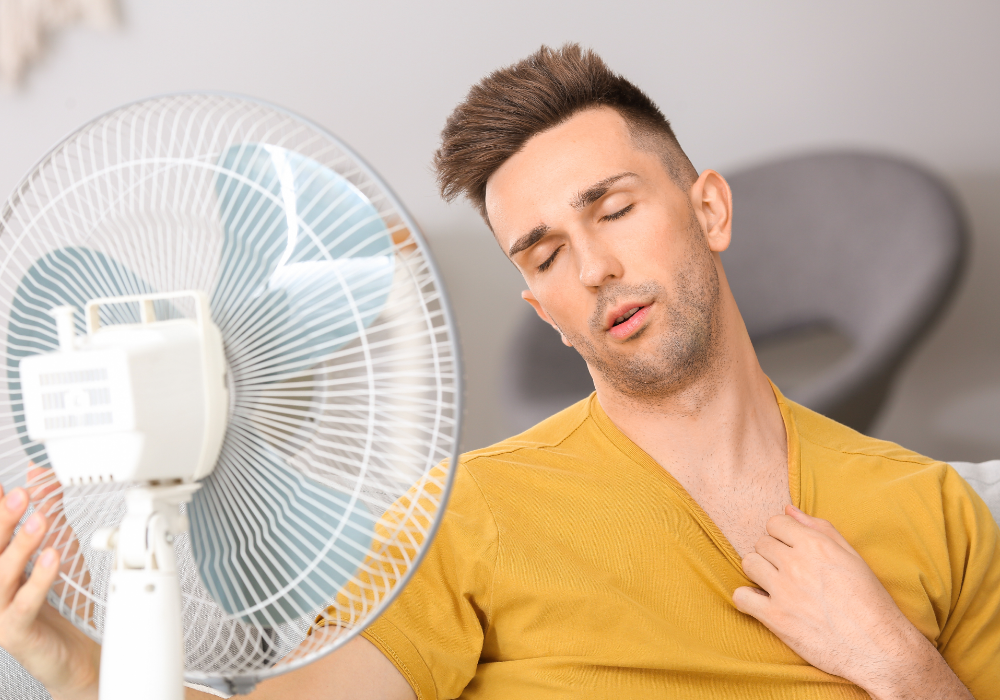
Is the Heat Warping Our Brains? 10 Ways Rising Temps Affect Decision-Making

Scientists say heat affects judgment—and the risks are bigger than you think.

©Image license via Canva

You know that feeling when it’s so hot you can’t think straight? Turns out, it’s not just in your head. As global temperatures climb, researchers are finding that heat doesn’t just affect our bodies—it messes with our brains too. We make worse decisions, take bigger risks, and get more irritable, all because our internal systems are stressed out by the heat. This isn’t about the occasional summer slump. It’s about how our ability to think clearly is changing right along with the climate.

Whether it’s at work, on the road, or in our relationships, heat can make us less patient, more reactive, and less capable of weighing long-term consequences. And in a warming world, that’s a dangerous combo. This isn’t just a sweaty inconvenience—it’s a shift in how we think, feel, and function. Here’s what happens when the heat messes with your head.

Read more

13 Low-Effort Home Habits That Could Help Slow Climate Change

Saving the planet starts at home—and it’s simpler than you think.

©Image license via Canva

You don’t need to move to the woods, install solar panels, or live in a tiny house to make a real difference. A lot of climate solutions start way closer to home—literally, inside your house. The truth is, our daily routines add up. From what we eat to how we clean to where our energy goes, small choices made consistently can seriously shrink your environmental footprint without making your life harder (or more expensive).

And no, this isn’t about guilt or perfection. It’s about awareness and momentum. The more habits you shift, the more control you take back. You can still enjoy your hot showers, your Amazon orders, your cup of coffee—but with a little extra intention, those same moments can have way less impact. It’s not about doing everything perfectly. It’s about doing what you can, where you are, with what you already have.

Read more

You’re Spending Extra on Organic—But These 10 Organic Facts Could Change Your Mind

It’s not as simple as “organic good, conventional bad,” and the details matter more than you think.

©Image license via Canva

For a long time, “organic” felt like the gold standard—healthier, greener, more ethical. If it had that label, it had to be better, right? But dig a little deeper and the picture gets a lot murkier. While organic farming avoids synthetic pesticides and fertilizers, that doesn’t automatically make it the most sustainable option. In some cases, organic methods require more land, use more water, or even produce more greenhouse gas emissions per crop.

And let’s not forget the supply chain. Many organic foods are flown in from across the world, wrapped in plastic, or produced under murky labor practices. None of that shows up on the sticker. This isn’t about calling organic a scam—it’s about realizing it’s not a free pass. Sustainability depends on the full picture: how food is grown, where it comes from, and how much we waste. Labels help—but they don’t tell the whole story.

Read more

When Your Brain Won’t Shut Off at Night, These 11 Calming Tricks Actually Work

Rest doesn’t have to be a battle, even if your brain loves 3 a.m. spirals.

©Image license via Canva

There’s nothing worse than being exhausted but wide awake, staring at the ceiling while your brain runs a full-on highlight reel of every awkward thing you’ve ever said. You’re tired, you want sleep, but your thoughts are racing, your body’s restless, and suddenly it’s 2 a.m. again. Been there. Whether it’s stress, overthinking, or just too much caffeine too late, sometimes your brain forgets how to hit the off switch.

You’re not powerless. There are simple, science-backed tricks that can actually help calm the chaos in your head and ease your body into rest mode. These aren’t magic fixes, but they are habits and tools that real people swear by—and they don’t involve prescription meds or chanting into a candle (unless you’re into that). If your mind won’t quiet down on its own, these are worth a try.

Read more

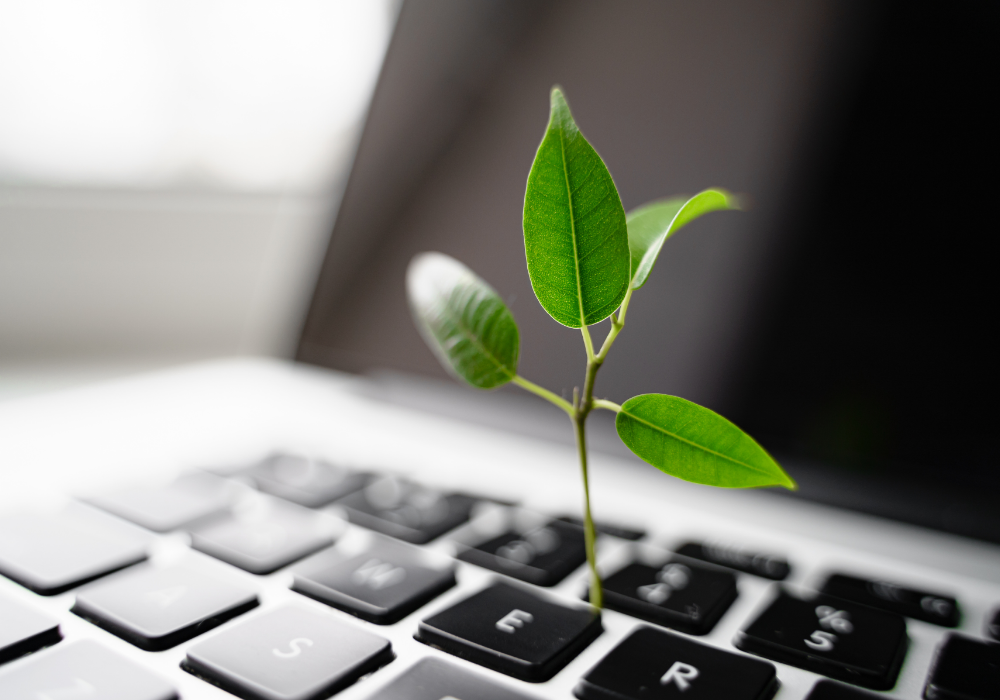
12 Climate Myths Tech Companies Love to Sell You

From smart homes to electric cars, the climate spin is getting slicker.

©Image license via Canva

Let’s be real—tech companies are masters at turning big promises into glossy marketing. And lately, climate buzzwords are everywhere. Devices are branded “eco-friendly,” servers are powered by “clean” energy, and everything from your car to your fridge claims to help save the planet. But once you dig past the sleek branding, a lot of these claims start to fall apart. Sometimes the environmental impact is just repackaged, not reduced.

That doesn’t mean every innovation is bad or that we should stop looking for new solutions. But it does mean we have to question the idea that every shiny upgrade is automatically good for the Earth. Sustainability is messy. It takes more than a few recycled materials and some solar panels to fix a system built on constant consumption. Some of the most hyped “green” solutions might be doing more harm than good.

Read more