
The more overwhelmed you are, the easier you are to manipulate.

By the end of the day, your brain isn’t making empowered decisions—it’s just trying to survive. And marketers know it. Fatigue doesn’t slow down consumption. It speeds it up. The more distracted, stressed, and depleted you are, the more likely you are to click the ad, buy the upgrade, or say yes to something you don’t need. It’s not about trickery—it’s about timing. They’re not targeting your best self. They’re waiting for the version of you that’s too worn out to think straight.
This system wasn’t designed to support a well-rested, self-aware public. It was built to capitalize on burnout. You don’t need to be gullible to get played. You just need to be tired enough not to notice what’s happening. These tactics aren’t accidents—they’re blueprints. And they reveal exactly how much easier it is to sell you something when your brain is running on fumes.
1. Decision fatigue makes you default to whatever’s easiest.

By the time you’ve made a hundred micro-decisions—what to wear, what to text back, what route to take—your brain wants out. Grant A. Pignatiello and his co-authors explain in NCBI that decision fatigue reduces our ability to make thoughtful choices, making people more likely to accept defaults and impulse options. It feels like convenience. But it’s designed to override your ability to choose with intention.
You’re not weighing pros and cons at this point—you’re just clicking what’s already lit up. That’s why you’re more likely to pay for rushed shipping or tack on extras at the end of a purchase. Not because you need them, but because it’s easier than resisting. The more decisions you’ve had to make, the more likely you are to say yes to whatever’s placed in front of you. And the system counts on that.
2. Late-night shopping isn’t impulsive—it’s engineered.

Those 11 p.m. purchases aren’t just bad habits—they’re part of a marketing strategy. Carly Fink and Melissa Conforto note in P2PI that impulse buying often happens when consumers are mentally depleted, making them more susceptible to emotional triggers than logical decision-making.
That’s why emails hit your inbox late in the evening and sales alerts pop up when you’re doomscrolling in bed. They’re not targeting your logic. They’re banking on your depletion.
Tired brains crave dopamine. A little hit of excitement from clicking “buy now” feels like relief, even when it’s short-lived. And the more mentally foggy you are, the less likely you are to compare prices, read reviews, or ask yourself if you really want something. They don’t need to convince you—it’s enough to catch you when you’re worn down.
3. Endless scroll traps you in a low-effort trance.

When your brain’s exhausted, it doesn’t want complexity. It wants frictionless input—something easy, bright, and fast-moving. Jan Rixen and his co-authors point out on ResearchGate that infinite scroll keeps users engaged by minimizing friction and reducing the mental effort required to keep going. No end point, no decision-making, just an endless loop of content that keeps your thumb moving and your impulse control shut off.
Social platforms and shopping apps use this format to keep you in a passive state—one that’s great for ad exposure and even better for purchases. You might not even remember clicking the link or adding the item to your cart. That’s the point. It doesn’t want your attention. It wants your autopilot. And it’s designed to keep you there just long enough to spend.
4. Pop-ups and countdowns trigger your anxious brain, not your rational one.

Nothing hijacks a tired brain faster than urgency. “Only 3 left!” “Sale ends in 10 minutes!” These tactics bypass your logic and hit your stress response head-on. You’re not weighing value—you’re reacting to a threat of missing out. And the more worn down you are, the less capacity you have to pause and question it.
Scarcity marketing isn’t just annoying—it’s manipulative by design. It’s built for brains that are too tired to double-check. The countdown creates panic. The pop-up interrupts your train of thought. Together, they steer you toward a decision you wouldn’t make if you were more grounded. Urgency replaces clarity. And companies profit from the scramble.
5. Loyalty programs reward your brain for staying on autopilot.

Point systems, digital punch cards, “unlockable” perks—these are less about saving money and more about hijacking your reward circuitry. They give your brain tiny bursts of dopamine for sticking with one brand, even when better options exist.
When you’re mentally spent, loyalty becomes default. You’re not comparing quality, price, or ethics. You’re just chasing the next freebie. That’s why these programs are everywhere—from coffee chains to online retailers.
They make repeat purchases feel like progress instead of habit. And when your executive function is worn thin, anything that feels familiar and frictionless becomes the obvious choice—even if it’s not the best one.
6. Push notifications catch you when your defenses are lowest.
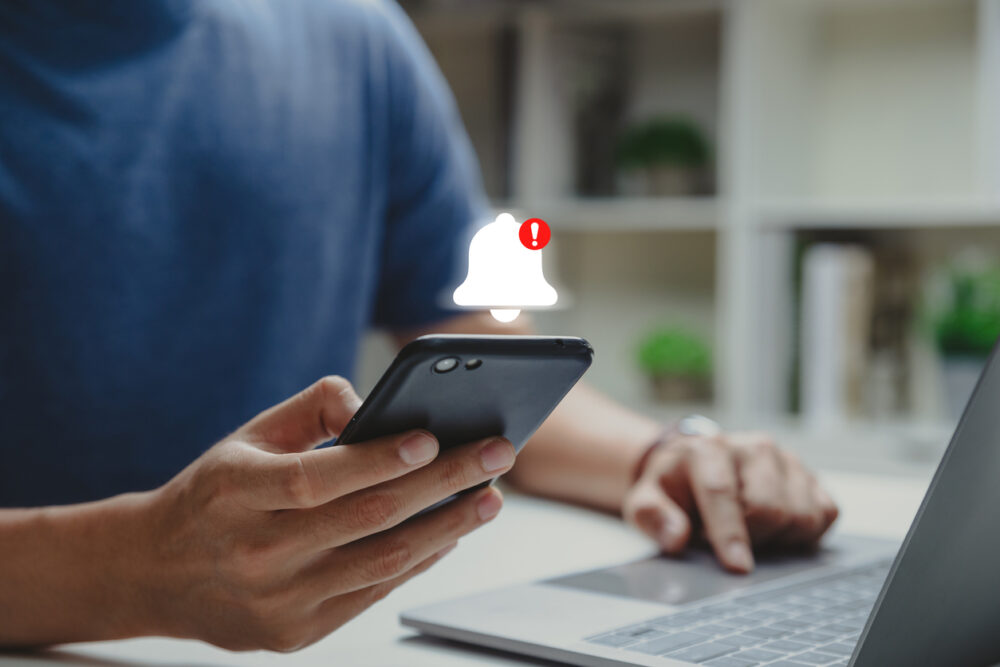
You might think you’re ignoring those alerts, but your brain registers them—especially when it’s tired. Push notifications are designed to hit when your focus wavers: during commutes, at the end of the workday, or while you’re trying to relax. The timing isn’t random. It’s tested.
A tired mind is more suggestible. That 15% off alert might get ignored at noon, but at 8 p.m., it’s a different story. Notifications interrupt your rhythm, demand a sliver of attention, and offer a reward—all in a single buzz. You don’t even have to open the app to be nudged. The interruption alone chips away at your resistance. Over time, it works.
7. Subscriptions remove friction so you forget you’re still spending.

Set-it-and-forget-it models aren’t just convenient—they’re strategically forgettable. Tired brains don’t want to manage recurring orders, review renewal dates, or reassess whether something is still useful.
Subscription services know this, and they use it to keep you on the hook long after the product stops adding value. From supplements to streaming to auto-ship razors, the appeal is low effort. But the longer you stay subscribed, the more passive your spending becomes. And because the charges are small and predictable, they rarely trigger red flags—especially when your attention is already maxed out elsewhere. These services aren’t counting on your engagement. They’re counting on your exhaustion.
8. Personalized ads exploit your mental shortcuts.

Exhausted brains look for patterns. They default to familiarity, ease, and the sense that something was “made for you.” Personalized ads feed right into that. They mirror your searches, reflect your recent clicks, and drop into your feed like a thought you didn’t finish having. It feels intuitive—but it’s scripted.
Your mental fatigue makes it easier to believe that targeted content is relevant or even helpful. But it’s not about relevance. It’s about increasing the odds you’ll say yes before you notice what you’re doing. The ad isn’t guessing—it’s nudging. And when your brain is too tired to evaluate, you become an easier sell.
9. Checkout add-ons prey on your decision fatigue.

You made it through the product pages, the sizing chart, the shipping options—and then right before you check out, you’re hit with “Add this for $4.99?” or “Customers also bought…” At that point, your brain is done thinking. And that’s exactly why the add-on shows up there. These last-minute upsells count on your lowered resistance. The amounts are small enough to feel insignificant, but they add up quickly—especially when you’re doing multiple micro-purchases across the week.
Brands know you’re less likely to backtrack once you’re that close to finishing. Your brain wants closure, not another choice. So you click. And they cash in.
10. Ambient stress makes shopping feel like self-care.

When your nervous system is shot and your brain is in survival mode, the fastest path to relief is often a purchase. Brands know this. They don’t just sell products—they sell comfort, escape, a sense of control. And the more background stress you’re carrying, the more tempting that illusion becomes.
Online shopping becomes a coping mechanism disguised as a solution. You’re not buying soap—you’re buying a moment of calm. Not ordering food—you’re sparing yourself one more task. In the moment, it feels good. But over time, that stress-purchase cycle reinforces the idea that comfort comes from consuming. And marketers are happy to keep that loop going.
11. Visual overload wears you down until you just click.

Ever noticed how some websites are intentionally cluttered? Flashing banners, multiple font sizes, floating coupons, endless product rows—it’s not bad design.
It’s a tactic. The more sensory overload you experience, the faster your mental energy drains. And when your brain’s overwhelmed, it looks for the quickest way out.
That often means clicking the biggest, brightest button—usually the one they want you to hit. Decision fatigue kicks in fast when you’re bombarded with too much input. And instead of disengaging, most users push through by choosing whatever stands out. The chaos isn’t a bug. It’s a shortcut to your autopilot.
12. Exhaustion keeps you from questioning the system itself.

Maybe the most effective tactic of all is keeping people too tired to resist. If you’re always behind on emails, burnt out from work, overstimulated by screens, and drowning in responsibilities, you’re not exactly in revolution mode. You’re in survival mode. And survival mode doesn’t ask hard questions—it just gets through the day.
That’s how this whole machine keeps humming. It feeds off exhaustion and reinforces it in a loop. Because a well-rested, alert, curious mind is harder to manipulate. But a tired one? It just wants relief. And that makes you the perfect consumer. Not because you’re careless. But because you’re depleted by design.