
From smart homes to electric cars, the climate spin is getting slicker.

Let’s be real—tech companies are masters at turning big promises into glossy marketing. And lately, climate buzzwords are everywhere. Devices are branded “eco-friendly,” servers are powered by “clean” energy, and everything from your car to your fridge claims to help save the planet. But once you dig past the sleek branding, a lot of these claims start to fall apart. Sometimes the environmental impact is just repackaged, not reduced.
That doesn’t mean every innovation is bad or that we should stop looking for new solutions. But it does mean we have to question the idea that every shiny upgrade is automatically good for the Earth. Sustainability is messy. It takes more than a few recycled materials and some solar panels to fix a system built on constant consumption. Some of the most hyped “green” solutions might be doing more harm than good.
1. Buying more electric cars doesn’t erase the footprint of making them.

Electric vehicles get praised like climate superheroes—and to be fair, they’re a step up from gas guzzlers. But they’re not impact-free. According to R. B. Lakshmi writing for Earth.org, mining these materials has a high environmental cost, making the EV manufacturing process more energy-intensive than that of an internal combustion engine vehicle. That process can damage ecosystems, pollute water sources, and rely on exploitative labor practices.
Yes, EVs produce fewer emissions once they’re on the road, but it takes years of driving before they “cancel out” the energy used to build them. And if the electricity powering them comes from coal? That shrinks the benefit even more. Electric cars are part of the solution, but they’re not the final answer—especially if we just keep replacing every gas car with a shiny new EV instead of rethinking transportation altogether.
2. Carbon credits are not a free pass to keep polluting.

When tech giants claim to be “carbon neutral,” it usually doesn’t mean they’ve cut emissions at the source. Instead, they’ve purchased carbon offsets—paying for things like tree planting or conservation projects that theoretically cancel out the pollution they’re still creating. Per Patrick Greenfield in an article for The Guardian, more than 90% of rainforest carbon offsets certified by Verra, a leading carbon credit certifier, were found to be ineffective, raising concerns about the reliability of such offsets.
Many offset programs are hard to verify, short-lived, or overestimated in their impact. A forest protected today could be cut down tomorrow. And none of this addresses the energy use behind sprawling offices, global shipping, or resource-heavy manufacturing. Carbon credits can support good projects, but they don’t erase emissions—and they certainly don’t justify business as usual. If a company claims to be green because it paid someone else to reduce pollution, they’re skipping the hard part.
3. The cloud still uses real energy in real places.

The cloud might feel invisible, but it lives in giant data centers packed with servers that run 24/7—and they’re hungry for power. Every email, video, and backup you store online takes up space and consumes energy.
Experts at the International Energy Agency report that U.S. data centers could account for nearly half of electricity demand growth by 2030, largely due to cloud and AI expansion. While some companies are working to run their data centers on renewable energy, demand for storage keeps growing faster than clean power can catch up.
Plus, all that hardware still needs materials, manufacturing, and regular upgrades. So while the cloud can be more efficient than physical storage, it isn’t impact-free. Thinking digital automatically means sustainable is exactly the kind of myth tech companies want you to believe.
4. Smart home gadgets don’t always save energy like they claim.

From learning thermostats to app-controlled lights, smart devices are often marketed as eco-friendly upgrades. The idea is that they help you use less energy by optimizing how and when things run. In theory, that sounds great. But in practice, many of these gadgets add more energy use than they save—especially when you factor in the always-on Wi-Fi connections, software updates, and background data collection.
On top of that, most people don’t use these tools to reduce consumption—they use them for convenience. Lights stay on longer, appliances get used more often, and homes fill up with extra screens, cameras, and smart speakers. These devices also require resources to build and often end up as e-waste a few years later. Saving energy takes more than just installing new tech—it takes actually changing how we use it.
5. Upgrading devices constantly creates a mountain of hidden waste.

Every year, there’s a new phone, tablet, or laptop promising faster speeds and better features. And every year, millions of old devices get tossed or shoved in drawers. Even when you recycle, a lot of that tech ends up in landfills or shipped overseas where it’s handled in unsafe, polluting conditions. E-waste is one of the fastest-growing waste streams on the planet—and our obsession with “new” is fueling it.
Manufacturing electronics takes rare minerals, tons of water, and energy-intensive processes. And all that happens long before you even open the box. Tech companies love to talk about sleek designs and sustainability pledges, but they’re also counting on you upgrading as often as possible. The greener move? Use what you have longer, repair instead of replace, and think twice before chasing the latest release.
6. Recycled materials in tech products don’t make them sustainable.
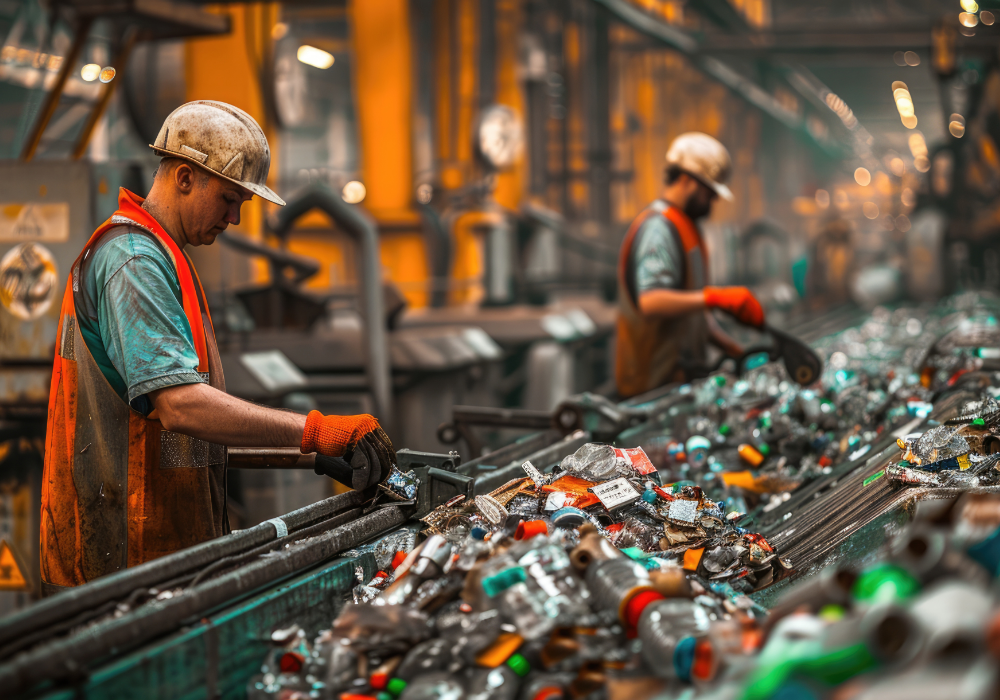
It sounds impressive when a company says a laptop is made with “30% recycled aluminum” or a phone uses “ocean-bound plastic.” But those headlines often overstate the impact. Recycled materials are a step in the right direction, sure—but they only address a small slice of a product’s full environmental footprint. The energy used in manufacturing, the supply chain emissions, and the product’s short lifespan still do plenty of damage.
Sometimes, these recycled claims are just a green coating on a fundamentally unsustainable model. If the device still needs to be replaced every two years, it doesn’t matter how eco-friendly the casing is. True sustainability goes beyond materials—it includes durability, repairability, and reducing the number of gadgets we buy in the first place. A recycled shell doesn’t erase the impact of what’s inside.
7. Digital currencies and NFTs eat up massive amounts of energy.

Crypto isn’t just a tech trend—it’s an energy monster. Bitcoin, Ethereum, and other major cryptocurrencies rely on a process called mining, which requires powerful computers to run nonstop and solve complex equations. That uses a staggering amount of electricity, often more than some entire countries. Even as newer systems try to cut down on emissions, the impact remains massive.
NFTs (non-fungible tokens) added even more hype to the space, but they come with the same energy problems. Minting, buying, and selling these digital assets still involves heavy blockchain usage, and most of that activity happens on energy-intensive networks.
While the tech world frames these innovations as the future, their environmental footprint is stuck in the past. Until these systems become radically more efficient, using them has real climate consequences—no matter how sleek the branding looks.
8. Massive server farms still rely heavily on fossil fuels.

Big tech companies love to tout their progress toward clean energy, but behind the glossy reports are sprawling server farms that still depend on dirty power. These facilities—used for everything from search engines to streaming to AI—consume insane amounts of electricity every day. While some are partially powered by renewables, many are plugged into grids that still rely on coal or natural gas.
“Powered by clean energy” doesn’t always mean what it sounds like. It can mean credits were purchased to offset emissions, not that the server is running on solar or wind. And when demand spikes, those centers lean on whatever energy is available—often fossil fuels. Until energy grids are fully decarbonized, and data centers are run efficiently 24/7, the climate cost of digital convenience stays high, even when it’s hidden behind green-sounding language.
9. Digital meetings aren’t always the greener choice when done at scale.

Skipping flights and Zooming into meetings sounds like a climate win—and sometimes it is. But when virtual events happen constantly, globally, and at massive scale, the energy use adds up. Video calls require internet infrastructure, data centers, and devices all pulling electricity at once. It’s cleaner than hopping on a plane, sure—but it’s not zero-impact.
Add in all-day conferences, multi-tab multitasking, and streaming on high resolution, and suddenly that “simple meeting” has a serious carbon footprint. It doesn’t mean we should go back to business travel, but it does mean that tech-based communication isn’t free. Hosting fewer, smarter, shorter meetings (virtual or not) can reduce unnecessary digital drag. The myth that all online interaction is harmless is convenient—but not always true.
10. AI tools demand more power than most people realize.

Artificial intelligence sounds futuristic and efficient—but training and running AI models takes a staggering amount of computing power. Behind every chatbot or image generator are data centers crunching through enormous datasets, consuming vast amounts of electricity to keep up with demand. And the more advanced the tool, the more energy-hungry it tends to be.
Many tech companies are pouring money into AI while claiming it will help fight climate change. But the irony is that the development process itself is leaving a growing carbon footprint. Without serious improvements in efficiency and a commitment to renewable energy, AI risks becoming just another shiny innovation with a hidden cost. For now, every “smart” breakthrough comes with a not-so-smart environmental tradeoff.
11. Tech-driven “smart cities” can reinforce wasteful systems.

The idea of a smart city sounds sustainable—sensors tracking traffic, apps optimizing energy, AI-powered waste collection. But a lot of these upgrades are built on top of existing infrastructure that’s already inefficient and unsustainable. Instead of rethinking how cities work, tech solutions often just slap software on broken systems and call it progress.
Worse, smart city projects require tons of new devices, data centers, and surveillance tech—all of which have their own environmental costs. If the goal is to reduce emissions and improve quality of life, sometimes the better solution is low-tech: better public transit, more walkable neighborhoods, and policy changes that don’t depend on Wi-Fi to function. Smart doesn’t always mean sustainable—it just means expensive and connected.
12. Constant innovation keeps us buying instead of rethinking consumption.

Every time a new product is released, we’re told it’s smarter, faster, greener. But the cycle of endless upgrades keeps us locked into a loop of consumption—and that’s the real climate problem. Even if each device is slightly more efficient, the constant push to replace instead of repair means more energy, more mining, and more waste.
Tech companies rely on planned obsolescence to keep profits high and innovation moving. But that mindset treats sustainability like a feature, not a goal. Real climate solutions don’t just make the next device better—they challenge why we need so many in the first place. Slowing down the upgrade cycle and choosing durability over novelty might not sound exciting, but it’s one of the most powerful things we can do to cut emissions.