These 10 Skincare Steps Look Luxurious—But They’re Wrecking Your Barrier

Your skin’s screaming for help under all that serum.

©Image license via iStock

You followed all the “rules.” You double cleansed, exfoliated, layered your actives, misted between steps, and sealed it in with a glossy finish. On paper, your routine looks flawless—like something straight out of a 10-step K-beauty tutorial. But if your skin’s stinging, flaking, or constantly breaking out? That’s not glow. That’s a barrier begging for mercy.

Your skin barrier is what keeps moisture in and irritants out. It’s your first line of defense—and it’s surprisingly easy to destroy in the name of beauty. Harsh acids, over-cleansing, too many actives layered on top of each other… all of it adds up, even if the packaging screams “gentle.” These routines might look luxurious, but if your skin’s dry, tight, or perpetually red, something’s not working. Here are ten skincare steps that seem indulgent—but might actually be doing more harm than good.

Read more

10 Solid Reasons the Greenhouse Effect Is More Than Just Hot Air

It’s not politics—it’s physics, and the numbers don’t lie.

©Image license via Canva

People love to argue about climate change like it’s still up for debate—but the greenhouse effect isn’t a political opinion. It’s a physical process we’ve understood for over a hundred years. Sunlight hits the Earth, some of it bounces back toward space, and certain gases trap that outgoing heat like a giant atmospheric blanket. That’s not speculation—it’s measurable, proven, and happening right now.

And yet, the internet’s full of hot takes calling it a hoax. So let’s cut through the noise. We’re not talking vibes or forecasts—we’re talking hard evidence. Satellites, thermometers, ice cores, ocean sensors. The science isn’t subtle—it’s screaming. If you’ve ever heard someone brush it off as “natural,” or claim Earth’s just “doing its thing,” this list is for you. Because the planet isn’t just warming—it’s reacting. And the signs couldn’t be clearer.

Read more

AI Claims to Solve Climate Change—Here Are 12 Reasons to Be Skeptical

Big promises, bigger emissions, and no accountability in sight.

©Image license via Canva

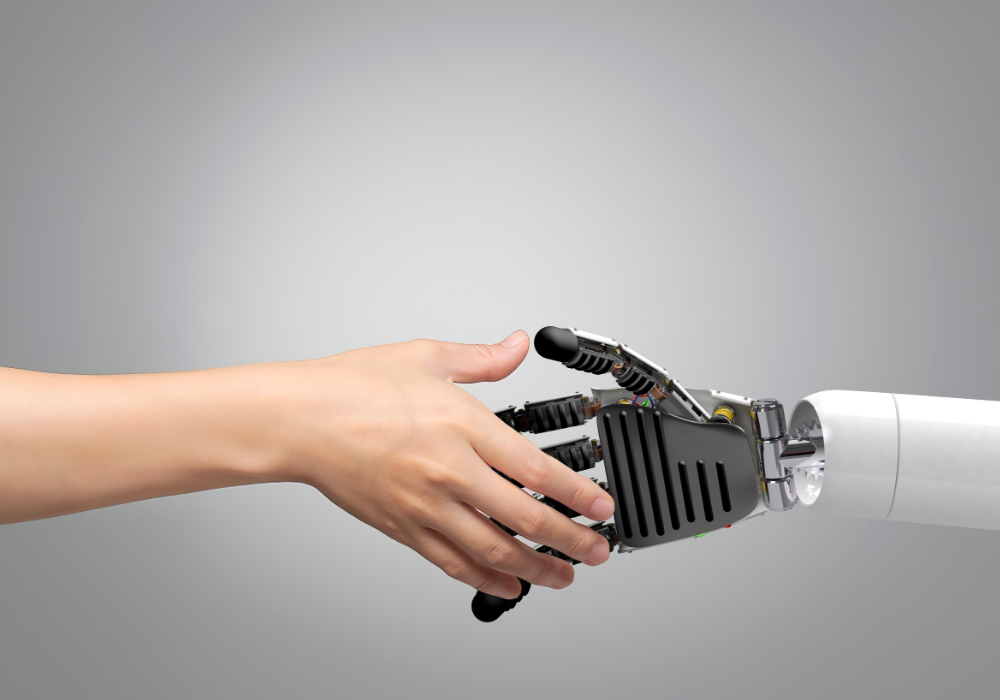
AI is having a moment. Headlines are buzzing with promises that machine learning will fix everything—from traffic to healthcare to, yes, climate change. It sounds great on paper: algorithms that optimize energy use, predict extreme weather, and design cleaner infrastructure. But here’s the catch—those same systems require massive data centers, gulp energy like there’s no tomorrow, and are mostly built by companies with a history of greenwashing.

For every flashy claim about AI “saving the planet,” there’s a hard truth hiding behind the code. The carbon footprint of training just one large model can rival the lifetime emissions of multiple cars. And while the tech world pitches AI as the solution, it rarely talks about the cost. Climate change isn’t a puzzle you solve with software—it’s a crisis that demands structural change. These twelve warnings explain why trusting AI to clean up the mess might only make it worse.

Read more

The Neighborhood Changed, But Not for You—These 12 Signs Gentrification Won

They built it up, priced you out, and called it progress.

©Image license via iStock

You stayed. Through the empty lots, the noise, the slow rise of rent. You watched the corner store become a juice bar, the church turn into a coworking space, and the neighbors you grew up with slowly disappear. And now, even if you’re still here, it doesn’t feel like your neighborhood anymore. That’s the quiet part of gentrification no one talks about. It doesn’t always push you out immediately—it just reshapes everything around you until you no longer fit.

They call it revitalization. They call it investment. But what it really means is that the culture gets erased while the rent gets higher. Suddenly, everything you loved is gone—but the city insists this is an upgrade. Gentrification doesn’t always knock loudly. Sometimes it slips in slowly, dressed in bike lanes and boutique hotels. These 12 signs show how it takes over—not just physically, but emotionally, until the place you knew becomes something else entirely.

Read more

You Keep Calling It a Quirk—These 11 Habits Are Trauma Responses in Disguise

What kept you safe back then is keeping you stuck now.

©Image license via iStock

You flinch when someone raises their voice. You double-check every text before hitting send. You laugh when you’re uncomfortable and call it being “the chill one.” These aren’t random traits—they’re patterns you built to survive. Maybe no one taught you that. Maybe you thought it was just your personality. But some of the things you do daily, instinctively, quietly? They didn’t come from nowhere. They came from pain.

When you grow up around chaos, neglect, criticism, or fear, your nervous system adapts. It learns how to keep you safe. But that safety often comes at a cost—because those protective instincts don’t just go away when life gets calmer. They stay. They shape how you work, love, talk, react. And they can keep you stuck long after the danger is gone. These 11 habits might feel like part of who you are, but they started as something else entirely.

Read more

Are Scientists Lying About Climate Change? 11 Reasons the Data Speaks for Itself

If this is a hoax, nature didn’t get the memo.

©Image license via iStock

Every time climate change comes up, someone throws out the same tired line: “But what if it’s all just made up?” Here’s the thing—it’s not. And you don’t need a lab coat to figure that out. The signs are everywhere. The ice is melting. The oceans are heating up. Weather patterns are getting weird, and records are breaking left and right. If this is some grand lie, then it’s one the entire planet is in on.

Scientists aren’t huddled in a smoky room plotting a conspiracy. They’re measuring, tracking, documenting, and publishing—and the data is loud. You don’t have to believe every headline, but you can’t ignore the signals coming straight from nature, satellites, and thermometers. The truth doesn’t need spin. It just needs a closer look.

Read more

12 Daily Affirmations That Will Completely Shift Your Mindset

Your mindset shapes everything, and these affirmations flip the script.

©Image license via Canva

Some days you wake up ready to conquer the world. Other days… not so much. That’s where affirmations come in. They’re more than just feel-good phrases—they’re tools for mental reprogramming. Repeating the right words consistently can shift how you think, how you show up, and what you believe about yourself. And no, you don’t have to stand in front of a mirror or chant in candlelight. It’s not about perfection—it’s about repetition.

The words you say to yourself shape the way you move through the world. When that voice becomes kinder, more confident, and less reactive, everything else starts to change too. These affirmations aren’t magic—but they can feel that way once they start sinking in. Say them every morning, whisper them on tough days, write them on sticky notes. However you do it, keep doing it. The more you say them, the more they start to feel like the truth.

Read more

13 Ways to Stay Relevant in Conversations Across Generations

If you can’t connect, you’re not being left behind—you’re just speaking the wrong language.

©Image license via Canva

Talking to people across different generations can feel like trying to translate a language you thought you already spoke. One minute you’re cruising along, the next you’re completely missing each other. It’s not because you’re out of touch—it’s because every generation grew up in a different world, and those worlds shape how they communicate, what they care about, and what they expect from a conversation. Staying relevant doesn’t mean pretending you’re younger (or older) than you are. It means staying curious, adaptable, and open.

If you can drop the urge to judge and focus instead on learning, you’ll find that real connection isn’t just possible—it’s way easier than you think. You don’t need to master every meme or argue every point to stay part of the conversation. You just need to show up willing to bridge the gap instead of widening it.

Read more

These 10 Dream Symbols Keep Showing Up—And They’re Not as Random as You Think

What feels like chaos when you sleep might actually be your mind decoding real life.

©Image license via iStock

Dreams are weird. One second you’re flying through a forest, the next you’re back in high school giving a presentation in your underwear. It’s tempting to write them off as random brain static—but the patterns say otherwise. Those recurring symbols? They’re not just leftovers from your day. They’re emotional clues, stitched together by your subconscious to get your attention in the only language it knows.

Even the most bizarre dream moments usually connect to something real. Stress, grief, fear, desire—it all gets processed while you sleep, filtered into strange visuals that stick with you long after you wake up. You don’t need to be a dream expert to start noticing the signs. All it takes is curiosity and a little honesty. These ten dream symbols show up again and again for a reason. And when you understand what they’re pointing to, your dreams stop feeling random—and start feeling real.

Read more

From Fashion to Food: The 11 Deadliest Ways Waste Is Ruining Our Future

From landfills to lunch, our habits are poisoning the future one decision at a time.

©Image license via Canva

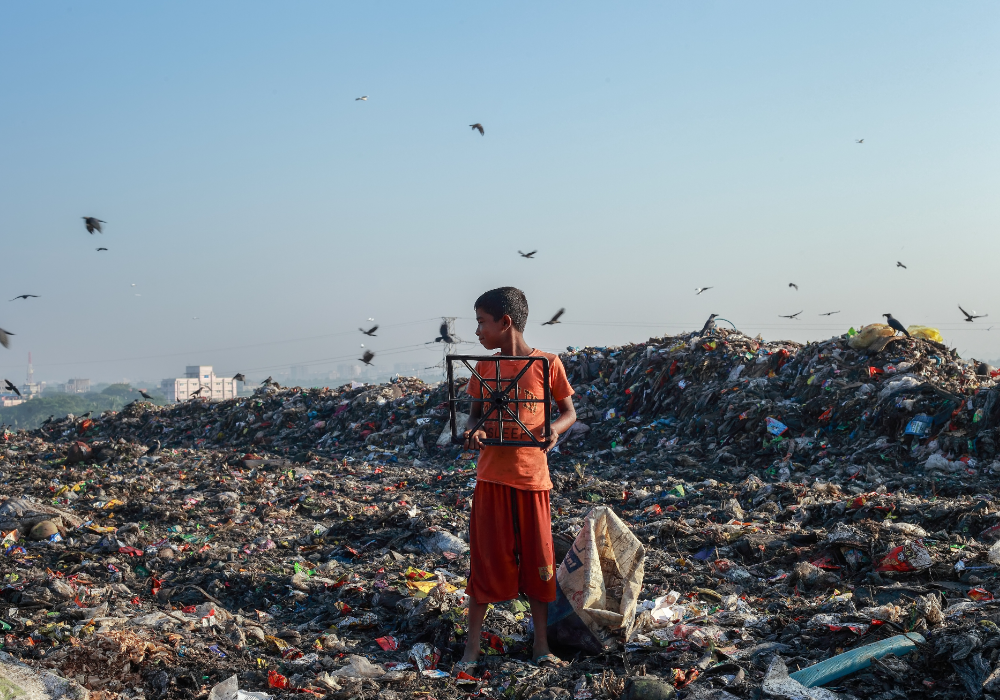
Waste isn’t just gross or inconvenient—it’s quietly becoming one of the deadliest problems of our time. Every day, we throw things “away,” but away isn’t some magical place where it disappears. It’s landfills leaching into groundwater. It’s plastic choking marine life. It’s greenhouse gases rising from trash heaps. And it’s not just coming from one place—it’s coming from everywhere, all at once. Food, fashion, tech, packaging, fast furniture. Our entire system is built on using more and throwing it away faster.

We like to think our individual habits don’t matter, but the system counts on that mindset. It thrives on convenience and denial, while the damage keeps building. Waste isn’t just an environmental issue—it’s a full-spectrum crisis hitting our health, our climate, our economy, and our future. The most dangerous part is how normal it’s all started to feel.

Read more