The Coral Reef Apocalypse: 10 Reasons What’s Coming Should Terrify You

These underwater die-offs are a red flag for the entire planet.
©Image license via Canva

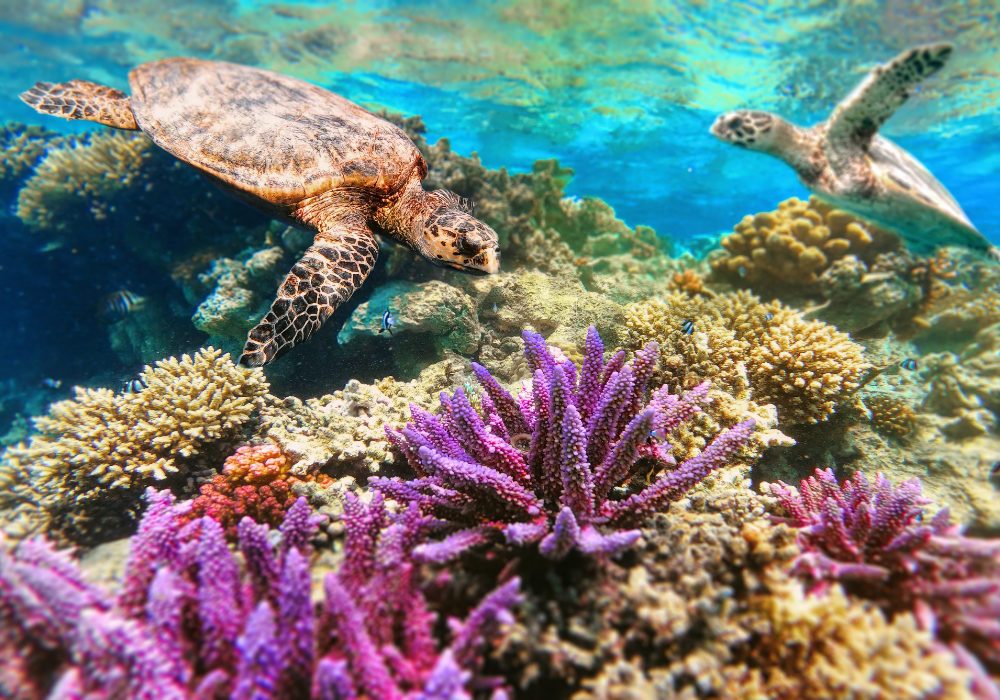
Coral reefs aren’t just pretty underwater backdrops—they’re vital ecosystems holding up life as we know it. And they’re dying, fast. From mass bleaching events to acidifying oceans, reefs around the globe are turning ghost-white, collapsing under the pressure of a world that’s getting hotter, dirtier, and more unpredictable by the day. Scientists have been warning us for years, but the headlines still treat coral loss like a niche issue. It’s not. It’s a massive, flashing warning sign that the planet is unraveling in real time.

And if you think this doesn’t affect you just because you don’t live near the ocean, think again. Coral reefs support fish populations, coastal protection, tourism, food security, and medicine. When they go, the ripple effect hits every corner of the globe. What’s happening underwater isn’t just a tragedy—it’s a full-blown emergency, and these 10 terrifying reasons explain why.


Read more

We Built a System That Can’t Handle Smart Kids—Here Are 11 Signs It’s Failing Them

We claim to want innovation, then punish the kids who think differently.

©Image license via iStock

We love the idea of gifted kids—until they stop following the rules. We label them “advanced,” stick them in overcrowded programs, and assume they’ll be fine. But smart doesn’t mean easy. It doesn’t mean well-behaved. And it definitely doesn’t mean resilient to neglect. The truth is, a lot of kids who test as gifted end up overwhelmed, anxious, bored, or completely shut down. Not because they’re flawed, but because the system never actually learned how to support them.

Schools aren’t built for kids who ask too many questions, challenge authority, or think twenty steps ahead. They’re built for compliance, averages, and moving everyone through at the same pace. Gifted kids don’t break the system—they reveal its cracks. And too often, they pay the price for being the exception. These 11 signs show what happens when smart kids get left behind—not for falling short, but for standing out.

Read more

Stop Waiting for Someone Else to Fix It—13 Ways You Can Push Back Against Authoritarianism

Freedom is slipping away while you wait—here’s how to grab it back.

©Image license via iStock

It’s easy to feel like the world’s spinning out of control—and harder still to believe you can do anything about it. You read the headlines, scroll past the chaos, and wonder when things started feeling so upside down. Authoritarianism doesn’t show up wearing jackboots and waving flags anymore. It creeps in with censorship masked as safety, division disguised as patriotism, and rights chipped away so slowly you barely notice. And while the loudest voices often get the most airtime, silence is its own kind of fuel.

You don’t have to be a politician, an activist, or even someone who likes confrontation to stand up. You just need to decide you’ve had enough. The truth is, waiting for someone else to make it better only gives those in power more time to tighten their grip. Change starts with you, in ways that are simpler—and more powerful—than you might think.

Read more

The Tesla Love Affair Is Over—11 Reasons Climate Activists Are Dumping Them in Droves

What once symbolized the future of green tech now feels like a giant betrayal.

©Image license via Cpenler | Dreamstime

For a while, Tesla felt unstoppable—a sleek, electric symbol of hope for the future. Climate activists, eco-conscious buyers, and tech dreamers all rallied behind it like it was more than just a car company. It was a movement, a promise that we could innovate our way out of a climate crisis. But lately, that love affair has hit a major rough patch. The same people who once championed Tesla are walking away, frustrated, disappointed, and in some cases, downright furious. It’s not about the cool factor anymore. It’s about trust, values, and what Tesla now represents versus what it used to stand for.

A lot of activists feel like the company—and its leadership—stopped leading for the planet and started chasing something else entirely. The shift didn’t happen overnight, but it’s impossible to ignore now. For many, supporting Tesla feels less like a solution and more like a sellout.

Read more

10 Wellness Trends That Thrive on Your Insecurity

The “solutions” they’re pushing are just new ways to make you doubt yourself.

©Image license via Canva

It’s wild how wellness, a word that’s supposed to mean “taking care of yourself,” has turned into another way to feel like you’re never doing enough. Everywhere you look, there’s a new magic solution promising to fix problems you didn’t even know you had. It’s not about feeling good anymore—it’s about chasing perfection you’ll never reach. The truth is, a lot of today’s wellness trends aren’t designed to empower you. They’re designed to keep you buying, stressing, and second-guessing yourself forever.

They poke at your insecurities, whisper that you’re falling behind, and then conveniently sell you a “cure.” But once you see the pattern, you can finally stop playing their game. Not everything that’s labeled “healthy” or “transformative” is actually good for you—or even necessary. Let’s call out the biggest offenders and talk about what’s really going on behind the scenes before you waste another dollar or another ounce of self-confidence.

Read more

Not All Who Wander Are Free—13 Signs Van Life Is Really Survival on Wheels

When the cost of living forces you out, the road is the last place left to go.

©Image license via iStock

Van life used to be sold like a dream: sunsets, open highways, total freedom. And for a few people, maybe it still is. But for more and more, it’s not about chasing adventure—it’s about survival. Skyrocketing rents, low wages, medical bills, eviction notices. The reality is, a lot of people living in vans, RVs, and cars didn’t choose it because they wanted to simplify. They chose it because it was the only thing left.

It’s easy to romanticize the road when you still have a stable address to come back to. It’s different when your vehicle is the only thing between you and homelessness. Van life isn’t always about liberation. It’s often about loss, hustle, exhaustion, and making a home out of whatever you can afford. These first six signs show how survival—not freedom—became the real engine behind so many lives lived on wheels.

Read more

12 Signs Your ‘Sustainable’ Purchases Are Still Hurting the Planet

Greenwashing is making you feel good while the damage keeps piling up.

©Image license via Canva

Everyone wants to feel like they’re making better choices these days. Slap a “sustainable” or “eco-friendly” sticker on something, and it’s easy to think you’re doing your part to save the planet. But here’s the hard truth: a lot of what’s being sold as sustainable is still fueling the same old environmental problems. It just has prettier packaging and a guilt-free vibe that makes you feel better while you swipe your card.

The companies know exactly what they’re doing. They’re banking on the fact that you’ll see the word “green” or “ethical” and stop asking questions. But buying something “better” is not the same as buying responsibly—and sometimes, it’s just another excuse to sell you more. Once you learn to spot the signs, you’ll see that real sustainability isn’t about how products are marketed. It’s about how thoughtfully you actually consume.

Read more

The Romance Scam—11 Ways Consumer Culture Sells You a Fantasy

When real love is enough the romance industry falls apart.

©Image license via Canva

Love is supposed to be simple, but consumer culture couldn’t leave it alone. Instead of letting connection grow naturally, it turned romance into a never-ending checklist. Perfect dates, grand gestures, luxury gifts, Instagram-worthy milestones—it’s all carefully designed to make you feel like real love is never quite enough. There’s always something bigger, shinier, and more expensive you’re supposed to be chasing. And the more you chase it, the more money they make.

The truth is, real relationships don’t need half the stuff they’re selling you. They don’t need matching pajamas for Valentine’s Day or an elaborate engagement staged for social media likes. But the industry doesn’t make billions off people who are already content. It needs you feeling insecure, pressured, and a little bit lacking. Once you see the game, it gets a lot easier to stop playing—and start appreciating what’s actually real.

Read more

Myths About Medication Hurt More Than They Heal—12 Reasons to Leave Them Behind

You deserve real support, not judgment disguised as advice.

©Image license via iStock

There are real reasons people hesitate to trust medication. The opioid crisis, aggressive pharmaceutical marketing, and careless overprescribing have left lasting scars. Entire communities watched how profit came before people. It’s not paranoia—it’s lived experience. And it’s understandable to question a system that sometimes treats symptoms instead of root causes.

But myths about medication don’t just criticize the system. They also harm the people stuck inside it. Fear, shame, and half-truths keep people from getting help they desperately need. They turn serious health decisions into battlegrounds. They confuse taking medication with failure. Healing requires more honesty than that. It’s not about pretending medication is perfect. It’s about recognizing that sometimes it’s life-saving, and that real support means letting people choose the care that helps them survive. These twelve myths aren’t just wrong—they’re barriers. And it’s time to move past them.

Read more

The First Domino Has Already Fallen—12 Climate Chain Reactions You Can’t Stop Now

When one thread pulls loose, the whole fabric starts to tear.

©Image license via iStock

There’s this idea that climate collapse will arrive all at once—an obvious breaking point we can circle on a calendar. But that’s not how it’s happening. It’s slower, messier. One thing shifts, and that shift quietly sets off five more. An ice shelf melts, and the ocean current slows. A drought drags on, and a forest doesn’t regrow. The damage doesn’t stay where it started. It spreads.

What’s terrifying isn’t just the disasters themselves—it’s how deeply everything is connected. One broken link puts pressure on another. One tipping point edges another closer. The momentum is already speeding up whether we notice or not. Some of these chain reactions have already begun. Some are happening faster than scientists expected. And none of them are easy to reverse. These twelve unfolding dominoes show just how fragile the balance was—and how quickly the future is reshaping itself right now.

Read more