The Stars Won’t Save Us—But These 11 Astrological Patterns Still Feel Eerily Accurate

Coincidence or not, the sky keeps lining up with the chaos.

©Image license via iStock

You don’t have to believe in astrology to notice when it’s a little too on point. A full moon hits, and everything feels off. Mercury retrograde rolls around, and your emails glitch, your ex texts, and your travel plans implode. Maybe it’s coincidence. Maybe it’s pattern recognition. Maybe it’s something deeper that language can’t quite explain. But for a system that’s thousands of years old, astrology has a strange way of keeping up with the times.

The stars won’t stop climate collapse or late-stage capitalism. But they might offer a weirdly accurate mirror to what’s unfolding around—and inside—us. Whether it’s collective burnout, personal upheaval, or massive societal shifts, there always seems to be a cosmic transit that lines up with the moment. These 11 astrological patterns won’t fix anything. But if you’ve been feeling the chaos, they might help you name it.

Read more

The Shadow Economy That Shapes Your World—12 Hidden Networks of Power

These systems aren’t underground—they’re just invisible by design.

©Image license via iStock

Power doesn’t always announce itself. It doesn’t need to. Some of the most influential forces in your life operate quietly—behind closed doors, beneath headlines, or buried in contracts no one reads. These aren’t fringe conspiracies or black-market backchannels. They’re legal, institutional, and often celebrated. But they run on opacity, complexity, and distraction. You don’t see them, but they’re steering prices, shaping policy, and deciding who gets to thrive—and who doesn’t.

This shadow economy isn’t one thing. It’s a web of interconnected systems designed to move wealth, influence, and control while staying just out of sight. It’s why inequality widens, why governments hesitate, and why crises keep compounding. These hidden networks aren’t accidents. They’re intentional architectures built to protect power. And once you know where to look, it becomes a lot harder to pretend they aren’t shaping everything.

Read more

America’s Center Is Cracking—10 Ways Drought and Firestorms Are Tearing It Apart

What used to be America’s backbone is now the bullseye of disaster.

©Image license via iStock

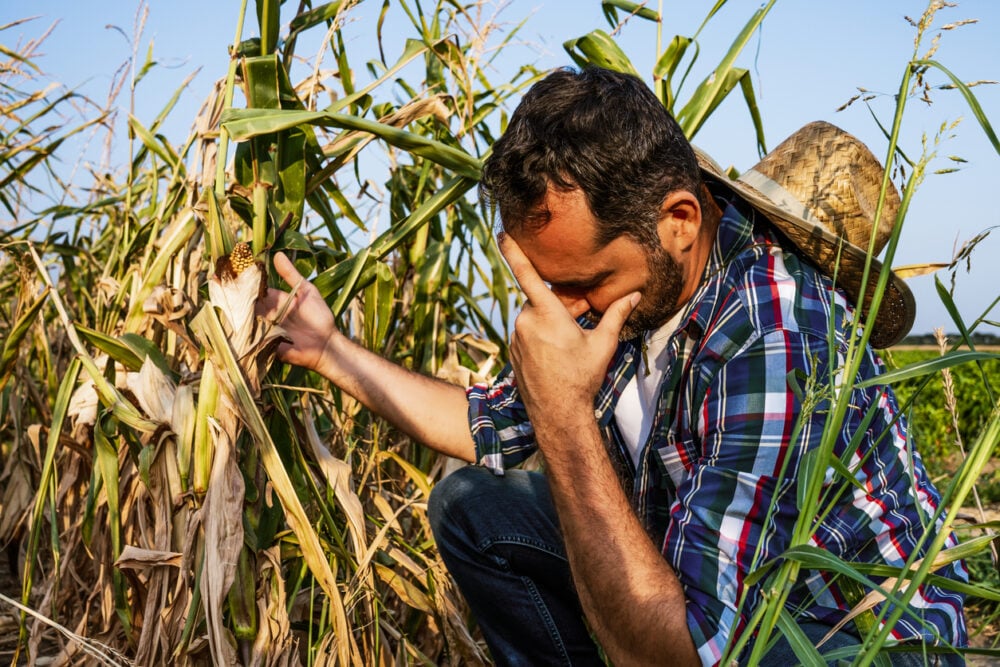
The Heartland was once seen as the country’s most dependable region—rich soil, stable weather, and a vast middle ground that fed the nation and buffered its coasts. But that image no longer holds. As the climate heats up, America’s interior is becoming less a sanctuary and more a flashpoint. Droughts drag on for months. Fire seasons don’t end. Crops wither. Communities burn. And still, the systems built around this land pretend it’s business as usual.

What’s unfolding isn’t a series of isolated weather events—it’s a transformation. Water tables are falling. Heat is rewriting planting calendars. The once-predictable rhythm of life in the Midwest and Great Plains is being replaced by volatility, scarcity, and fear. These aren’t distant threats. They’re already carving into the land that feeds and fuels the rest of the country. And the longer we ignore the warning signs, the deeper the damage gets.

Read more

10 Catastrophic Chain Reactions That Could Trigger Global Famine by 2050

Scientists are already warning us—and the clock is ticking.

©Image license via Canva

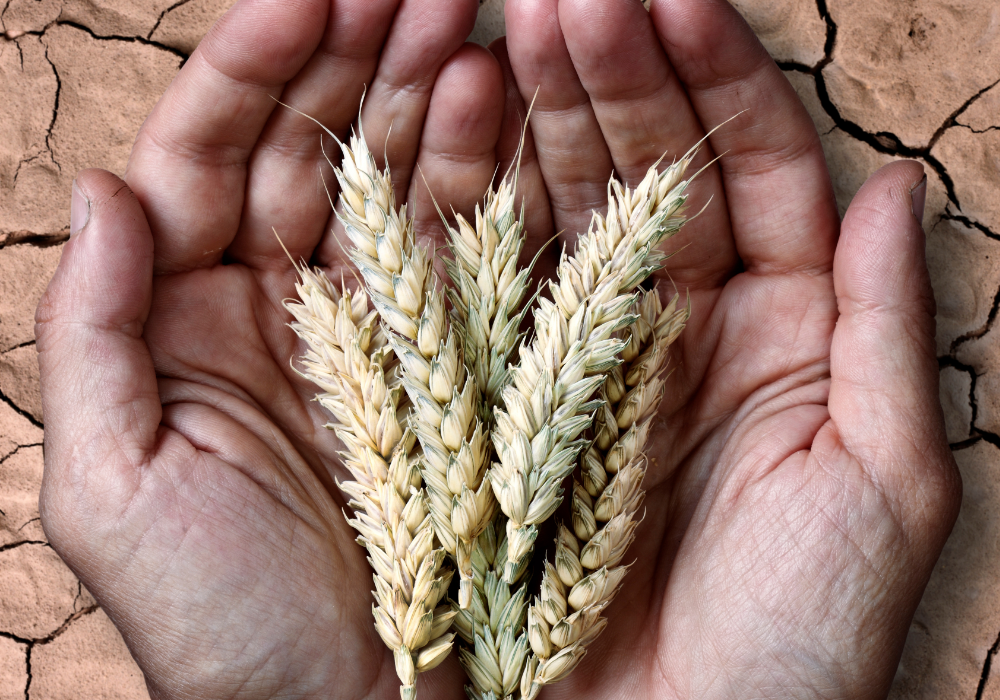
When people think of famine, they usually picture a single event—a drought, a war, a failed crop. But the kind of global famine experts are beginning to warn us about won’t start with one isolated disaster. It’ll come from a chain reaction. A drought that destroys crops. A heatwave that kills pollinators. A war that cuts off exports. A financial collapse that makes food too expensive to buy. These aren’t wild hypotheticals—they’re things already happening, sometimes all at once.

The global food system isn’t just stressed—it’s stretched to the breaking point. And because everything is so connected, one failure can trigger another, and another, until the whole thing comes undone. Experts are tracking these warning signs in real time, not theory. If the pieces keep falling like they are now, we won’t be able to act fast enough to stop what’s coming. The window to prevent collapse is still open—but it’s closing.

Read more

You’re Probably Overthinking Your Skincare—Here Are 12 Things That Actually Matter

Clear skin isn’t in the 10-step routine, it’s in the basics you keep ignoring.

©Image license via Canva

Skincare isn’t supposed to be this stressful. Somewhere between the $90 serums, ingredient jargon, and TikTok routines with more steps than a wedding dance, it stopped being self-care and turned into self-doubt. Everyone’s pushing “holy grail” products, and somehow your bathroom cabinet is full—but your skin’s still confused. The truth? Most of what actually makes a difference isn’t flashy, complicated, or even that expensive.

Clear, calm skin usually comes from doing less—but doing it consistently and with stuff that actually makes sense for your face. These aren’t magical hacks or celebrity-endorsed miracles. They’re the simple, boring, proven things that work. They don’t promise perfection, but they do give your skin a fighting chance without draining your wallet or your sanity. If you’ve been spiraling in skincare overload, this is your reminder to reset—and focus on what actually matters.

Read more

We Still Have Time—12 Ways to Cut Emissions Today

The clock is ticking, but your actions still count more than you think.

©Image license via Canva

It’s easy to feel powerless when you look at the scale of the climate crisis. Corporations pollute. Governments stall. Headlines make it sound like we’ve already missed our shot. But the truth? We’re not done yet. Every single action we take now still matters—especially when we stop waiting for someone else to fix it. You don’t need to live off-grid or go full minimalist to make an impact. You just need to start.

These aren’t abstract ideas or “someday” solutions. They’re things you can actually do right now—in your home, your kitchen, your commute, your conversations. Small choices add up, especially when millions of us are making them. It’s not about being perfect. It’s about momentum. Because the real shift starts when ordinary people take practical steps and refuse to give up.

Read more

From Activism to Aesthetic—10 Ways Social Media Watered Down the Message

When protest becomes performance, the algorithm always wins.

©Image license via Canva

Activism used to mean showing up, speaking out, putting something real on the line. Now? It’s often a perfectly timed post with the right filter and a caption that sounds just woke enough. Social media turned movements into moments—and while that visibility can be powerful, it also flattens things fast. What once demanded courage, action, and follow-through can now be reduced to a shareable graphic and a trending hashtag.

That’s not to say social media hasn’t done good. It absolutely has. But somewhere between the “allyship” infographics and the branded Black Lives Matter merch, the edge got dulled. The pressure to stay visible started outweighing the need to stay involved. Performative activism isn’t new—but the internet scaled it like never before. These ten points break down how online platforms blurred the line between awareness and actual accountability—and why that matters more than ever.

Read more

These 11 Snacks Feel Like Junk—But They’re Surprisingly Good for the Planet

Your favorite gas station snacks might be greener than your grocery haul.

©Image license via iStock

We tend to assume that sustainable eating has to look a certain way—farmers’ market veggies, unpackaged grains, maybe some homemade oat milk in a reused jar. But sometimes, the foods we write off as “junk” are actually pulling their environmental weight. Packaged snacks might not scream eco-conscious, but some are lower-impact than their healthy-looking counterparts. Especially when you factor in things like water use, emissions, and food waste.

Sustainability isn’t just about how something looks on a label. It’s about how it was grown, processed, and shipped. And surprisingly, some of the most accessible, affordable snack foods can come with a much smaller footprint than the kale chips and coconut yogurts crowding the wellness aisle. If you’ve ever felt guilty about reaching for a bag of pretzels instead of a raw vegan bar, it might be time to rethink the rules. These snack staples prove that sustainability can be found in unexpected places.

Read more

Waiting for Tech to Save the Planet? 10 Reasons That’s a Risky Bet

The longer we wait on breakthroughs, the more damage we lock in.

©Image license via iStock

It’s tempting to believe that the right invention will turn everything around. A miracle battery, a carbon-sucking machine, an algae-based fuel that powers the world without emissions. The promise of innovation is powerful—and in many ways, justified. But banking on tech alone to solve the climate crisis is like expecting an airbag to save you while flooring the gas. By the time it kicks in, the damage might already be done.

Real progress doesn’t come from invention alone. It comes from implementation, regulation, behavior change, and political will. And every year we wait for something “better” instead of doing what works now, we’re locking in more warming, more destruction, and more inequity. Tech can support the transition—but it’s no substitute for the action we’re avoiding.

Read more

10 Meditation and Affirmation Combos to Break Free from Negative Thinking

These simple practices quiet the chaos and rewire your self-talk.

©Image license via Canva

Some thoughts don’t just pass through—they stick. They loop. They turn up the volume on every insecurity until it feels like you’re stuck living inside the worst version of your own mind. Meditation helps you pause, but sometimes that silence gets loud too. That’s where affirmations come in. They’re not magic words—they’re gentle reminders that can help you rewrite the story looping on repeat.

Pairing meditation with affirmations isn’t about pretending everything’s perfect. It’s about creating space between your thoughts and your truth. It’s five minutes to come back to yourself. It’s saying something better out loud—even if you’re not sure you believe it yet. You don’t need incense or a cushion or a guru. Just a quiet spot, a few deep breaths, and one sentence to anchor you. These combos are small shifts—but practiced regularly, they help you think like someone who deserves peace.

Read more