
The longer we wait on breakthroughs, the more damage we lock in.

It’s tempting to believe that the right invention will turn everything around. A miracle battery, a carbon-sucking machine, an algae-based fuel that powers the world without emissions. The promise of innovation is powerful—and in many ways, justified. But banking on tech alone to solve the climate crisis is like expecting an airbag to save you while flooring the gas. By the time it kicks in, the damage might already be done.
Real progress doesn’t come from invention alone. It comes from implementation, regulation, behavior change, and political will. And every year we wait for something “better” instead of doing what works now, we’re locking in more warming, more destruction, and more inequity. Tech can support the transition—but it’s no substitute for the action we’re avoiding.
1. Carbon removal tech still doesn’t work at scale.
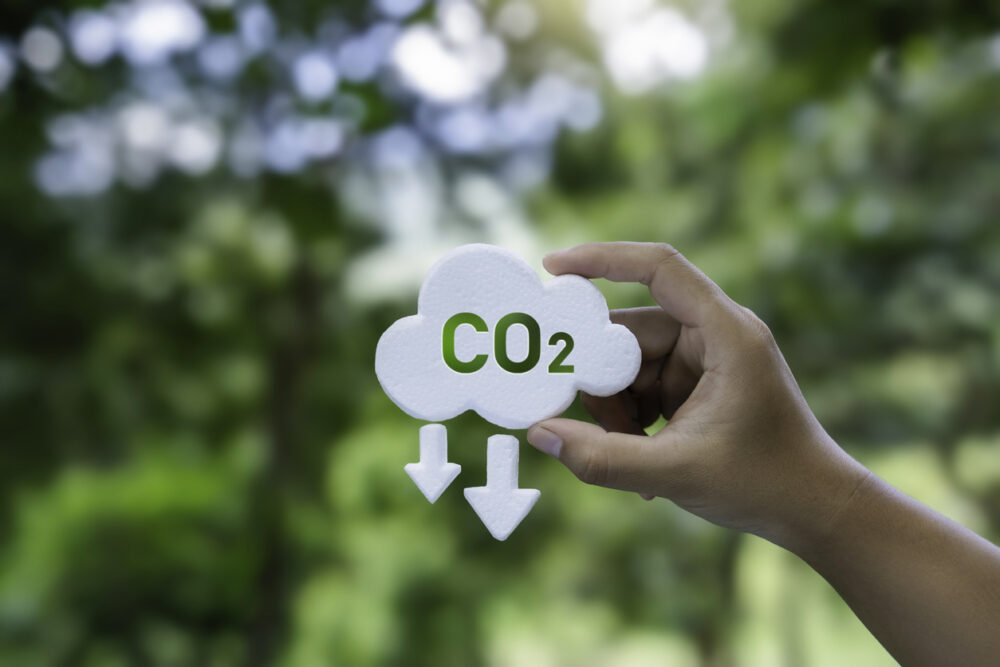
Direct air capture sounds like the dream—giant machines that vacuum carbon dioxide out of the atmosphere. But right now, the global capacity for this tech is a tiny fraction of what we need. Experts at the International Energy Agency note that current direct air capture plants remove around 10,000 tons of CO₂ per year, while global emissions top 35 billion.
The cost is another issue. Pulling carbon from the sky is energy-intensive and expensive, and the technology isn’t ready to scale fast enough to meet the targets laid out in international climate agreements. Some companies use carbon capture for enhanced oil recovery, which paradoxically leads to more fossil fuel production. While innovation continues, we can’t treat this as a cure-all. The numbers don’t support it yet—and betting our future on tech that barely exists is a dangerous delay tactic.
2. Waiting on electric everything won’t reverse emissions already released.
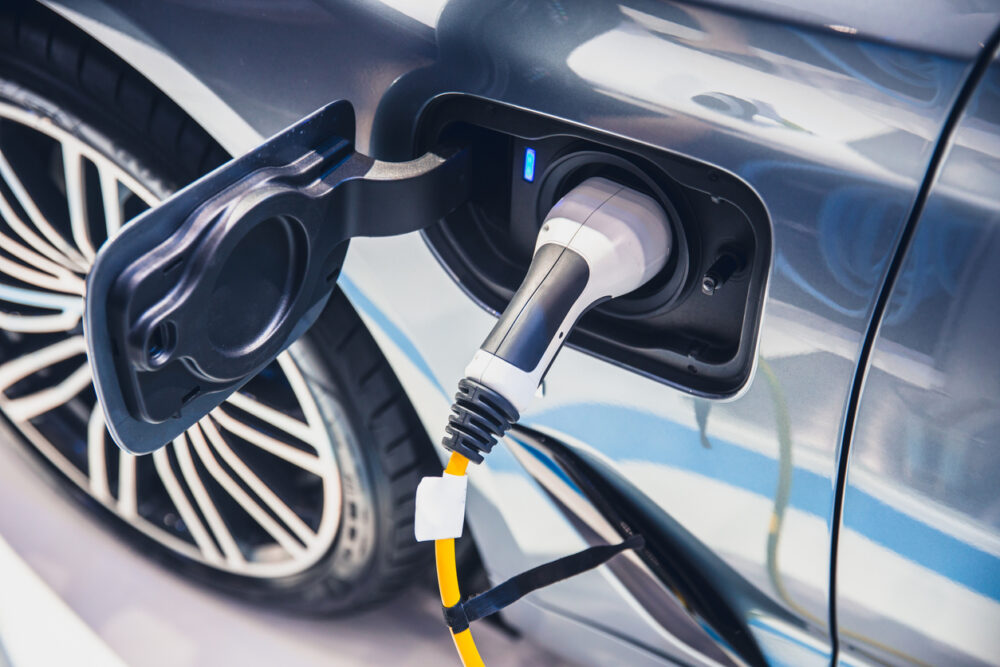
Electric vehicles, electric stoves, electric everything—they’re a key part of the transition. But they only reduce emissions going forward. They don’t undo the pollution we’ve already put in the atmosphere, oceans, and soil.
Officials at the Alternative Fuels Data Center point out that the emissions impact of electric vehicles depends heavily on the electricity mix in each region, which can vary from mostly coal to mostly renewable.
The other problem? Speed. Even with rising EV sales, the global vehicle fleet turns over slowly. Gas cars will still be on the road for decades. Infrastructure upgrades take time, and the minerals required for battery tech have their own environmental and geopolitical challenges. We need electrification—but we also need emissions reductions right now. That means cutting fossil fuels directly, not just hoping the clean tech pipeline moves fast enough.
3. Solar and wind can’t fix overconsumption.

Renewables are essential, but they don’t eliminate the consequences of excessive energy use. If demand keeps rising—especially in wealthier nations—then simply switching the power source won’t solve the deeper problem. Clean energy still requires land, labor, rare minerals, and infrastructure. And no source of energy is impact-free.
Writers at the International Energy Agency report that global energy demand jumped in 2024, and even as renewables expanded, fossil fuel use also increased to meet the surge. That’s because consumption keeps going up, and the energy mix can’t keep pace. Relying on solar and wind without addressing overuse leads to burnout on both sides—planetary and human. A livable future isn’t just about cleaner energy. It’s also about less energy, used more wisely, by fewer extractive systems. That’s a social shift, not a tech upgrade.
4. Geoengineering creates more unknowns than answers.

Blocking sunlight with particles. Altering clouds to reflect heat. Changing the Earth’s atmosphere on purpose. Geoengineering proposals sound like science fiction—and that’s because they largely are.
There’s very little real-world testing, and the unintended consequences could be catastrophic. We’re talking about changes that could alter weather patterns, shift rainfall, or impact global food systems. Supporters say it could buy us time, but that’s only true if it works—and we don’t yet know if it will. It also doesn’t address root causes like emissions or extractive economies. Instead, it’s a massive gamble with global side effects. If something goes wrong, we can’t take it back. Betting on geoengineering as a primary solution is like patching a sinking boat with duct tape and hoping for calm seas.
5. “Green” tech still relies on extractive industries.

Solar panels, wind turbines, electric cars—all require minerals like lithium, cobalt, and nickel. Extracting those materials often comes at a high cost: water depletion, ecosystem destruction, labor exploitation, and toxic waste.
Many of the communities impacted by mining are already vulnerable to climate change. The same patterns of resource extraction that created the climate crisis are now powering the so-called solution.
This doesn’t mean we shouldn’t build renewables. It means we can’t call the transition “clean” if it’s just shifting harm from one place to another. Ethical sourcing, reduced demand, and circular design must be part of the conversation. If we treat green tech like an unlimited fix, we risk replicating the same cycles of damage under a shinier name.
6. Delays justify inaction by framing the future as a fix.

When policymakers or corporations say they’re waiting for better technology, they’re often using that as a shield. “Not yet” becomes a strategy. It gives the illusion of progress while continuing business as usual. New pipelines get built. Fossil fuel subsidies continue. Emissions climb higher. But because a cleaner future is promised, accountability gets pushed aside.
This tactic shifts focus away from the urgent choices we need to make right now. It keeps the public calm, the markets stable, and the status quo intact. But the longer we delay, the harder the transition becomes—and the more brutal its impacts. Delaying action in the name of innovation doesn’t make the problem easier to solve. It makes it more expensive, more destructive, and more unfair to those who did the least to cause it. Inaction disguised as optimism is still inaction.
7. Tech can’t fix broken political systems.

No matter how smart the solution, it still has to pass through regulation, enforcement, and public buy-in. And that’s where things get stuck. A carbon tax can be written in a day. But in reality, it gets watered down, blocked, or killed by lobbyists. Entire nations agree to climate treaties, then ignore their own pledges. Innovation can’t solve gridlock. Many of the most effective tools we already have—public transit, insulation, emissions caps—are held back not by a lack of ideas, but by a lack of political courage.
Hoping for better tech sidesteps the uncomfortable truth: our systems are built to serve profit, not people. Until that changes, even the best climate tools risk becoming window dressing. The problem isn’t that we’re waiting on better tech. It’s that we’re using that wait to excuse a failure to act.
8. Vulnerable communities can’t afford to wait.

While wealthy nations invest in futuristic solutions, frontline communities are already living with the fallout of rising seas, toxic air, drought, and displacement. The people hit first and hardest by climate change are often the last to see the benefits of innovation. Tech that’s too expensive, too slow, or too inaccessible won’t reach the people who need help now.
Delays hurt unevenly. When solutions are postponed, it’s not billionaires or fossil fuel execs who suffer. It’s coastal cities, Indigenous communities, essential workers, and regions already pushed to the edge. These groups don’t need a high-tech solution in five years. They need infrastructure, protection, and justice today. Climate action that starts with the most impacted will always do more than one that waits for a perfect product to save the masses.
9. Many solutions already exist—they’re just not being used.

Insulating buildings, rethinking agriculture, protecting forests, reducing food waste, regulating industry—none of this requires futuristic technology. These solutions are available, scalable, and well-documented. But they’re often ignored because they’re not flashy.
They don’t attract venture capital. They don’t offer billion-dollar patents or Silicon Valley buzz. Instead of glamorizing the next invention, we should be scaling what works. That includes low-tech solutions rooted in Indigenous knowledge, circular economies, and local resilience.
Often, these approaches are more effective and more just than the tools being hyped in boardrooms. We don’t need to wait for innovation. We need to stop pretending that better tech will save us from the hard, necessary choices we’ve been avoiding.
10. Every delay locks in more irreversible damage.

The climate system works on lag. What we emit today won’t show its full impact for decades. That means every delay—even by a year or two—locks in harm that future generations will have no way to undo. Melting permafrost, collapsing ice sheets, coral die-offs, mass extinctions—these tipping points don’t come with reset buttons. Believing that future tech will reverse all this ignores how permanent some damage really is.
Forests lost to wildfires won’t regrow overnight. Species gone extinct won’t come back. Sea level rise won’t reverse with a better battery. We’re not just facing climate change. We’re facing time. And it’s moving faster than innovation can keep up. The only real solution is action now—not just invention later.