Your Thoughts Aren’t Facts—13 Reasons to Tune Them Out and Feel Better

Revolutionize your well-being by understanding why your thoughts aren’t always what they seem.

©Image license via iStock

You know that relentless voice in your head, the one that whispers doubts, replays mistakes, or spins endless “what if” scenarios? It’s easy to get caught in its web, treating every passing thought as gospel truth. But what if I told you that your thoughts aren’t always facts, and believing them blindly could be contributing to your stress, anxiety, and even unhappiness?

We’re often taught to analyze our thoughts, to dig deep into every feeling, but sometimes, the most liberating thing you can do is simply acknowledge a thought and let it pass by. Imagine gaining the power to observe your mental chatter without getting tangled in it, like watching clouds drift across the sky. This isn’t about ignoring your emotions or suppressing important insights; it’s about recognizing that many of the stories your mind tells you are just that—stories, not concrete realities. Tuning out the incessant noise of your thoughts can profoundly transform your well-being, helping you feel lighter, clearer, and truly more at peace.

Read more

The Vagus Nerve Secret—11 Simple Ways to Unlock Your Body’s Calming Superpower

Discover how stimulating this hidden nerve can melt away stress and boost your mood instantly.

©Image license via iStock

You know that constant buzz of stress, the feeling of being perpetually on edge, or that anxious knot in your stomach? What if I told you there’s a built-in superpower inside your own body, a secret weapon you can activate to melt away that tension and find profound calm? It’s not some new supplement or an extreme detox; it’s an ancient nerve that holds the key to your entire nervous system.

For too long, we’ve focused on external fixes for internal turmoil, overlooking the incredible healing potential that lies within us. Imagine being able to flip a switch that shifts you from fight-or-flight mode to a state of deep relaxation, boosting your mood, digestion, and even your immune system. This isn’t just wishful thinking—it’s the power of your vagus nerve. Often called the “wandering nerve” because it stretches from your brainstem all the way to your abdomen, it plays a critical role in regulating nearly every internal organ and directly influences your well-being. Get ready to discover 11 simple, yet incredibly effective ways to tap into this calming current and unlock a healthier, happier you.

Read more

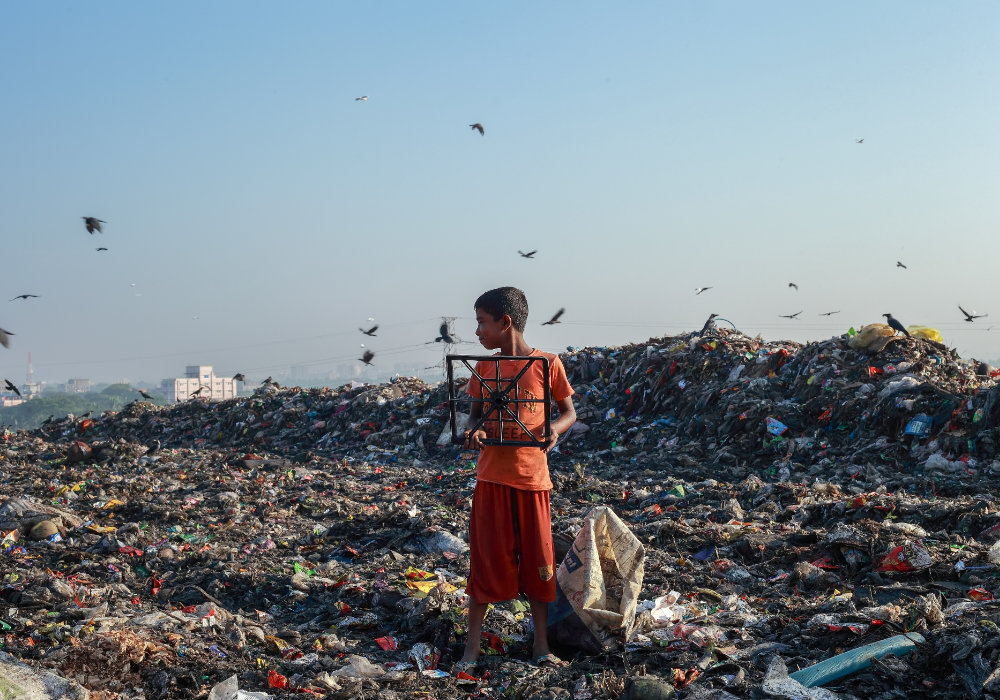
The Earth Remembers Everything—These 10 Objects Leave a Trace

Long after we forget, the planet is still holding what we left behind.

©Image license via Canva

The items we use every day rarely feel significant. A straw, a receipt, a grocery bag—they serve a function, then disappear. Or so it seems. In reality, most of these objects are still out there. Sitting in landfills. Floating in rivers. Breaking down into particles that enter the soil, the water, and eventually, the food chain. The convenience was temporary, but the impact is not.

It’s easy to overlook this when so much waste is whisked away from view. But even the most ordinary objects leave marks that last generations. Some will take centuries to degrade. Others will release toxins along the way. And nearly all of them could be replaced—or avoided altogether. This isn’t about guilt. It’s about paying closer attention to what sticks around after we’re done with it. Because while we move on, the earth does not forget.

Read more

These 12 Destinations Are Stunning—But Tourists Are Wearing Them Down

The most beautiful destinations on earth are being pushed closer to collapse.

©Image license via Canva

Everyone wants to see the world’s most breathtaking places before they change forever. The problem? They’re changing because everyone wants to see them. Instagram-worthy views, viral travel lists, and cheap airfare have turned once-pristine destinations into overcrowded, over-trafficked hotspots. What used to be rare experiences have become nonstop lines of tourists jockeying for the perfect photo while fragile ecosystems buckle under the pressure.

It’s easy to forget that these places weren’t designed to handle millions of people year after year. Trails erode, wildlife flees, locals get priced out, and entire ecosystems start to break down. The damage isn’t always dramatic or immediate, but it adds up fast. These 12 destinations are still stunning, but every extra footprint pushes them a little closer to the breaking point—and unless something changes, they won’t stay beautiful much longer.

Read more

10 Ways Your Brain Still Thinks It’s in Danger Even When Your Body Isn’t

Every stressful moment you face feels bigger because your brain is wired for ancient threats.

©Image license via Canva

Your brain’s got some outdated software running in the background. It means well—it’s just stuck in survival mode designed for a world that doesn’t exist anymore. Back when predators lurked in the dark and every decision could mean life or death, this wiring kept your ancestors alive. But today? That same system fires off alarms over things like unread emails, awkward conversations, and unexpected bills.

The problem isn’t that you’re weak or overly sensitive—it’s that your brain still reacts like every small threat could spiral into disaster. It floods your body with stress hormones, tightens your muscles, and hijacks your thoughts, even when no actual danger is present. The world has changed faster than your nervous system has evolved, and that mismatch quietly wears you down in ways you may not even notice.

Read more

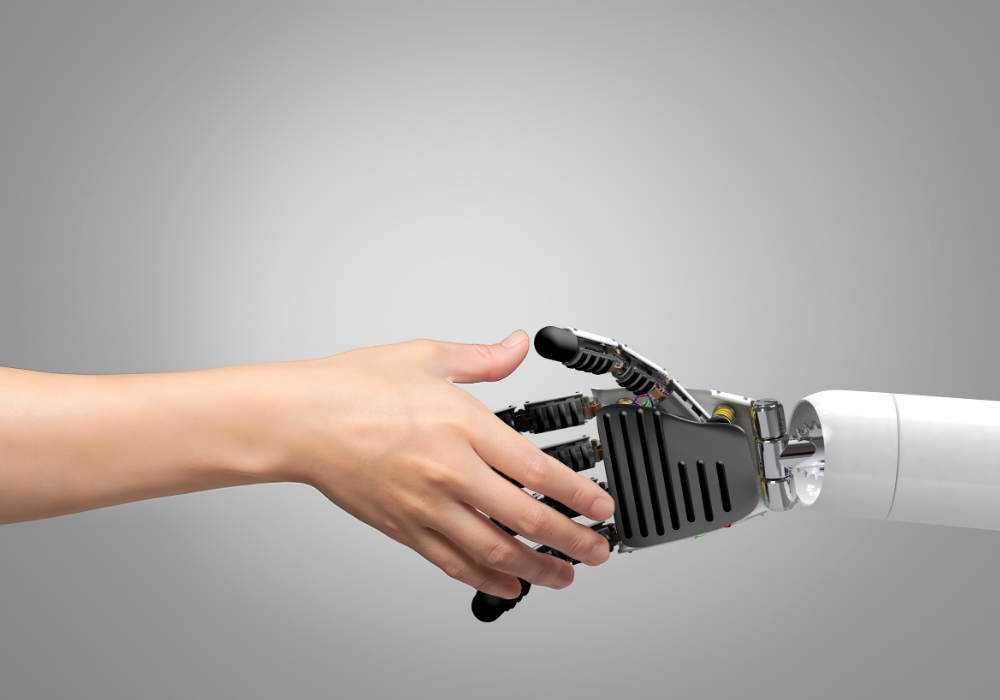
We Called It the Future—These 11 Technologies Are Already Replacing Us

Entire industries are being transformed as algorithms take over roles once held by people.

©Image license via Canva

There was a time when all this tech sounded exciting. Smarter machines, faster software, endless automation—it was supposed to make life easier. And in some ways, it has. But while everyone was celebrating “the future,” something bigger was happening behind the shiny gadgets and apps. The same technology designed to boost productivity has quietly started replacing the people who used to do the work.

It’s not some distant threat. It’s here, right now. AI writes articles, robots stock warehouses, algorithms scan resumes, and virtual assistants answer phones. Entire careers that once seemed untouchable are vanishing or being hollowed out. Companies love the efficiency. Workers, not so much. The future didn’t sneak up on us—it sprinted in while everyone was busy downloading the next update. These 11 technologies aren’t theoretical anymore. They’re already rewriting the job market faster than anyone expected.

Read more

You’re Living in the Debris of Convenience—Here Are 12 Ways to Dig Out

All that ease came with a cost—and you’re the one left cleaning it up.

©Image license via Canva

That takeout container, that Amazon box, that half-used gadget gathering dust—none of it felt like a big deal when it showed up. But convenience has a way of snowballing. One quick solution becomes a daily habit, and before long, you’re surrounded by things designed to save time that somehow stole your peace. The mess isn’t just physical. It clutters your schedule, your mind, your planet. And it didn’t happen overnight.

This isn’t about shame. It’s about noticing the systems that made the mess in the first place. The single-use mindset. The overwork that makes you lean on shortcuts. The design of everything from packaging to lifestyle that values speed over sustainability. Digging out isn’t just about tidying—it’s about asking better questions. Who benefits from your convenience? Who pays for it? And how can you start living in a way that feels lighter, clearer, more intentional?

Read more

10 Things You Pay For Because Corporations Won the War on Public Life

You’re not paying for extras—you’re paying for what used to be free.

©Image license via Canva

Once, the basics of life were part of a shared agreement. Public benches. Water fountains. Clean parks. Buses that showed up on time. Schools stocked with what kids needed. You didn’t have to buy your way into comfort, safety, or connection—because the infrastructure existed for everyone. But that version of public life has been quietly dismantled, piece by piece, until what was once free now comes with a monthly fee or a brand name.

Corporations didn’t just fill in the gaps—they created them. As public funding shrank and services faltered, private companies stepped in to offer “solutions” that were really subscriptions. The more public systems fail, the more you’re told to rely on personal spending to meet your needs. What feels like convenience or innovation is often just privatization in disguise. If you’ve ever wondered why everything suddenly costs more, the answer might be hiding in plain sight.

Read more

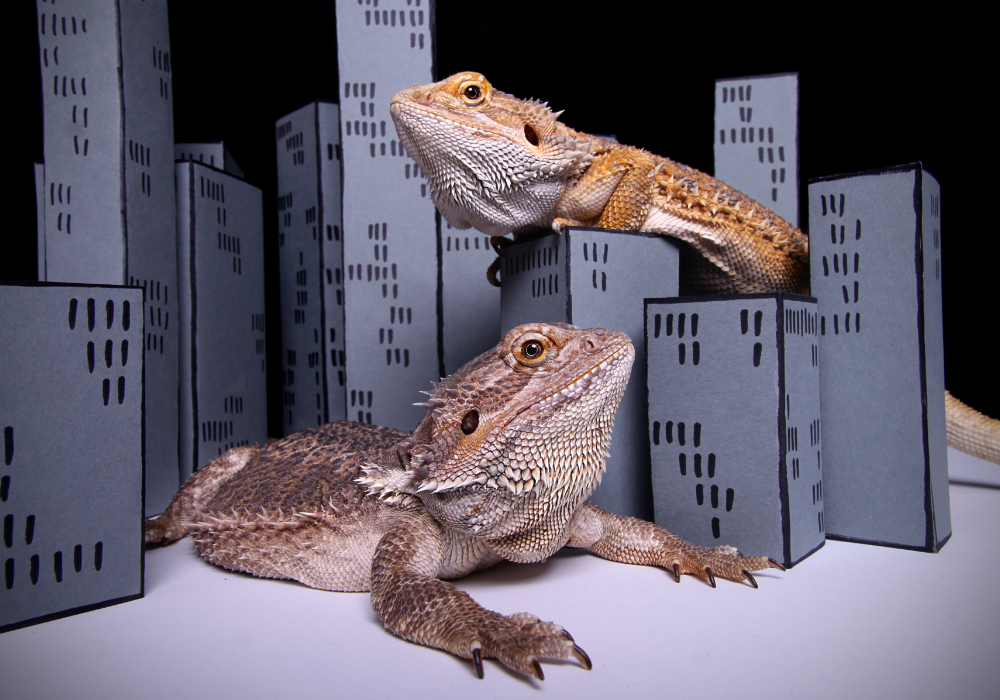
These 11 Creatures Are Adapting to Cities in Strange and Terrifying Ways

Concrete jungles are breeding creatures we barely recognize.

©Image license via Canva

Urban life was never meant for wild animals. But as natural habitats vanish, more species are moving in—and not just surviving, but changing. Some are getting smarter. Some are getting bolder. Others are developing traits we haven’t seen before. These aren’t the same animals that once stayed on the outskirts. They’re evolving alongside us, shaped by trash, traffic, concrete, and noise.

It’s easy to think of cities as human spaces, with animals pushed to the margins. That’s no longer the case. Pigeons build nests in traffic lights. Coyotes slip through side streets at night. Rats outsmart bait stations, and raccoons learn to open locked bins. But the changes go deeper than behavior. City life is altering diets, immune systems, reproduction, and even brain structure. These animals are becoming urban creatures in every sense—adapted to our chaos and sometimes thriving in it. The question now isn’t just how we live with them. It’s how they’ll keep changing.

Read more

12 Foods Your Heart Doctor Would Never Touch—and You Shouldn’t Either

These 12 foods are a one-way ticket to heart disease, according to top cardiologists.

©Image license via iStock

You won’t believe what your heart doctor secretly avoids eating—and for good reason! We all want to keep our hearts healthy, but with so much conflicting advice out there, it’s easy to feel lost. You might think you’re making good choices, dutifully reaching for what you believe are “healthy” options, only to discover they could be silently sabotaging your ticker. What if some of the foods you regularly enjoy are the very culprits behind heart troubles, despite their innocent appearance?

It’s time to pull back the curtain on those sneaky dietary dangers. Forget the generic advice you’ve heard a thousand times. Instead, imagine having a candid conversation with a top cardiologist, asking them directly, “What do you refuse to put on your plate?” This isn’t about extreme diets or deprivation; it’s about empowering you with knowledge. You’ll learn which common foods are red flags for heart health, giving you the power to make informed decisions that genuinely protect your most vital organ. Get ready to transform your understanding of what truly nourishes—and harms—your heart.

Read more