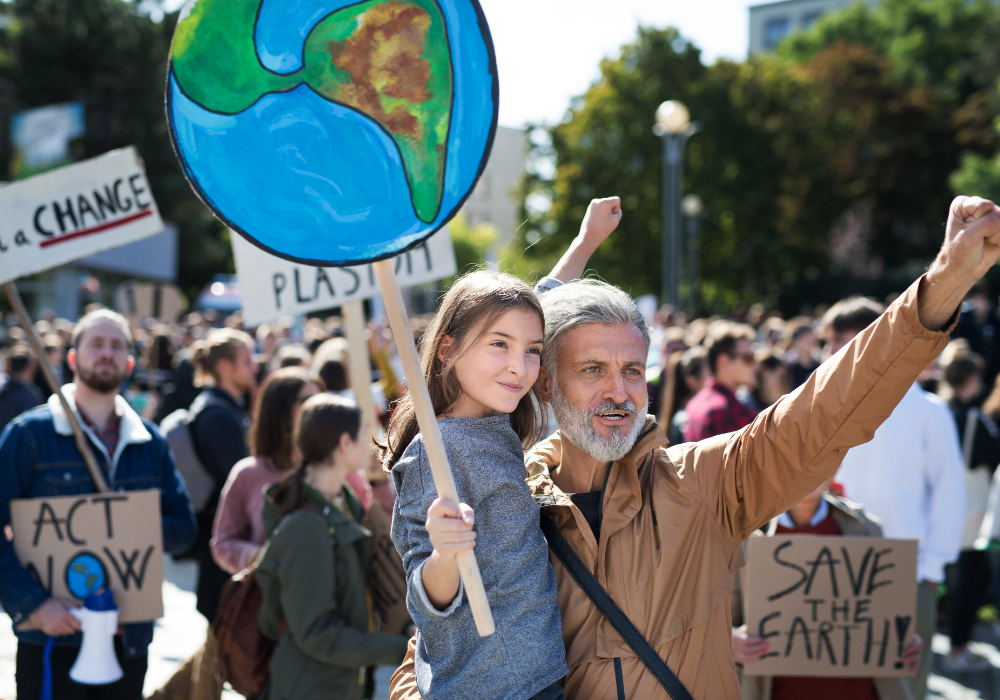
You Don’t Have to Be “Soft” to Care—Here Are 10 Bold Acts of Eco Resistance

The future depends on people who are willing to risk comfort for real change.
©Image license via Canva

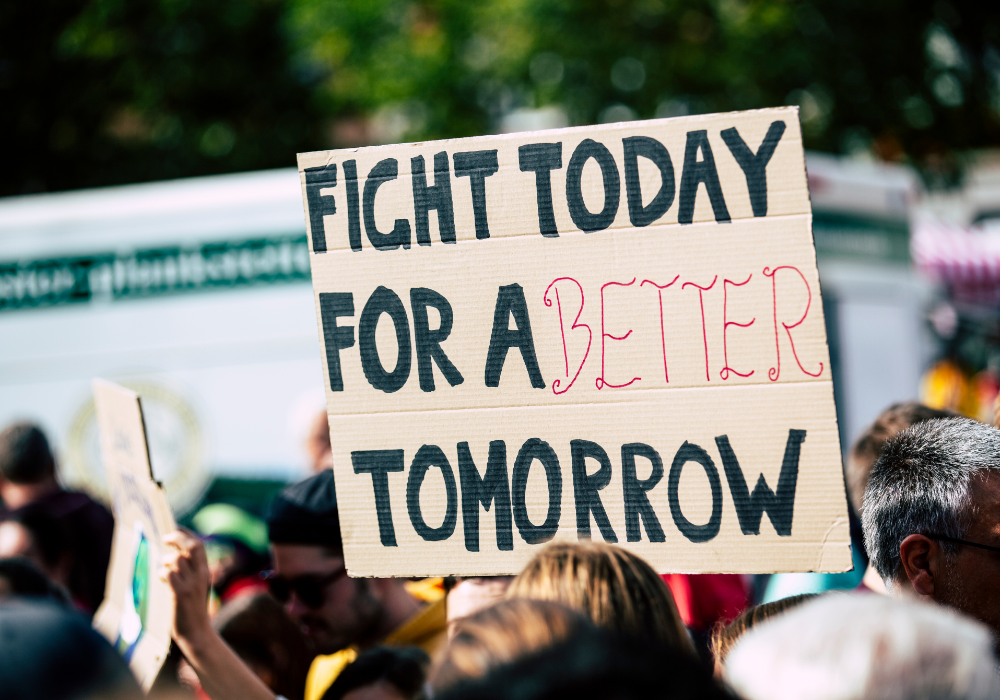
Eco-resistance isn’t about sipping from a reusable straw or feeling superior about your compost bin. It’s about standing up to a system that profits from destruction. The corporations wrecking ecosystems aren’t slowing down because you remembered your tote bag. Real change takes guts—it means disrupting the comfortable routines that allow industries to keep cashing in while the planet burns.

This isn’t the feel-good version of environmentalism. It’s not about being perfect—it’s about being brave enough to make noise, push back, and take risks. The people willing to fight dirty industries, call out greenwashing, and demand actual accountability are the ones making a real difference. If you’re tired of being told “every little bit helps” while oil companies rake in billions, these bold acts of eco resistance are for you.

Read more

13 Deep Insecurities That Almost Everyone Secretly Carries

Most people never talk about these insecurities, but they affect almost everything they do.

©Image license via iStock

You might look at someone’s seemingly perfect life—their confident smile, their effortless success, their polished social media—and feel a twinge of inadequacy. It’s easy to believe that everyone else has it all figured out, while you’re secretly battling a host of personal demons. But what if I told you that beneath those carefully constructed exteriors, almost everyone is wrestling with their own quiet anxieties and self-doubts?

We live in a world that often demands perfection, creating immense pressure to appear strong, capable, and completely secure. This makes us hide our vulnerabilities, fearing that any crack in our facade will expose us as uniquely flawed. But the truth is, many of the insecurities you feel are universal human experiences, secretly carried by countless others. Get ready to peel back the layers and recognize the shared humanity in our struggles.

Read more

These 11 Wildlife Changes Are Happening Right Outside U.S. Suburbs

Wild animals are quietly rewriting the rules of your neighborhood.

©Image license via Canva

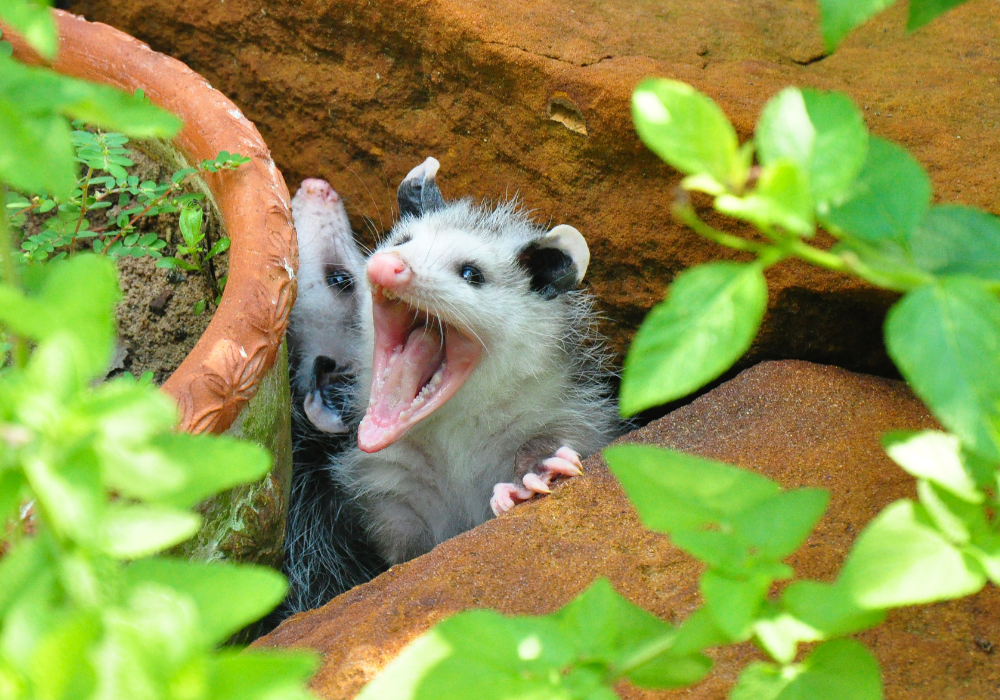
Suburbs were supposed to be the safe middle ground—close enough to nature to feel peaceful but far enough to avoid wild encounters. That illusion is fading fast. As climate shifts, forests shrink, and cities expand, wildlife isn’t waiting politely at the edge anymore. Animals are adapting on the fly, turning neatly trimmed neighborhoods into new hunting grounds, nesting sites, and feeding zones. The line between backyard and wilderness gets blurrier every year, even if most people don’t realize it.

While you’re sipping coffee on the porch, creatures you barely notice are rewriting the survival rulebook. Some are learning to thrive on your leftovers, while others are creeping in under cover of darkness. What used to be rare sightings are becoming regular neighbors. Nature’s not retreating—it’s getting creative. And these 11 changes aren’t happening somewhere else—they’re happening right outside your front door.

Read more

This Is Why You Always Feel Tired—11 Habits That Quietly Drain You

What feels normal might be the reason you’re always running on empty.

©Image license via iStock

There’s tired, and then there’s whatever this is. The kind of exhaustion that doesn’t go away with a nap or a good night’s sleep. You wake up tired, go through the day tired, and crash into bed already dreading tomorrow. Sound familiar? You’re not alone—and you’re probably not lazy either. What’s really happening is quieter, sneakier, and way more common than most people realize.

Some of the most draining habits don’t feel harmful at all. They’re built into your routine, dressed up as productivity, or disguised as rest. But over time, they chip away at your energy until even basic tasks feel like a marathon. It’s not always about needing more sleep—it’s about figuring out what’s silently stealing your energy in the first place. These 11 habits might feel normal, but they’re running your internal battery down without warning.

Read more

Fathers Are Asking Different Questions Now—Here Are 12 That Truly Matter

It’s not about being the provider anymore—it’s about being present.

©Image license via iStock

The idea of a good dad used to be simple: bring home a paycheck, show up to the big games, maybe teach your kid how to ride a bike or fix a tire. That was enough. Or at least, it was supposed to be. But something’s shifted. Today’s fathers aren’t just following inherited scripts—they’re rewriting them. They’re questioning what it means to raise a whole human, not just support one. They’re asking how to nurture, not just provide.

It’s not always easy. Many were raised in households where emotions were private, discipline was rigid, and vulnerability wasn’t modeled—let alone accepted. But a new kind of fatherhood is emerging, shaped less by tradition and more by intention. The questions dads are asking now go deeper than logistics or discipline. They’re about identity, healing, connection, and legacy. And the answers are reshaping what fatherhood looks like—for good.

Read more

Your Child Will Inherit the Climate You Ignored—Here Are 10 Ways to Shift That Now

Today’s habits will shape the conditions your children grow up in.

©Image license via Canva

Climate change isn’t waiting for some distant tipping point—it’s already reshaping everyday life. What was once considered extreme has started to feel routine: hotter summers, unpredictable seasons, damaged crops, smoky air. And while adults have spent years debating solutions, children are growing up in the aftermath of delay. The systems they’ll rely on are already being tested, from food security to clean water to the stability of housing and jobs.

This isn’t just about guilt or responsibility. It’s about recognizing how much is still within reach. The decisions made today—by individuals, families, communities—will set the stage for what’s possible in the next few decades. While no single action can reverse the damage, small changes, multiplied across households, do shift the trajectory. And when those changes reflect care for future generations, they carry more than practical value—they carry meaning.

Read more

12 Unexpected Things That Happen When You Stop Buying Things You Don’t Need

Unlock a richer, more meaningful life by breaking free from the urge to constantly acquire.

©Image license via iStock

You know that fleeting thrill of buying something new, followed by the inevitable guilt, clutter, or the realization that you didn’t really need it in the first place? We live in a world constantly whispering, or rather, shouting, at us to consume more, often leaving us feeling overwhelmed by possessions and perpetually wanting more. But what if the key to a richer, more fulfilling life wasn’t about adding, but about subtracting?

Imagine the freedom of a lighter home, a healthier bank account, and a clearer mind, all achieved by simply opting out of the endless cycle of acquiring things you don’t genuinely need. This isn’t about deprivation or living without; it’s about intentionality and recognizing the true value in experiences, relationships, and well-being over material accumulation. Surprising transformations that occur when you embrace a lifestyle of conscious consumption, proving that less truly can be more.

Read more

These 11 Health Fads Are Just Fancy Bottles of Nope—Don’t Waste Your Money

Every flashy health trend offers promises it rarely delivers on.

©Image license via Canva

The wellness world loves to act like your body is a broken machine desperately in need of expensive upgrades. Smoothie powders, miracle drops, wearable gadgets, detox kits—each promising to finally unlock the health you somehow never had. It’s slick, it’s shiny, and it’s everywhere. But behind the influencer posts and perfect packaging, most of these trends have one thing in common: they don’t work nearly as well as they claim.

The sad truth? The wellness industry isn’t selling results—it’s selling insecurity. If you’re constantly told you’re tired, bloated, sluggish, or toxic, you’re more likely to drop $59.99 on a pretty jar of hope. And every time one fad fades, a new one pops up to replace it. Before you load up your cart with the next “breakthrough,” take a closer look at these overhyped health scams that are draining your wallet and delivering absolutely nothing.

Read more

Biohacking Is a Scam—10 Reasons You Should Avoid the Hype

Every “upgrade” comes with risks that influencers conveniently leave out.

©Image license via Canva

It sounds seductive, doesn’t it? Unlock hidden energy. Sleep like a superhuman. Reverse aging. Optimize your brain, your gut, your entire existence—all with a few gadgets, pills, and protocols. Biohacking promises shortcuts to peak performance while making you feel like you’re just one supplement away from becoming a next-level version of yourself. But behind the shiny marketing, most of these “hacks” are expensive experiments dressed up as solutions.

The truth is, biohacking isn’t some underground revolution—it’s a booming industry that profits off your insecurities. Many of these so-called upgrades have little science to back them up, come with serious risks, or simply don’t work at all. While influencers brag about cryo chambers and nootropics, the actual benefits are often overblown. You’re not hacking your biology—you’re just throwing money at half-baked promises with very real consequences nobody talks about.

Read more

NASA Drops 11 Critical Climate Bombshells—And the Clock Is Ticking

This isn’t a drill: NASA’s top scientists just delivered a dire climate update, and its implications are massive.

©Image license via iStock

NASA issued its latest report on climate change findings on June 17, 2025. This report, based on newly released data from NASA’s GRACE satellite, highlights a dramatic increase in the intensity and frequency of extreme weather events—such as floods and droughts—over the past five years, with last year’s events nearly twice as intense as the 2003–2020 average warnings about our changing climate. The findings are still undergoing peer review but align with previous NASA studies linking global warming to more severe and frequent extreme weather. 

While climate discussions can sometimes feel abstract or distant, NASA’s latest findings are bringing the reality home with startling clarity. These are unbiased scientific observations, gathered over decades, now painting a picture that demands immediate attention. This isn’t speculation; it’s what happens when you have the best eyes in the sky constantly observing our planet’s vital signs. The insights they’re sharing are critical, leaving no room for doubt about the challenges we face and the urgency of our response.

Read more