The Earth Doesn’t Want More Stuff—These 12 Minimalist Habits Actually Help

Buying less does more to help the environment than any trendy eco-friendly product ever will.

©Image license via Canva

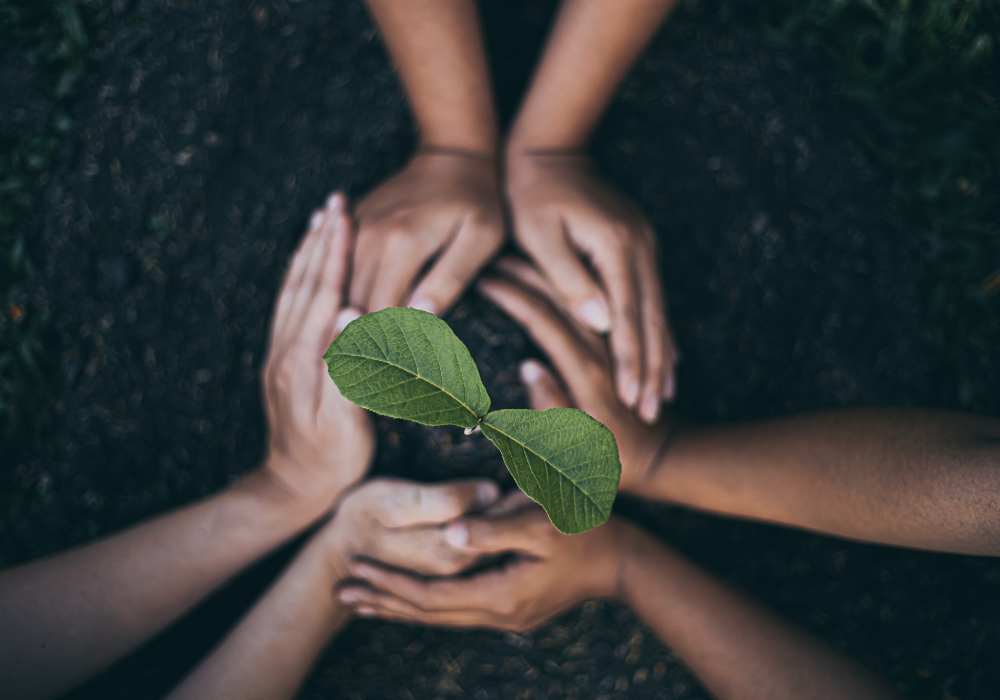
Minimalism gets framed as an aesthetic—a tidy room, neutral colors, carefully curated shelves—but at its core, it’s something much more powerful: refusing to feed the endless consumption machine. The planet isn’t drowning because people bought the wrong kind of reusable water bottle. It’s drowning because we’re all buying way too much of everything, all the time. Even the most “eco-friendly” products still require raw materials, energy, and waste just to exist.

Real environmental impact starts when consumption slows down altogether. Every purchase avoided is one less factory running, one less shipment crossing oceans, one less pile of waste heading to a landfill. The earth doesn’t need better products; it needs less demand. These 12 minimalist habits don’t just make your life simpler—they cut straight into the root of the problem and help the planet where it actually counts.

Read more

12 Everyday Ways Traditional Cultures Stay Sustainable Without Even Trying

These time-tested habits put modern sustainability to shame.

©Image license via Canva

We act like sustainable living is some new, cutting-edge thing—solar panels, bamboo everything, and TikToks about reusing oat milk jars. But long before eco-friendly was a buzzword, traditional cultures around the world were living in deep, practical harmony with the planet. Not for likes. Not for branding. Just because it made sense. They used what they had, wasted very little, and stayed rooted in systems that actually worked—for both people and the environment.

What’s wild is how modern life treats these habits like revolutionary ideas, when in reality, they’re old truths we walked away from. We traded simplicity for convenience, and now we’re drowning in stuff and scrambling to reverse the damage. But we don’t have to reinvent the wheel. The wisdom is still out there—in villages, tribes, and rural communities that never stopped living with care. It’s not about going backward. It’s about remembering what we forgot.

Read more

Rest Doesn’t Always Feel Good at First—Here Are 10 Times It Got Misread as Boredom

Stillness can feel uncomfortable when your body is used to survival mode.

©Image license via Canva

Periods of stillness can bring surprising discomfort. After long stretches of managing stress, pushing through tasks, or navigating social demands, a sudden pause might feel more unsettling than peaceful. Instead of relief, there’s restlessness. Instead of clarity, there’s a strange sense of absence. It can be easy to mistake this tension for boredom or aimlessness, but more often, it’s the nervous system adjusting to the absence of adrenaline. When urgency has been a constant companion, calm can feel unfamiliar—almost unsafe.

Many people interpret this unease as a sign they’re doing something wrong. They may fill the quiet with distractions, assuming their discomfort means they’re lazy or undisciplined. In reality, this reaction is common in the early stages of real rest. It takes time for the body and mind to relearn how to settle without a looming task. What feels like boredom is often recovery in progress, arriving awkwardly but with purpose.

Read more

More Mask Than Mirror—10 Reasons You Feel Disconnected From Your Digital Self

Your online presence was supposed to reflect you, but it’s starting to replace you.

©Image license via Canva

Online life was once about connection. People found pieces of themselves in blogs, forums, and DMs. For many, it became a space to feel more seen than in their own homes. But somewhere along the way, what once felt expressive became performative. It wasn’t just about sharing anymore—it became about curating, optimizing, and feeding an algorithm. The result? A digital self that looks vibrant from the outside but feels hollow inside.

This isn’t simply about tech overload or screen time. It’s about identity erosion. The slow drift between who someone is and who they’re expected to be online leaves a quiet ache behind. Posts are polished. Replies are fast. And still, there’s a strange numbness in the quiet moments when the screen goes dark. When digital life begins to define real life, it becomes harder to tell which version is actually in charge.

Read more

The Sacred Isn’t Always Shiny—These 11 Everyday Things Were Once Holy

Objects we overlook today once carried prayers, rituals, and power.

©Image license via Canva

It’s easy to forget how much meaning an object can hold when we’re surrounded by mass production and endless duplicates. But throughout history, the most ordinary tools and materials weren’t just functional—they were sacred. Their shapes, uses, or origins linked them to something larger: cycles of nature, stories of creation, ancestral memory. These weren’t just symbols; they were living parts of ritual and reverence.

Over time, as belief systems shifted and modern life sped up, much of that symbolism faded. What once carried protection, fertility, or divine connection now fills junk drawers or sits on shelves unnoticed. Yet in old stories, regional traditions, and archaeological finds, those meanings still flicker. From salt to mirrors to thread, the sacred has long lived in places we now ignore. Rediscovering that history doesn’t mean we have to return to the past—but it can shift how we see the things we touch every day.

Read more

You Thought Going Off-Grid Was Eco-Friendly—These 12 Choices Say Otherwise

Some off-grid solutions quietly cause more harm than staying connected ever would.

©Image license via Canva

The fantasy is everywhere: unplugging from the system, living in harmony with nature, shrinking your footprint by walking away from the grid entirely. And sure, parts of it sound great. But the off-grid dream isn’t always as eco-friendly as it’s marketed. In fact, a lot of people trying to “escape” modern life accidentally create bigger environmental messes than they ever faced while living conventionally.

Cutting ties with public utilities means taking full responsibility for every resource you use—and many solutions end up trading one set of problems for another. Clearing land, burning fuel, overconsuming natural materials, and relying on unsustainable hacks quickly add up. What looks like green living on the surface sometimes hides serious damage underneath. The truth is, living sustainably isn’t about disappearing into the woods. It’s about choices—and some off-grid choices are anything but green.

Read more

11 Habits That Are “Normal” in America—and Unsustainable Everywhere Else

The American way of life hides environmental costs that most people never think about.

©Image license via Canva

What feels routine in America would be completely unsustainable if everyone on the planet lived the same way. The wide highways, the giant homes, the endless shopping, the takeout containers—none of it seems extreme when you’re surrounded by it every day. But these habits quietly burn through resources at a rate most countries couldn’t even attempt without running out of land, water, and energy.

The problem isn’t any one person’s choices—it’s the scale. When entire industries are built on cheap energy, mass production, and disposable everything, everyday life becomes a slow-moving environmental disaster. The luxuries that feel normal here rely on global supply chains, hidden pollution, and staggering amounts of waste. These 11 habits might feel like basic conveniences, but they represent consumption levels that simply wouldn’t work if the whole world followed America’s lead.

Read more

You Call It Wildlife Management—But These 10 Policies Quietly Erase Entire Species

Policies that claim to protect nature often push vulnerable species closer to extinction.

©Image license via Canva

Wildlife management sounds noble on paper. It’s marketed as the science of keeping ecosystems healthy, balancing predator-prey relationships, and protecting endangered species. But behind the carefully worded policies and public-facing success stories, many of these management decisions quietly reshape nature to fit human priorities—and entire species often pay the price.

The uncomfortable truth is that “managing” wildlife usually means deciding which animals humans prefer to keep around and which ones are allowed to vanish. Whether it’s protecting livestock, boosting tourism, or supporting certain industries, management often disguises selective elimination as conservation. Species that inconvenience agriculture, development, or public safety quietly disappear under the banner of balance. These first five examples show how policies designed to “help nature” sometimes end up erasing parts of it entirely.

Read more

You Recycle, You Reuse—But These 10 Habits Still Leave a Massive Waste Trail

No matter how much you recycle or reuse, hidden waste keeps piling up behind the scenes.

©Image license via Canva

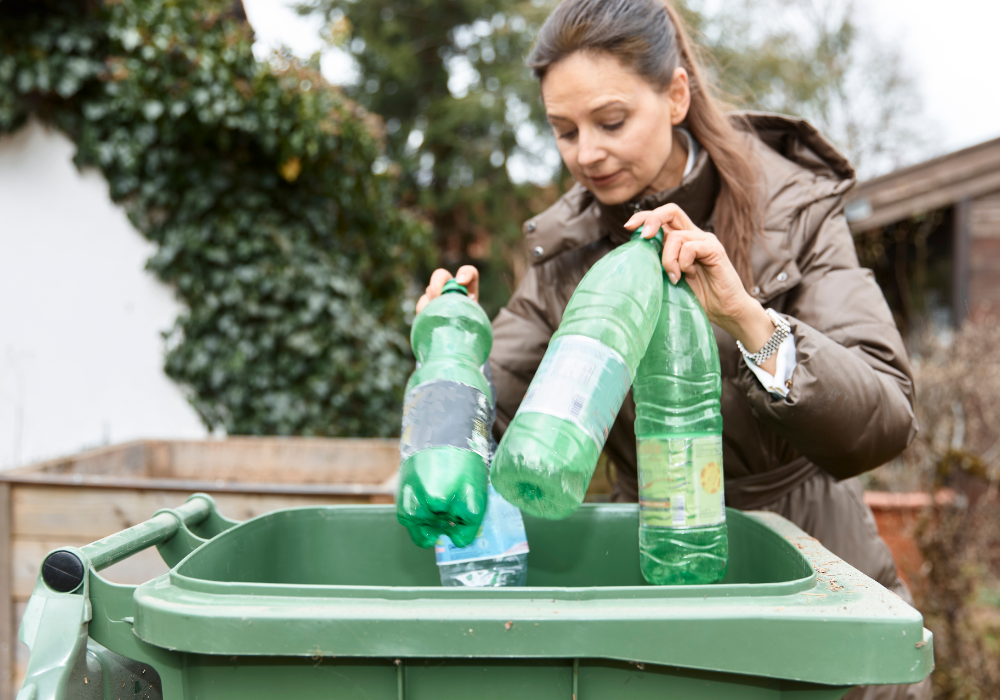
Recycling feels like a win. Reusing your bags feels like a win. Refusing plastic straws? Another win. And yes, every small step matters—but it’s not the whole picture. The truth is, many so-called “eco-friendly” habits quietly leave behind far more waste than most people realize. Just because you don’t see the trash piling up in your own bin doesn’t mean it isn’t building up somewhere else.

Manufacturing, packaging, transportation, and supply chains hide layers of waste that rarely cross your mind. The things you buy, even the ones labeled “green,” still involve resources getting burned, dumped, or shipped across oceans. Living sustainably isn’t as simple as swapping bags or sorting plastics. Behind the polished feel-good choices are habits that quietly contribute to the same waste problem everyone’s trying to solve.

Read more

Heatwaves Will Explode in the U.S. by 2030—11 Ways They Will Become Deadlier

The power grid won’t save you when the next heatwave hits—and that’s just the beginning.

©Image license via iStock

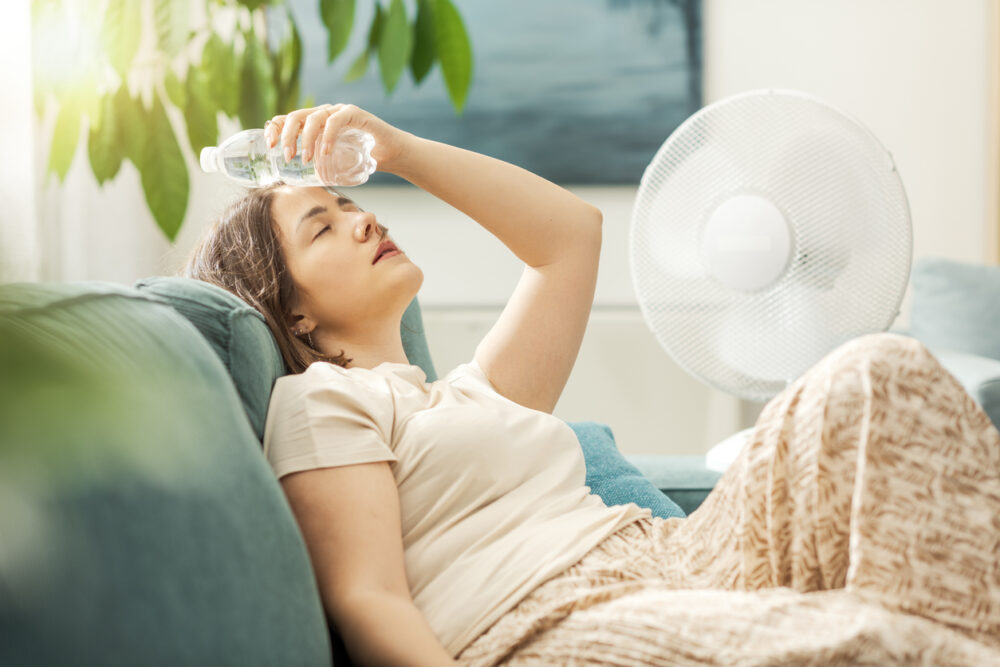
You’re not imagining it—summer doesn’t just feel hotter. It’s turning hostile. You step outside and it hits you like a wall. Not just heat, but something more suffocating. The kind of thick, unrelenting blast that makes you question how long your body can take it. And it’s not easing up anytime soon. In fact, it’s getting worse—fast. We’re not just talking about discomfort or sweat-drenched afternoons. We’re talking about life-threatening temperatures turning once-normal days into potential medical emergencies.

By 2030, these waves of extreme heat aren’t going to be rare—they’ll be routine. That’s not alarmist talk. That’s what scientists, emergency planners, and even utility companies are quietly preparing for behind the scenes. And the scariest part? You might not even realize just how vulnerable you are until it’s too late.

Heat doesn’t scream through your windows like a hurricane. It sneaks in. It builds. And then it starts breaking things—your health, your environment, your systems for staying safe. You think you’ll be ready, but you won’t be. Not unless you understand just how deadly this invisible threat is about to become.

Read more