By 2050, These 10 Drought-Driven Crises Could Push Millions Out of America

As the land cracks and rivers shrink, the choice to leave may no longer feel optional.
©Image license via Canva

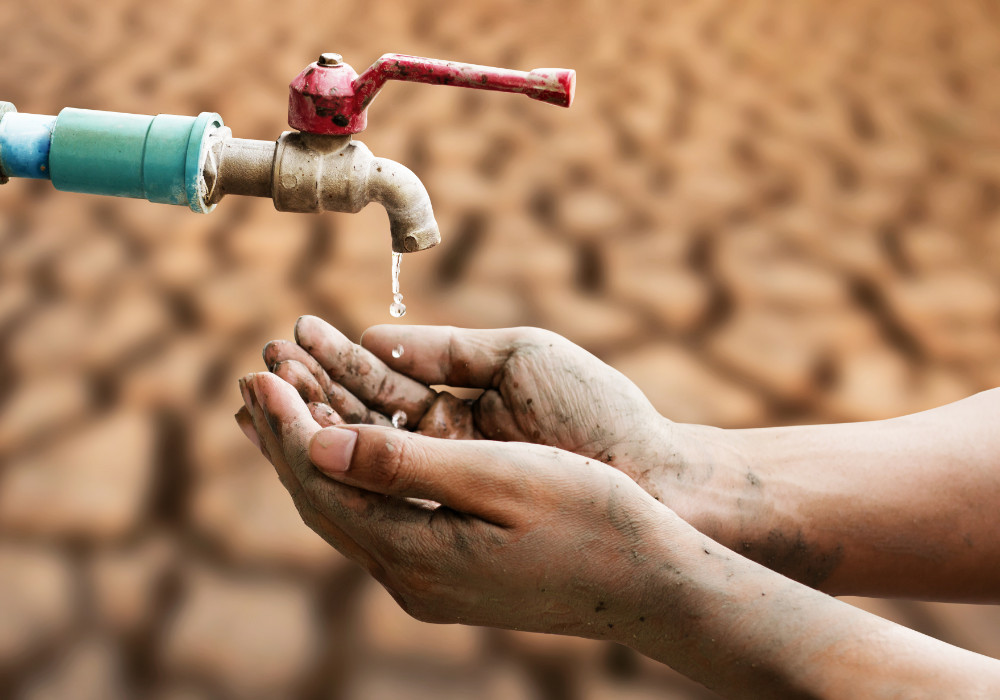
Most people picture climate collapse as something sudden—floods, fires, chaos in the streets. But in America’s drought-stricken regions, it’s happening slowly and quietly. The water disappears. The crops fail. The taps sputter. And bit by bit, places that once felt secure start pushing people out.

This isn’t science fiction or far-off speculation. It’s already underway. In parts of Arizona, California, Kansas, and New Mexico, families are packing up—not because they want to, but because they can’t afford to stay. And by 2050, experts say millions more may follow. The triggers won’t be dramatic—they’ll be daily life becoming impossible to maintain. From dried-up reservoirs to vanishing aquifers, these 10 regional crises are early warnings. If nothing changes, the next great American migration won’t be about opportunity. It’ll be about survival.s to follow—not because they want to, but because staying simply won’t be possible anymore.

Read more

Batteries, Blades, and Bottles—12 Tools That Should Last Longer Than They Do

Companies don’t profit when your stuff lasts, so they make sure it doesn’t.

©Image license via Canva

It’s easy to blame yourself when tools break: “I dropped it,” “I must’ve overused it,” “Maybe I didn’t store it right.” But often, the problem isn’t you—it’s the way these products are intentionally designed to fail. Planned obsolescence keeps the replacement cycle spinning, ensuring companies get repeat sales while your wallet takes the hit.

These aren’t complicated gadgets with fragile parts. We’re talking about everyday tools—things that should last for years but rarely do. Manufacturers cut corners, use cheaper materials, and build just enough durability to get past the return window. Meanwhile, marketing convinces everyone that buying the latest model is normal. Real durability doesn’t sell as many units, so companies quietly engineer tools to wear out faster than they should. The sooner things break, the sooner you’re back in the store.

Read more

The Ecosystem Doesn’t Stop at Your Fence Line—10 Ways Your Property Affects It

Private property still has public consequences when it comes to nature.

©Image license via Canva

It’s easy to think of a yard, garden, or patch of land as fully personal space—your little corner of the world, separate from everything else. But nature doesn’t recognize property lines. Every choice made on private land ripples outward, quietly influencing the plants, animals, soil, and water systems that flow beyond any fence. What happens on one lawn can easily affect a stream a mile away, or a bird nesting in a neighboring forest.

The idea that environmental responsibility stops at your property line is one of the biggest illusions modern life sells. From pesticides to landscaping choices, small decisions can carry serious consequences for local ecosystems. That means individual property owners have real power to help or harm. Understanding the invisible impact of these choices is the first step toward making sure personal space doesn’t come at nature’s expense.

Read more

These 10 “Plant-Based” Items Have Nothing to Do With Sustainability

Not everything made from plants is made for the planet.

©Image license via Canva

“Plant-based” has become the golden ticket of marketing—stick it on a label and it instantly sounds clean, conscious, and eco-aligned. But the truth is, plenty of so-called plant-based products are far from sustainable. Some are soaked in chemicals, processed beyond recognition, or wrapped in plastic before they ever hit a shelf. Others rely on monocrops, high water use, or industrial farming that drains ecosystems more than it helps. A plant origin doesn’t always mean a product breaks down, supports biodiversity, or even reduces your carbon footprint.

Just like “natural” or “green,” the term has been stretched to the point of near-meaninglessness. While some plant-based options genuinely aim to reduce harm, many are just dressed-up versions of the same old wasteful habits. It’s not about guilt-tripping your choices—it’s about getting real with the labels we trust. Because sustainability isn’t about what something’s made from. It’s about how it’s made, used, and discarded.

Read more

After Collapse, These 10 Normal Things Will Be Gone Before You Even Notice

You won’t realize how much you depended on these until they’re already gone.

©Image license via Canva

When people imagine collapse, they picture huge disasters—cities crumbling, food shortages, chaos in the streets. But in reality, what hits hardest are often the quiet losses. The small, normal conveniences that hold life together quietly disappear one by one, and most people won’t even realize how deeply they depended on them until they’re gone.

It’s not just electricity or running water. It’s the dozens of little comforts woven into daily routines that quietly vanish. These aren’t luxuries—they’re things so normal that their absence feels jarring and surreal when collapse hits. That’s what makes them dangerous to overlook. When systems break down, it’s often these simple, invisible supports that crack first, long before the full weight of collapse becomes obvious. And by the time people notice, they’ve already adapted to a life that feels much smaller, colder, and harder.

Read more

If You Keep Buying These 11 Products You’ll Never Cut Your Trash in Half

Cutting waste isn’t about trying harder—it’s about breaking free from products like these.

©Image license via Canva

Most people who want to cut down on waste start with good intentions: recycling more, bringing reusable bags, maybe even composting. But no matter how hard they try, the trash bin still fills up. That’s because a lot of modern waste isn’t about personal failure—it’s baked into the design of what companies sell. Many products are deliberately made to be disposable, difficult to recycle, or impossible to reuse, locking consumers into an endless loop of throwing things away.

Breaking the cycle means recognizing which products are designed to fail sustainability before they even leave the store. These items sneak into daily routines, marketed as convenient or essential while quietly sabotaging any real progress toward reducing waste. The less you rely on them, the more progress you make—not by trying harder, but by opting out of the system that profits from your overflowing trash can.

Read more

You Didn’t Sign Up for the Surveillance—But These 11 Appliances Are Watching Anyway

Your fridge, your TV, and even your toothbrush are reporting back.

©Image license via Canva

You don’t need a security clearance to be surveilled anymore. These days, all it takes is a kitchen remodel. Or a new phone. Or a thermostat that promised to save you 10% on heating. One minute you’re trying to make life easier with “smart” upgrades, and the next your blender is leaking data to a third-party analytics firm in Singapore. This isn’t a sci-fi dystopia—it’s just your average Tuesday in a connected home.

The creep factor doesn’t always come from obvious cameras or mics, either. A lot of the time, it’s buried in the fine print. That “accept all” button? It opened the door. And now everything from your vacuum to your doorbell is quietly gathering info, watching your routines, and selling that data off to whoever’s buying. You might not have signed up for this, but your appliances definitely did.

Read more

What’s in Your Mattress Isn’t Just Foam—It’s a Mix of 10 Materials That Don’t Break Down

Underneath the sheets, your mattress hides a whole lot of forever waste.

©Image license via Canva

If you’ve ever dragged an old mattress to the curb, you know they’re heavy, awkward, and weirdly dense. What most people don’t realize is that those things are built like tanks—layered with materials that were never meant to decompose. They’re cozy for a while, sure, but once they’re tossed, they sit in landfills for decades. Sometimes centuries. It’s not just the foam you can blame, either. The modern mattress is a Frankenstein blend of synthetic fibers, chemical adhesives, petroleum products, and sneaky microplastics. Even the ones labeled “natural” or “eco-friendly” often come packed with hidden materials that are tough to recycle and impossible to break down.

The truth is, most mattresses are designed for comfort, not sustainability. And while we’ve become more conscious about fast fashion and plastic packaging, mattresses somehow fly under the radar. It’s time to pull back the covers and take a closer look at what we’re actually sleeping on—because the materials inside your bed aren’t just temporary. They’re forever.

Read more

What It’s Really Like to Work Full-Time and Still Fear Eviction—13 Painful Truths

The paycheck covers just enough to keep you broke, anxious, and hanging by a thread.

©Image license via iStock

You can work 40+ hours a week and still lie awake wondering if you’re about to lose your home. That’s the gut punch no one wants to talk about. You show up, do your job, hustle through the exhaustion—and yet, stability feels like some distant reward you never quite reach. Rent climbs, bills pile up, and one unexpected expense sends everything into panic mode. It’s not laziness or bad decisions—it’s the math just not adding up anymore.

According to the U.S. Census Bureau, over 21 million renter households—about 49.7% of the 42.5 million renter households—spent more than 30% of their income on housing costs in 2023. Households spending more than this threshold are considered “cost-burdened,” and those spending over 50% are “severely cost-burdened.”

That’s nearly half of renters feeling the pressure every single month—and a lot of them are full-time workers. This isn’t about skipping lattes or budgeting harder. It’s about a system that doesn’t reward effort with security anymore. And when your paycheck disappears the second it hits your account, the fear of eviction isn’t dramatic—it’s a daily, creeping reality.

Read more

The Experts Are Being Purged from Government—12 Scary Ways This Impacts You

When politics replaces expertise, everyday people pay the highest price.

©Image license via iStock

You probably don’t realize how dangerous it is when smart people start disappearing from government jobs. It’s easy to tune out the headlines about agency shakeups or bureaucrats getting pushed out. Sounds like insider drama, right? But the truth is, when experts—scientists, economists, public health pros, climate analysts, and career civil servants—are sidelined, you end up living with the consequences. These aren’t just paper-pushers. They’re the people who know how to keep your water safe, your medication tested, your air breathable, and your food supply running smoothly. And when they’re replaced with loyalists, cronies, or people who have no business making critical decisions, things start to break. Slowly at first, and then all at once.

You might not notice it right away. Policies still get passed, press conferences still happen, and the machinery keeps turning. But underneath? The gears are grinding. And once the damage shows up in your daily life, it’s a lot harder to undo. The purge of experts isn’t just a political story. It’s a ticking time bomb hiding behind boring headlines—and when it goes off, you’ll feel it. Everywhere.

Read more