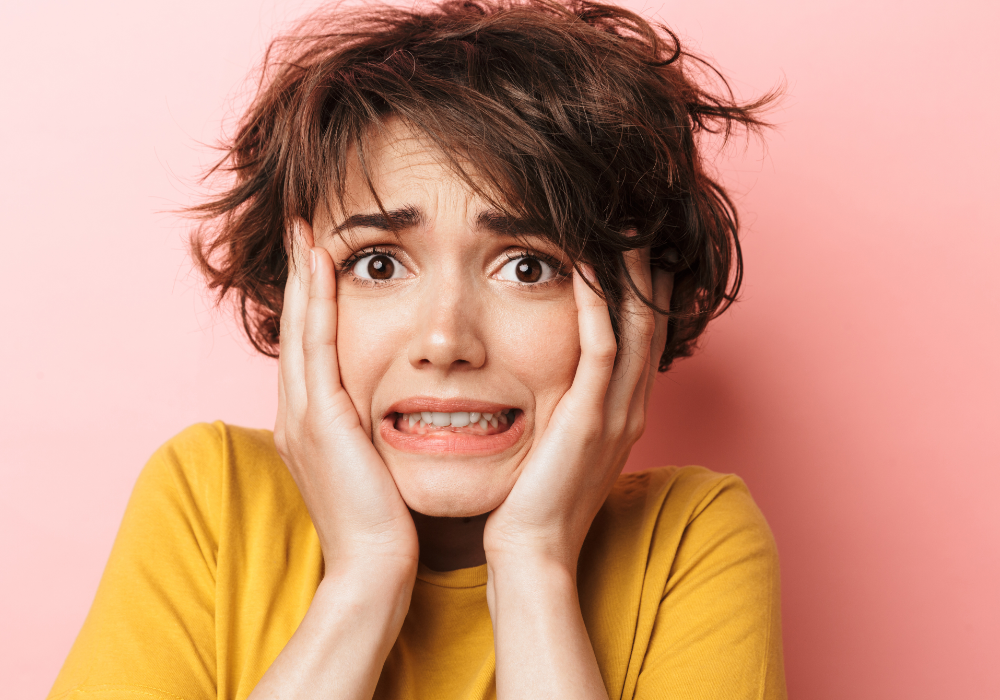
Why You Still Feel Empty Even When Life Is Good—12 Psychological Reasons

You’re not broken—you’re just ignoring what your mind is begging you to face.
©Image license via Canva

You’ve got the job, the house, maybe even the relationship—and yet, something feels hollow. You go through your day checking all the boxes, smiling when you’re supposed to, doing everything “right.” But deep down, there’s this quiet ache that won’t shut up. It’s not sadness, exactly. It’s not even boredom. It’s just this weird, lingering emptiness that clings to you no matter how many achievements you rack up or how much you try to stay busy. People might envy your life, and from the outside, it probably looks amazing. But on the inside? It’s like you’re living in grayscale while everyone else gets full color.

You’ve probably asked yourself what’s wrong with you—or tried to shake the feeling by planning your next big move. A vacation. A promotion. A new habit. But the emptiness doesn’t care. It just sits there, waiting, making you question everything. And that’s what messes with your head the most. You thought reaching a certain level in life would feel different. More fulfilling. But now you’re realizing something deeper is going on—and it’s not going away until you finally face it.


Read more

Your Body Is Giving You Clues—Here Are 13 Ways to Eat Smarter by Listening

Eating right gets a whole lot easier when you actually know what your body needs.

©Image license via iStock

Your body’s been trying to talk to you—you just haven’t been taught how to listen. That bloated feeling after a “healthy” meal? The crash an hour after breakfast? The cravings that show up out of nowhere? They’re not random. They’re messages. But most of us were raised to ignore our bodies and follow rigid food rules instead. You’re told what to eat, how much, and when—no questions asked. And when it doesn’t feel right, you blame your willpower instead of realizing the plan wasn’t built for you.

The truth is, your body isn’t the enemy. It’s actually incredibly wise. It knows when something’s off. It nudges you with subtle signs and sometimes yells with symptoms when things go too far. Once you start tuning in, things begin to click. Eating becomes less about control and more about communication. Your energy shifts. Your mood steadies. Your gut calms down. It’s not about being perfect—it’s about getting curious. Because when you stop ignoring your body’s clues and start responding to them, eating smarter stops feeling like a struggle and starts feeling like self-respect.

Read more

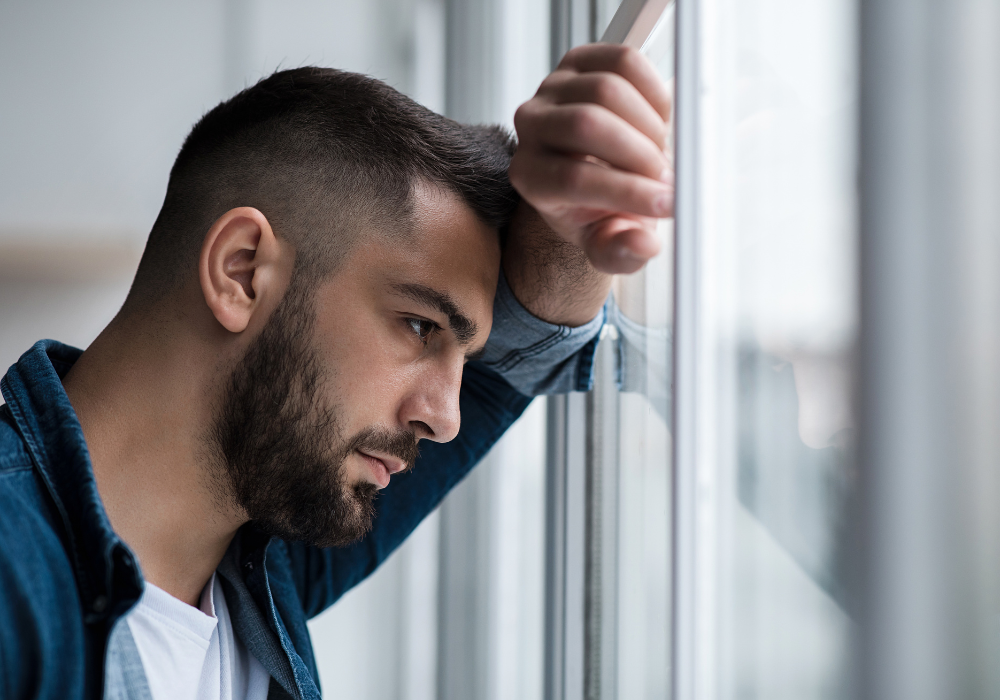
12 Ways to Stay Empathetic in a Culture That Rewards Cold Hearts

The world may praise the ruthless, but empathy is still your quiet superpower.

©Image license via iStock

You’re not imagining it—kindness is starting to feel like a liability. It’s like the colder you act, the more you’re rewarded. People who bulldoze boundaries, shut down feelings, or laugh at vulnerability seem to get ahead, while those who care deeply often feel overlooked or dismissed. And if you’re someone who still wants to lead with empathy, it can feel like you’re swimming upstream while everyone else is floating on a raft of indifference. Maybe you’ve even wondered, Am I just too soft for this world? You’re not. The problem isn’t you—it’s the emotional frostbite creeping through a culture that keeps telling people to “toughen up” and stop taking things so personally.

You don’t need to harden your heart to survive, and you sure as hell don’t have to mirror the apathy around you. Staying empathetic isn’t weak—it’s quietly radical. You can keep showing up with compassion, even in a world that might not clap for it. And if you’ve been feeling the pull to go numb just to fit in, it’s time to pause and remember what makes you human in the first place.

Read more

Are We the Arsonists? 11 Ways Human Behavior Is Igniting Catastrophic Fires

What you do every day could be sparking the next devastating blaze.

©Image license via iStock

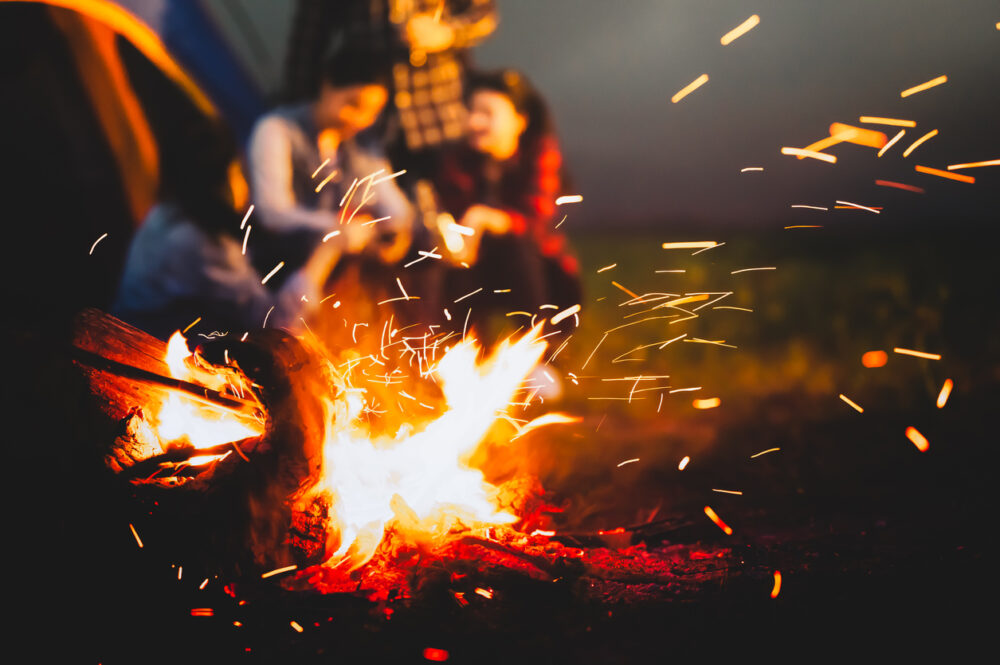
You might be lighting the match and not even know it. No, really—it’s not just the firebugs or freak accidents anymore. The way things are going, it’s easy to forget that our everyday choices could be fanning the flames—literally. You probably don’t wake up thinking, “How can I help fuel the next major disaster today?” But that’s kind of the point. The scariest part isn’t some arsonist hiding in the woods—it’s how normal, everyday behavior can quietly stack the odds against us until something sparks and everything goes up in smoke.

You hear about these out-of-control blazes, see the footage, and think, That’s awful… but what does it have to do with me? More than you think. You don’t need to be holding a lighter to be part of the problem. And once you realize just how many small, human-made triggers are hiding in plain sight, it’s hard to unsee them. So if you’re ready for a little self-check (and maybe a reality check), you’re in the right place. It’s uncomfortable, sure—but so is losing everything to a fire that didn’t have to happen.

Read more

You Thought Green Innovation Was the Answer—But These 12 Products Have a Dark Side

The planet won’t be saved by good marketing and greenwashed tech.

©Image license via Canva

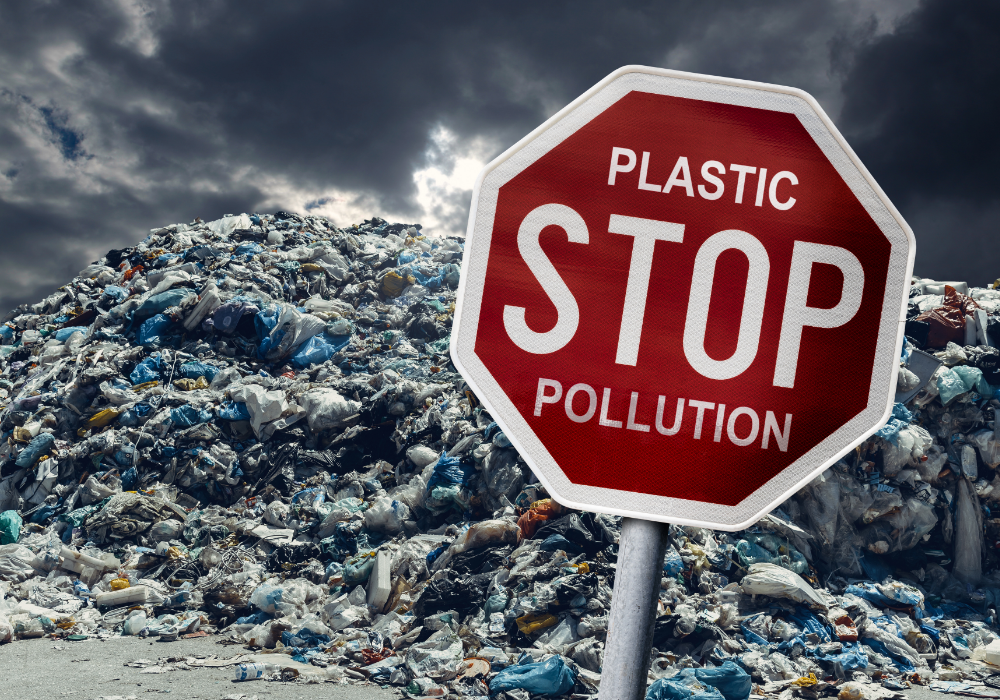
It’s easy to feel hopeful when you see the words “sustainable,” “eco-friendly,” or “green” slapped on new products. Reusable bottles, plant-based packaging, biodegradable phone cases—it all sounds like progress. And in some ways, it is. But just because something is marketed as a solution doesn’t mean it’s free from consequences. A lot of so-called green innovation hides uncomfortable truths behind buzzwords and branding.

What looks like a win for the planet might just be a slightly slower loss. Many of these products still rely on fossil fuels, exploit cheap labor, or break down into microplastics despite being labeled “biodegradable.” It’s not about being cynical—it’s about being honest. If we’re going to move forward, we need to look deeper than the label. These 12 innovations aren’t as clean, green, or revolutionary as they want you to believe—and the dark side starts where the marketing ends.

Read more

Crisis Fatigue Is Real—11 Ways It Shapes Your Choices Without You Knowing

When every day feels like a new emergency, your decision-making starts to break down.

©Image license via Canva

You’re not imagining it. The world feels heavier than it used to, and just keeping up with the news can feel like a second job. Fires, floods, shootings, elections, blackouts—there’s always something urgent screaming for your attention. And when the chaos doesn’t stop, your brain starts shutting down to protect you. That’s crisis fatigue. It’s sneaky, exhausting, and it’s probably influencing your choices more than you realize.

Crisis fatigue doesn’t look dramatic. It looks like scrolling past headlines, saying “I can’t do anything,” or defaulting to whatever’s easiest. It makes people numb, indecisive, and constantly on edge—even if they’re not consciously aware of it. The longer this state drags on, the more it changes habits, relationships, and daily decisions. These 11 effects aren’t just psychological—they’re deeply personal. And recognizing them is the first step toward loosening their grip.

Read more

What You Feed Your Dog Could Be Worsening the Climate—11 Better Options

Your pet’s dinner might be leaving a bigger footprint than yours.

©Image license via Canva

We love our dogs like family—but their diets can come with a hidden cost. The pet food industry is massive, and a surprising amount of it runs on the same unsustainable systems as industrial agriculture. From factory-farmed meat to overfished oceans, the kibble and canned food stacked in your pantry often has a larger environmental footprint than your own meals. And because dogs are such loyal omnivores, they’re caught in a system that prioritizes profit, not sustainability.

That doesn’t mean you have to start feeding your pup salad. But it does mean we should think more critically about what’s in that scoop of kibble. Many dog foods are loaded with low-quality animal byproducts, carbon-heavy ingredients, and unnecessary packaging. There are better ways to keep your dog healthy without feeding into destructive systems. A few small changes can lower your dog’s impact—and maybe even improve their health at the same time.

Read more

Your Candle Might Be Polluting More Than Your Car—10 Surprising Sources of Indoor Smog

The air inside your home isn’t as innocent as it smells.

©Image license via Canva

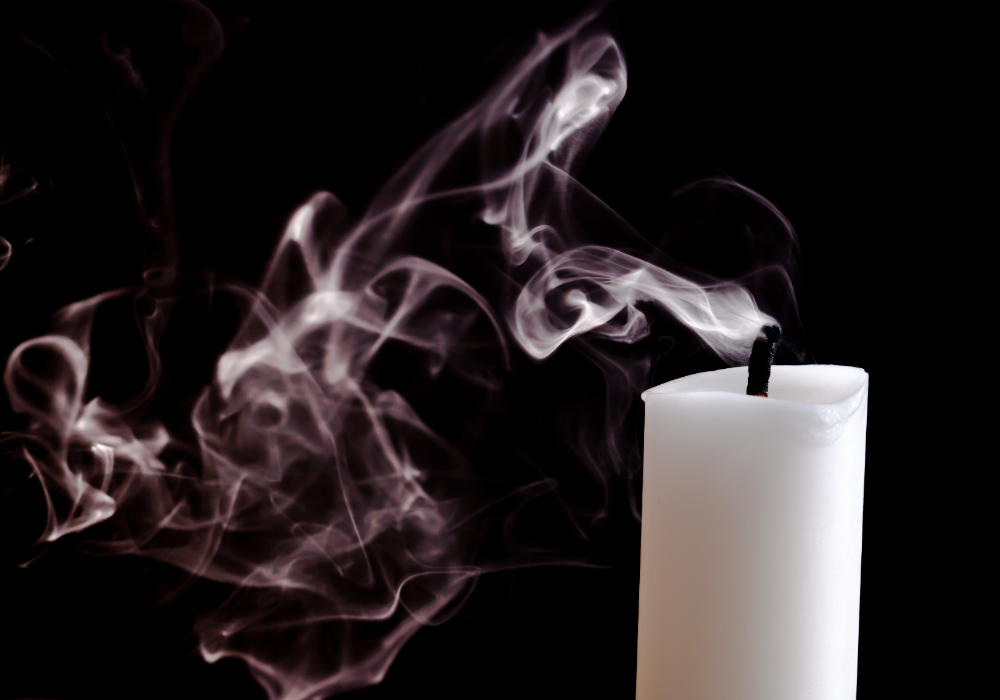
Most people assume air pollution is something that happens outside—smog over the city, exhaust on the highway, smoke from a wildfire. But the air in your living room could be worse. Indoor air doesn’t just come from outside; it builds up from everything you do inside. Cooking, cleaning, lighting candles, spraying air fresheners—it all leaves traces behind. And unlike outdoor air, there’s no breeze to carry it away.

The problem is, many of the worst offenders are things we associate with comfort and cleanliness. That lavender candle. The citrusy multi-surface spray. Even your new couch. It’s not just one thing, either. When all these pollutants combine and stay trapped indoors, they can form a toxic soup that’s harder on your lungs than city traffic. If you’ve ever cracked a window just to “freshen things up,” you were onto something. Your air might be cozier than the freeway—but it’s not necessarily cleaner.

Read more

The Fastest Route Cut the Deepest Wounds—12 Ways Roads Displaced People and Wildlife

Generations were uprooted in the name of speed and convenience.

©Image license via Canva

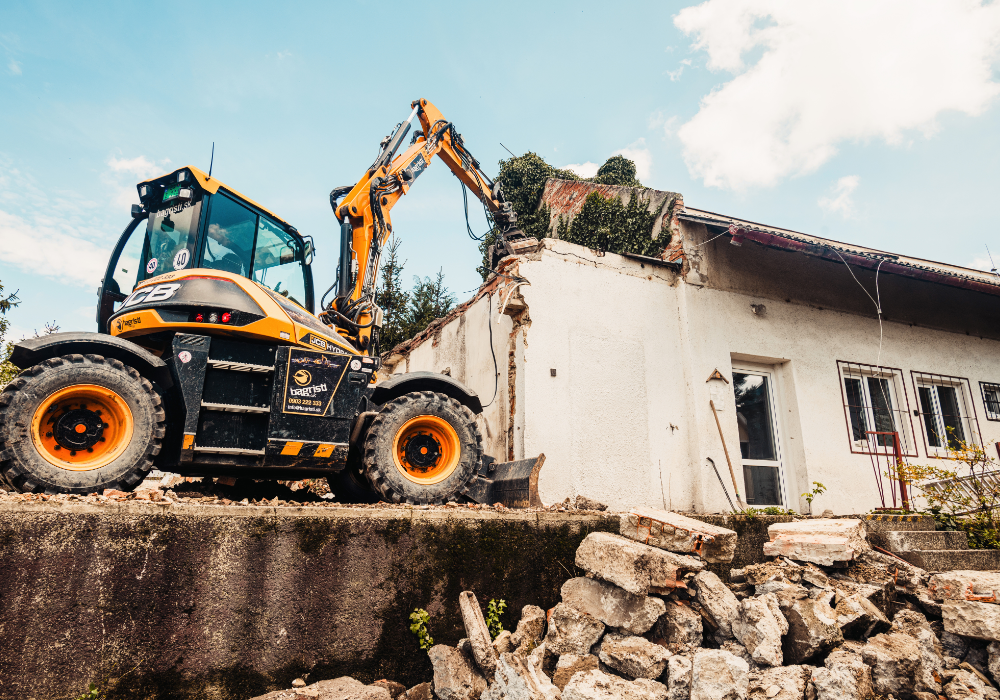
Roads are often framed as signs of progress—connections between cities, lifelines for trade, access to opportunity. But for countless communities, they were the beginning of the end. Highways didn’t just slice through empty land. They cut through neighborhoods, forests, sacred sites, and migration paths. The people and animals in their way were often treated as afterthoughts—moved, erased, or simply forced to adapt. And once the concrete was poured, there was no undoing the damage.

What’s left is a legacy of broken ecosystems and displaced histories. Wildlife corridors vanished. Families were evicted with little warning. Entire cultures were divided by traffic noise and off-ramps. These aren’t growing pains—they’re open wounds that still shape how people and animals move through the world today. The road may be smooth, but the cost was jagged. And we’re still living with what was lost in the rush to move faster.

Read more

10 Subtle Ways Social Media Is Teaching You to Fear Silence

If silence makes you anxious, your feed might be why.

©Image license via Canva

There was a time when silence felt normal. You’d stare out the window, sit through a car ride without music, or let your thoughts drift while folding laundry. Now, even a moment of quiet feels itchy. You instinctively reach for your phone, refresh your feed, or play something in the background—anything to avoid being alone with stillness. That discomfort didn’t just show up out of nowhere. It was trained into you, slowly and deliberately.

Social media isn’t just addictive—it’s immersive. It reshapes your nervous system to expect nonstop input. Over time, silence starts to feel like a void instead of a break. Stillness becomes suspicious. Boredom feels unbearable. And rest turns into another kind of performance. These ten subtle shifts aren’t just changing how people use their time—they’re changing how we feel when there’s nothing left to consume. Once you see it, you’ll realize the silence never left—you were just taught to fear it.

Read more