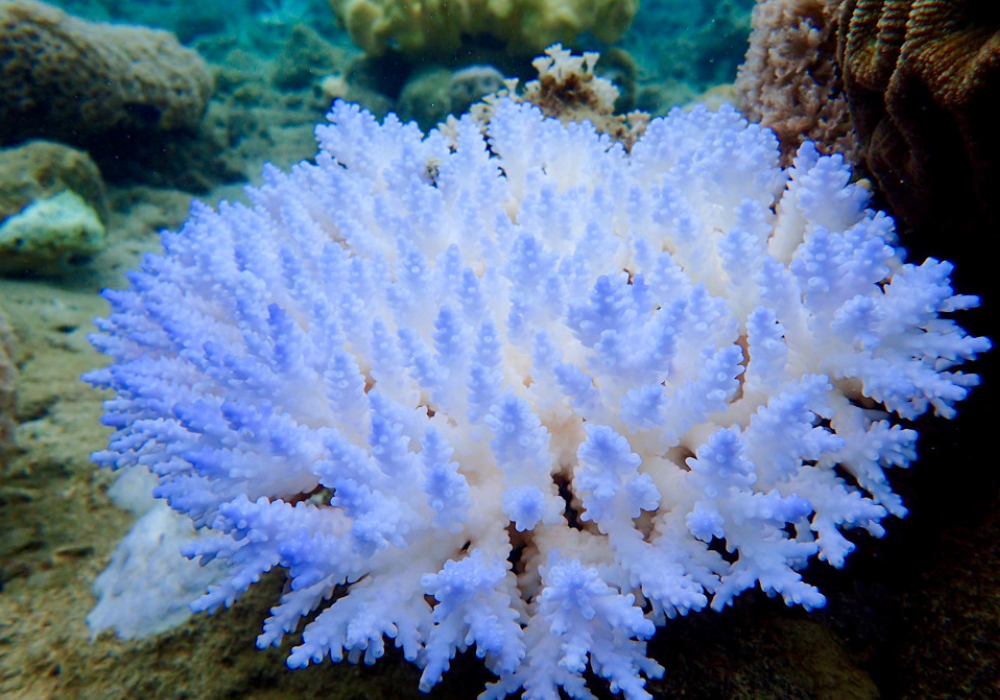
12 Devastating Ways This Summer Destroyed the Great Barrier Reef

Record ocean temperatures and coral bleaching events devastated Australia’s reef system in the worst die-off ever recorded.
©Image license via Flickr

The Great Barrier Reef has survived ice ages, volcanic eruptions, and countless natural disasters over millions of years. But this past summer nearly broke it completely. What scientists witnessed along Australia’s coast was unlike anything in recorded history — a mass die-off so severe that even veteran marine biologists were left speechless.

Dr. Terry Hughes from James Cook University, who has studied coral reefs for over three decades, called it “the most severe bleaching event we’ve ever documented.” The reef that took thousands of years to build was decimated in just a few months of record-breaking ocean temperatures.


Read more

The Climate Solution Hiding Right Under Our Noses

Ocean wave energy could power the entire planet 24/7 — and we’re finally ready to harness it at massive scale.

©Image license via Canva

We’ve all heard the promises about renewable energy. Solar panels, wind turbines, electric cars — they’re everywhere. But what if I told you there’s been a massive clean energy source right in front of us this whole time, and we’re just now figuring out how to use it properly?

I’m talking about ocean waves. Every single day, waves crash against coastlines around the world with incredible force. That’s raw energy going to waste. According to marine energy researchers at Pacific Northwest National Laboratory, wave power holds enormous potential for America’s energy future. The technology is finally catching up to the opportunity, and the results could change everything.

Read more

10 Calming Phrases to Say to Someone Who Just Had a Panic Attack

Mental health experts reveal the phrases that reduce panic symptoms and help loved ones feel safe and supported during anxiety attacks.

©Image license via Canva

When someone you care about is having a panic attack, your words can either provide comfort or accidentally make things worse. Dr. Ken Duckworth, medical director of the National Alliance on Mental Illness, explains that panic attacks aren’t just “being dramatic”—they’re intense fear responses where the body’s survival instincts activate without real danger. The person experiencing it feels genuine terror, often thinking they’re having a heart attack or dying.

Mental health experts emphasize that what you say in those critical moments can help ground them back to reality and reduce the severity of symptoms. Here are ten expert-backed phrases that mental health professionals recommend using to support someone through this frightening experience.

Read more

Brain Scans Reveal Why Hoarders Feel Physical Pain When Throwing Things Away

Brain scans show hoarding disorder triggers physical pain pathways, explaining why decluttering hurts and how new therapies help.

©Image license via Flickr

When researchers put people with hoarding disorder into brain scanners, they discovered something shocking: throwing away possessions literally activates the same neural pathways as physical injury. Dr. David Tolin from Yale University found that the anterior cingulate cortex and insula—brain regions that process emotional pain—go into overdrive when hoarders decide whether to keep or discard their own items.

This isn’t just attachment or sentimentality; it’s actual neurological distress equivalent to being hurt. The brain scans reveal that for someone with hoarding disorder, tossing a piece of junk mail triggers the same alarm systems as touching a hot stove. Understanding this biological reality is revolutionizing how therapists approach treatment, shifting from “just throw it away” to addressing the genuine physical pain that decluttering causes.

Read more

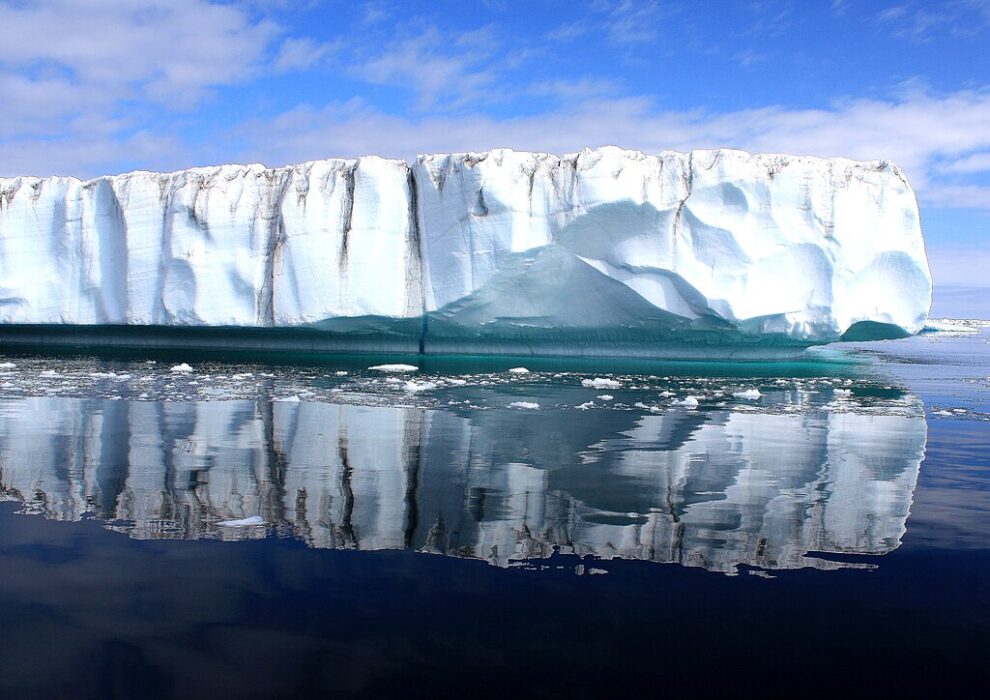
What Scientists Are Finding Trapped in Greenland’s Ancient Ice Will Change How We See Our Planet

New research reveals alarming climate discoveries frozen in Greenland’s ice sheet that could change everything we know.

©Image license via Wikimedia Commons

We’ve all seen the scary headlines about melting ice caps, but what scientists are actually finding inside Greenland’s ancient ice is far more alarming than anyone expected. For decades, researchers have been drilling deep into Greenland’s massive ice sheet, extracting cores that contain thousands of years of climate history.

What they’re discovering isn’t just data about the past — it’s a terrifying preview of what’s coming. According to glaciologists at the National Science Foundation, these ice cores are revealing climate changes happening faster and more dramatically than any computer model predicted.

Read more

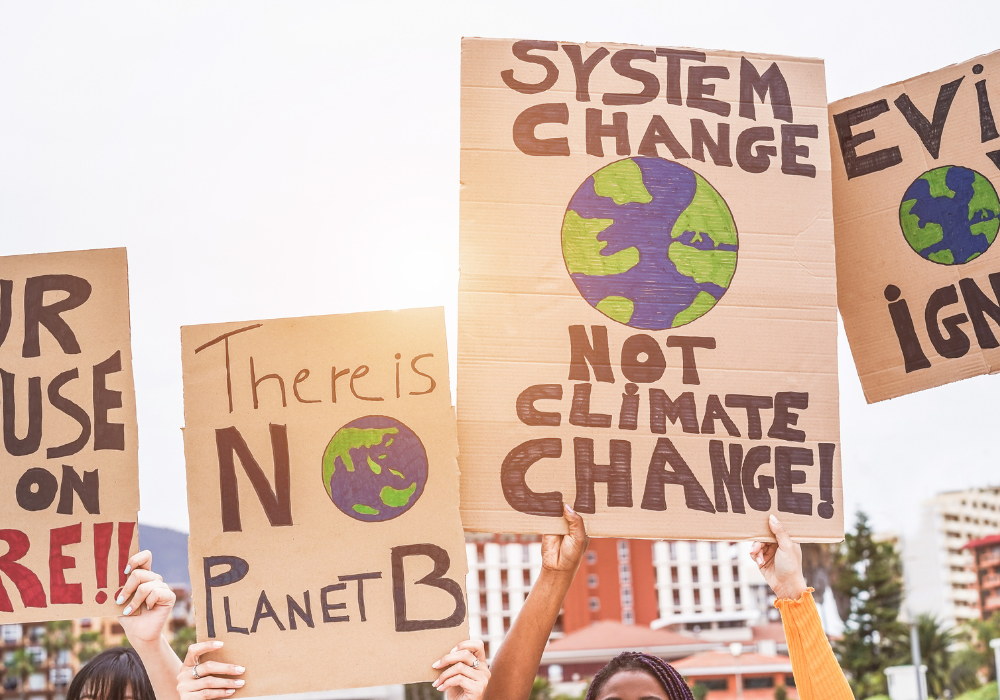
11 Devastating Ways the U.S. Is Actively Failing the Planet

While other nations race toward sustainability, the U.S. is hitting reverse—and the consequences are global.

©Image license via Canva

The U.S. isn’t just failing the planet—it’s sabotaging it. As ecosystems unravel and climate chaos escalates, America clings to fossil fuels, guts environmental protections, and props up industries that profit from destruction. This isn’t passive neglect but rather a conscious choice to prioritize short-term gains over global survival.

While other nations scramble to adapt, the U.S. keeps dragging its feet—sometimes sprinting in the wrong direction. The world can’t afford our arrogance much longer. We’re not leading; we’re obstructing. And the window to reverse course is slamming shut. If we don’t change now, we won’t just lose leadership—we’ll lose the future.

Read more

How Indigenous Wisdom Could Be the Key to Beating Climate Change

Science is catching up to what Indigenous communities have known all along about living in balance with nature.

©Image license via Canva

We’ve spent decades chasing high-tech fixes for the climate crisis—carbon capture, geoengineering, electric everything. But maybe the real solution isn’t new at all. Indigenous communities around the world have lived in harmony with nature for thousands of years, managing land, water, and wildlife with a wisdom rooted in observation, respect, and reciprocity.

Governments debate and corporations delay, but these time-tested practices are quietly proving their worth. We dismissed their knowledge as primitive—now it might be our best chance at survival. If we want a livable future, it’s time to stop overlooking Indigenous voices and start learning from them.

Read more

12 Humane Ways to Get Rid of Pests Without Hurting Them

You can protect your home and your conscience with these cruelty-free solutions.

©Image license via Canva

You don’t have to choose between a pest-free home and a clean conscience. Whether it’s mice in the walls, ants in the kitchen, or squirrels in the attic, there are plenty of ways to deal with pests that don’t involve glue traps or toxic sprays.

More people are waking up to the reality that many common pest control methods are not only cruel—they can be harmful to pets, kids, and the environment. Humane pest control is about working smarter, not harsher. It’s about setting boundaries instead of landmines, and most of these solutions are easier than you think.

Read more

The 9-to-5 Grind Isn’t Just Killing Your Joy—It’s Killing the Earth

Burnout isn’t the only consequence of modern work—planetary damage is part of the deal.

©Image license via Canva

You wake up already tired. The day hasn’t started, but your brain’s racing, your shoulders are tense, and your inbox is quietly mocking you. You grab a coffee, brace for traffic, and wonder if this is just how life is now.

Meanwhile, outside your bubble of meetings and deadlines, the planet is heating up, ecosystems are collapsing, and resources are disappearing faster than we can count them. The connection between your daily grind and environmental breakdown might not be obvious—but it’s real. The way we work isn’t just exhausting us. It’s exhausting the Earth too.

Read more

10 Jaw-Dropping Ways 2050 Will Be Completely Unrecognizable

Climate change, technology, and social shifts will transform daily life in ways most people can’t imagine.

©Image license via Canva

Twenty-five years might not sound like much, but the pace of change is accelerating so rapidly that 2050 will feel like stepping into a completely different world. We’re not talking about flying cars or robot butlers — we’re talking about fundamental shifts in how we live, work, and survive on this planet.

Climate change alone will reshape entire regions, while technology will transform everything from how we eat to how we think. Researchers at MIT’s Climate Portal say the changes coming by 2050 represent the most dramatic transformation human civilization has experienced since the Industrial Revolution. The world your kids inherit will be almost unrecognizable from what it is today.

Read more