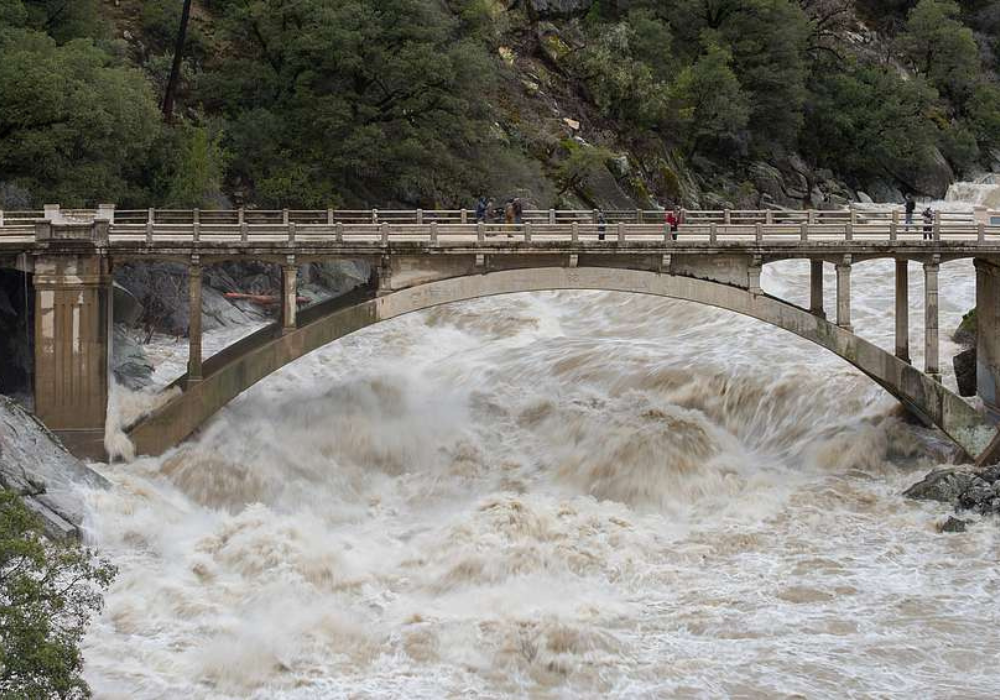
California Faces Fierce Atmospheric River Storm This Week

Torrential rains and flooding threaten millions as a new storm system hits the West Coast.
©Image license via Picryl

If you live in California and you’re hearing about an incoming “atmospheric river,” it’s time to take this seriously. These aren’t just heavy rainstorms — they’re massive corridors of water vapor in the sky that can dump as much water as 15 Mississippi Rivers flowing overhead.

This week’s atmospheric river is shaping up to be one of the most powerful systems to hit the West Coast in years, and it’s aimed directly at a state that’s already saturated from previous storms. Atmospheric river specialist Dr. Marty Ralph from UC San Diego has been tracking these systems for decades, and he’s warning that this storm has all the ingredients for catastrophic flooding, mudslides, and infrastructure damage.


Read more

Antarctica’s Sea Ice Hits Record Low, Scientists Sound Alarm

A dramatic drop in Antarctic sea ice is reshaping climate predictions worldwide.

©Image license via Canva

Antarctica has always been the poster child for stability in a rapidly changing world — a massive, frozen continent that seemed immune to the climate chaos affecting everywhere else. But that reassuring image just shattered completely.

Antarctic sea ice has plummeted to the lowest levels ever recorded, and the implications are terrifying scientists who study polar regions for a living. What makes this especially alarming is that Antarctic ice was actually increasing for years while Arctic ice melted, leading many people to believe the bottom of the world was somehow protected from climate change.

Glaciologist Dr. Ted Scambos from the University of Colorado has been studying Antarctic ice for three decades, and he’s never seen anything like what’s happening right now. The ice that took thousands of years to accumulate is disappearing in a matter of months.

Read more

Japanese Walking Method Adds 10+ Years to Your Life – Here’s the Simple Secret

New studies show Japanese walking methods boost metabolism, lower blood pressure, and activate longevity genes through simple daily practices.

©Image license via Canva

Japanese walking isn’t just exercise—it’s a centuries-old philosophy that could literally add years to your life. Dr. Hiroshi Nose from Shinshu University proved that this simple technique drops blood pressure, strengthens muscles, and boosts aerobic capacity better than regular walking. But here’s what’s fascinating: Japanese walking combines two powerful approaches.

There’s the scientifically-proven interval method that alternates three minutes of brisk walking with three minutes of slower recovery, and there’s shinrin-yoku (forest bathing)—mindful walking that reduces cortisol by 40% and activates cancer-fighting immune cells. Both methods are rooted in the same Japanese principle of balance and mindfulness that’s helped create some of the world’s longest-living populations.

Read more

How to Spot Greenwashing Before You Buy Anything Green

Learn the warning signs and deceptive marketing tactics companies use to make products seem eco-friendly when they’re not.

©Image license via Canva

Walk down any grocery store aisle and you’ll be bombarded with products claiming to be “natural,” “eco-friendly,” and “sustainable.” Green leaves on packaging, earthy colors, and promises to save the planet — it all looks so convincing. But here’s the problem: most of it is complete nonsense designed to trick you into paying more for products that aren’t actually better for the environment. This deceptive practice is called greenwashing, and companies spend billions perfecting it.

Environmental marketing expert Dr. Catherine Tucker from MIT Sloan School of Management estimates that over 95% of products marketed as “green” fail to meet basic environmental standards. Learning to spot these tricks isn’t just about saving money — it’s about making choices that actually help the planet instead of just making you feel good about your purchases.

Read more

The Ancient ‘Memory Palace’ Technique That Reverses Anxiety in 20 Minutes

Neuroscientists reveal how ancient memory visualization method rewires anxious brain pathways and provides instant relief from racing thoughts and worry.

©Image license via Canva

What if ancient Greek orators had the key to conquering modern anxiety all along? Dr. Isabella Wagner from Radboud University Medical Center recently proved that the “memory palace” technique—used by Roman rhetoricians 2,000 years ago—can literally rewire anxious brain pathways in just 20 minutes. Brain imaging studies show that people using this method create more robust neural networks linking the prefrontal cortex, hippocampus, and visual cortex.

But here’s the breakthrough: mental health experts are now discovering that the same spatial memory system that helps “memory athletes” recall thousands of facts can be used to instantly access calm, positive mental states when anxiety strikes. The technique works by transforming your familiar spaces into mental refuges filled with soothing memories and coping resources.

Read more

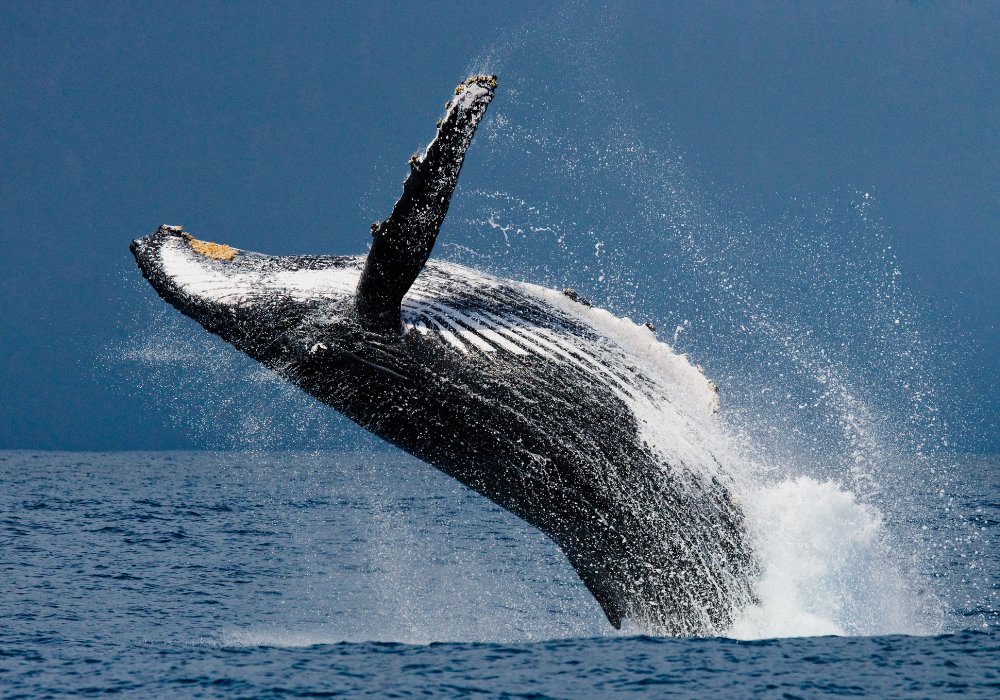
How Whales Have Become Earth’s Climate Heroes: 10 Surprising Facts

These marine mammals capture massive amounts of carbon and cool ocean temperatures in ways scientists are just discovering.

©Image license via Canva

When you think about fighting climate change, whales probably don’t come to mind. Solar panels, wind turbines, electric cars — sure. But massive marine mammals swimming around the ocean? It turns out that whales are some of the most powerful climate warriors on the planet, and we’re only just beginning to understand how crucial they are to keeping our world cool.

Marine biologist Dr. Roman Joe at the University of Vermont has spent years studying what he calls “whale carbon services,” and his research reveals that these ocean giants are doing more to fight climate change than most countries. And they’ve been doing it for millions of years, completely for free.

Read more

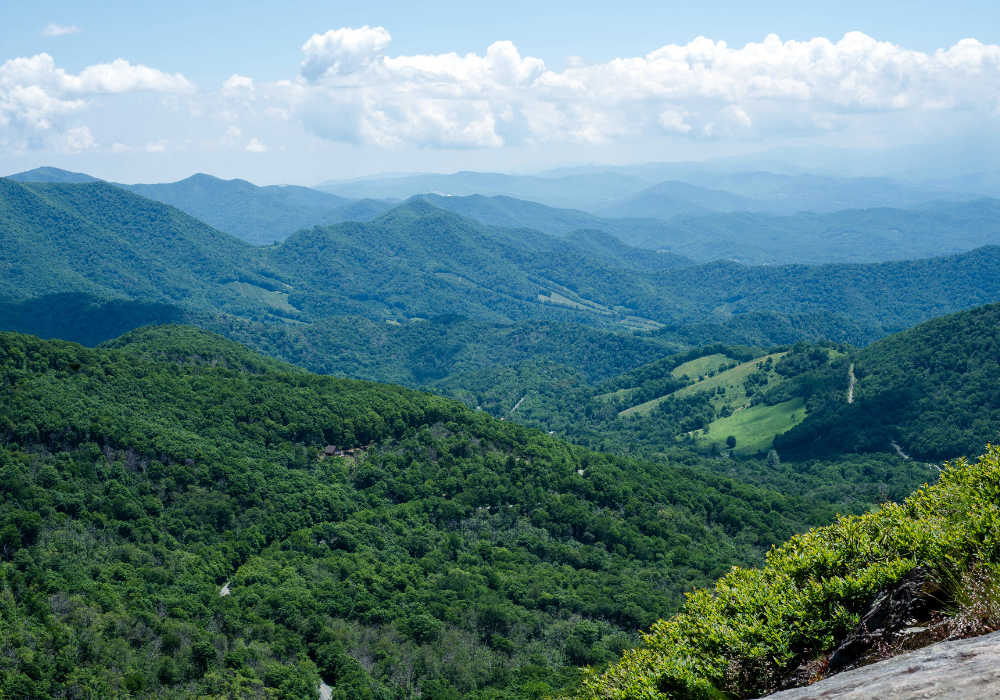
12 Amazing Ways Appalachia Is Turning Dead Mines Into Living Forests

Former coal mining communities are creating jobs, restoring ecosystems, and building sustainable futures from environmental devastation.

©Image license via Canva

Drive through parts of Appalachia today and you’ll see something that would have seemed impossible just twenty years ago: lush green forests growing where strip mines once left behind moonscapes of toxic waste and barren rock. The transformation is so dramatic that it’s hard to believe these thriving ecosystems were once environmental disasters that poisoned water and air for generations.

This incredible recovery didn’t happen by accident — it’s the result of determined communities, innovative science, and programs like the Appalachian Regional Reforestation Initiative that have planted over 200 million trees on former mining sites. Forest ecologist Dr. Patrick Angel, who helped pioneer these restoration techniques, has watched dead mining sites transform into wildlife havens that are now more biodiverse than the original forests.

Read more

Why Living in Hot Weather Is as Bad for You as Cigarettes

Extreme heat exposure causes cellular damage, accelerated aging, and health risks that mirror long-term smoking effects.

©Image license via Canva

Most people know that smoking cigarettes will age you faster and damage your health in countless ways. But what if I told you that simply living in extreme heat can cause almost identical damage to your body? It sounds impossible, but researchers are discovering that prolonged exposure to high temperatures triggers many of the same biological processes that make smoking so harmful.

Heat stress expert Dr. Camilo Mora from the University of Hawaii has spent years studying how extreme temperatures affect human health, and his research shows that heat exposure creates oxidative stress, inflammation, and cellular damage that’s remarkably similar to what happens when you smoke. With climate change making heat waves more frequent and intense, millions of people are unknowingly subjecting their bodies to this cigarette-like damage every single day.

Read more

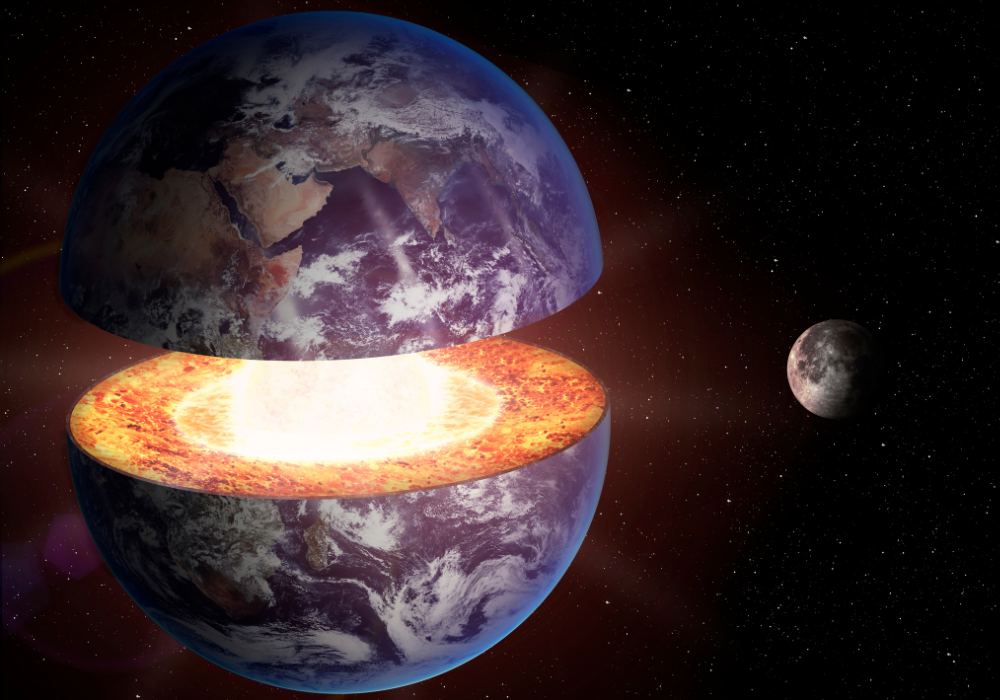
Scientists Just Cracked the Code to Unlimited Clean Energy Hiding Beneath Our Feet

Geothermal breakthrough reveals how to tap Earth’s core heat using new drilling technology that could revolutionize global energy production.

©Image license via Canva

The energy revolution hiding beneath our feet is finally within reach. Scientists and engineers have cracked the code to accessing Earth’s virtually unlimited geothermal power using breakthrough drilling technologies borrowed from the oil industry. Tim Latimer, CEO of Fervo Energy, proved this year that enhanced geothermal systems can work commercially, drilling 3 miles deep to tap 500-degree rock temperatures and delivering clean electricity to the grid.

The math is staggering: Earth’s heat content could supply humanity’s energy needs for millions of years, yet we currently use less than 1% of this potential. With new horizontal drilling techniques and advanced materials, companies are now making geothermal energy available anywhere on the planet, transforming what was once limited to volcanic regions into a global solution for 24/7 carbon-free power.

Read more

Why Rich People’s Lawns Are a Climate Disaster

Wealthy neighborhoods consume massive water resources and chemicals while contributing more to climate change than you think.

©Image license via Canva

Drive through any wealthy neighborhood and you’ll see them everywhere: perfect, emerald-green lawns that look like they belong on a golf course. These pristine patches of grass might seem harmless, but they’re actually environmental disasters hiding in plain sight. The resources required to maintain these perfect lawns are staggering, and the environmental cost is something most people never think about.

Dr. Paul Robbins, author of “Lawn People” and professor at the University of Wisconsin-Madison, says that American lawns consume more water, fertilizer, and pesticides than most agricultural crops, while providing zero food value. The obsession with perfect grass in affluent communities represents one of the most wasteful uses of natural resources in modern society.

Read more