How Traffic Fumes Steal IQ Points from Developing Children

New research reveals how air pollution from cars and trucks permanently damages cognitive development in young brains.

©Image license via Canva

Every day, millions of children walk to school, play in parks, and ride in cars while breathing invisible toxins that could be stealing their intelligence. The exhaust fumes from trucks, buses, and cars don’t just dirty the air—they penetrate developing brains and permanently alter how kids think, learn, and remember.

A landmark study published in Environmental Health Perspectives found that children living near major roadways scored significantly lower on IQ tests, losing an average of several cognitive points compared to peers in cleaner areas. From reduced test scores to increased learning disabilities, the cognitive theft is happening right under our noses. Here’s what parents need to know about protecting their children’s minds.

Read more

Scientists Now Warn These 9 U.S. States Could Run Out of Water by 2075

Severe drought, overuse, and climate change are pushing these states toward water crisis as demand far exceeds sustainable supply.

©Image license via Canva

Water scientists are sounding urgent alarms about a looming crisis that could reshape America’s landscape within the next 50 years. A combination of extreme drought, rising temperatures, and decades of overuse has pushed nine states to the brink of running out of reliable water supplies by 2075.

These aren’t remote desert regions—some of America’s most populated and economically important states are facing water shortages that could force millions of people to relocate and devastate agriculture that feeds much of the nation. The crisis is happening faster than experts predicted, with some reservoirs and aquifers already at critically low levels that haven’t been seen in centuries.

Read more

Dramatic Satellite Images Reveal What’s Really Happening to Earth’s Forests

Advanced satellite data reveals accelerating deforestation, climate-driven forest die-offs, and ecosystem collapse across Amazon and boreal regions worldwide.

©Image license via Canva

Satellites orbiting 400 miles above Earth are capturing a devastating transformation happening to our planet’s forests. The images are stark and undeniable: 2024 marked the worst year for forest destruction in recorded history, with fires alone consuming an area nearly the size of Panama in tropical rainforests. For the first time since satellite monitoring began, wildfires—not agriculture—became the leading cause of forest loss in regions that aren’t supposed to burn.

From the Amazon’s unprecedented drought-fueled blazes to Canada’s record-breaking boreal forest fires, advanced satellite technology is revealing how climate change is rewriting the rules of forest survival across every continent.

Read more

Scientists Discover Exercise Can ‘Rewrite’ Your Genetic Code in Just 20 Minutes

Research reveals how brief exercise sessions trigger genetic switches that boost metabolism, reduce inflammation, and activate longevity genes.

©Image license via Canva

Twenty minutes of exercise just rewrote parts of your genetic code. That’s not an exaggeration—it’s cutting-edge science that’s revolutionizing how we understand fitness and aging. Researchers at the University of Copenhagen have discovered that even a single workout session triggers immediate changes in your DNA’s “switches,” activating protective genes while silencing harmful ones.

“Our findings provide a mechanism for the known beneficial effects of exercise,” explains lead researcher Dr. Romain Barrès, whose team found that exercise rewires enhancers in regions of DNA known to be associated with disease risk. These epigenetic modifications happen faster than anyone imagined, affecting everything from metabolism to inflammation to cellular repair.

Read more

10 Hidden Dangers of Nighttime Heat Waves Most People Don’t Know About

Rising nighttime temperatures prevent sleep recovery and increase heat-related health risks that most people don’t recognize.

©Image license via Canva

You probably think the worst part of a heat wave is over once the sun goes down, but you’re dead wrong. While everyone focuses on scorching daytime temperatures, something much more sinister is happening after dark — and it’s getting worse every single year.

Nighttime temperatures are rising twice as fast as daytime highs, creating a hidden health crisis that most people don’t even realize is affecting them. Your body desperately needs those cool nighttime hours to recover from daily heat stress, but that recovery time is disappearing. What happens when the night no longer offers refuge from the heat?

Read more

Is Your ZIP Code Becoming Uninsurable? The New Risk Map

Why insurers are retreating in high-risk ZIPs — reinsurance shocks, stricter rules, and what lowers your profile.

©Image license via Canva

Climate-driven losses and soaring reinsurance costs are redrawing the insurance map. From wildfire belts in the West to surge-prone coasts, carriers are canceling renewals, tightening terms, or exiting entire ZIP codes. Even places without a recent disaster are feeling the squeeze as statewide and regional risk gets repriced.

For homeowners, the stakes are simple: fewer options, higher premiums, and stricter requirements. Knowing the warning signs—and which steps actually lower risk—can determine whether you keep affordable coverage.

Read more

13 Cities That Will Win Big in the Great Climate Migration

Climate refugees fleeing heat, drought, and rising seas will transform these northern cities into America’s next boom towns.

©Image license via Canva

America is about to experience the largest population shift since the Great Depression, but this time it’s not economics driving people to pack up and move — it’s survival. As temperatures soar, seas rise, and extreme weather becomes the norm, millions of Americans are quietly planning their escape from climate danger zones.

The result will be a complete reshuffling of where people live, creating instant boom towns in places that have been losing population for decades. Climate migration researcher Dr. Jesse Keenan from Tulane University has been tracking these population flows, and his data shows that certain cities are positioned to gain hundreds of thousands of new residents within the next two decades.

Read more

Stay or Go? Life on the Edge of a Disappearing Coast

Coastal towns face a tough choice: rebuild after every storm or retreat to safety—both options have steep costs.

©Image license via Canva

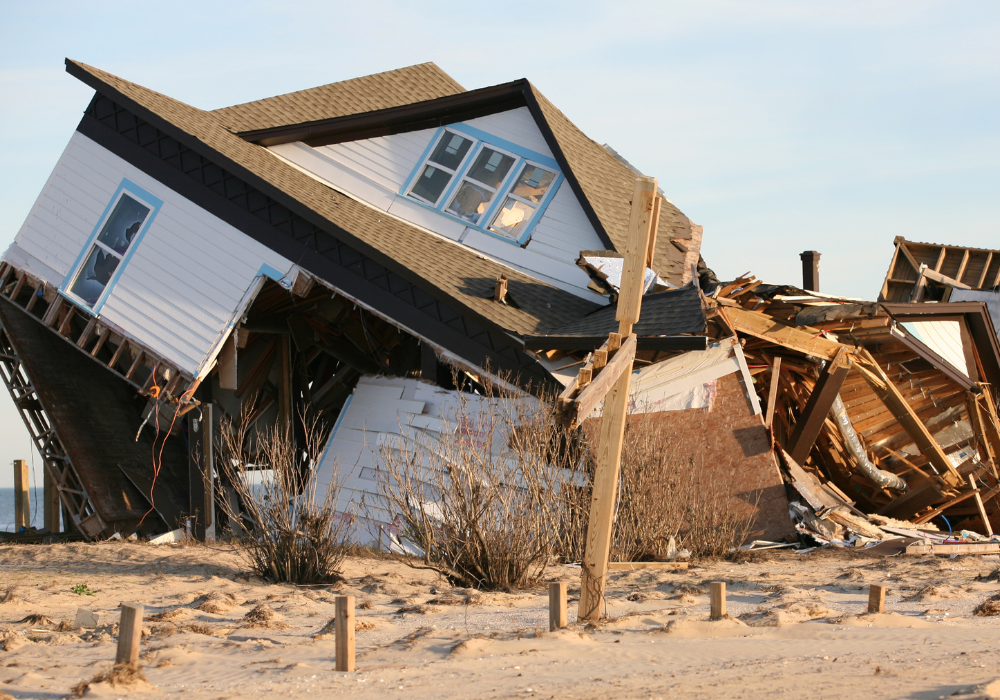
Flooded roads, failing septic systems, and swamped neighborhoods are becoming a regular scene along barrier islands and low-lying estuaries. After every big storm, towns face the same question: do we raise and reinforce—or pack up and move? Managed retreat isn’t waving a white flag; it’s a strategy to get people out of high-risk zones before the next hit.

Rebuilding isn’t easy either. As risk rises, so do costs—and insurance, FEMA maps, and lending rules keep shifting. The smartest approach blends tougher building codes, nature-based defenses, and strategic buyouts, giving people, budgets, and communities a real shot at thriving for the next decade, not just surviving the next storm.

Read more

10 Extreme Weather Events That Changed The World Forever

From volcanic winters to deadly hurricanes, these extreme weather disasters killed millions and reshaped entire civilizations.

©Image license via Canva

Dr. Brian Fagan from UC Santa Barbara has spent decades studying how extreme weather shaped human history, and his research reveals something most people never consider: some of the most pivotal moments in civilization were actually driven by weather disasters.

These weren’t just bad storms that people recovered from — they were climate catastrophes that ended civilizations, triggered mass migrations, and changed the course of human development forever.

Throughout history, there have been weather events so extreme and devastating that they literally altered the trajectory of entire societies, toppled empires, and reshaped the world map. The scary part is that climate change is now creating conditions for similar catastrophic weather events that could reshape our modern world just as dramatically.

Read more

Scientists Confirm Earlier Wildfire Seasons Are the New Normal in California

A new study shows climate change is pushing California’s wildfire season up by nearly two months — redefining ‘fire season’ forever.

©Image license via Picryl

For decades, Californians could count on wildfire season starting around late summer and ending when the rains returned in fall. Those predictable patterns are now completely gone, replaced by a terrifying new reality where fires can start in January and burn through December.

What used to be “fire season” has become “fire year,” and scientists have the data to prove this isn’t temporary — it’s the new permanent normal. Fire researcher Dr. A. LeRoy Westerling from UC Merced has been tracking California wildfire patterns for over 20 years, and his latest research shows that fire seasons now start 75 days earlier and end 50 days later than they did in the 1970s.

This means California is facing an additional four months of fire danger every year, fundamentally changing how people must live, work, and plan their lives in the Golden State.

Read more