European Wildfires Force Evacuations at Tourist Sites and Nature Reserves

Authorities evacuate thousands as fires spread across popular vacation areas and protected forest regions.
©Image license via Picryl

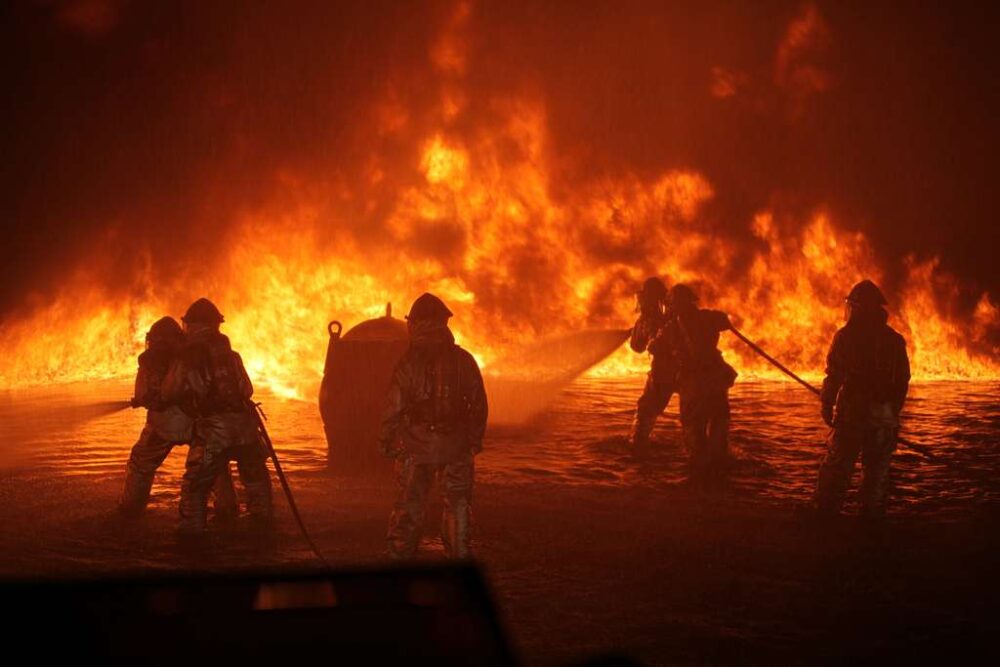
Thousands of tourists and residents across Europe are being forced to evacuate as wildfires tear through some of the continent’s most beloved vacation destinations and pristine forests. From the Greek islands to Spain’s coastal resorts, emergency crews are battling multiple blazes that have already consumed hundreds of thousands of acres and show no signs of slowing down.

Popular tourist spots including beach resorts, historic towns, and national parks have been forced to close as flames approach critical infrastructure and threaten lives. The European Forest Fire Information System reports that this year’s fire activity is already 60% higher than the annual average, with extreme heat and drought conditions creating perfect conditions for rapid fire spread.

Airport closures, highway evacuations, and hotel relocations are disrupting millions of summer vacation plans across the region.
Read more

Global Temperatures Shatter All-Time Records as Extreme Heat Spreads Worldwide

Multiple countries report their hottest temperatures ever as dangerous heat wave affects millions worldwide.

©Image license via Canva

Temperature records are falling across the planet as an unprecedented global heat wave pushes thermometers to levels never before recorded in human history. Over 30 countries have registered their highest temperatures ever in just the past week, with cities breaking century-old records by shocking margins—sometimes by 10 degrees or more.

What makes this heat wave particularly alarming is that it’s happening simultaneously across multiple continents, affecting billions of people and overwhelming hospitals, forcing business closures, and straining power grids.

Scientists say this coordinated global heat event represents a new level of climate extremes that could become more common in the coming years.

Read more

Tropical Storm Erin Could Become First Hurricane of the Season

Meteorologists monitor rapid intensification as Erin threatens to bring dangerous winds and flooding to coastal areas.

©Image license via Canva

Tropical Storm Erin is rapidly gaining strength over the warm Atlantic waters, and weather experts are closely watching its potential to become the first hurricane of the 2025 season. The storm’s unexpected intensification has caught forecasters’ attention as wind speeds continue climbing toward hurricane-force thresholds.

Currently packing sustained winds of 65 mph, Erin sits just 9 mph below the 74 mph threshold that would officially classify it as a Category 1 hurricane. The National Hurricane Center has begun issuing advisories as the storm tracks toward populated coastal regions. Here’s what residents and travelers need to know about this developing weather situation.

Read more

How One City Solved Two Problems by Turning Garbage Into Electricity

Waste-to-energy technology transforms municipal garbage into clean electricity, reducing landfill waste while powering thousands of homes.

©Image license via Canva

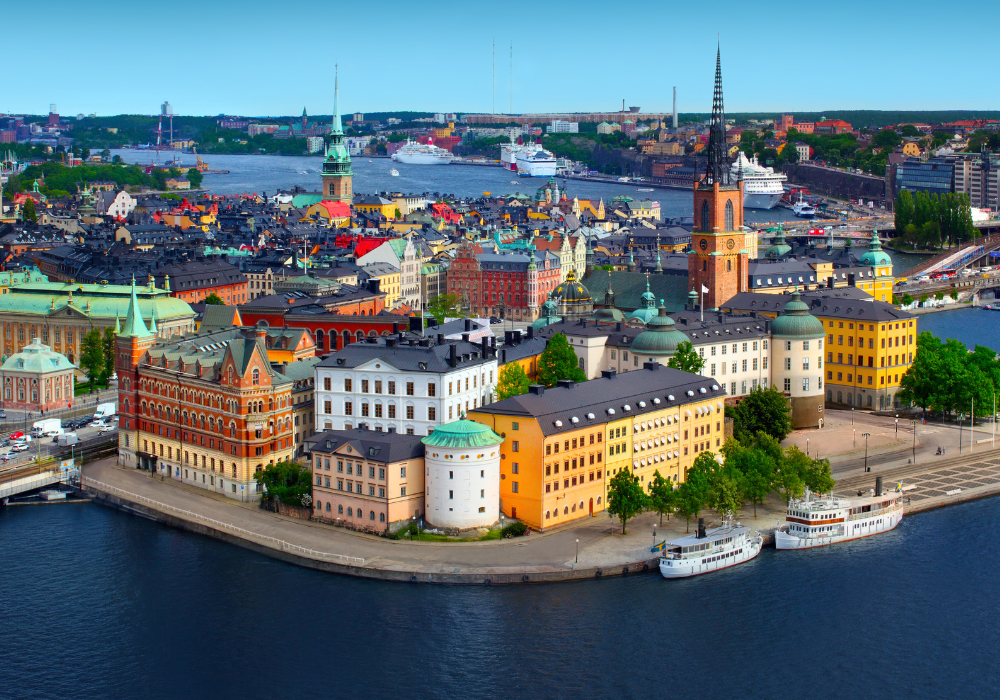
Stockholm, Sweden, has pulled off something amazing: they’ve turned their trash problem into free energy. The city burns almost all of its garbage to create electricity and heat for hundreds of thousands of homes. This isn’t some small experiment—Stockholm now powers 250,000 homes and heats nearly a million apartments just by burning what most cities bury in the ground.

The program works so well that Stockholm actually imports garbage from other countries because they don’t produce enough trash to keep their power plants running. What started as a waste problem has become a money-making energy business.

Read more

Why Your Electric Bill Could Double Thanks to the AI Boom

AI data centers consume massive amounts of electricity, forcing utilities to raise rates and strain power grids nationwide.

©Image license via Canva

Your monthly electric bill is about to get a lot more expensive, and the culprit isn’t your air conditioner or old appliances — it’s artificial intelligence. Industry analysts predict that AI’s massive electricity demands could increase the average American household’s electric bill by 20-30% over the next five years as utilities scramble to build the infrastructure needed to power the AI revolution.

The AI transformation of everything from search engines to smartphones requires massive amounts of electricity to power the data centers where all that computing happens. What most people don’t realize is that training a single AI model can consume as much electricity as hundreds of homes use in an entire year.

Read more

The Hidden Mental Health Crisis Flood Survivors Don’t Talk About

Natural disasters leave lasting psychological wounds that can persist for years, but mental health support often disappears quickly.

©Image license via Flickr

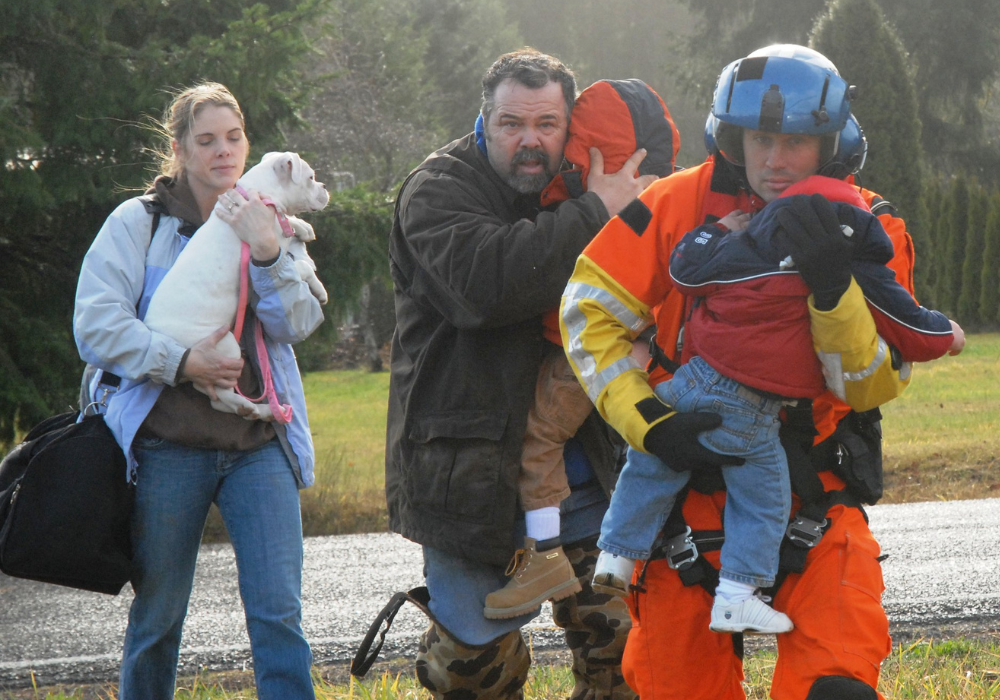
When the floodwaters recede and the cameras leave, flood survivors face an invisible battle that can last for years. While communities focus on rebuilding homes and businesses, many people struggle with anxiety, depression, and post-traumatic stress that develops long after the initial disaster.

Studies show that up to 40% of flood survivors develop serious mental health problems, but these psychological wounds often go untreated because the focus shifts to physical recovery. The trauma isn’t just about losing possessions—it’s about feeling helpless, unsafe, and fundamentally changed by an experience that turned life upside down in a matter of hours.

Read more

The Major River That Mysteriously Stopped Flowing—And What It Means

Unprecedented drought and climate shifts have caused a vital waterway to disappear, threatening ecosystems and communities.

©Image license via Canva

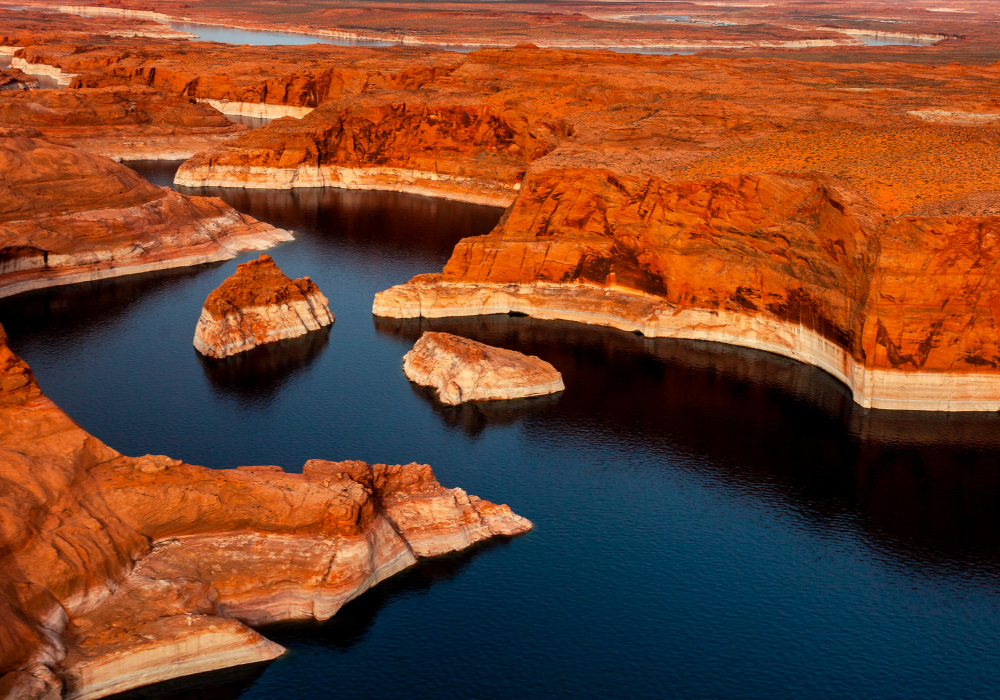
The Colorado River, a lifeline for 40 million Americans across seven states, has reached a historic tipping point. Lake Mead, the massive reservoir that feeds the river, has dropped to its lowest levels since the 1930s, causing sections of the waterway to stop flowing entirely.

This unprecedented crisis, driven by extreme drought and rising temperatures, threatens drinking water supplies, agricultural production, and hydroelectric power generation across the Southwest. The river’s decline serves as a stark warning about the accelerating impacts of climate change on America’s most vital water resources.

Read more

What Happens When an Entire Community Grows Everything They Eat

How one village ditched grocery stores, reduced food costs by 80%, and created a sustainable farming revolution.

©Image license via Canva

Imagine never worrying about rising grocery prices, empty shelves, or whether your food is fresh and healthy. In a small village nestled in the mountains of northern Spain, this isn’t a fantasy—it’s daily life. The 300 residents of Marinaleda have created something extraordinary: a completely self-sufficient food system where every meal comes from their own soil.

Through innovative community farming, cooperative gardens, and neighbor-to-neighbor sharing, they’ve eliminated food insecurity while building stronger social bonds. Their remarkable transformation offers a glimpse into how communities everywhere might reimagine their relationship with food.

Read more

The Hidden Link Between Climate Change and the Rise of Lyme Disease

Warmer temperatures and changing weather patterns are creating perfect conditions for tick-borne diseases to thrive nationwide.

©Image license via Canva

Lyme disease cases have surged dramatically across the United States, with reported infections tripling since the 1990s. While many factors contribute to this alarming trend, climate change plays a crucial but often overlooked role in expanding tick habitats and extending disease transmission seasons.

Rising temperatures, shifting precipitation patterns, and changing ecosystems are creating ideal conditions for disease-carrying ticks to thrive in new regions, putting millions more Americans at risk for this debilitating illness.

Read more

The City That Could Be Uninhabitable Within 30 Years

Las Vegas faces extreme heat, water shortages, and climate challenges that could make the desert city unlivable by 2054.

©Image license via Canva

Las Vegas has always been a city that defied nature — a glittering oasis built in one of America’s harshest deserts where temperatures regularly exceed 100°F and water is scarcer than gold. But what once seemed like human ingenuity triumphing over impossible conditions is starting to look more like a massive miscalculation.

The city that never sleeps is facing a climate reality that could force it into permanent slumber within the next three decades. Climate scientist Dr. Matthew Lachniet from UNLV has been studying the region’s long-term habitability, and his research paints a terrifying picture of a city racing toward uninhabitable conditions faster than anyone anticipated.

Read more