The Planet’s Dying—and Some Experts Say Capitalism Is to Blame

From endless growth to corporate greed, this system may be pushing us toward climate collapse.

©Image license via Canva

Environmental historian John Bellamy Foster warns that capitalism’s addiction to growth is tearing the planet apart. He calls it a “grow-or-die imperative,” and it’s easy to see what he means. Companies are constantly expanding, extracting, and competing—leaving wrecked ecosystems and exhausted resources in their wake.

Pollution, rising temperatures, vanishing species—all symptoms of a system chasing profit at any cost. And the worst part? The people who benefit most aren’t the ones paying the price. If we want a livable future, we have to look honestly at how capitalism is driving this mess.
Read more

They’re Using Oysters to Battle Sea Level Rise—And These 10 Reasons Prove It’s Brilliant

This small town’s oyster reef project is redefining coastal erosion control and turning shellfish into shoreline superheroes.

©Image license via Flickr

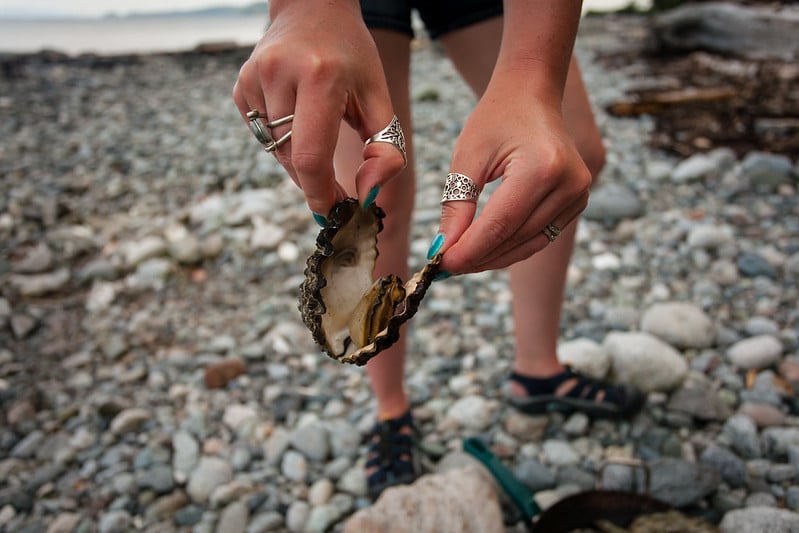
As sea levels rise and storms grow stronger, the coastal town of Barnegat Light, New Jersey isn’t turning to concrete seawalls or high-tech engineering—it’s turning to oysters. Yes, oysters. These humble shellfish are being used to fight off coastal erosion, absorb wave energy, and help restore fragile ecosystems.

What might seem like a quirky idea is actually backed by science and growing global interest in nature-based climate solutions. Oyster reefs, once overharvested and overlooked, are now getting a second chance—as coastal defenders. And in Barnegat Light, they may just be the key to saving the shoreline.

Read more

Why the Jellyfish Boom Along UK Beaches Should Worry All of Us

The jellyfish takeover isn’t just a beach nuisance—it’s a symptom of a changing ocean.

©Image license via Canva

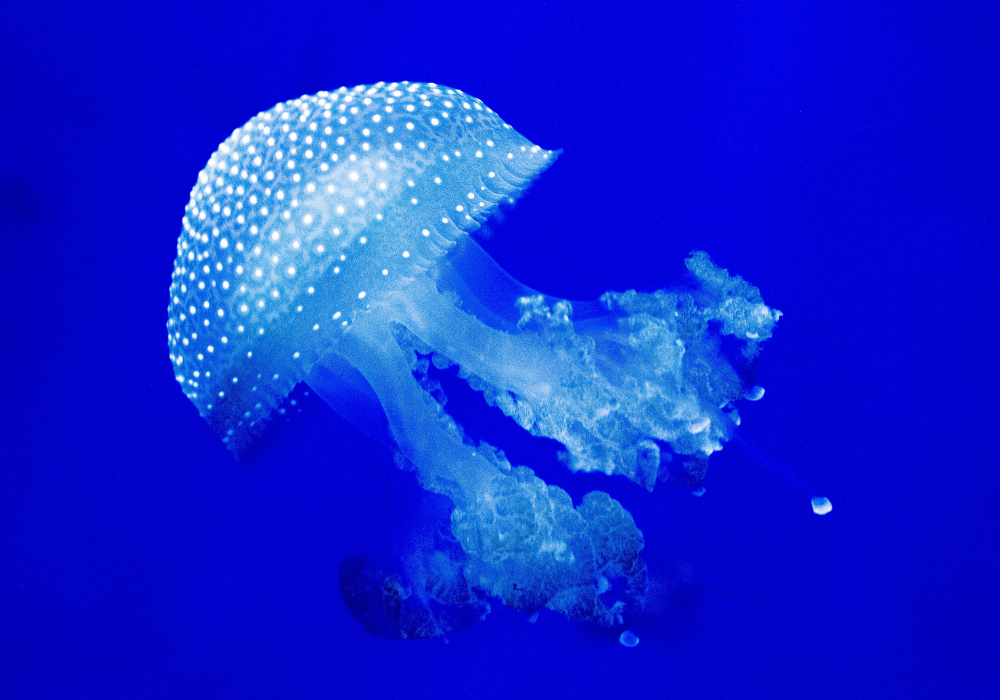
The gentle ebb and flow of the tide along the UK’s stunning coastline has long been a source of pleasure and relaxation for beachgoers. Lately, however, a new phenomenon is causing concern: a significant and unsettling increase in jellyfish populations. While the sight of these graceful, pulsating creatures might seem like a harmless curiosity, their burgeoning numbers are a clear signal of deeper environmental issues.

This “jellyfish boom” isn’t just a fleeting trend; it’s a symptom of a troubled marine ecosystem and a potential threat to our coastal communities, tourism, and even our food security.

Read more

Everyone Wants Lithium—Here Are 12 Reasons That’s a Problem

Why the race for lithium power raises urgent issues for sustainability and global supply chains.

©Image license via Flickr

Lithium has become the golden child of the clean energy revolution. It powers electric vehicles, fuels massive battery storage, and supports our shift away from fossil fuels. But the rush to mine this “white gold” has its downsides—many of which are quietly unfolding far from headlines. Beneath the eco-friendly sheen lies a tangle of environmental, social, and ethical concerns that could reshape how we think about sustainability.

Experts warn that unchecked lithium extraction may trade one crisis for another, with consequences rippling across communities and ecosystems. The world may want lithium—but we need to ask at what cost.

Read more

NASA Just Found Planets More Habitable Than Earth—Here’s What That Means

These newly discovered worlds could offer better conditions for life than our own planet.

©Image license via Canva

Earth may no longer be the gold standard. NASA’s latest discovery has turned conventional wisdom on its head by identifying planets that potentially surpass Earth in habitability. Geobiologist Professor Dirk Schulze‑Makuch, who helped pinpoint 24 top superhabitable planet candidates, says: “These worlds could offer conditions even more suitable for life than Earth has ever had.” That’s not hype—it’s based on deeper science.

These planets orbit long-lived stars, may carry more water, have protective atmospheres, and clock in at the optimal age for life to thrive. For the first time, Earth might have competition in being truly livable.

Read more

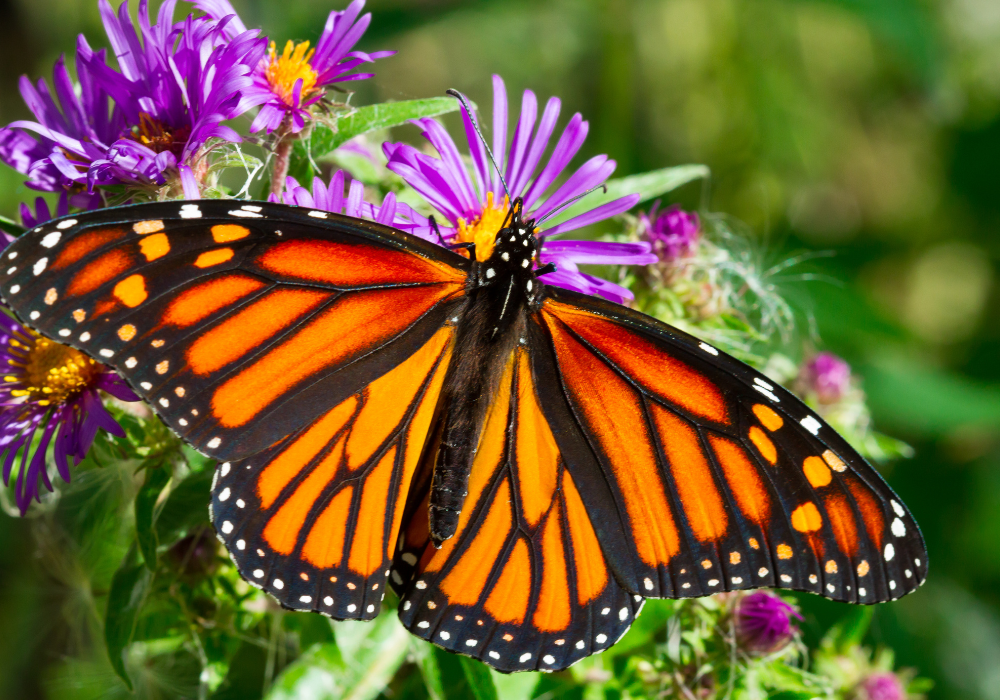
13 Breathtaking Butterfly Species at Risk Due to Climate Crisis

Explore the Stunning Diversity of Butterfly Species Facing Extinction as Climate Change Accelerates Global Threats

©Image license via Canva

Butterflies are more than just beautiful—they’re essential pollinators and indicators of ecosystem health. But climate change is pushing many species to the brink. Shifting temperatures, severe weather, and disappearing habitats are placing overwhelming stress on butterflies across the globe. Scientists say these dramatic declines aren’t just sad—they’re urgent warnings.

When butterfly populations drop, it signals that broader biodiversity is unraveling. From mountaintops to coastlines, these delicate insects are struggling to adapt to a fast-changing world. The climate crisis isn’t coming for them—it’s already here. And these 13 breathtaking butterfly species may be some of its earliest casualties.

Read more

12 Lessons from 12 Civilizations That Collapsed (And Why We Could Be #13)

Uncover the Warning Signs, Causes, and Patterns Behind History’s Greatest Societal Collapses—And What They Mean for Us Today

©Image license via Pixabay

History doesn’t just repeat—it warns. From the Maya to the Romans, once-mighty civilizations collapsed under the weight of their own decisions. While natural disasters and invasions played a role, many of these societies triggered their own downfall through what experts call self-termination. Whether it was environmental destruction, political gridlock, or social inequality, their mistakes weren’t accidents—they were patterns.

Today, the signs are unsettlingly familiar. As we face climate change, widening economic gaps, and broken political systems, historians and scientists are sounding the alarm. The stories of ancient civilizations aren’t just about the past—they’re flashing red lights for our future.

Read more

Two Massive Storm Paths Are Colliding—Here’s What That Could Mean for America

Climate scientists warn that merging storm tracks could trigger more extreme weather events across the U.S.

©Image license via Canva

Meteorologists are sounding the alarm over a potential clash of U.S. weather systems: the Pacific and Atlantic storm tracks may be moving toward each other, creating powerful new storm dynamics.

Dr. Jennifer Francis, a senior atmospheric scientist at the Woodwell Climate Research Center, explains that “the Arctic is warming much faster than anywhere else on Earth”, which disrupts the jet stream and leads to slower, more meandering weather patterns—paving the way for storms to merge and intensify. If this trend continues, we may be entering a new era of atmospheric instability driven by climate change—far beyond the predictable storms of the past.

Read more

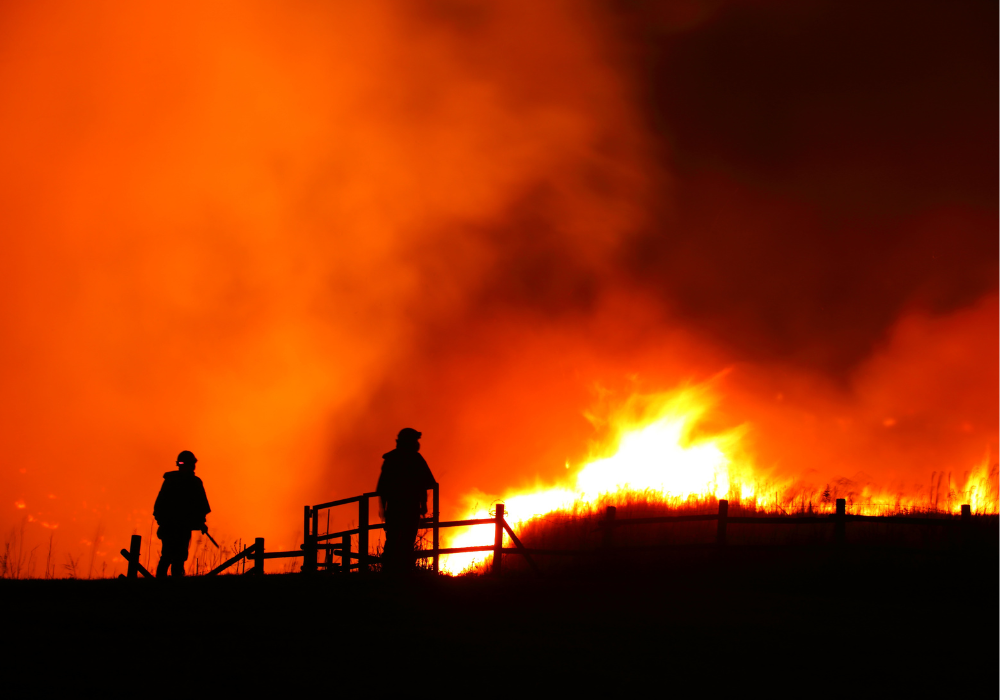
California Wildfire Creates ‘Multiple Fronts’ of Flames Across Two Counties

Gifford Fire spans over 65,000 acres with only 3% containment as extreme winds and drought conditions fuel rapid spread across Santa Barbara and San Luis Obispo counties.

©Image license via Canva

California is burning again, and this time it’s bigger than anyone expected. The Gifford Fire has exploded across more than 100 square miles of Los Padres National Forest, creating what firefighters are calling “multiple fronts” of flames that seem to be spreading in every direction.

Three people are already injured, including one driver who was literally overrun by flames after getting out of his car on Highway 166. With over 450 homes and structures directly in the path of destruction and only 3% of this monster contained, more than 1,000 firefighters are racing against time and weather to prevent what could become another California fire disaster.

Read more

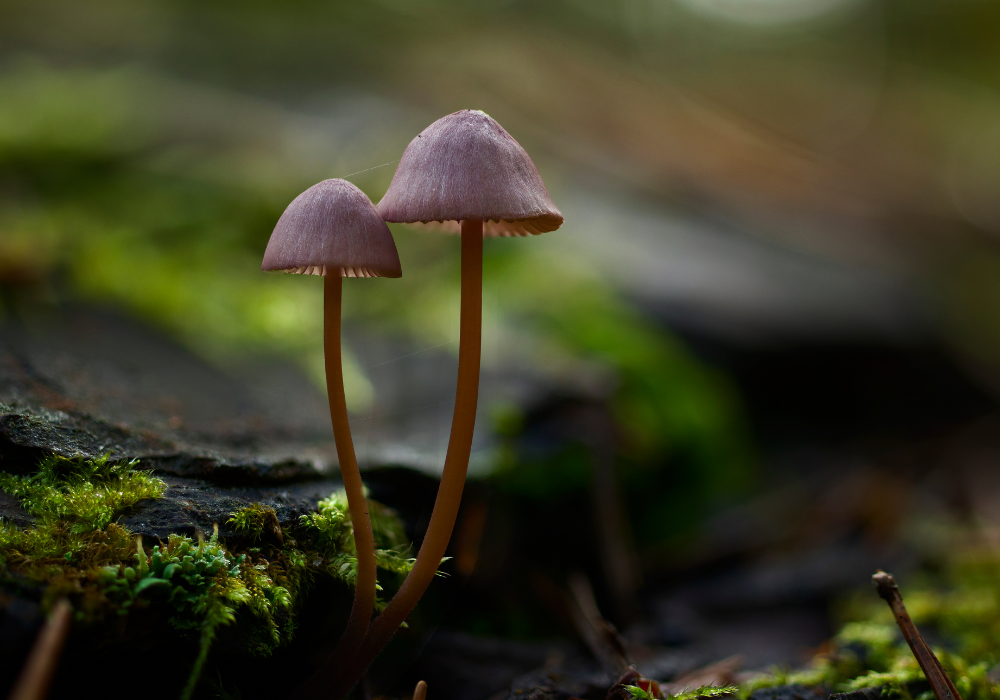
Scientists Discover Magic Mushrooms Can Extend Cell Life by 50% – Here’s How

New laboratory study shows psilocybin mushrooms dramatically slow cellular aging – what this breakthrough means for longevity research.

©Image license via Canva

Magic mushrooms just got a lot more interesting. Scientists have discovered that psilocybin – the psychedelic compound that makes you see colors that don’t exist – can actually extend the life of human cells by a staggering 50%. Yeah, you read that right. The same stuff that sends people on spiritual journeys might also be sending our cells on a journey toward longevity.

This isn’t some fringe study either. Researchers used rigorous laboratory testing to show how psilocybin dramatically slows down cellular aging at the molecular level. It’s like finding out your favorite guilty pleasure is actually a superfood.

Read more