
From empty cities to collapsing systems, the chain reaction begins far sooner than you’d expect.
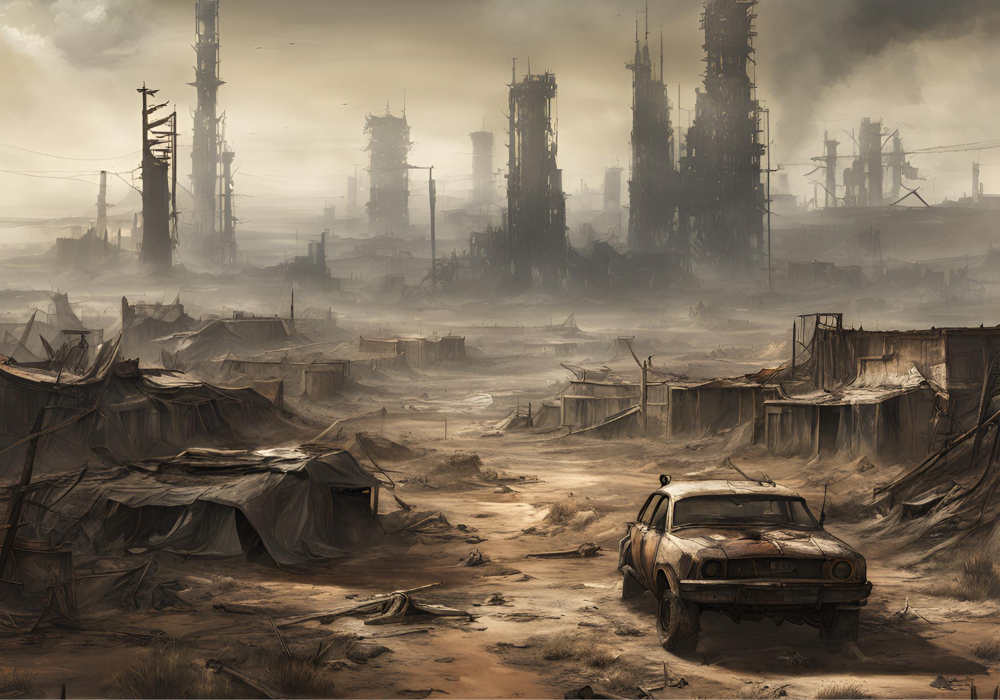
If humanity suddenly vanished, the world wouldn’t collapse all at once—but the unraveling would begin almost immediately. Scientists who study infrastructure, ecology, and climate say the planet would follow a surprisingly predictable timeline. Lights would go out within hours. Streets would flood within days. Wildlife would reclaim cities in weeks. And iconic human structures would crumble far faster than most people expect. Understanding what happens next doesn’t just reveal how fragile our systems are—it shows how much constant work it takes to keep the modern world running.
1. Within Hours, the World’s Power Grid Would Begin Failing
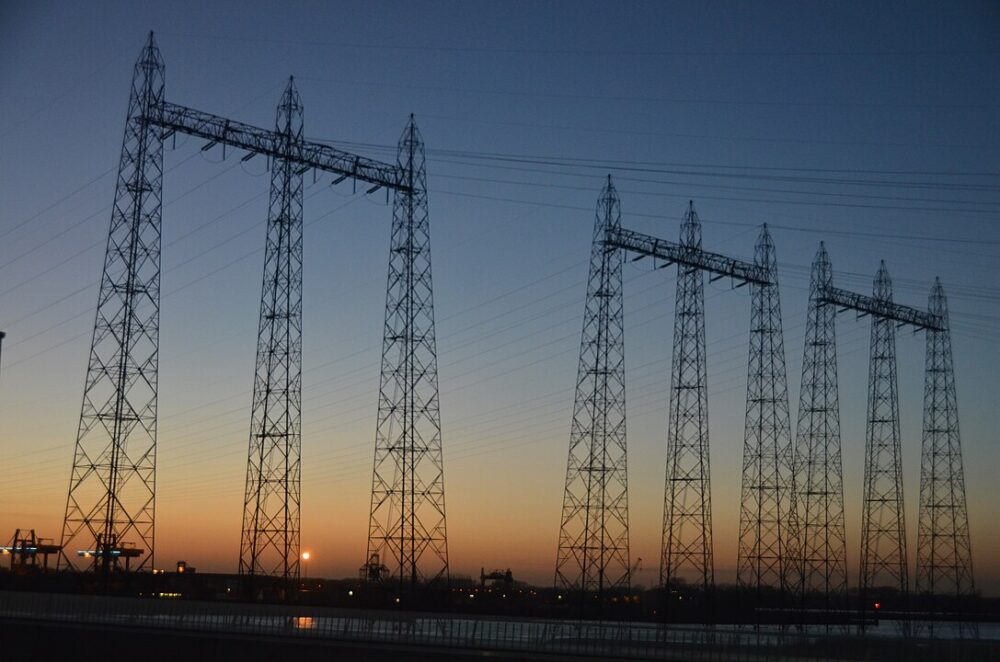
If people disappeared instantly, electricity would be the first system to collapse. Power plants need constant monitoring, fuel supply management, and automated controls supervised by humans. Without anyone at the controls, natural-gas turbines would shut down, coal plants would run out of fuel, and nuclear stations would enter automatic safety mode.
Most of the world would go dark in a matter of hours as grid instability spreads. Only some hydroelectric stations might continue for a short time, but even those would eventually fail without maintenance.
2. Within Two Days, City Water Supplies Would Break Down
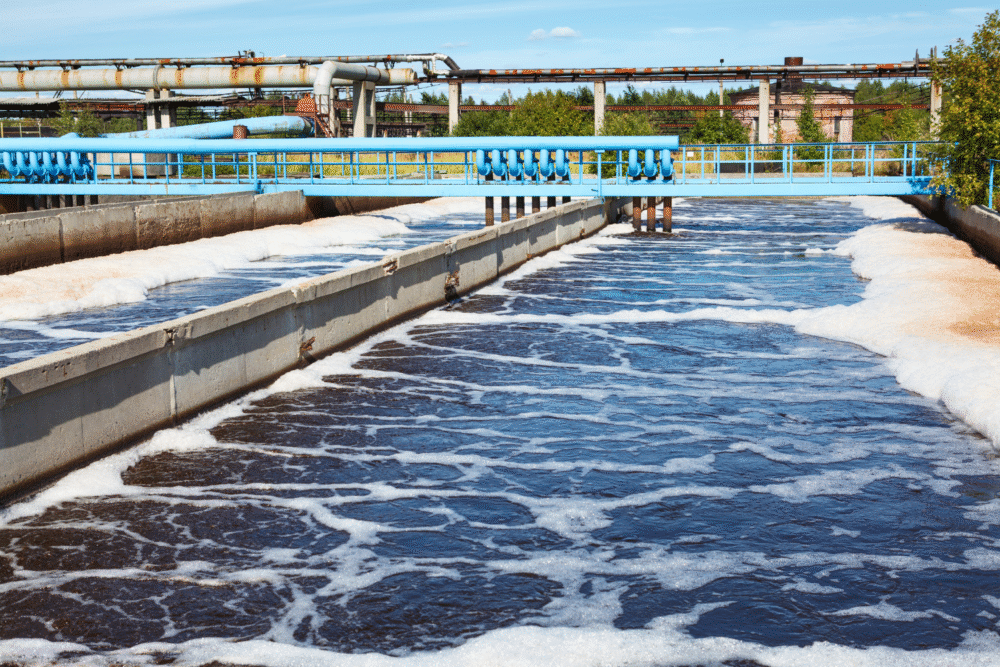
Water treatment facilities rely on pumps, chemicals, and human operators to keep drinking water safe. Within 24–48 hours, pressure in the system would drop. Pumps would stop. Wastewater would begin backing up into low-lying areas.
Reservoirs would run dry or overflow depending on their position in the system. Large cities would quickly experience flooding in drainage tunnels and groundwater seepage because no one would manage valves or storm-water systems.
3. After a Week, Mass Transit and Vehicles Would Become Obstructions
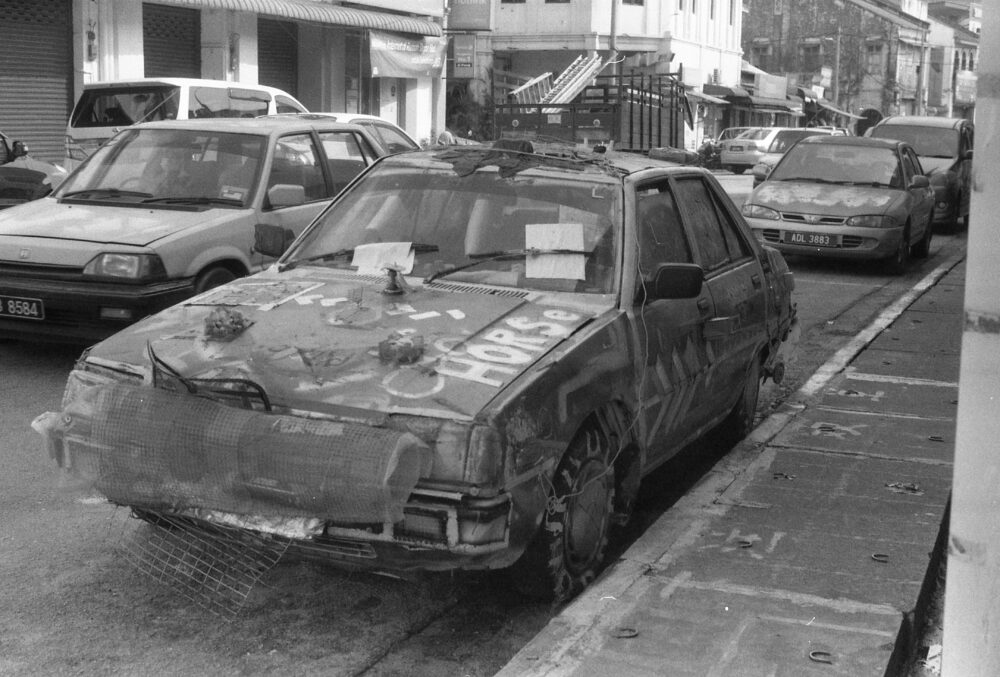
With nobody to drive them, cars would sit where they were abandoned. Trains would stop in place. Airplanes grounded on runways would remain parked indefinitely, slowly degrading under weather and heat.
Roads, runways, and railways would start to break down without maintenance. Weeds would push through cracks within weeks. Bridges would begin their long process of corrosion, with some structurally weak ones deteriorating quickly without human inspection.
4. After One Month, Wildlife Would Flood Into Empty Cities
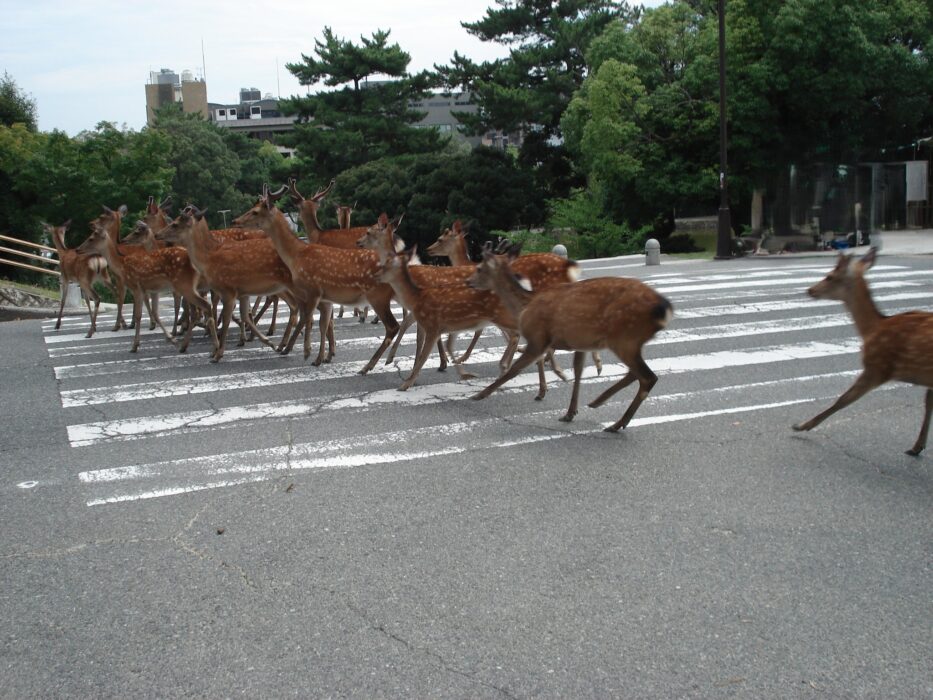
Animals are quick to reclaim abandoned spaces. Scientists have documented this in areas like Chernobyl, Detroit’s abandoned neighborhoods, and post-disaster zones. Coyotes, deer, and boar would move into suburbs; bears and wolves would return to former habitats; and birds would nest freely on buildings.
With no cars, hunting, or human noise, urban environments would become prime wildlife corridors. Pets like dogs and cats would revert to feral behavior within weeks, forming survival-based packs.
5. After Three Months, Unmaintained Buildings Would Begin Failing
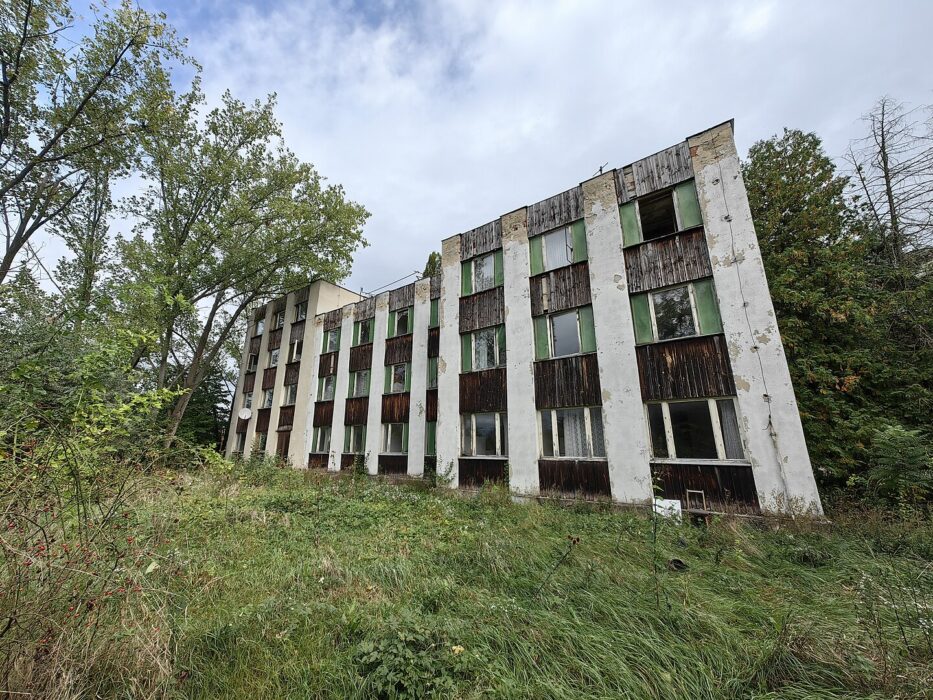
Modern buildings require constant climate control, especially in humid regions. Without heating, cooling, or ventilation, mold would spread through interiors. Wooden structures would rot. Basements would flood. Steel would begin early stages of corrosion.
Glass windows and roofing materials would start breaking during storms with no repairs afterward. Shopping malls, office buildings, and homes would rapidly degrade from moisture, pests, and temperature swings.
6. After One Year, Fires and Weather Would Alter City Skylines
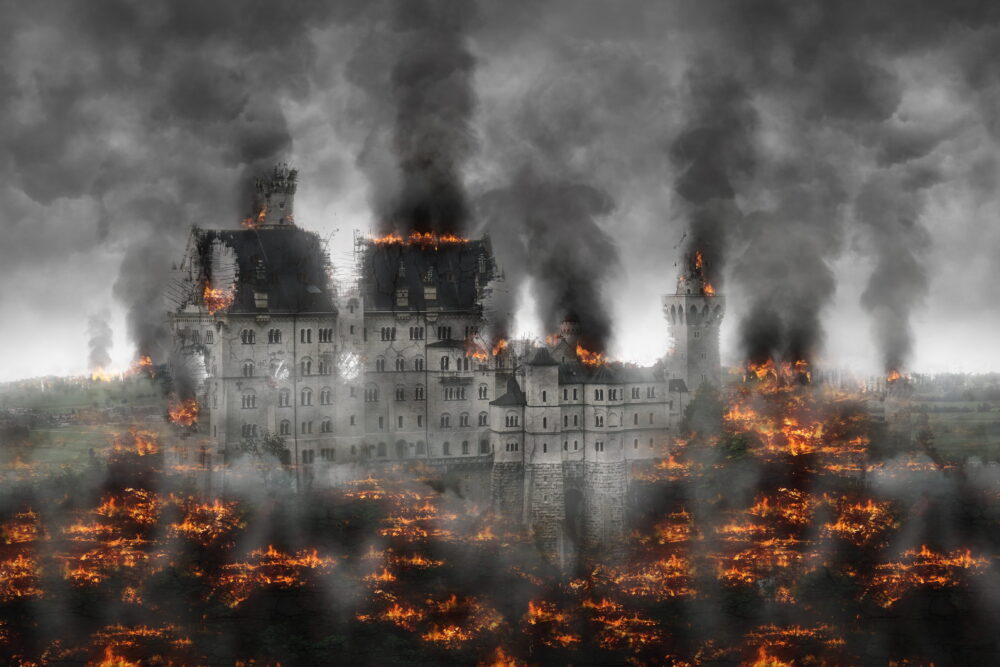
Lightning strikes, electrical shorts, and unattended flammable materials would ignite fires. Without firefighters, whole blocks could burn—especially in cities with dense wooden construction.
Snow, ice, wind, and heavy rains would take a toll on roofs and exterior surfaces. Iconic buildings would begin showing serious erosion. Some steel structures would survive longer, but brick and concrete buildings would weaken as water infiltrates cracks and freezes.
7. After 5–10 Years, Concrete Would Break Down and Forests Would Grow
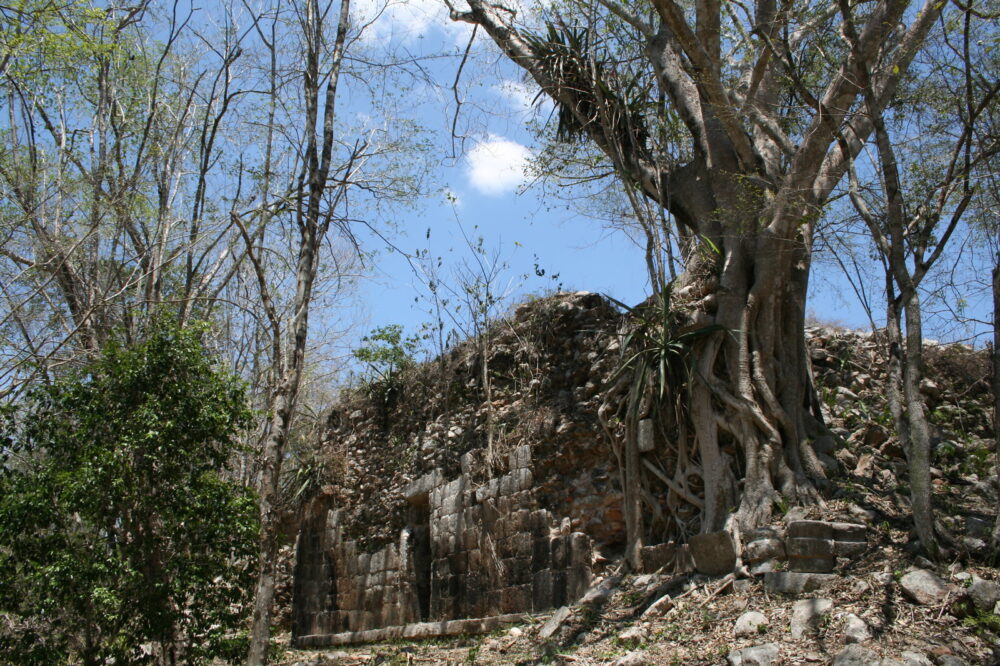
Without repairs, concrete begins to fracture, crumble, and collapse due to water intrusion and plant growth. Tree roots would push through sidewalks and foundations. Streets would be buried under vegetation.
Forests would expand into every major city in temperate regions. Grasslands would reclaim highways. Nature would rapidly erase the straight lines and hard edges humans built across landscapes.
8. After 20 Years, Skyscrapers Would Start to Fail
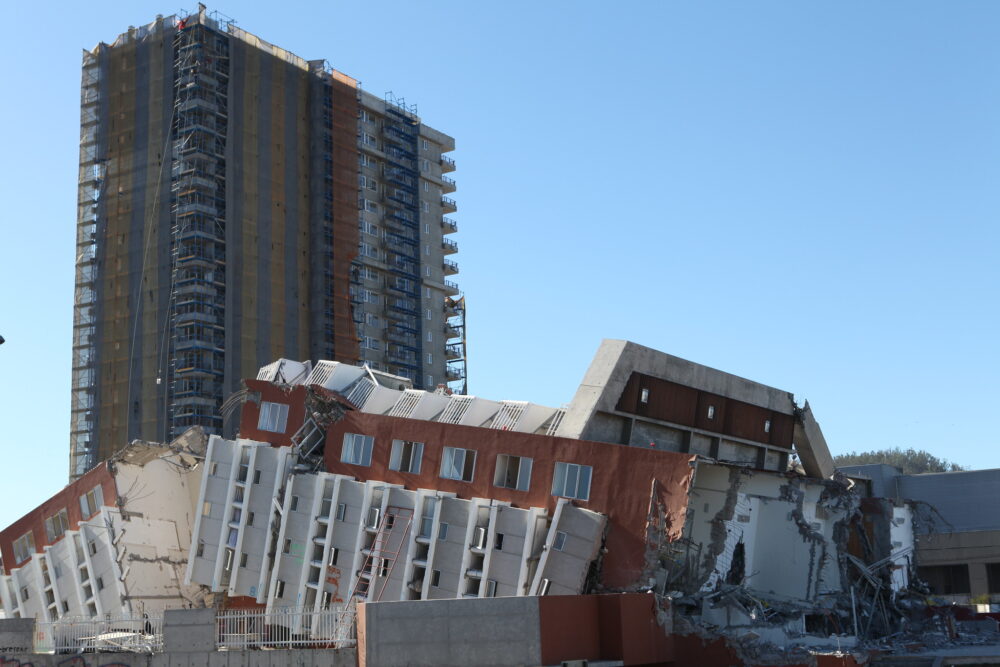
Steel skyscrapers are strong but not invincible. Without corrosion protection or wind-resistance maintenance, metal components weaken. Window seals fail, allowing water in. Floors begin collapsing inside the structures.
Some skyscrapers might remain standing, but many would begin crumbling due to rust, storms, or foundational failure. Cities like New York, Chicago, and Dubai would see early collapses in older or poorly designed towers.
9. After 50 Years, Major Bridges and Dams Would Begin Collapsing
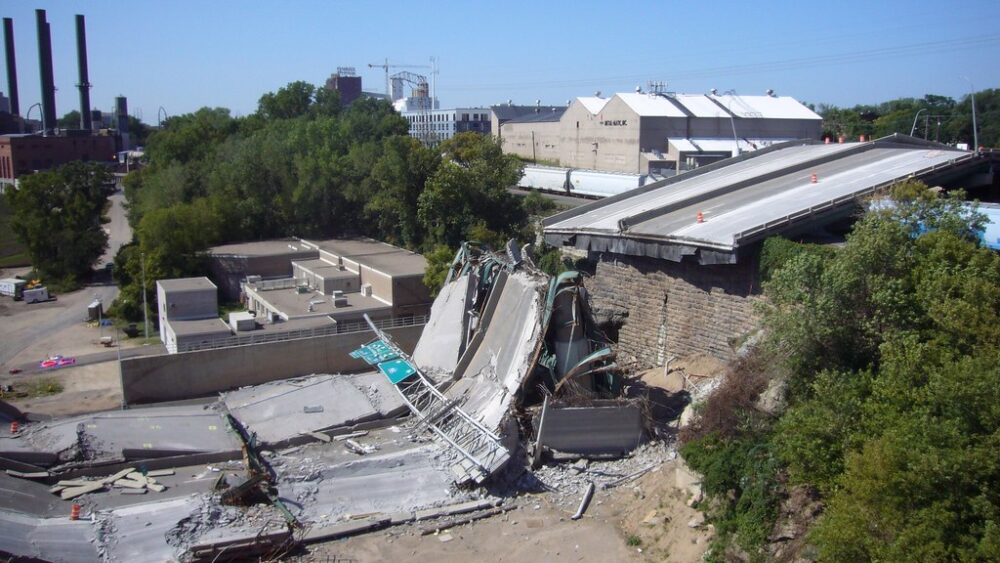
Bridges depend on constant inspection, reinforcement, and rust prevention. Without care, corrosion weakens load-bearing steel, and expanding plant roots degrade supports. Many large bridges would fail after several decades.
Dams would also be at risk. Sediment buildup, unchecked water pressure, and erosion would compromise structural integrity, causing breaches and altering rivers and lakes.
10. After 100 Years, Most Cities Would Look Like Forests With Ruins

By this point, vegetation would dominate nearly every urban area. Trees would tower over former streets. Rivers would shift naturally through neighborhoods. Tall buildings would exist only as skeletal remains.
The world would resemble archaeological sites—nature covering the remnants of roads, skyscrapers, and industrial facilities. Large animals would roam freely where people once lived, creating a landscape more like a wildlife reserve than a metropolis.
11. After 500 Years, Only the Strongest Structures Would Remain
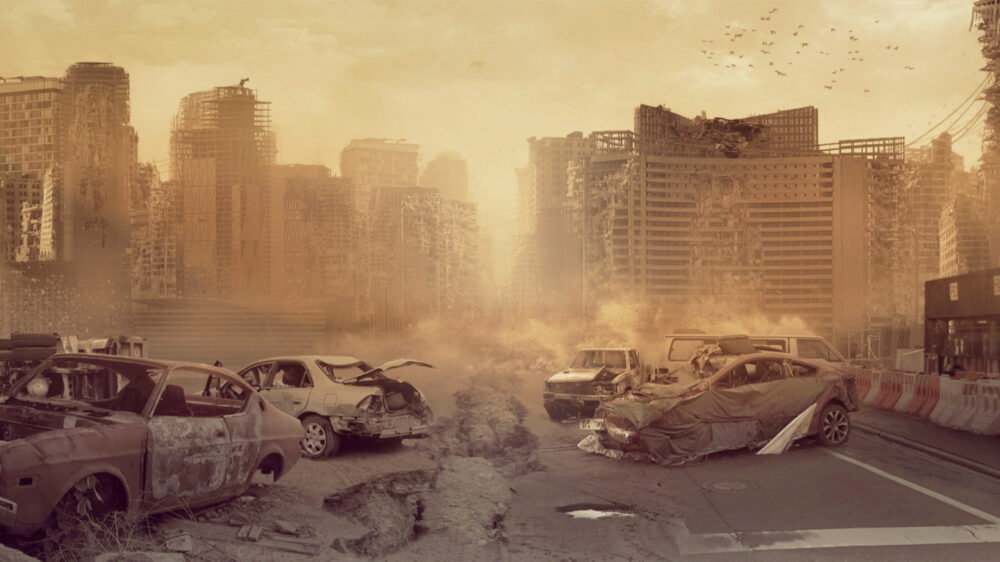
Most human-made materials—concrete, steel, glass—would have deteriorated. Only the most durable constructions, such as stone monuments and select reinforced structures, would still stand in recognizable form.
Landscapes would be shaped by climate, erosion, and vegetation rather than human engineering. The last visible traces of modern cities would resemble ancient ruins, consumed by geology and time.
12. After 10,000 Years, Almost All Evidence of Modern Civilization Would Be Gone

Geological processes, plant succession, erosion, and natural disasters would erase nearly all modern structures. Skyscrapers, homes, highways, and dams would be indistinguishable from the natural landscape.
Only a few artifacts—stone carvings, buried plastics, stainless steel, or radioactive materials—might remain detectable to future species or extraterrestrial visitors. In the long view of Earth’s history, humanity’s physical footprint would be surprisingly temporary.