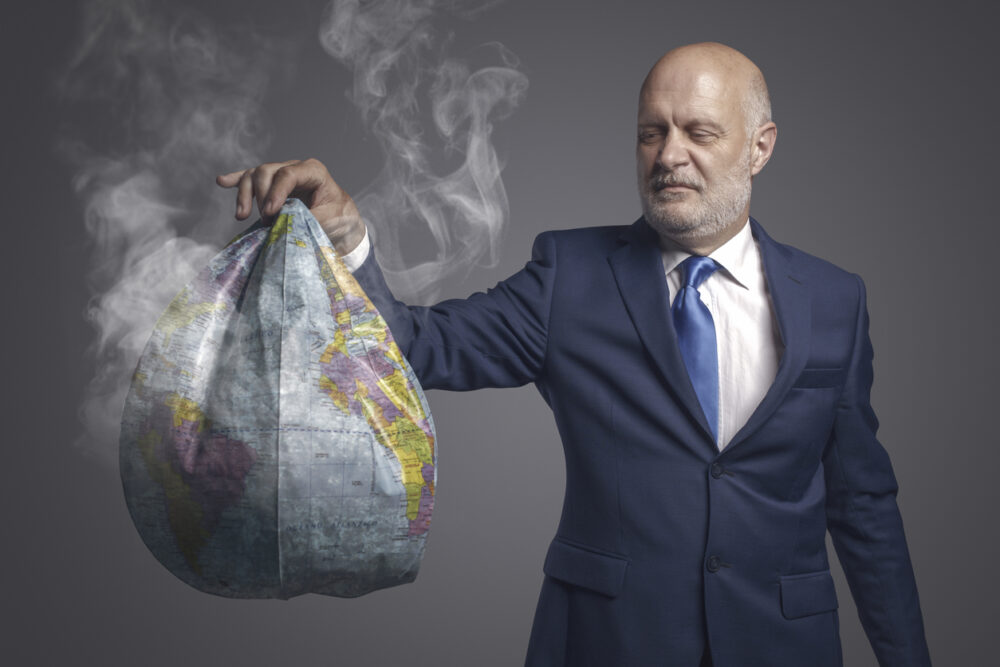
These 12 Insects Are Thriving Because the Planet’s on Fire—and They Want a Taste of You

These climate-fueled creepy crawlies are multiplying fast and biting harder than ever.

©Image license via iStock

While humans sweat, swat, and panic over every new heat record, insects are having the time of their lives. Rising temperatures mean faster reproduction. Milder winters increase survival. Longer summers offer more time to bite, sting, and creep into new territory. Thanks to climate change, bugs are no longer just buzzing—they’re booming.

Species once locked into tropical zones are moving north. Some are arriving earlier, staying longer, or evolving in ways that make them even more irritating—or downright dangerous. Insects that were once rare nuisances are now daily visitors, and in many places, they’re coming in hot (literally). The usual seasonal break from bug activity is disappearing, and insect-borne diseases are hitching a ride along with them. This isn’t a temporary annoyance. It’s a full-blown infestation revival powered by heat, chaos, and just the right amount of human misery.

Read more

13 Times Climate Scientists Screamed for Change—But We Just Kept Consuming

The warnings have been loud and clear—so why haven’t we listened?

©Image license via iStock

For decades, climate scientists have been ringing the alarm bells. They’ve published reports, testified before governments, and presented overwhelming evidence that the planet is heating up at a catastrophic rate. Each time, the message has been the same: act now, or suffer the consequences. And yet, instead of urgent action, the world has doubled down on consumption—more fossil fuels, more plastic, more mindless shopping sprees.

As predictions turn into reality, the disasters keep piling up. Ice caps are vanishing, wildfires are raging longer, and extreme weather is rewriting history. Scientists didn’t just warn us about this—they practically begged us to change course. Yet every time, society chose business as usual. Policies stalled, corporations lobbied, and the public tuned out. Here are 13 moments when climate experts sounded the alarm, and we responded by swiping our credit cards.

Read more

Say Goodbye to Cheap Food—13 Ways Climate Change Is Driving Prices Out of Control

The cost of groceries isn’t just rising—it’s skyrocketing, and the climate crisis is a big reason why.

©Image license via Canva

Food prices aren’t just climbing because of inflation. Climate change is wrecking global food production, making everything from bread to coffee more expensive. Droughts are draining water supplies, floods are wiping out entire harvests, and extreme heat is shrinking crop yields. Farmers are struggling to keep up with unpredictable weather, and supply chains are buckling under the pressure. The result? Higher grocery bills with no sign of relief.

Some of the world’s most essential foods—wheat, rice, seafood, and even chocolate—are already seeing major price hikes, and the problem is only going to get worse. With soil quality declining, natural disasters becoming more frequent, and entire ecosystems shifting, the days of cheap, reliable food are quickly disappearing. Unless major changes happen, your next grocery run will keep costing more. Here are 13 ways climate change is making your food more expensive.

Read more

11 Ways Gen Z Is Fighting for a Better Planet While Boomers Call Them Cynical

While older generations roll their eyes, Gen Z is actually making a difference.

©Image license via Canva

Older generations love to call Gen Z lazy, cynical, or too idealistic, but when it comes to fighting climate change, no generation is taking more action. They see the effects of environmental destruction in real-time—rising temperatures, devastating wildfires, plastic-choked oceans—and they refuse to sit back and accept it as inevitable. Unlike the generations before them, they aren’t just talking about change; they’re demanding it.

From leading global climate strikes to rejecting fast fashion, Gen Z is holding corporations accountable, voting for climate-focused leaders, and using social media to educate and mobilize millions. They’re not waiting for governments or big business to step up—they’re taking action themselves.

The planet is changing fast, and Gen Z is making sure the response is just as rapid. Their passion, innovation, and refusal to back down prove that climate activism isn’t a trend—it’s a movement with real power.

Read more

10 Trippy Truths About Psychedelics Saving the Environment You Won’t Believe

These mind-expanding substances might be the unexpected key to saving the planet.

©Image license via Canva

Psychedelics have long been associated with counterculture, mind-expanding trips, and spiritual awakenings, but their impact goes far beyond human consciousness. In unexpected ways, these substances are intersecting with environmental science, conservation, and sustainability efforts. From soil-regenerating fungi to ocean-restoring seaweed farms inspired by psychedelic research, nature’s most mind-bending compounds are finding their way into some seriously groundbreaking solutions.

Researchers are discovering that psychedelic experiences often lead to deeper environmental awareness, changing the way people interact with the planet. At the same time, naturally occurring psychedelics—like psilocybin mushrooms—play hidden roles in ecosystem health. Some of the weirdest, most unexpected environmental breakthroughs are happening because of psychedelics, either directly or through the altered perspectives they inspire. Here are 10 ways these substances are shifting not just human consciousness, but the future of the planet itself.

Read more

The Parenting Playbook for a Hotter Planet—10 Lessons Gen X Is Teaching Their Kids

The world is changing fast, but these lessons will help the next generation thrive.

©Image license via Canva

For Gen X parents, sustainability isn’t just a trendy buzzword—it’s a necessity their kids will inherit. Unlike previous generations, Gen X grew up in a world where recycling was still a novelty, but they’ve watched climate change evolve from a distant worry to an undeniable reality. Now, they’re passing down hard-earned lessons on how to adapt, conserve, and make smarter choices for a hotter, more unpredictable planet.

These aren’t just rules about turning off the lights or taking shorter showers—they’re practical, lived-in lessons about resilience, resourcefulness, and responsibility. They’ve learned that sustainability isn’t about perfection, but about making everyday choices that add up over time. As their kids grow into the next generation of decision-makers, these teachings will shape how they navigate an increasingly unpredictable world. Here are 10 lessons Gen X is instilling in their children to prepare them for the future.

Read more

13 Climate Action Steps That Actually Matter When Everything Seems Hopeless

When doomscrolling isn’t enough, these are the actions that truly matter.

©Image license via Canva

The climate crisis is here, and it’s not waiting for us to finish our morning coffee. Every week brings new headlines about melting ice caps, wildfires, and record-breaking heatwaves. Meanwhile, we’re told to solve it by using metal straws and carrying tote bags. It’s enough to make anyone wonder, Is anything I do actually making a difference?

Here’s the truth: small lifestyle changes are great, but real climate action means going bigger. The biggest polluters aren’t individuals—they’re industries, corporations, and policies that keep fossil fuels at the center of everything. That’s where the real fight is.

If you’re exhausted from trying to be the perfect eco-friendly citizen while oil companies wreck the planet, you’re not alone. But there are steps that matter—actions that push for real change instead of just making you feel better. Whether you’re a climate newbie or a seasoned activist, here are 13 ways to fight back in a way that actually counts.

Read more

How Many of These 12 Corporate Sustainability Lies Have Fooled You?

Greenwashing is everywhere—don’t let these industry tricks fool you.

©Image license via Canva

Big brands love to slap words like “eco-friendly,” “sustainable,” and “carbon neutral” on their products. They want you to believe they’re part of the solution, not the problem. But behind the glossy marketing and green logos, many companies are still doing business as usual—polluting, overproducing, and cutting corners in ways that hurt both the planet and consumers.

From misleading labels to shady offsets, corporations have mastered the art of looking green while doing the bare minimum. They know most people don’t have time to dig into the fine print, so they use buzzwords and vague claims to make their products seem more ethical than they really are. These tactics work, but once you know the tricks, you won’t fall for them again. Here are the biggest sustainability lies companies want you to believe—and the truth they don’t want you to know.

Read more

11 Underdog Communities That Said “No More” to Big Polluters

Against all odds, these communities took on environmental villains.

©Image license via Canva

Corporate giants have spent decades polluting air, poisoning water, and bulldozing landscapes with little resistance. But not every town, neighborhood, or indigenous land has rolled over in defeat. Some communities, against all odds, have risen up, fought back, and sent polluters packing. These aren’t just stories of resistance—they’re proof that grassroots activism works, even when the odds seem impossible.

From tiny towns taking on oil refineries to indigenous groups blocking destructive pipelines, these underdog communities refused to be collateral damage for corporate greed. Many faced legal threats, political pressure, and economic retaliation, but they stood their ground. Their victories weren’t just local—they set powerful precedents, inspiring others to demand justice and environmental accountability.

They didn’t have billion-dollar budgets, high-powered lawyers, or political influence. What they did have was determination, resilience, and a refusal to let corporate greed destroy their homes. Here’s how they fought back—and won.

Read more

Stop Pretending to Be Green If You’re Still Doing These 12 Things

Claiming to be sustainable doesn’t mean much if these habits are still in the mix.

©Image license via Canva

Living an eco-friendly lifestyle isn’t just about swapping plastic straws for metal ones or carrying a reusable tote to the grocery store. Real sustainability means rethinking everyday choices—and a lot of self-proclaimed environmentalists are still falling into wasteful habits without even realizing it.

From supporting greenwashing brands to mindlessly scrolling on energy-draining devices, some behaviors contradict the very values people claim to uphold. Being truly sustainable isn’t about perfection, but awareness matters. The small, unnoticed habits add up, and sometimes, the biggest environmental damage comes from the things people do without thinking.

If sustainability is the goal, these 12 common mistakes need to go. Because no matter how many thrifted outfits or compost bins are in place, these habits are quietly undoing the good.

Read more