
The cost of groceries isn’t just rising—it’s skyrocketing, and the climate crisis is a big reason why.
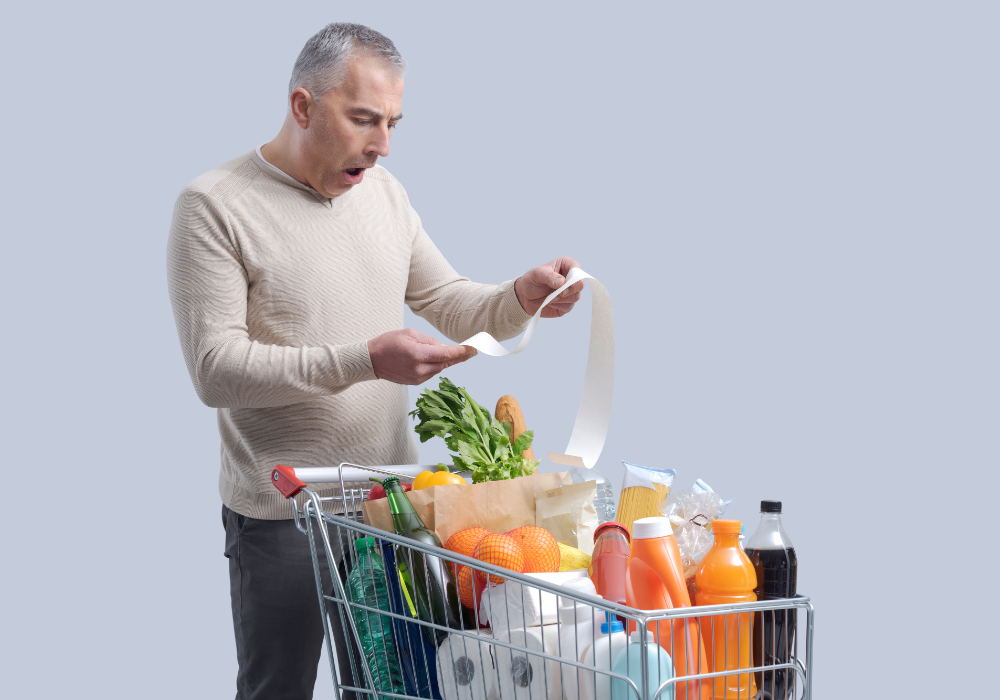
Food prices aren’t just climbing because of inflation. Climate change is wrecking global food production, making everything from bread to coffee more expensive. Droughts are draining water supplies, floods are wiping out entire harvests, and extreme heat is shrinking crop yields. Farmers are struggling to keep up with unpredictable weather, and supply chains are buckling under the pressure. The result? Higher grocery bills with no sign of relief.
Some of the world’s most essential foods—wheat, rice, seafood, and even chocolate—are already seeing major price hikes, and the problem is only going to get worse. With soil quality declining, natural disasters becoming more frequent, and entire ecosystems shifting, the days of cheap, reliable food are quickly disappearing. Unless major changes happen, your next grocery run will keep costing more. Here are 13 ways climate change is making your food more expensive.
1. Crops are dying of thirst, and your grocery bill is paying the price.
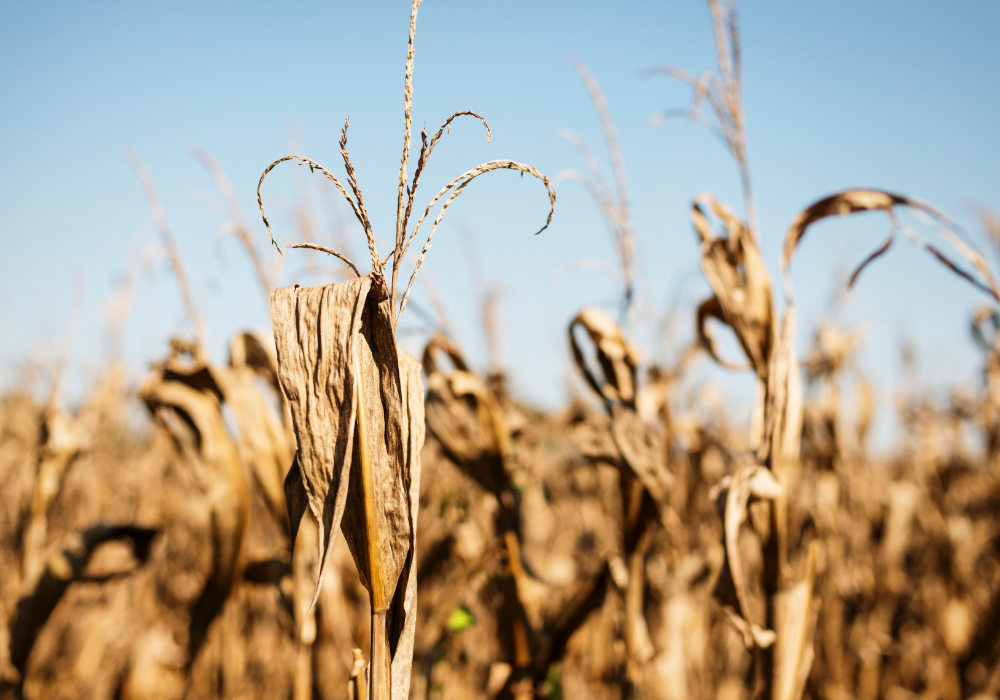
Water is the backbone of food production, and climate change is pushing global water supplies to their limits. Droughts are lasting longer, rivers are drying up, and farmers are struggling to keep their crops alive.
In some areas, farmers are being forced to abandon their fields altogether. Others are paying more for irrigation, and those costs get passed directly to consumers. The less water available, the harder it is to grow food—and the more expensive your next grocery trip becomes. The United Nations warns that as freshwater sources dwindle due to climate change, these challenges to food production and supply chains are expected to intensify.
2. Flooded farms mean fewer harvests—and higher prices at checkout.
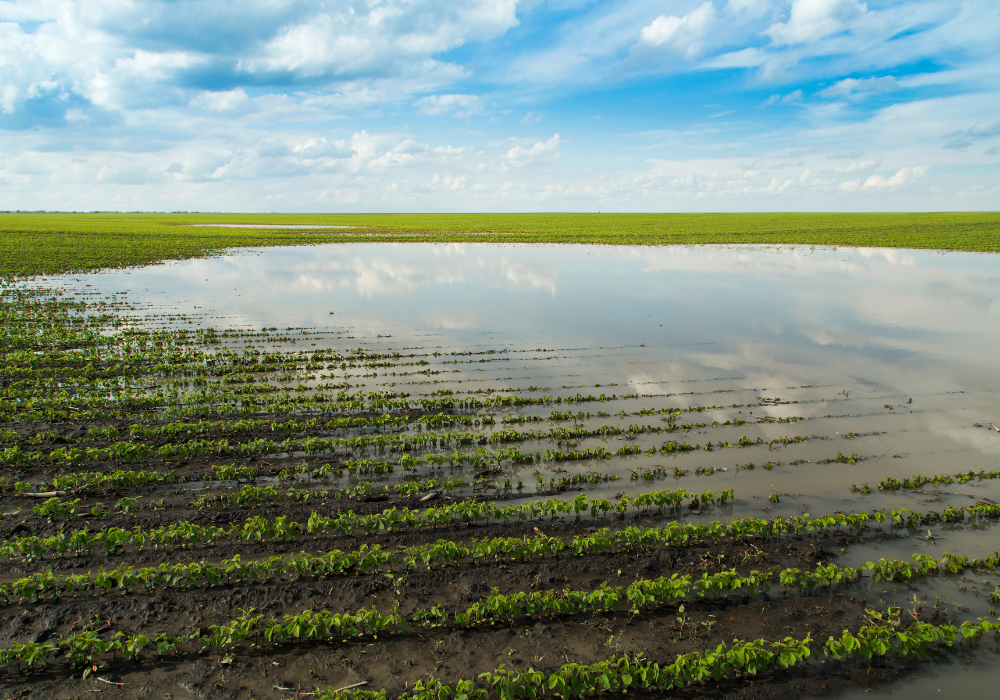
Too little water is a disaster, but too much is just as devastating. Intense storms and record-breaking floods are destroying farmland, drowning crops before they can be harvested. As a result, we have to face scarcity, supply chain chaos, and skyrocketing prices.
According to the USDA Climate Hubs, flooding can devastate farmland for years, leading to soil erosion, nutrient loss, and long-term degradation that delays future planting seasons. When major agricultural regions are hit with extreme rain, entire food supplies are thrown into crisis. Rice, grains, and produce are especially vulnerable, with costs surging every time a flood wipes out a growing season. With storms becoming more severe, expect food shortages to become more frequent—and more expensive.
3. Scorching heat is frying the foods we rely on.
Heat waves are getting longer, stronger, and deadlier. Crops that once thrived under normal temperatures are now withering in the sun, leading to lower yields and higher prices. Even minor increases in temperature can reduce harvests of staples like wheat, corn, and soybeans.
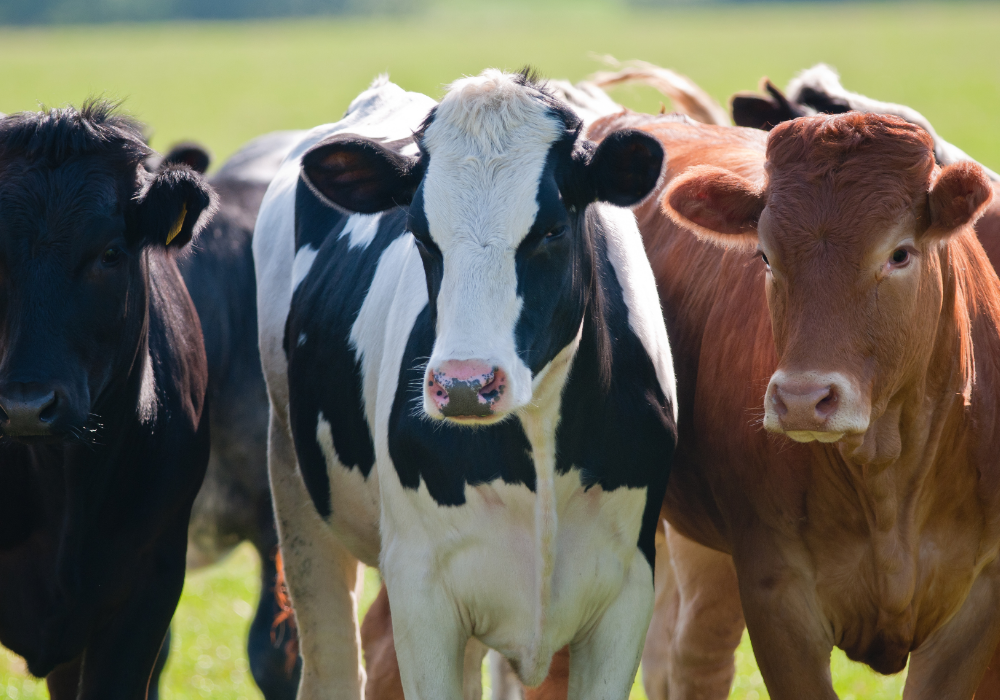
Climate Change Chicago reports that extreme heat is increasing stress on livestock, reducing milk production, and leading to higher mortality rates among animals, which further threatens global food security. Some areas are already becoming too hot for traditional farming, forcing entire industries to move or collapse. As extreme heat becomes more common, the cost of keeping food on the table will only rise.
4. Storms, fires, and disasters are tearing supply chains apart.
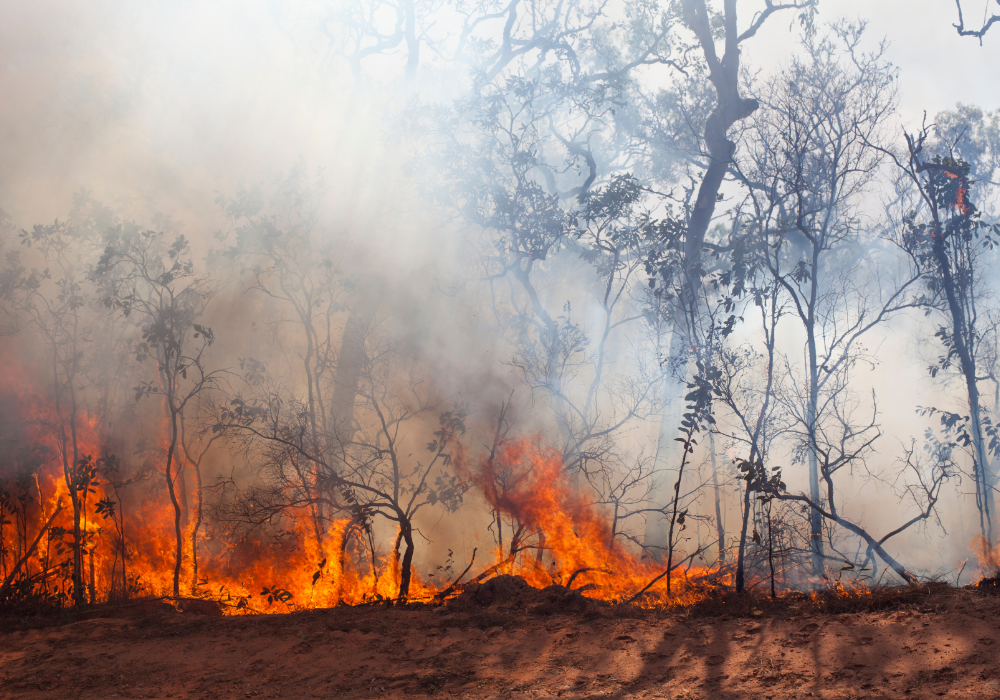
It doesn’t matter how much food is grown if it never reaches store shelves. Climate change is making transportation a nightmare, with hurricanes, wildfires, and extreme weather events causing major disruptions. Roads get washed out, rail lines are damaged, and ports shut down—delaying shipments and driving up costs.
With supply chains already fragile, even a single extreme event can send prices soaring. When floods hit key farming regions, or wildfires shut down highways, the cost of getting food from farms to stores spikes overnight. As extreme weather worsens, global food distribution will become even more unreliable, making price increases unavoidable.
5. The soil is turning to dust, and food shortages are following.
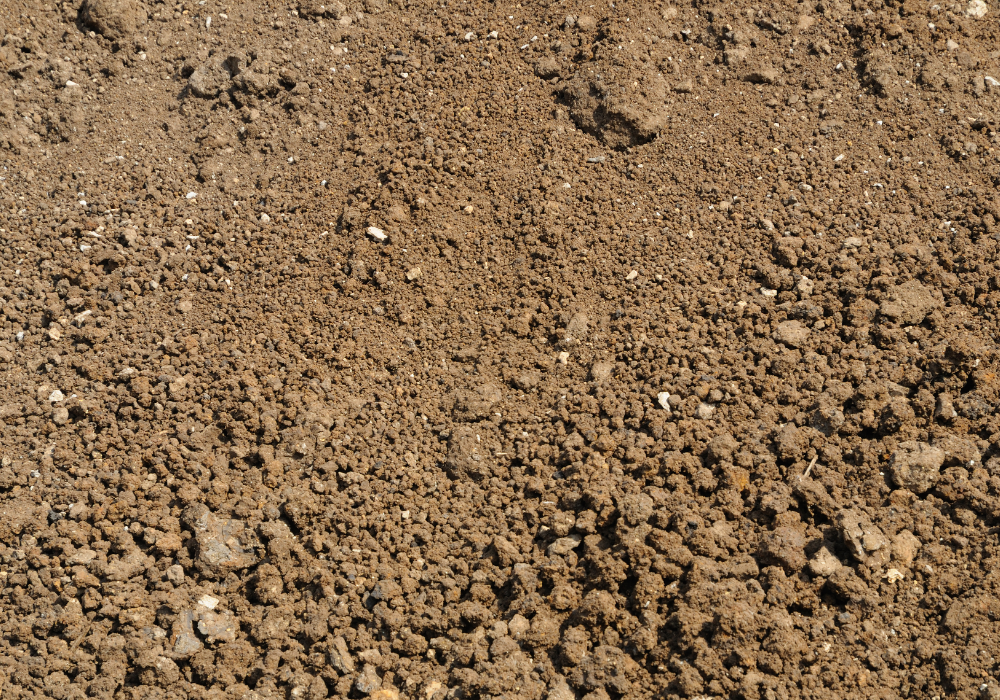
Healthy soil is the foundation of farming, but climate change is rapidly turning once-fertile land into dry, lifeless dust. Rising temperatures, deforestation, and unsustainable farming practices are stripping soil of nutrients, making it harder to grow food. Without healthy soil, crop yields shrink, forcing farmers to charge higher prices just to stay afloat.
Extreme weather is making things worse. Heavy rains wash away topsoil, while prolonged droughts leave the ground too dry to sustain crops. In response, farmers rely on costly fertilizers to compensate for lost nutrients, increasing production costs. But even that isn’t enough. As soil degradation accelerates and farmland becomes unusable, food supplies will tighten, and grocery prices will continue climbing.
6. Invasive pests are thriving—while crops struggle to survive.
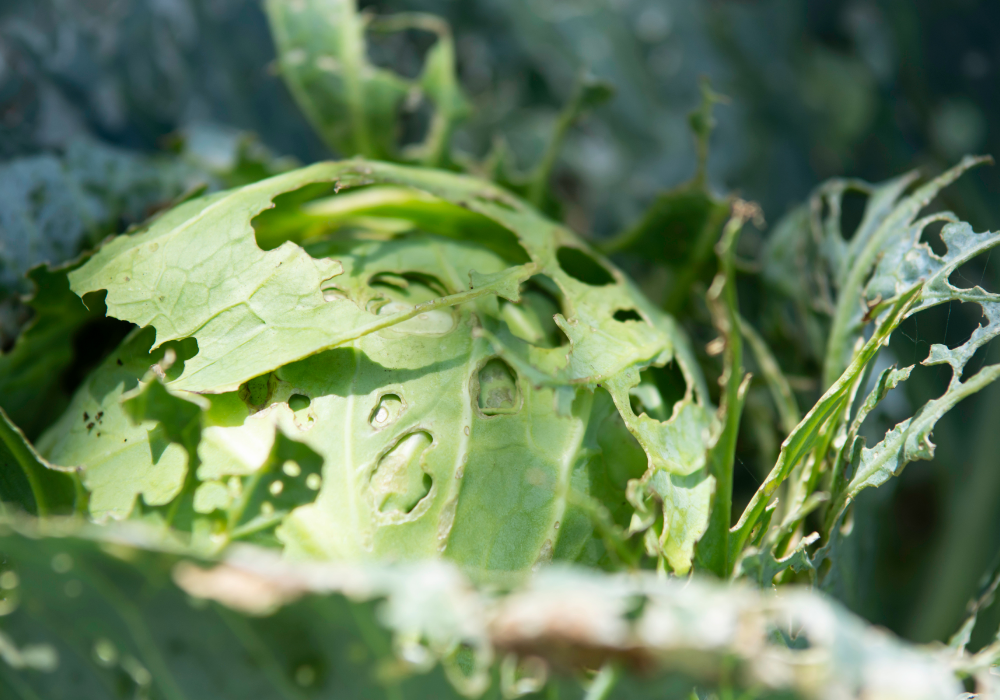
Warmer temperatures aren’t just hurting crops; they’re creating the perfect conditions for pests to spread. Insects, fungi, and plant diseases that once stayed in tropical climates are now appearing in new regions, wiping out entire harvests. Farmers are scrambling to keep up, often turning to expensive pesticides just to save their crops.
The problem is growing fast. Locust swarms are destroying grain supplies, invasive beetles are attacking fruit trees, and crop diseases like wheat rust are becoming harder to control.
Some pests are even developing resistance to pesticides, making them nearly impossible to stop. As infestations become more severe, farmers are left with lower yields and higher costs—leading to more shortages and rising food prices for everyone.
7. The oceans are heating up, and seafood is disappearing.
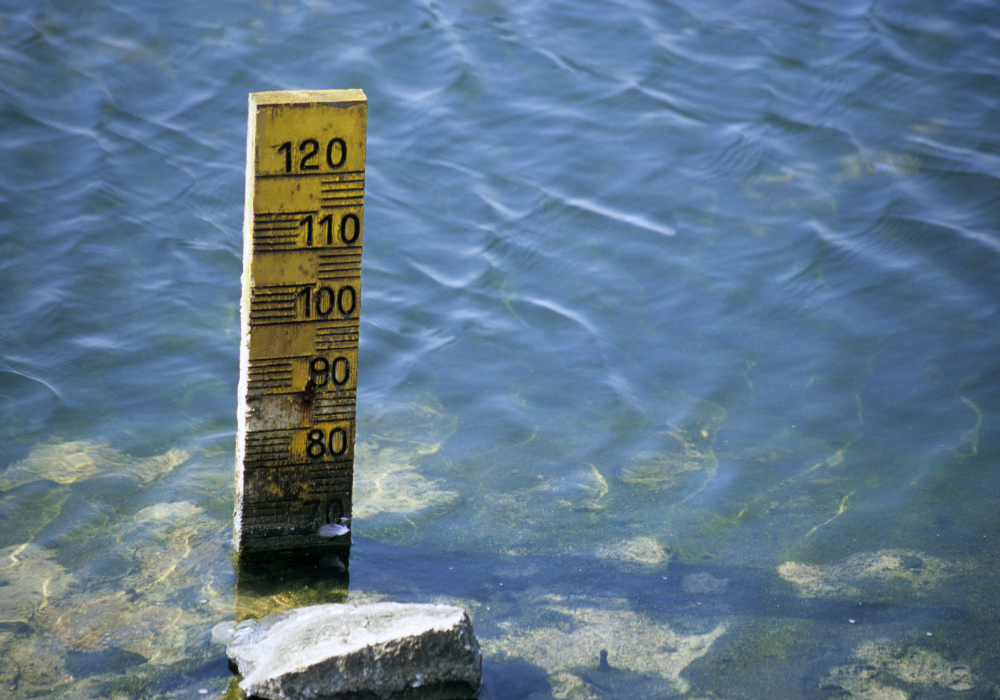
Rising ocean temperatures are wreaking havoc on marine ecosystems, making seafood scarcer and more expensive. Fish populations are struggling to survive as warming waters disrupt breeding cycles, kill off food sources, and force species to migrate to cooler regions.
Commercial fisheries are collapsing under these changes, leaving a supply gap that drives up prices. Shellfish like shrimp, oysters, and mussels are also suffering, as ocean acidification weakens their shells and reduces their numbers. With seafood becoming harder to catch and more expensive to farm, prices at the fish counter will only continue to climb. The cost of your favorite sushi roll or seafood dinner is already rising—and it’s only the beginning.
8. Wildfires are wiping out farmland, leaving empty shelves behind.
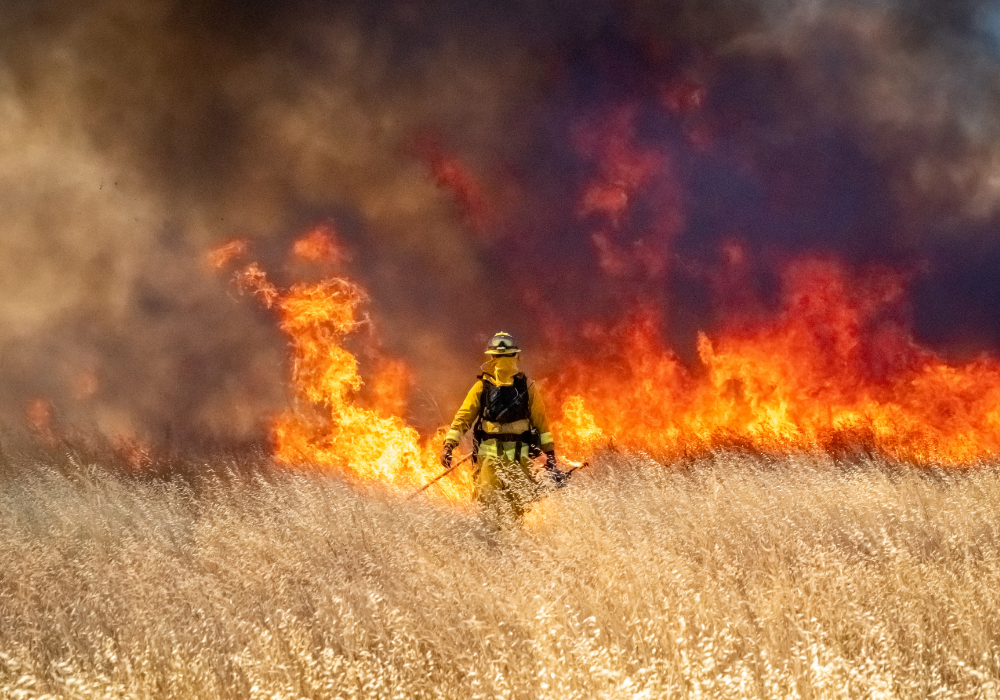
Wildfires are no longer seasonal disasters—they’re constant threats to global food supplies. With hotter temperatures and prolonged droughts fueling megafires, farmland is being scorched at unprecedented rates. Crops, orchards, and livestock are often lost entirely, cutting food production and forcing prices up.
Smoke pollution from fires also impacts agriculture. Thick smoke blocks sunlight, stunting plant growth, while airborne toxins contaminate soil and water supplies. Farmers are struggling to recover, and when they do, rebuilding takes years.
Every acre of farmland lost to fire means fewer crops available and higher prices for consumers. If wildfires keep intensifying, food shortages will become more severe, making basic necessities even harder to afford.
9. The seasons are breaking, and so is the food supply.

Spring arrives earlier, winters last longer, and once-predictable weather patterns are completely out of sync. These disruptions are throwing off growing seasons, making it harder for farmers to plan their crops and harvests. When plants flower too early due to unseasonable warmth, sudden frosts can kill them before they produce food.
Farmers are finding it increasingly difficult to time their planting and harvesting cycles, leading to inconsistent yields. Fruits, vegetables, and grains are all affected, meaning shortages will become more common and prices will keep rising. As climate instability worsens, reliable food production will be a thing of the past—making the cost of fresh produce even harder to predict.
10. Meat and dairy are becoming luxury items.
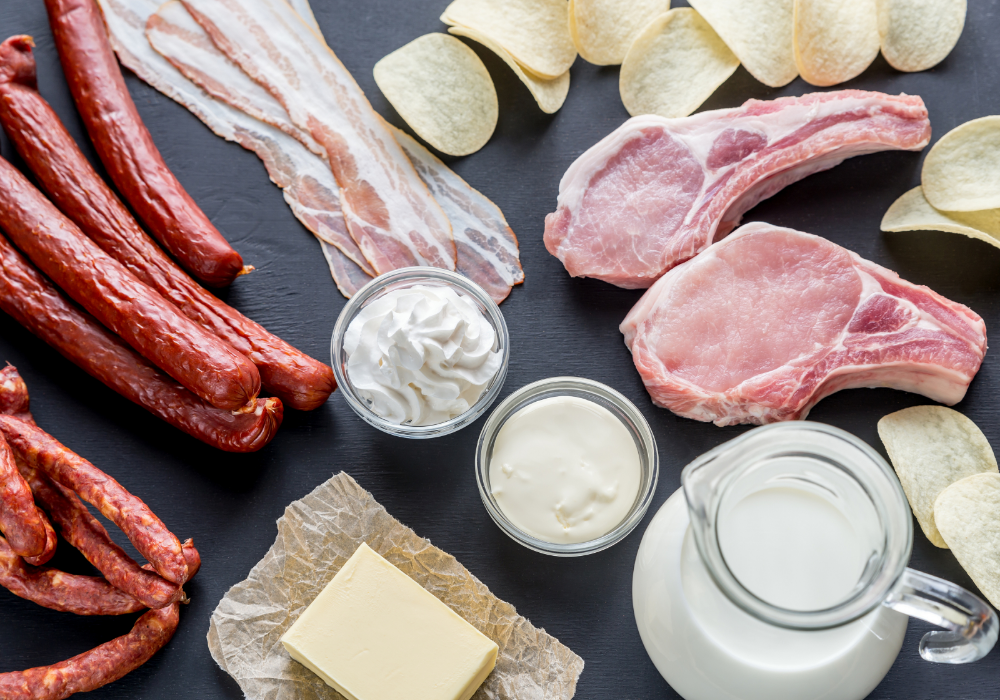
Raising livestock is already expensive, but climate change is making it even worse. Droughts and heat waves are decimating pasturelands, forcing farmers to buy expensive feed for their animals. Water shortages are making it harder to sustain herds, and rising temperatures are putting stress on livestock, reducing meat and dairy production.
These factors are driving up the cost of beef, poultry, milk, and eggs. Dairy cows produce less milk in extreme heat, while chickens lay fewer eggs. Even grazing animals like cattle and sheep are struggling as grasslands dry up. If these trends continue, meat and dairy products will become increasingly expensive, making them more of a luxury than an everyday staple.
11. Your morning coffee and late-night chocolate fix are at risk.

Chocolate and coffee are two of the most climate-sensitive crops in the world, and both are facing serious threats. Rising temperatures, erratic rainfall, and shifting growing conditions are making it harder to produce the beans used for coffee and cocoa.
Farmers are struggling with lower yields, disease outbreaks, and reduced land availability, forcing prices up. Coffee plants are particularly vulnerable, as they need cool, stable conditions to thrive—something that’s becoming harder to find. Meanwhile, cacao trees are at risk of disappearing from traditional growing regions. If climate change continues at its current pace, coffee and chocolate may become rare treats, rather than daily indulgences.
12. Farmers are drowning in costs—and you’re footing the bill.
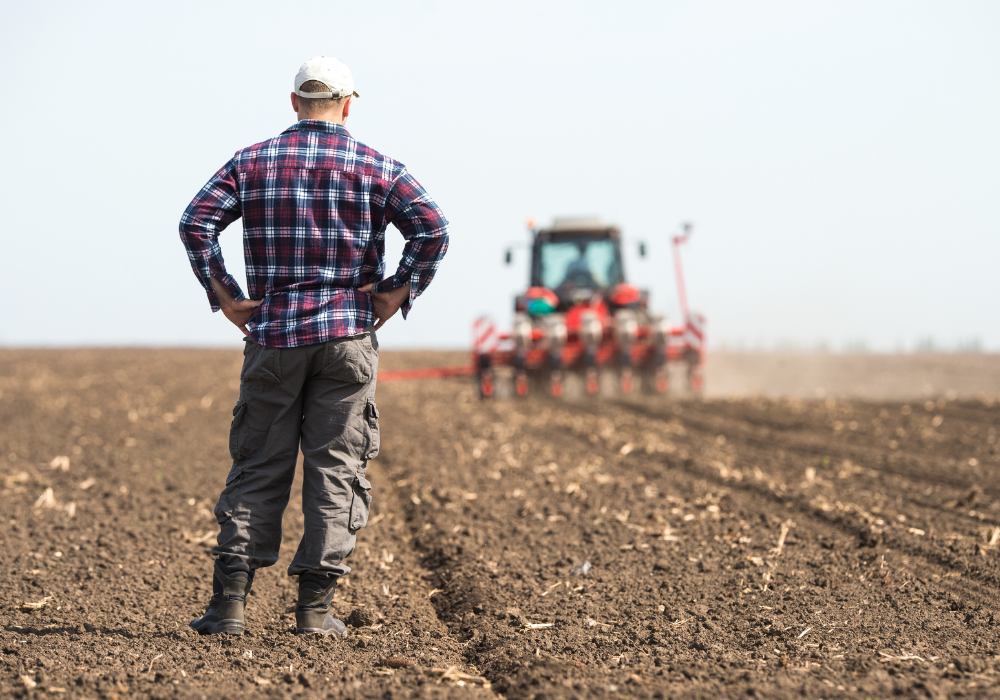
Between climate-related crop failures, rising energy costs, and supply chain disruptions, farmers are spending more than ever to keep their operations running. Extreme weather events damage infrastructure, destroy equipment, and lead to costly insurance claims, all of which add to the final price of food.
Higher production costs mean higher prices at the grocery store. When farmers face financial strain, they’re forced to raise prices just to survive. From the cost of fuel for tractors to the price of feed for livestock, every expense is climbing. As long as climate change keeps driving up farming costs, consumers will be the ones paying the price.
13. Export bans are coming, and food is about to get even more expensive.
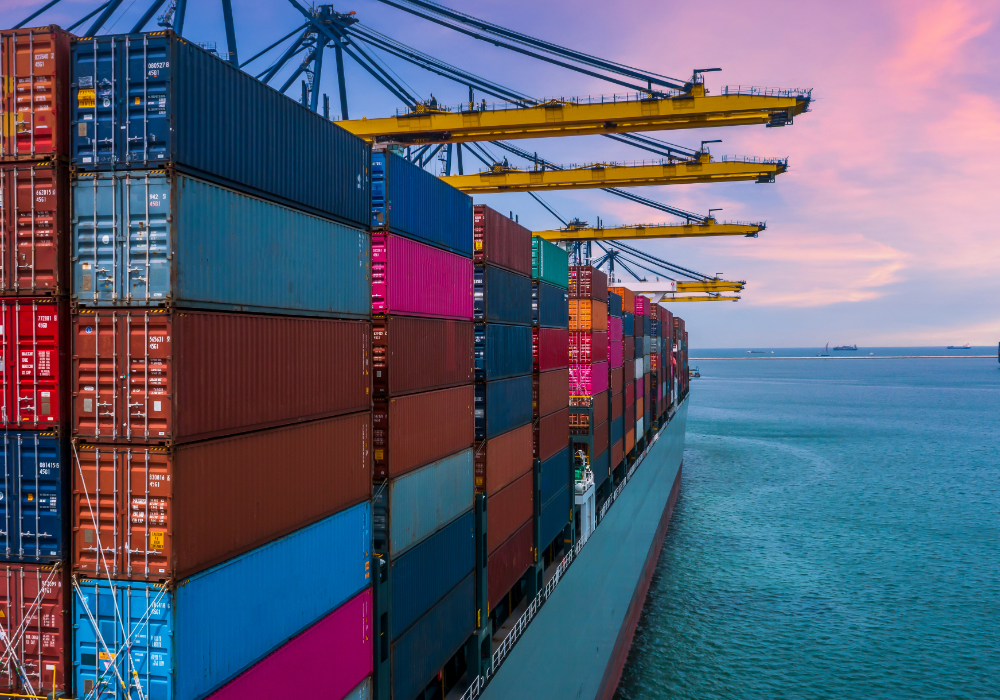
As extreme weather devastates crops, governments are stepping in to protect their own food supplies. More countries are restricting exports of key staples like wheat, rice, and corn, keeping food within their borders rather than selling it on the global market.
These bans drive up prices for everyone else, creating food shortages and supply chain chaos. When major food-producing countries limit exports, smaller nations that rely on imports are hit the hardest.
Even in wealthier nations, restricted access to global food supplies means higher prices at the checkout. With climate disasters becoming more frequent, export bans will only increase—making everyday groceries more expensive and harder to find.