How Many of These 12 Corporate Sustainability Lies Have Fooled You?

Greenwashing is everywhere—don’t let these industry tricks fool you.

©Image license via Canva

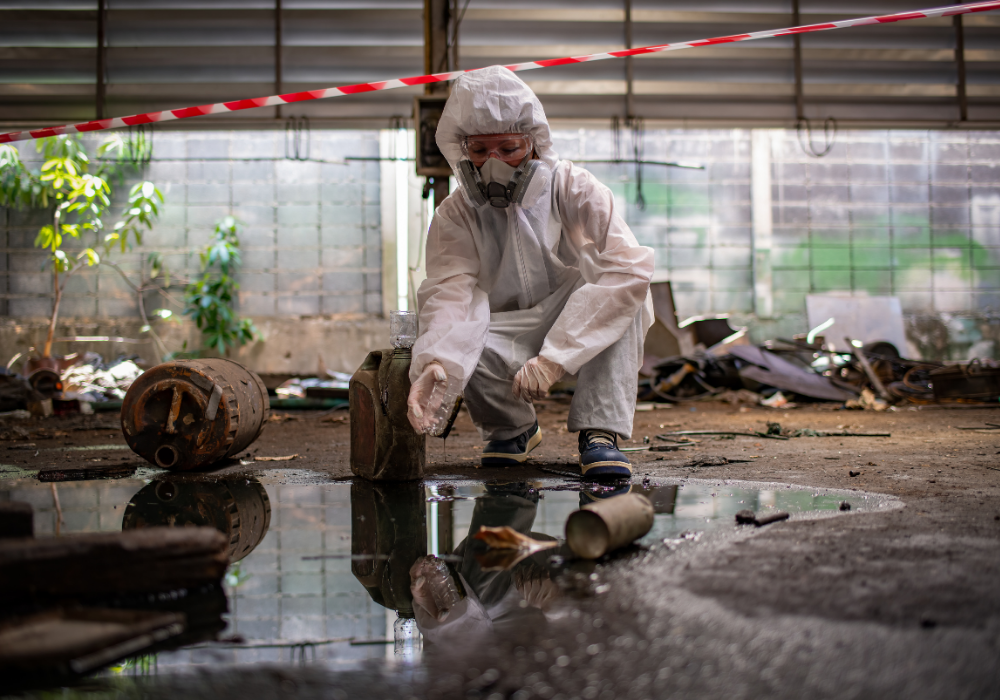
Big brands love to slap words like “eco-friendly,” “sustainable,” and “carbon neutral” on their products. They want you to believe they’re part of the solution, not the problem. But behind the glossy marketing and green logos, many companies are still doing business as usual—polluting, overproducing, and cutting corners in ways that hurt both the planet and consumers.

From misleading labels to shady offsets, corporations have mastered the art of looking green while doing the bare minimum. They know most people don’t have time to dig into the fine print, so they use buzzwords and vague claims to make their products seem more ethical than they really are. These tactics work, but once you know the tricks, you won’t fall for them again. Here are the biggest sustainability lies companies want you to believe—and the truth they don’t want you to know.

Read more

11 Underdog Communities That Said “No More” to Big Polluters

Against all odds, these communities took on environmental villains.

©Image license via Canva

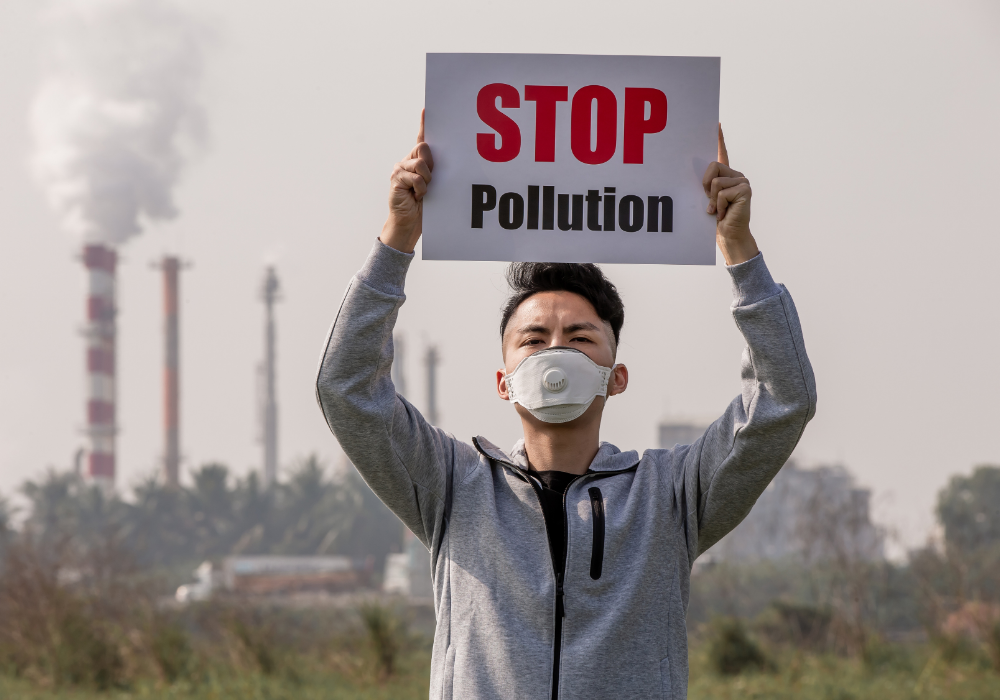
Corporate giants have spent decades polluting air, poisoning water, and bulldozing landscapes with little resistance. But not every town, neighborhood, or indigenous land has rolled over in defeat. Some communities, against all odds, have risen up, fought back, and sent polluters packing. These aren’t just stories of resistance—they’re proof that grassroots activism works, even when the odds seem impossible.

From tiny towns taking on oil refineries to indigenous groups blocking destructive pipelines, these underdog communities refused to be collateral damage for corporate greed. Many faced legal threats, political pressure, and economic retaliation, but they stood their ground. Their victories weren’t just local—they set powerful precedents, inspiring others to demand justice and environmental accountability.

They didn’t have billion-dollar budgets, high-powered lawyers, or political influence. What they did have was determination, resilience, and a refusal to let corporate greed destroy their homes. Here’s how they fought back—and won.

Read more

Stop Pretending to Be Green If You’re Still Doing These 12 Things

Claiming to be sustainable doesn’t mean much if these habits are still in the mix.

©Image license via Canva

Living an eco-friendly lifestyle isn’t just about swapping plastic straws for metal ones or carrying a reusable tote to the grocery store. Real sustainability means rethinking everyday choices—and a lot of self-proclaimed environmentalists are still falling into wasteful habits without even realizing it.

From supporting greenwashing brands to mindlessly scrolling on energy-draining devices, some behaviors contradict the very values people claim to uphold. Being truly sustainable isn’t about perfection, but awareness matters. The small, unnoticed habits add up, and sometimes, the biggest environmental damage comes from the things people do without thinking.

If sustainability is the goal, these 12 common mistakes need to go. Because no matter how many thrifted outfits or compost bins are in place, these habits are quietly undoing the good.

Read more

Why Sustainable Eating Is a Privilege for Millions—14 Hard Truths You Need to Know

Not everyone can afford to eat in a way that’s good for the planet. Here’s why that matters.

©Image license via Canva

Sustainable eating gets praised as the solution to everything from climate change to personal health. Eat organic, buy local, cook from scratch—it’s painted as the obvious choice for anyone who cares about the future. But what happens when that choice doesn’t actually exist?

For millions, food is about survival, not sustainability. They don’t have the luxury of picking the perfect produce at a farmers’ market or spending extra on ethically sourced groceries. Some live in food deserts, others work multiple jobs, and many simply can’t afford to prioritize the environment over getting enough to eat.

Blaming individuals for not eating sustainably ignores a much bigger issue—our entire food system is designed for convenience, profit, and inequality. Before pointing fingers at the people who can’t make “better choices,” it’s time to face the reality of why sustainable eating isn’t an option for everyone. These 14 hard truths explain why.

Read more

12 Climate Doomscrolling Habits That Are Paralyzing Your Ability to Act

Your phone addiction isn’t just killing your sleep—it’s freezing your climate action too.

©Image license via Canva

We’ve all been there: a quiet evening at home derailed by a casual thumb-swipe into the climate abyss. One minute you’re checking the weather, the next you’re frozen by headlines about record-breaking heatwaves, melting ice, and climate refugees. Three hours later, you’re still scrolling, now convinced we’re all doomed while you’ve done exactly nothing to help. Congratulations! You’ve fallen into the climate doomscrolling trap—modern environmentalism’s biggest irony where staying informed somehow makes you less effective at creating change.

This endless cycle of climate horror isn’t just wasting your time—it’s actively blocking your ability to take meaningful action. The constant flood of bad news creates the perfect brain storm that short-circuits your ability to respond in helpful ways. While knowing about climate challenges matters, there’s a tipping point where more information doesn’t help but actually freezes your response. Let’s look at the doomscrolling habits killing your climate action potential and how to break free.

Read more

14 Wasteful Things Your Parents Taught You That Are Secretly Killing The Planet

The wasteful habits your parents swore by are wrecking the planet.

©Image license via Canva

Your parents meant well. They really did. They taught you to say “please,” work hard, and never leave the house with wet hair. But for all their wisdom, they also passed down some habits that are, well… destroying the planet. It’s not entirely their fault—back in their day, sustainability wasn’t exactly top of mind. Plastic was a miracle invention, paper towels were the height of convenience, and leaving the car running “to warm it up” was just what people did. But now, those everyday habits are adding up to overflowing landfills, wasted energy, and a climate crisis that isn’t slowing down.

If you’ve inherited some of these wasteful traditions, don’t panic. You’re not doomed to repeat them. With a few small changes, you can break the cycle and do better than the generations before you. Here are the 14 things your parents taught you that are secretly killing the planet—and how to finally unlearn them.

Read more

10 Forgotten Celtic Eco-Wisdoms That the Modern World Desperately Needs

Ancient wisdom isn’t lost—it’s just waiting to be remembered.

©Image license via Canva

Long before sustainability became a buzzword, the Celts lived in deep harmony with nature. Their traditions weren’t about convenience or consumerism; they were built on respect, balance, and an understanding that the earth gives only as much as it receives. The modern world has strayed far from this mindset, but their eco-wisdom still holds power today.

Many of the Celts’ forgotten practices align perfectly with what environmentalists now urge us to do—conserve resources, live seasonally, and treat the land as a living entity. These weren’t just beliefs; they were survival strategies that kept communities thriving for generations. With the planet at a breaking point, it’s time to revisit these age-old principles. Here are 10 pieces of Celtic eco-wisdom that could transform the way we live, if only we’d listen.

Read more

12 Ways Your Convenience Products Become Someone Else’s Survival Nightmare

Convenience is quietly costing someone their future.

©Image license via Canva

Every convenience product promises ease, but there’s always a hidden cost lurking behind the scenes. Sure, those coffee pods and disposable wipes make life simpler, yet they also quietly dismantle ecosystems and upend communities in ways you’d probably rather ignore. That effortless grab-and-go snack, neatly wrapped in plastic, sets off a chain reaction that leads straight to someone else’s health nightmare or environmental catastrophe. While you’re blissfully upgrading phones or stocking up on bargain fashion, distant lands grapple with toxic waste mountains, poisoned rivers, and displaced families—each a direct result of your casual, everyday decisions.

Convenience might feel harmless, but it often comes packaged with consequences that echo painfully elsewhere. That plastic straw floating innocently in your iced coffee doesn’t vanish; it becomes a deadly trap. Your sleek new phone leaves behind toxic chemicals, poisoning lives quietly, miles away. Convenience feels like magic—but unfortunately, it’s a cruel illusion built on someone else’s misfortune.

Read more

When Boomers Meet Gen Z, These 13 Climate Conversations Turn Into Battlegrounds

Green intentions collide with generational experiences as dinner table debates turn explosive.

©Image license via Canva

Nothing spices up a family dinner quite like a heated climate change debate between Grandpa and his TikToking granddaughter. The climate crisis isn’t just melting ice caps—it’s melting down holiday gatherings across America. When different generations lock horns over environmental issues, it’s not just about carbon emissions; it’s an explosive collision of entirely different life experiences, media bubbles, and visions of the future.

Most everyone now agrees climate change is happening, but the moment someone suggests what to actually do about it? Duck and cover. The battlegrounds below represent those conversational land mines where intergenerational climate chats go from zero to nuclear faster than you can imagine. Plus, a few peace treaties that might just save your next family reunion.

Read more

If You Knew the Truth About These 10 Industries, You’d Never Support Them Again

They’re making billions while destroying the planet —and they’re hoping you’ll never notice.

©Image license via Canva

Most of the things we buy, eat, and use every day come from industries that barely cross our minds. They’re designed for convenience, affordability, and just enough feel-good marketing to keep us from asking too many questions. But once you start paying attention, it’s impossible to unsee the truth. The shiny packaging and clever slogans distract from what’s really happening behind the scenes.

Corporations are cutting corners, exploiting workers, and wrecking the environment—all while raking in massive profits. They’ve built billion-dollar empires by keeping consumers in the dark, counting on the fact that no one will dig too deep. Everything seems fine until the curtain gets pulled back. The truth is unsettling, but it’s also empowering. Once you know what’s really going on, it’s hard to keep playing along. And when enough people start seeing through the deception, those billion-dollar industries won’t be able to hide anymore.

Read more