Live in a City? 12 Reasons Climate Change Could Be Hitting You Harder.

Sky-high rent, toxic air, and flash floods—climate change is rewriting the rules of city life.

©Image license via Canva

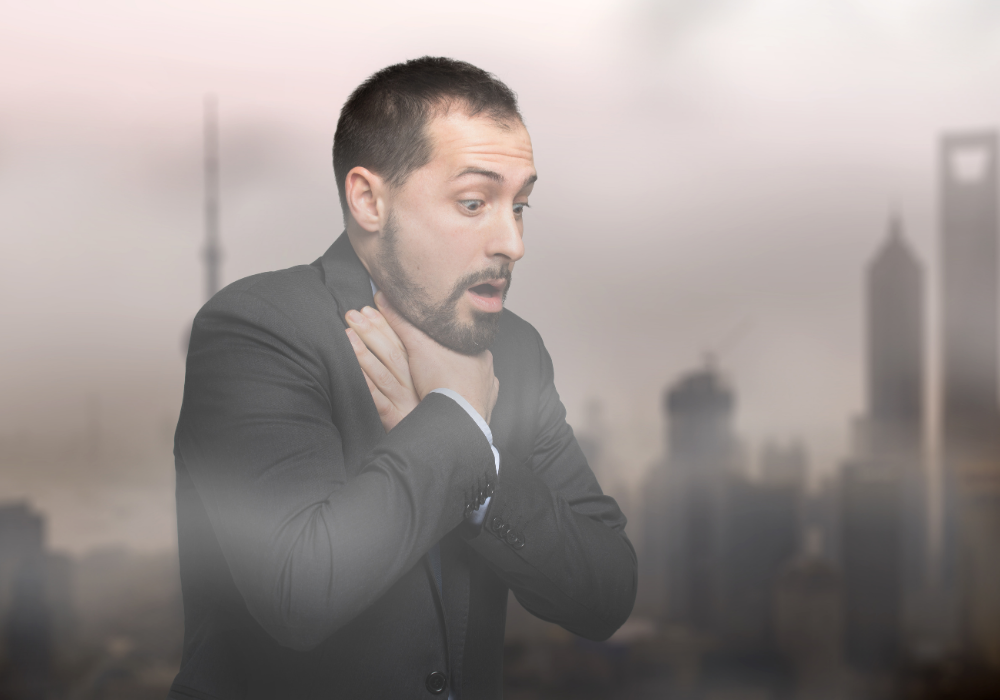
Concrete, glass, and steel weren’t designed for a world that’s overheating, flooding, and choking on its own air. Cities, once symbols of progress, are now becoming ground zero for climate chaos. Heat waves bake the streets long after the sun goes down, storms turn highways into rivers, and the cost of simply existing keeps climbing. There’s no escaping it—climate change is hitting urban dwellers harder than ever.

Infrastructure is failing, power grids are buckling, and grocery bills are creeping into “do I really need vegetables?” territory. The air is getting dirtier, water is getting scarcer, and those who can’t afford a safety net are the first to feel the squeeze. City life has never been easy, but now? It’s a game of endurance. Whether you’re sweating through another blackout, dodging flash floods, or breathing in wildfire smoke from a thousand miles away, one thing is clear: the climate crisis has arrived, and it’s not playing fair.

Read more

12 Dramatic Ways Earth Would Transform If Humans Suddenly Vanished

Earth wouldn’t miss us—it would throw the ultimate comeback party.

©Image license via Canva

The moment humans disappear, the Earth wouldn’t fall apart—it would finally have room to breathe. Skyscrapers would start crumbling, highways would crack, and forests would creep back into the spaces we spent centuries carving out. Without us patching up roads and repairing power grids, cities would flicker out and slowly collapse, their steel and concrete no match for time and the elements. Within decades, vines would strangle abandoned buildings, animals would reclaim the land, and the wild world we pushed to the edges would take center stage again.

For all our influence, the planet never belonged to us. Without factories spewing pollution and machines stripping the land, rivers would flush themselves clean, the air would turn clear, and ecosystems would reset like we were never here at all. Civilization may have reshaped the Earth for a while, but nature always plays the long game—and without us, it wouldn’t take long for it to win.

Read more

11 Death Zones Where Summer Heat Now Exceeds Human Survival Thresholds

Scorching temperatures are pushing parts of the world beyond what the human body can withstand.

©Image license via iStock

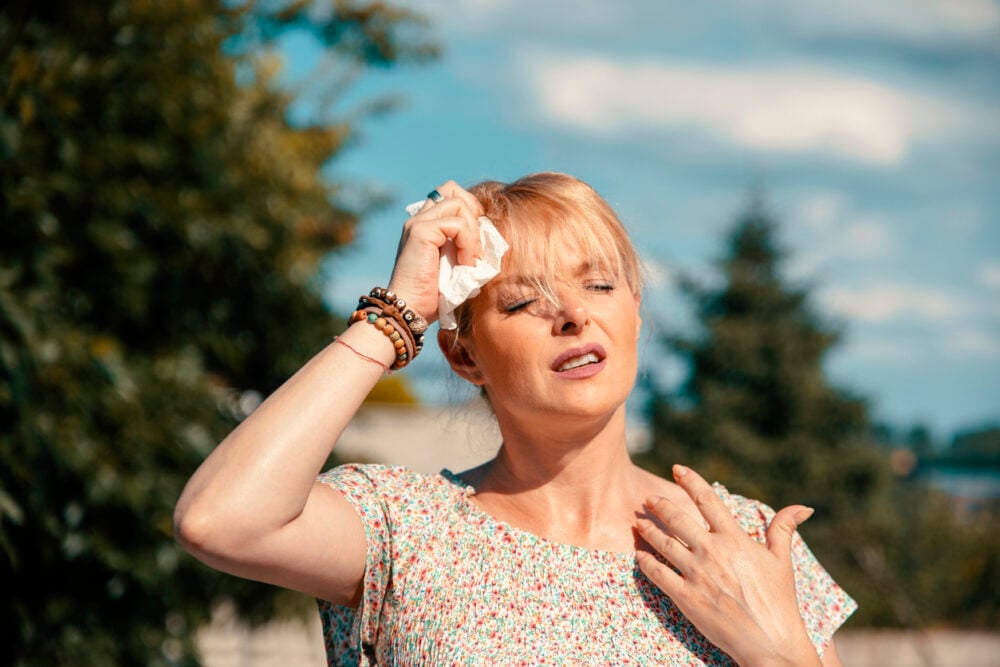
Extreme heat isn’t just uncomfortable—it’s deadly. As climate change accelerates, more regions are experiencing summer temperatures so high that they surpass the limits of human survival. Wet-bulb temperatures, which measure heat and humidity together, have begun to regularly hit dangerous levels in some places, making it impossible for the human body to cool itself. When this threshold is crossed, even the healthiest person, sitting in the shade with unlimited water, can die in just a few hours.

These 11 regions are now seeing summer temperatures that exceed what the human body can tolerate. The rising heat isn’t just a warning—it’s a crisis already unfolding. With each passing year, these areas become less habitable, forcing mass migrations, overwhelming infrastructure, and putting millions of lives at risk. If global temperatures continue to rise, these “death zones” could become permanent, making parts of the planet unlivable for future generations.

Read more

11 Concerning Diseases Riding Climate Change To Your Doorstep

The Microbial Hitchhikers’ Guide to a Warming Planet: No Passport Required

©Image license via Canva

As the planet heats up, it’s not just polar bears and coral reefs feeling the burn—disease-causing organisms are taking full advantage. Climate change has become nature’s unwitting travel agent, breaking down temperature barriers and giving pathogens access to regions that were once off-limits. While we’re adjusting to unpredictable weather, microscopic threats are expanding their reach, settling into new environments with little resistance.

This isn’t some distant concern—it’s happening now. Tropical diseases are creeping into temperate zones, while ancient pathogens trapped in melting permafrost are making a comeback. The reshuffling of the global disease map is already underway, and ignoring it won’t make it go away. Understanding these changes doesn’t require a PhD, but it does demand attention. While personal precautions offer some protection, addressing the root issue—our destabilized climate—is the only real way to prevent a future where disease outbreaks become the new normal.

Read more

What Went Wrong? 11 Boomer-Era Decisions That Sealed Our Climate Fate

Short-term thinking and reckless expansion created an environmental mess that won’t clean itself up.

©Image license via Canva

The climate crisis wasn’t some freak accident—it was built, brick by brick, through decades of choices that put profit and convenience ahead of sustainability. The post-war boom turned America into a machine of expansion, churning out highways, suburbs, and industries that promised a better life but came with an invisible price tag. Cheap fossil fuels powered everything, disposable products became the norm, and nobody stopped to ask what would happen when the bill came due.

By the time the warning signs were impossible to ignore, the damage was already locked in. Coal plants had been built to last, suburbs had sprawled beyond reason, and corporations had mastered the art of dodging responsibility. Some of these decisions were made without the full picture, while others were calculated moves to keep industries in control. Either way, they shaped the high-emission world we’re struggling to fix today. We can’t undo the past, but we can learn from it.

Read more

13 Devastating Climate Impacts on America’s Beloved National Parks

America’s greatest landscapes are having an identity crisis, thanks to climate change.

©Image license via Canva

America’s national parks have always felt like a sure thing—places to reconnect with nature, capture perfect photos, and forget about reality for a while. But climate change is quickly turning these beloved landscapes into messy versions of their former selves. Iconic waterfalls in Yosemite are drying up, ancient glaciers in Montana are melting away, and Joshua trees might soon vanish from their own park entirely. Suddenly, the spots we’ve cherished for family vacations or bucket-list adventures are becoming harder to recognize, transformed by relentless heat, wildfires, and devastating floods.

We tend to imagine national parks as timeless and untouchable, but climate change doesn’t care about boundaries. The reality is that these cherished outdoor spaces are incredibly vulnerable, shifting faster than most of us realize. Without action, the beautiful, inspiring places that millions visit each year might soon feel less like treasured escapes and more like stark reminders of what climate change can steal from us.

Read more

14 Hard-to-Hear Ways Climate Change Will Personally Impact You

Climate change isn’t a distant threat—it’s already disrupting daily life in ways you can’t ignore.

©Image license via Canva

For years, climate change was easy to push aside—something for future generations to worry about. But that illusion is gone. This crisis isn’t just about melting glaciers or wildfires in distant places. It’s showing up in grocery bills, insurance premiums, and emergency rooms. Extreme heat waves are straining power grids, storms are wiping out entire communities, and once-reliable growing seasons are becoming unpredictable, driving up food costs. The effects aren’t looming in the distance—they’re here, reshaping daily life in ways big and small.

No one is insulated from what’s happening, and pretending otherwise won’t stop the tide from rising. These truths are uncomfortable, but facing them is the only way forward. Climate change isn’t an abstract issue—it’s personal. And the more we understand what’s already happening, the better we can prepare for what’s next.

Read more

Thinking About Relocating? These 11 Cities Are the Smartest Choice for Climate Safety

Move now, thank yourself later—these cities actually have a future.

©Image license via Canva

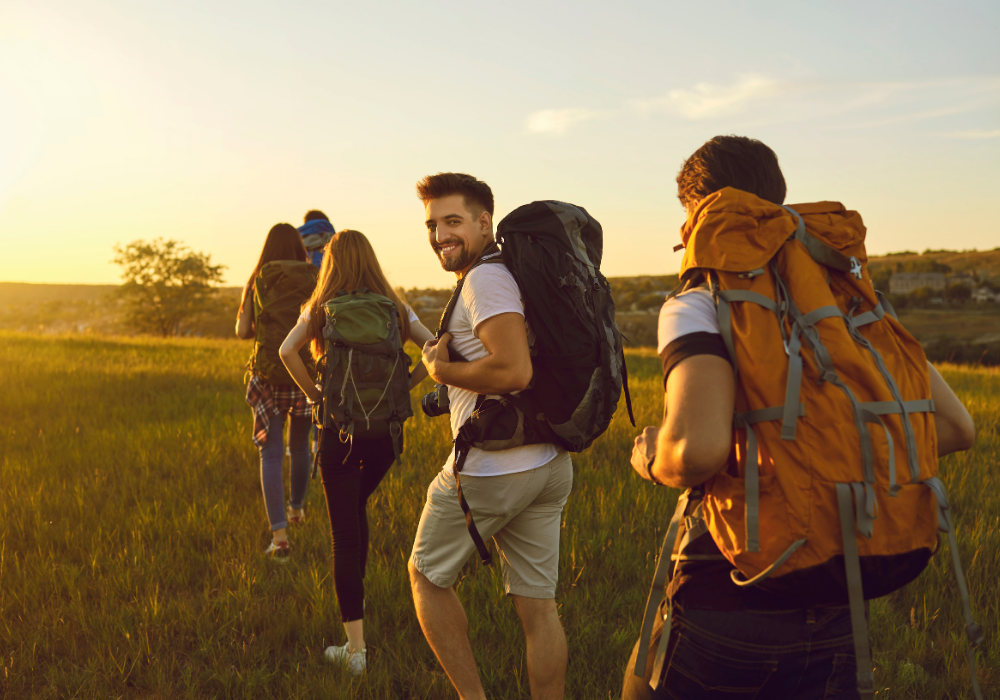
With the planet throwing more tantrums than ever—floods, wildfires, heatwaves—you might be wondering if your city is still the right place to be. Maybe hurricanes weren’t part of your five-year plan. Maybe you’d rather not live somewhere that turns into an oven every summer. Climate resilience is the new real estate goldmine, and some cities are way ahead of the curve.

These 11 places aren’t just thinking about sustainability; they’re actually built to handle the wild weather ahead. No, they’re not utopias, but if you’re looking for a place where you won’t have to kayak to work or ration water like it’s the apocalypse, these spots deserve a closer look.

Read more

14 Small Climate Victories You Missed While Feeling Everything Is Doomed

The world isn’t falling apart as fast as it seems—real progress is happening.

©Image license via Canva

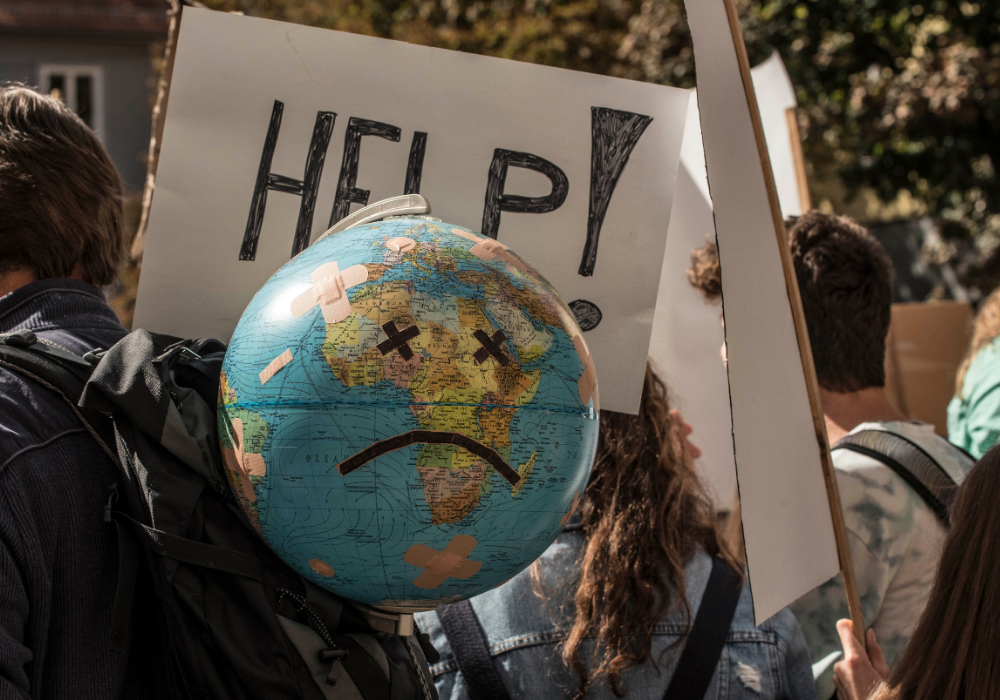
It’s easy to feel like climate change is an unstoppable disaster. Every day, headlines scream about rising temperatures, extreme weather, and the failures of governments and corporations to take action. Doomscrolling makes it seem like nothing is getting better, and while there’s still a long way to go, that’s not the whole story. Real wins are happening—just not always in the places that make the news.

Around the world, scientists, activists, and everyday people are making progress in ways that actually matter. Fossil fuels are losing their dominance, wildlife is rebounding, plastic bans are kicking in, and renewable energy is growing faster than ever. No single solution will fix everything overnight, but these victories prove that change is happening. So before you give in to climate despair, take a look at these 14 wins that show the fight for the planet isn’t just alive—it’s making real strides.

Read more

Your Daily Coffee Fix Is Under Threat—12 Ways Climate Change Is Changing It

That morning brew you can’t live without faces an uncertain future.

©Image license via Canva

Imagine rolling out of bed tomorrow and discovering coffee has disappeared. No more steaming mug to wrap your hands around, no comforting aroma pulling you from sleepiness. This nightmare scenario is the future brewing as our planet warms. Your morning cup connects you to farms across the globe where 125 million people depend on those beans to feed their families—and this entire system faces a climate crisis.

Coffee is incredibly picky about growing conditions. Not too hot, not too cold. Not too wet, not too dry. When climate change messes with these perfect conditions, it’s like someone hacking coffee’s genetic code. The changes are already showing up in your cup as weird flavors, higher prices, and “sold out” signs for beans from regions getting hit hardest. This isn’t some distant problem—it’s happening with every degree the thermometer climbs.

Read more