Air That Kills: 11 U.S. Cities Where Breathing Could Be Dangerous by 2050

Invisible danger is creeping in, and it won’t stop at city limits.
©Image license via Canva

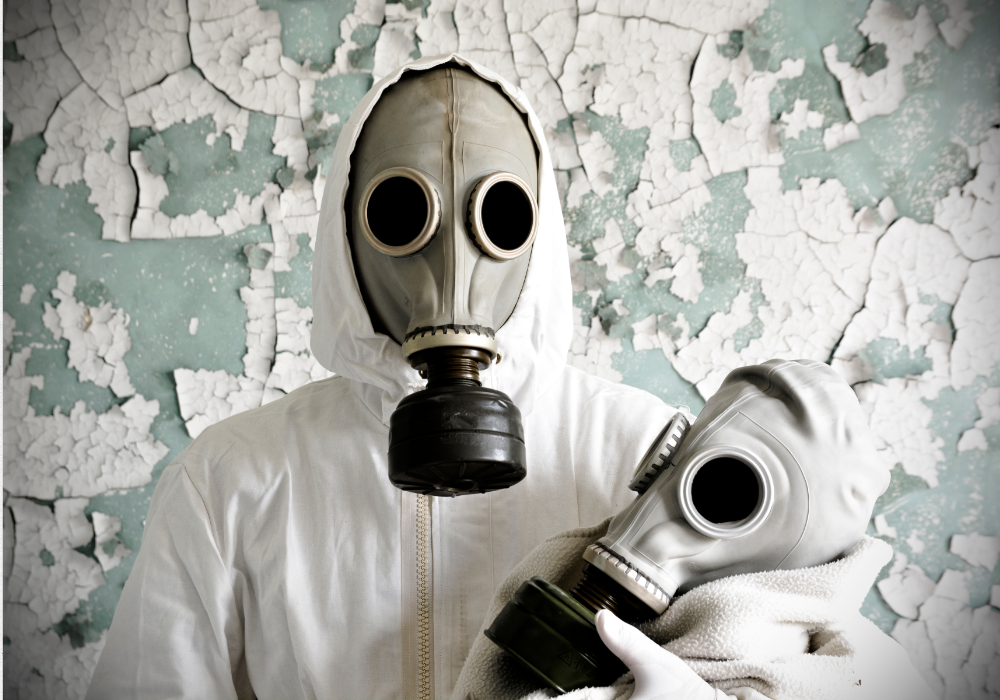
In cities across the United States, the air is becoming more dangerous with each passing year. What used to be mild pollution is escalating into a public health emergency, driven by a mix of wildfire smoke, industrial emissions, traffic, and rising temperatures. These elements are combining to create a toxic atmosphere that’s both invisible and unavoidable.

The consequences will be serious and far-reaching. Long-term exposure to polluted air increases the risk of heart disease, respiratory illness, cognitive decline, and even premature death. Children, the elderly, and low-income communities face the highest risks—often with the fewest options for escape. Urban areas with poor planning and limited green space will struggle the most. Scientists are already sounding the alarm, warning that some cities could face year-round air quality issues by 2050. While the clock keeps ticking, millions remain unaware of what’s coming. These 11 cities may be headed straight into danger.
Read more

Your City Could Be Next—10 Alarming Signs a Water Crisis Is Closing In

Your tap isn’t as safe as you think, and the worst is yet to come.

©Image license via iStock

America’s water crisis isn’t coming—it’s already here. From vanishing reservoirs to tap water laced with toxins, some of the country’s biggest cities are facing a future where clean, reliable water is no longer guaranteed. Decades of overuse, climate-fueled droughts, and neglected infrastructure have left the nation’s water systems on the edge of collapse. And when the taps go dry, millions will be left scrambling.

This isn’t just a problem for isolated rural towns. Major metro areas are already dealing with failing water systems, extreme weather disasters, and shortages that force residents to ration what little they have. In some places, water has already run out. The cost of inaction is rising, but the solutions are coming too slowly. With resources stretched thin and demand skyrocketing, the real question isn’t if this crisis will reach your city—it’s when. Here’s where the situation is getting worse by the day.

Read more

11 Jaw-Droppingly Idiotic Things We’ve Done to Wreck the Earth

From toxic lakes to trash islands, humans have turned Earth into a science fiction disaster movie.

©Image license via iStock

For a species that prides itself on intelligence, humans have made some mind-blowingly bad decisions when it comes to the planet. Instead of being responsible caretakers of the only home we have, the land, air, and water have been treated like infinite resources. Pollution, destruction, and wastefulness have been trademarks of human progress, leaving ecosystems struggling to recover.

The damage isn’t just an unfortunate accident—it’s the result of repeated choices that prioritized convenience and profit over sustainability. Industries have pushed forward with reckless expansion, and governments have ignored warning signs until disaster struck. Species have been driven to extinction, vital ecosystems have been wiped out, and entire landscapes have been reshaped to fit short-term needs.

Reversing the harm won’t be easy, but continuing on this path will only accelerate environmental collapse. The worst part is that much of the destruction could have been avoided if action had been taken before the damage became irreversible.

Read more

Think the Climate Movement Is Niche? These 10 Signs Say It’s Gone Mainstream

The climate movement has left the fringe and moved into the mainstream.

©Image license via Canva

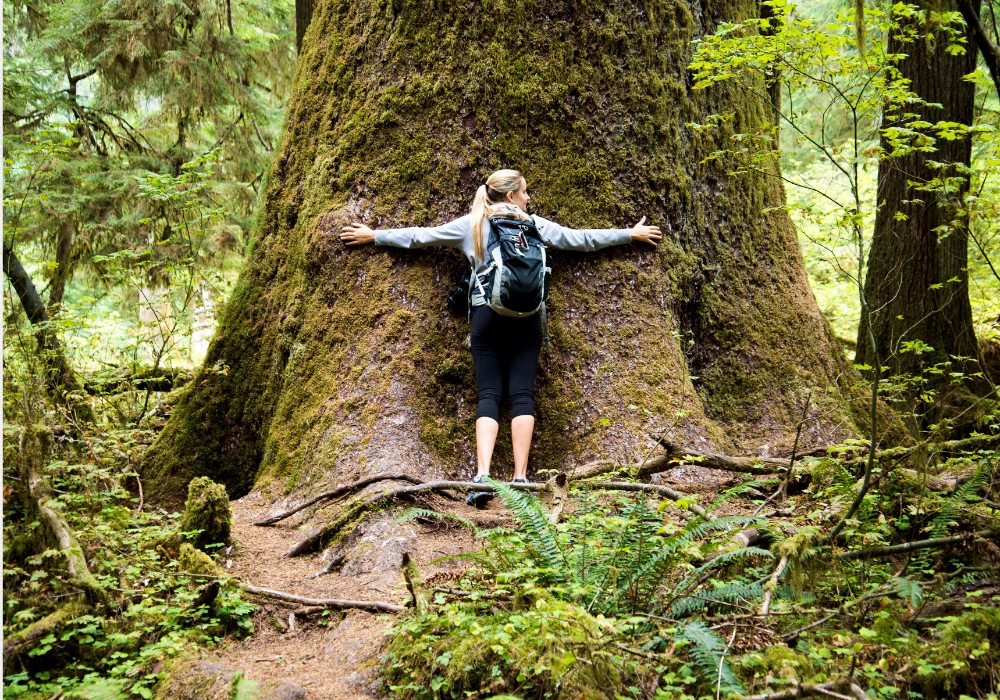
There was a time when caring about the climate meant hugging trees and rinsing yogurt containers. It felt earnest, a little crunchy, and mostly ignored by the mainstream. Not anymore. The climate conversation has slipped out of the activist circle and into the boardroom, the beauty aisle, the group chat, and your cousin’s wedding registry. It’s not just trending—it’s transforming.

From billion-dollar climate startups to oat milk becoming the new default, climate awareness isn’t lurking in the background. It’s everywhere, dressed up in sleek design and backed by serious money, data, and public support. You don’t need a “Save the Earth” bumper sticker to be part of the movement—you might already be in it without realizing. These ten signs show just how far things have shifted. The fringe is over. Climate culture has officially gone mainstream, and it’s not looking back.

Read more

The Brain Fog Epidemic: How Air Pollution Is Destroying Our Cognitive Abilities

Your daily brain fog might not be burnout—it could be the air around you.

©Image license via iStock

Most people think of air pollution as a respiratory issue. We picture smoggy skylines, asthma attacks, or city-wide alerts warning us to stay indoors. But the damage doesn’t stop with the lungs. A growing body of research shows that air pollution is just as harmful to the brain as it is to the body. It affects how people think, how they process emotions, and even how well they remember basic information.

This is no longer just an urban problem. The chemicals and particles found in polluted air are quietly interfering with cognitive health across the globe, including in areas previously considered low risk. And while many are aware of the physical symptoms, far fewer recognize what’s happening neurologically. Brain fog, forgetfulness, mood swings, and slowed thinking are on the rise. The air people breathe every day may be one of the most underestimated threats to mental clarity.

Read more

Is Global Warming Just More Media Lies? 12 Truths No One Wants to Admit

The stories we’re told about climate change don’t always match what’s really going on.

©Image license via Canva

Depending on who you ask, global warming is either a manufactured hoax, a natural cycle, or the apocalypse itself. The noise is deafening—and that’s not by accident. For decades, powerful industries have pumped out spin, creating just enough confusion to keep people arguing instead of acting. What looks like a debate is often a distraction.

It’s not just about whether the planet’s heating up. It’s about who gets blamed, who gets ignored, and who keeps profiting while the rest of us stay overwhelmed. Climate change isn’t a simple science story—it’s a layered one full of manipulation, selective outrage, and some very carefully chosen lies. And some of the biggest ones? They sound like common sense. If you’ve ever rolled your eyes at climate headlines or felt like something wasn’t adding up, here’s what you’re probably not being told.

Read more

13 Times the Planet Tried to Clean Up Our Mess—and We Made It Worse

Nature has its own survival tricks, but we keep sabotaging the plan.

©Image license via iStock

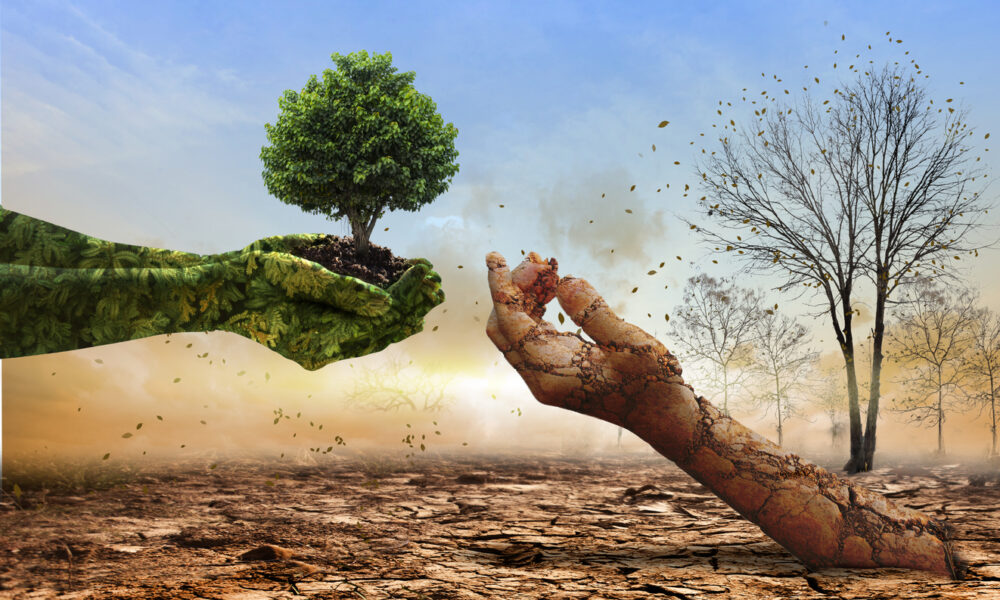
Earth is surprisingly good at cleaning up after us—until it can’t. Forests pull carbon from the air, wetlands trap toxins, and oceans soak up heat like planetary shock absorbers. But instead of working with those natural systems, we keep pushing them past their limits. When the planet fights to restore balance, we fight back with pollution, development, and reckless consumption.

What should be environmental success stories often spiral into cautionary tales. Time and again, nature begins to heal, and we interrupt the process—whether it’s coral reefs trying to regenerate or wolves helping ecosystems recover. These aren’t just missed opportunities. They’re examples of how our short-sighted decisions keep turning potential solutions into even bigger problems. The Earth can’t fix everything on its own. Here are 13 moments when the planet tried to clean up our mess—and we made sure it couldn’t.

Read more

Want Job Security? These 13 Roles Will Boom as the World Burns

Climate chaos is coming—these careers will thrive in the aftermath.

©Image license via iStock

It’s getting harder to pretend the world isn’t on fire—literally. Between megadroughts, heatwaves, floods, and food shortages, climate change is already reshaping how we live. But it’s also reshaping how we work. While some jobs disappear under automation and economic chaos, others are becoming more essential by the day. The climate economy isn’t just about solar panels and carbon offsets. It’s about managing disaster, adapting systems, and keeping communities functioning when everything else starts to break.

These roles aren’t just “green jobs.” They’re the ones that will stick around when the weather’s unpredictable, the water’s scarce, and the rules keep changing. Some are about healing. Some are about survival. And a few are just about cleaning up the mess. If you’re looking for stability in a very unstable world, these are the careers that are only going to get louder.

Read more

Why Scientists Believe America’s Coastal Cities Could Vanish Within Decades

Experts aren’t guessing anymore—they’re bracing for impact.

©Image license via iStock

Sea level rise used to feel like a distant threat—something to worry about in a hundred years, maybe longer. But the data has changed. Now, the warnings are sharper, the predictions more immediate, and the future of America’s coastlines looks a lot more fragile. Cities built on the edge—places like Miami, New Orleans, and Norfolk—are facing a relentless combination of rising seas, stronger storms, and sinking ground.

This isn’t theoretical. Streets are flooding on sunny days. Saltwater is creeping into freshwater systems. Entire neighborhoods are being bought out or quietly abandoned. Scientists aren’t talking in terms of centuries anymore—they’re talking about decades. In some cases, even sooner. With outdated infrastructure, rapid development, and slow-moving policies, many coastal cities are completely unprepared for what’s coming. The ocean isn’t waiting for anyone to catch up, and the clock is running out faster than most people realize.

Read more

What’s Your Plan for a Warming World? These 13 Strategies Could Save You

The clock is ticking, and these strategies could be your only lifeline.

©Image license via Canva

Climate change isn’t a distant threat—it’s already here, reshaping daily life in ways we can’t ignore. One week it’s a record-breaking heatwave, the next it’s flooded roads, smoke-filled skies, or grocery store shelves that suddenly feel a little emptier. The systems we’ve long relied on—weather, food, water, power—are becoming more fragile, and the cracks are spreading faster than most expected.

But this isn’t about fear or worst-case scenarios. It’s about staying grounded in a time of growing uncertainty. Preparation doesn’t mean panic, and it doesn’t require a bunker or a complete lifestyle overhaul. It starts with awareness and small, steady actions that build resilience over time. Whether you live in a city apartment, a quiet suburb, or a rural town, there are meaningful ways to adapt and prepare. The future may be unpredictable, but how we respond to it is still in our hands. Readiness isn’t overreacting—it’s smart living.

Read more