
Scorching temperatures are pushing parts of the world beyond what the human body can withstand.

Extreme heat isn’t just uncomfortable—it’s deadly. As climate change accelerates, more regions are experiencing summer temperatures so high that they surpass the limits of human survival. Wet-bulb temperatures, which measure heat and humidity together, have begun to regularly hit dangerous levels in some places, making it impossible for the human body to cool itself. When this threshold is crossed, even the healthiest person, sitting in the shade with unlimited water, can die in just a few hours.
These 11 regions are now seeing summer temperatures that exceed what the human body can tolerate. The rising heat isn’t just a warning—it’s a crisis already unfolding. With each passing year, these areas become less habitable, forcing mass migrations, overwhelming infrastructure, and putting millions of lives at risk. If global temperatures continue to rise, these “death zones” could become permanent, making parts of the planet unlivable for future generations.
1. The hottest inhabited city on Earth is in serious trouble.

According to Zoha Tunio at Inside Climate News, Jacobabad in Pakistan is experiencing some of the most extreme heat on the planet. This city has repeatedly recorded wet-bulb temperatures above 35°C (95°F) and in recent years, daytime highs have exceeded 50°C (122°F), leaving residents with few options to escape the brutal conditions.
The city’s infrastructure is failing under the weight of extreme heat. Power grids collapse, water shortages worsen, and those without air conditioning are left to endure life-threatening temperatures. For laborers, farmers, and the elderly, exposure to Jacobabad’s heat can be fatal. As climate change accelerates, this city is becoming a test case for how quickly a place can become uninhabitable.
2. A Persian Gulf city recorded one of the highest heat indexes ever.
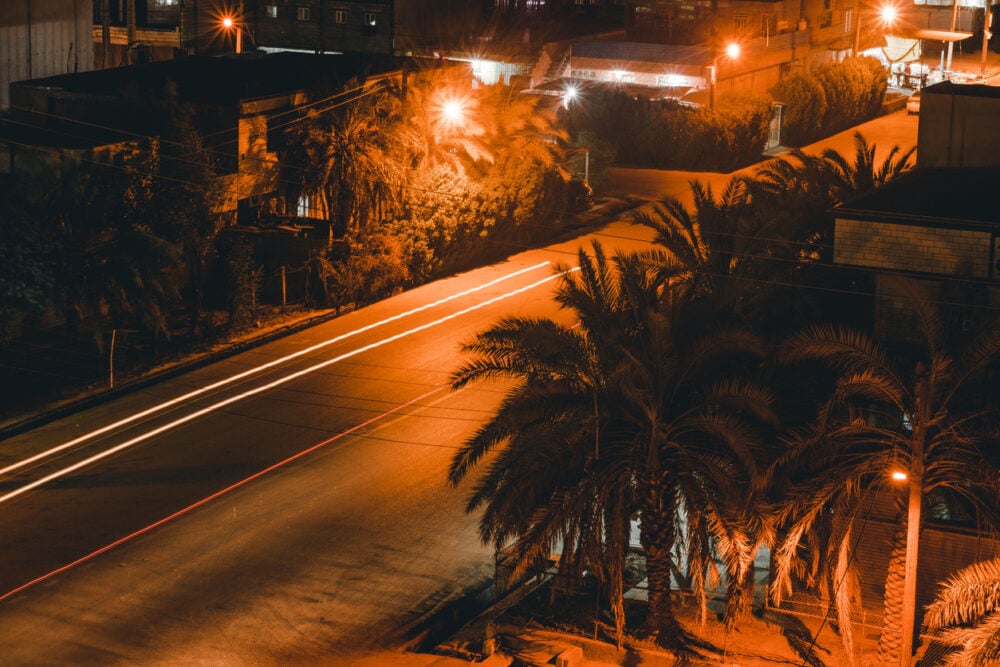
In 2015, Bandar Mahshahr in Iran made global headlines when the heat index hit a staggering 74°C (165°F), as reported by Jack Linshi for the Time Magazine. The combination of extreme heat and suffocating humidity makes this region one of the most dangerous places on Earth for prolonged exposure. Even in the shade, these conditions can quickly overwhelm the human body, leading to heatstroke and organ failure.
Unlike drier heat zones where sweat evaporates to cool the body, Bandar Mahshahr’s oppressive humidity traps heat against the skin, making it nearly impossible to cool down. The city’s location near the Persian Gulf means that humidity remains high even at night, offering little relief. Without reliable air conditioning, life here becomes a struggle for survival. As global temperatures continue to climb, this region could become one of the first places where summers are completely unlivable for humans.
3. An American desert is breaking its own records.
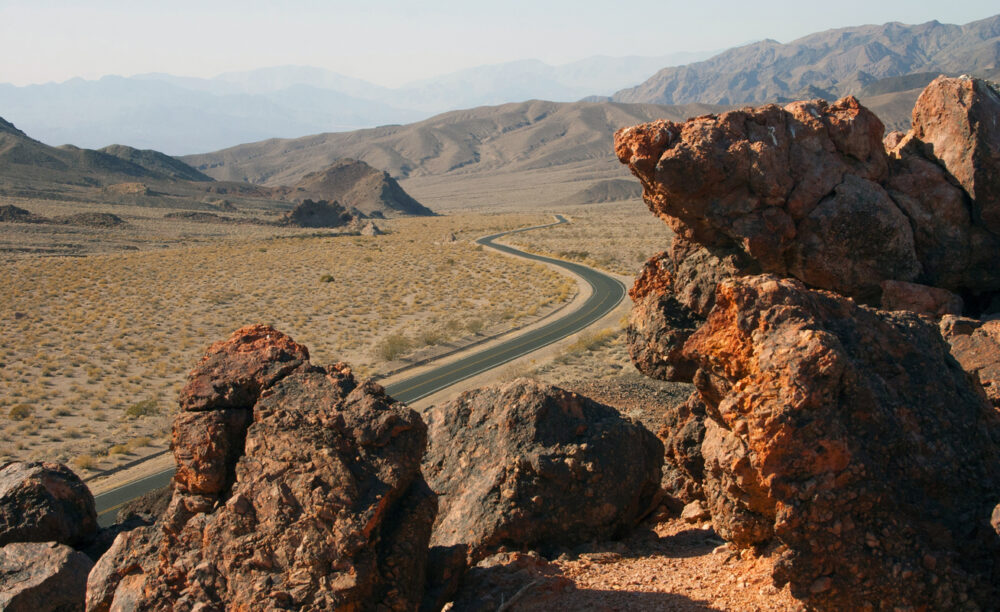
This scorching desert landscape holds the world record for the highest temperature ever reliably recorded—54.4°C (129.9°F), per Bob Henson at The Guardian. Death Valley, California is infamous for its extreme heat, but recent years have pushed it beyond historical norms.
As global temperatures rise, Death Valley is setting new records more frequently, making it a symbol of the planet’s accelerating climate crisis. While few people live in the region year-round, tourists still visit during peak summer months, often underestimating the brutal conditions.
Hikers, sightseers, and even experienced adventurers have died after misjudging the valley’s unforgiving heat. With limited water sources and relentless sun exposure, the risk of heatstroke is dangerously high. As climate change intensifies, Death Valley’s extremes may serve as a warning for other hot regions that are quickly becoming even more uninhabitable.
4. Heatwaves in Churu, India are testing the limits of survival.
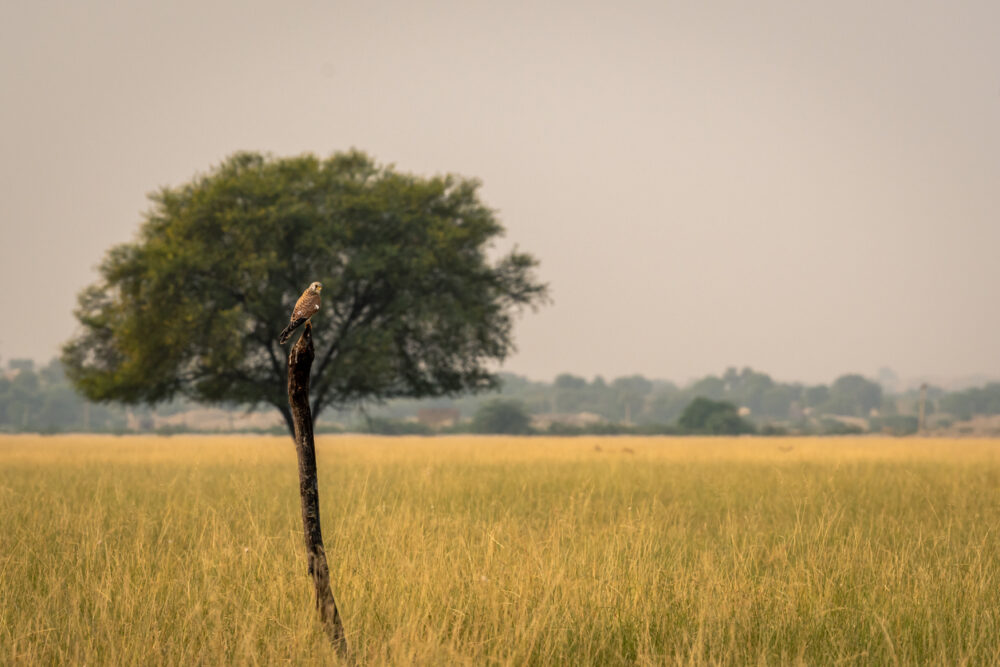
A city in Rajasthan, has become one of India’s most heat-stressed locations. With temperatures frequently soaring past 50°C (122°F), Churu has seen repeated heatwaves that push human endurance to its limit. Residents, especially those who work outdoors, struggle to stay cool in the intense desert climate, where even the shade offers little relief.
Homes in the region often lack proper insulation, trapping heat indoors and making nighttime temperatures dangerously high. Water shortages add another layer of risk, leaving many without enough hydration to withstand the intense heat. For farmworkers, street vendors, and construction laborers, extreme heat isn’t just an inconvenience—it’s life-threatening. If these trends continue, cities like Churu could see summers where stepping outside for more than a few minutes becomes a serious health hazard.
5. Even air conditioning can’t keep up with Kuwait’s extreme heat.
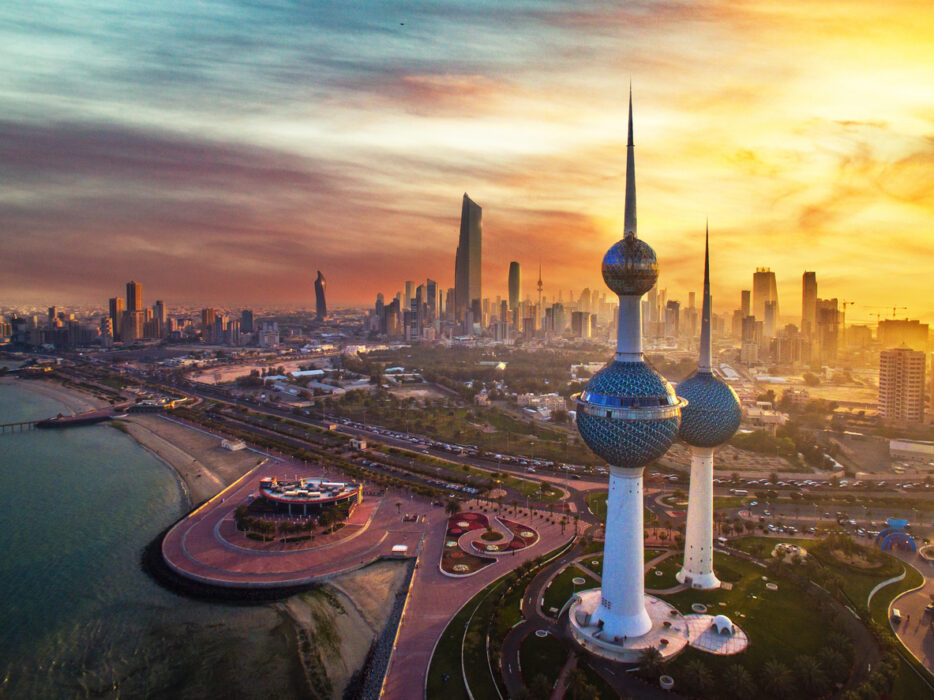
Kuwait City regularly records some of the highest temperatures in the world, with recent summers bringing highs above 53°C (127.8°F). While many residents rely on air conditioning, it’s becoming increasingly difficult for infrastructure to keep up. Power grids buckle under the demand, and outages during peak heat hours can turn homes into death traps.
Outdoor workers face the greatest risk, with scorching pavement and metal surfaces making conditions even worse. The government has implemented work bans during the hottest hours of the day, but even brief exposure can cause heat exhaustion and heatstroke.
Rising global temperatures are turning Kuwait into an increasingly hostile environment, where even modern cooling solutions may not be enough. Without drastic emissions reductions, this region may see heat levels that surpass what current infrastructure can handle.
6. A tourist hotspot is becoming dangerously hot.

Sin City was built to thrive in the desert, but climate change is pushing it past its limits. Las Vegas’ famous heat is becoming more extreme, with summer highs now reaching 47°C (116°F) or more. The urban heat island effect makes matters worse, trapping heat and keeping nighttime temperatures dangerously high. Even after the sun sets, roads and buildings radiate heat, preventing any real cooling.
Extreme heat poses an increasing risk to the city’s homeless population, outdoor workers, and visitors who underestimate the dangers of the desert sun. Dehydration and heatstroke cases spike in the summer, straining emergency services. Water shortages across the Southwest add to the crisis, raising concerns about whether Las Vegas can remain sustainable as the heat continues to rise. Without major adaptation efforts, this desert oasis may become too hot to handle.
7. Argentina’s capital is heating up faster than expected.
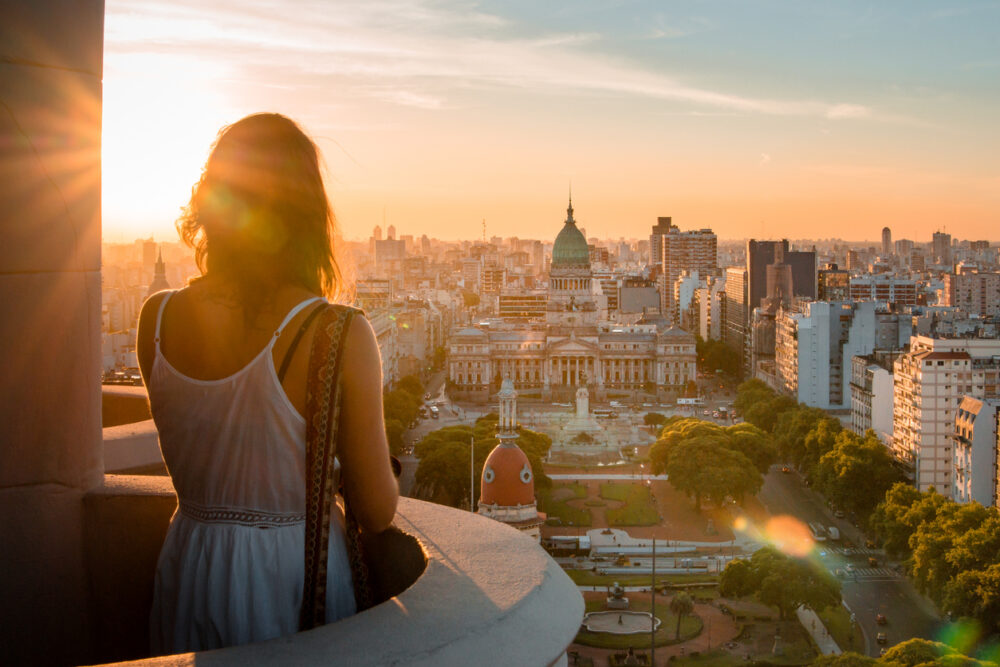
Buenos Aires has historically enjoyed a temperate climate, but recent years have brought heatwaves that are pushing the city into uncharted territory. With summer highs now surpassing 45°C (113°F), residents are struggling to cope with the escalating heat. The combination of high humidity and intense sun exposure makes outdoor activities dangerous, particularly for older adults and those with preexisting health conditions.
The city’s aging power grid has struggled under the increased demand for cooling, leading to widespread blackouts during the worst heat spells. Many buildings lack proper insulation, trapping heat inside apartments and making relief even harder to find. If temperatures continue to rise, Buenos Aires could join the growing list of cities where extreme heat is no longer a rare event, but a season-long crisis.
8. Saudi Arabia’s most sacred city is dangerously hot during pilgrimage season.

Mecca has long been known for its intense heat, but the situation is becoming more extreme. Summer temperatures now regularly exceed 50°C (122°F), making the annual Hajj pilgrimage increasingly dangerous for the millions who travel there each year. Crowds, physical exertion, and limited shade create a deadly combination that has led to rising cases of heat exhaustion and heatstroke.
Authorities have implemented misting stations, shaded walkways, and hydration centers to protect pilgrims, but the sheer number of visitors makes heat management difficult. Many people arrive from cooler climates and aren’t physically prepared for the extreme conditions.
As temperatures continue to climb, ensuring the safety of pilgrims will require significant adaptation efforts. Without major changes, the sacred journey could become life-threatening for many who attempt it.
9. A Chinese megacity is struggling with deadly heatwaves.

Shanghai has been experiencing record-breaking heatwaves, with summer temperatures now exceeding 41°C (106°F). While these numbers may seem lower than some desert regions, the city’s extreme humidity makes the heat far more dangerous. When combined with high moisture levels, the human body struggles to cool itself, increasing the risk of heat-related illnesses.
The dense urban landscape traps heat, preventing nighttime cooling and making relief difficult even after the sun goes down. Power demand for air conditioning has soared, placing massive strain on the energy grid. In lower-income areas, where cooling is less accessible, the dangers are even greater. If these trends continue, Shanghai could face a future where heatwaves disrupt daily life, threaten public health, and overwhelm city infrastructure for months at a time.
10. The Amazon is turning into a fire-prone furnace.
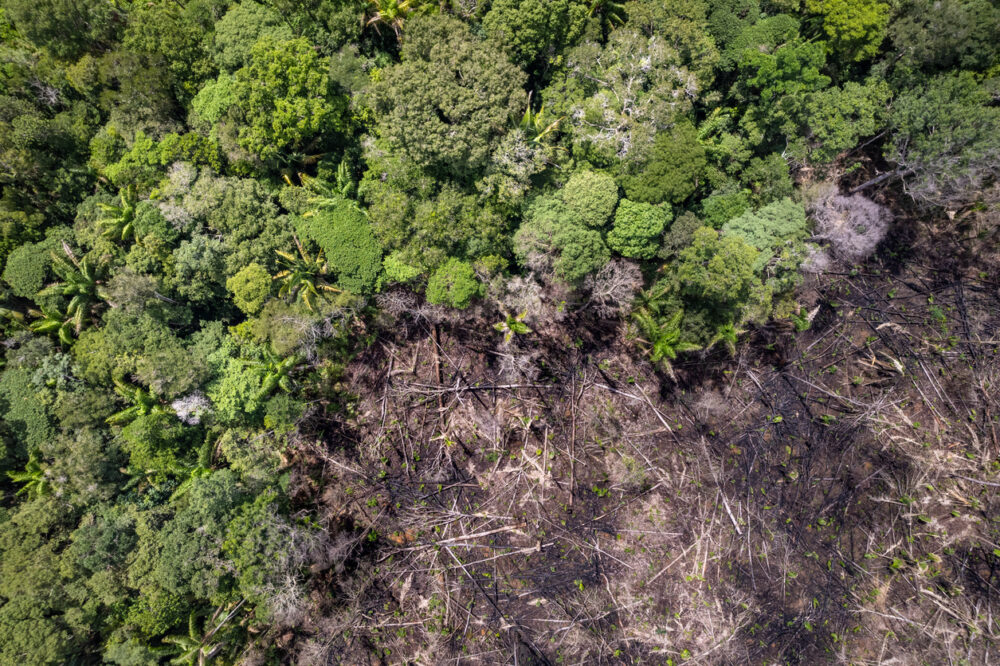
Parts of the Amazon rainforest, particularly in Brazil, are experiencing heat levels that not only threaten wildlife but also make human habitation increasingly difficult. Deforestation has altered the region’s climate, reducing the cooling effects of tree cover and accelerating temperature spikes. Areas that once maintained stable, humid conditions are now seeing dry, blistering heat.
As forests shrink, local temperatures rise, increasing the frequency of wildfires and drying out rivers that Indigenous communities depend on. These extreme conditions have led to mass tree deaths, turning parts of the rainforest into carbon emitters instead of carbon sinks. The Amazon was once known as the “lungs of the planet,” but climate change and deforestation are transforming it into a dangerously unstable environment where both people and ecosystems struggle to survive.
11. Southern Europe’s summers are becoming unbearable.
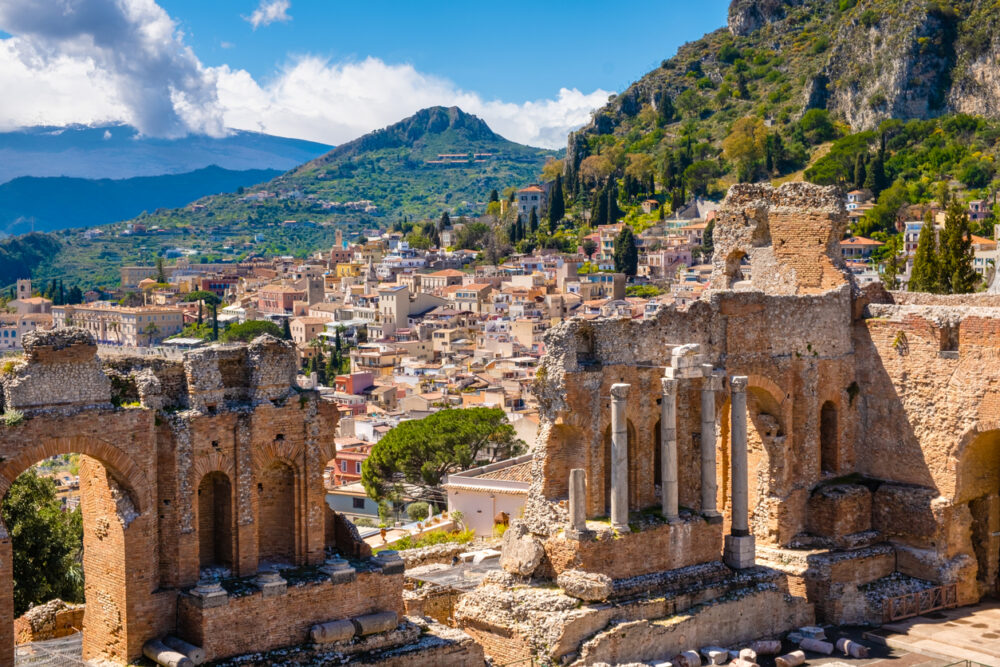
Mediterranean countries like Spain, Italy, and Greece have seen summer heatwaves intensify in recent years, with temperatures exceeding 46°C (115°F). While the region has always had hot summers, climate change is pushing temperatures to unprecedented extremes, fueling wildfires, droughts, and heat-related deaths.
Cities that once relied on open-air living are now seeing power grids struggle under the increased demand for cooling. Many older buildings were designed for milder climates and lack air conditioning, making indoor temperatures unbearable during heatwaves.
Agriculture is also under threat, with vineyards, olive groves, and other crops suffering from prolonged droughts. Without major adaptations, parts of the Mediterranean could become inhospitable during peak summer months, forcing residents and tourists alike to reconsider their relationship with the region’s once-famous summer heat.