The Worst Polluters Still Have Power—These 11 Policies Prove It’s Not Getting Better

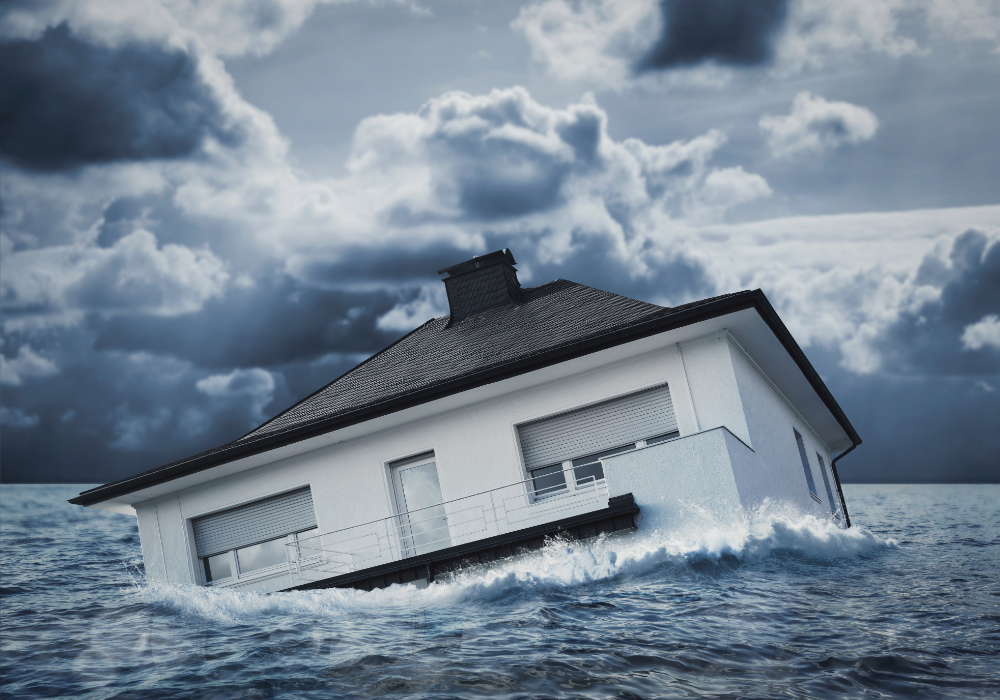
You’re told to recycle—meanwhile, billion-dollar industries keep destroying the planet.
©Image license via iStock

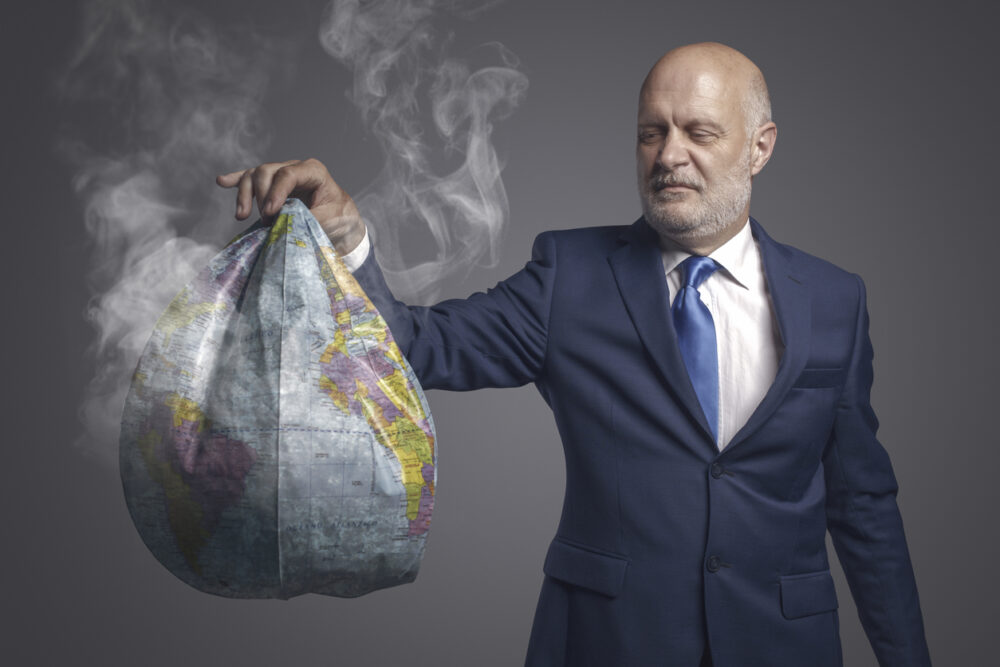
You’ve been told to shorten your showers. Sort your trash. Buy metal straws and carry your tote bags. And while individual choices matter, they’re not what’s keeping the planet in crisis. The truth is, the worst polluters are doing just fine. They’re still drilling, dumping, and burning—backed by governments that claim to care about climate while quietly passing laws that protect those very industries.

This isn’t about ignorance. It’s about influence. The corporations doing the most damage aren’t being reined in—they’re being rewarded. Loopholes, subsidies, and watered-down regulations let them operate with impunity while shifting blame onto everyday people. These 11 policies reveal exactly how the system keeps polluters powerful, and why real change won’t come from the bottom up until the top stops selling out the future.


Read more

Why Is the Weather So Weird? 13 Climate Connections Explained

Extreme weather isn’t random—it’s a warning.

©Image license via Canva

One day it’s snowing in April. The next, it’s 90 degrees in October. Then come the hailstorms, flash floods, record heatwaves, and wildfire smoke drifting in from hundreds of miles away. If you’ve caught yourself wondering, “Has the weather always been this messed up?”—you’re not imagining things. The planet’s climate is shifting fast, and the weather is acting out in all the ways scientists warned it would.

These aren’t just quirky anomalies or “once-in-a-century” events anymore. They’re happening more often, hitting harder, and sticking around longer. Behind every weird weather moment is a deeper connection to the changing climate. And the more we understand those links, the better we can prepare for what’s coming. From hotter oceans to jet stream chaos, here’s how climate change is rewriting the forecast—one bizarre headline at a time.

Read more

10 Cities That Could Be Covered in Toxic Smog by 2040

Breathing in these cities could feel like smoking a pack a day.

©Image license via Canva

Air pollution isn’t just an eyesore or a mild inconvenience—it’s a slow-moving health crisis that’s already shortening lifespans in some of the world’s biggest cities. And with climate change accelerating and emissions still on the rise, things are set to get worse. Much worse. By 2040, experts warn that a disturbing number of urban areas could be shrouded in thick, toxic smog that clogs lungs, strains hearts, and chokes entire communities.

We’re talking about skies that turn gray for weeks, asthma attacks becoming the norm, and the simple act of breathing turning dangerous. These aren’t distant sci-fi predictions. They’re warnings grounded in current data, overlooked policies, and a global addiction to fossil fuels. From traffic-packed megacities to rapidly expanding metros, these 10 cities are staring down a smog-filled future—unless something changes, and fast.

Read more

12 Facts About Greenhouse Gases That End the Debate

There’s no conspiracy—just science you can’t unsee.

©Image license via Canva

At this point, denying climate change isn’t edgy—it’s just outdated. The data’s out there, and it’s not subtle. Greenhouse gases are rising fast, the planet is heating up, and no amount of internet arguing is going to change that. It’s not a political opinion or a trendy cause—it’s chemistry, physics, and atmospheric math that’s been piling up for decades. And the more you look at it, the clearer it gets.

Still, a lot of myths are floating around—like “CO₂ is natural” or “plants need carbon, so what’s the problem?” Spoiler: those talking points don’t hold up. These 12 facts cut through the noise and show exactly why scientists, not conspiracy theorists, are the ones we should be listening to. Whether you’re still on the fence or just tired of climate denial taking up space, these are the numbers and realities you need to know.

Read more

The Hype Around Wind Power Is Starting to Crack—10 Weather Red Flags We Can’t Ignore

When the forecast gets unstable, so does our energy future.

©Image license via iStock

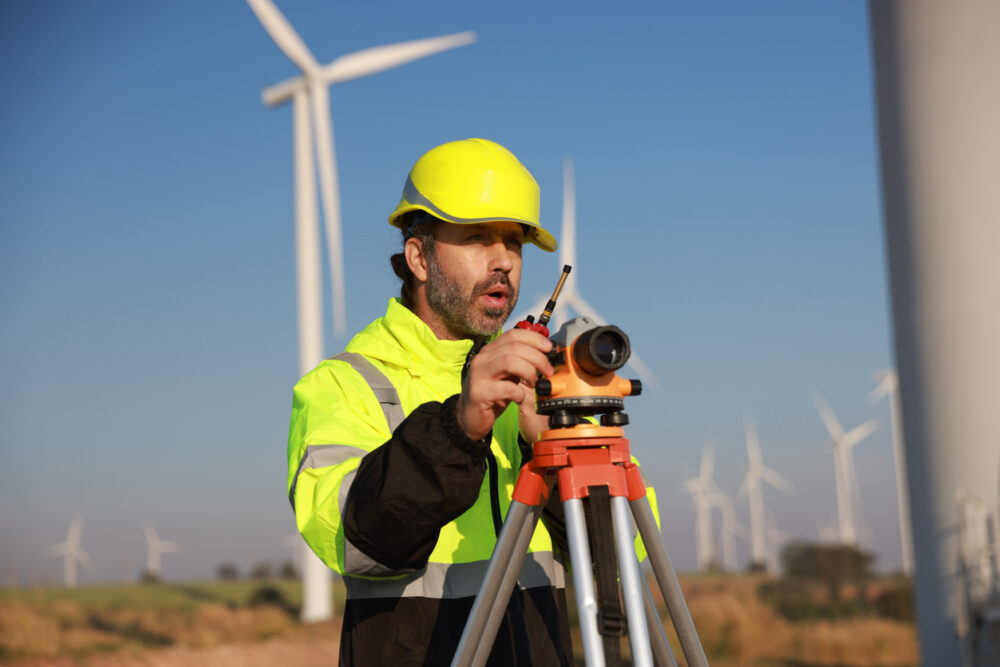
Wind power was supposed to be the golden child of clean energy—endless, renewable, and ready to replace fossil fuels. But nature isn’t as predictable as the marketing made it seem. As climate patterns shift and extreme weather becomes more common, the same force we’ve tried to harness is becoming harder to count on. Wind farms that once spun steadily are now dealing with sudden droughts in movement, violent storms, and erratic gusts that grid systems aren’t built to handle.

This isn’t a takedown of renewables—it’s a reality check. Wind power still has huge potential, but it’s facing weather problems we can’t afford to ignore. The more we rely on it, the more we need to understand what happens when the wind doesn’t play along. These red flags aren’t theoretical—they’re already showing up in power outages, supply shortages, and skyrocketing backup costs. And if we don’t adapt fast, the cracks will only get wider.

Read more

Are We Trapped in the Planet’s Death Spiral? These 12 Chilling Truths Paint a Grim Picture

We didn’t just miss the warnings—we hit the gas.

©Image license via iStock

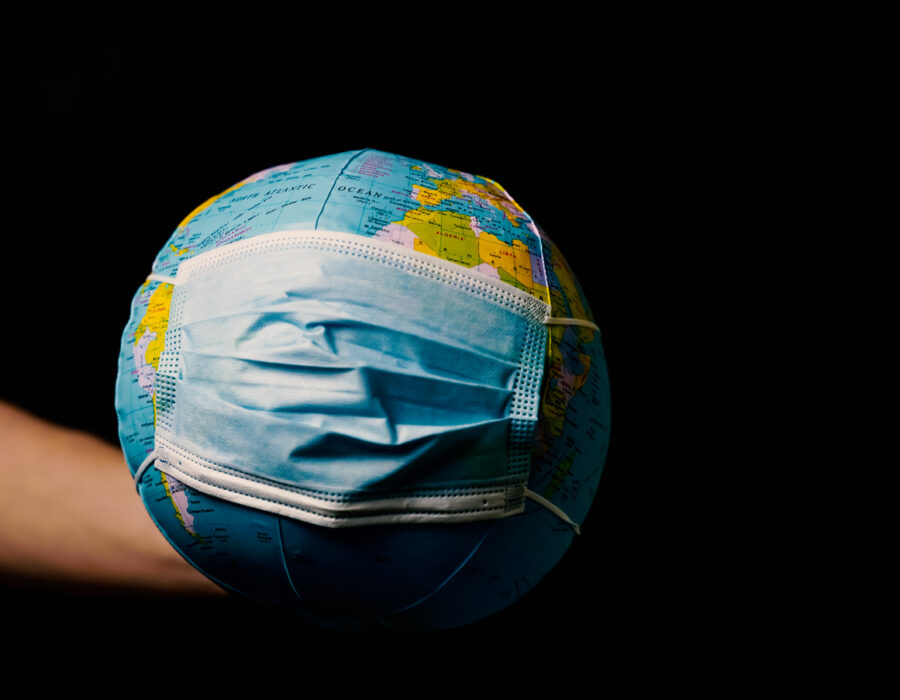
The world didn’t fall apart all at once. It unraveled slowly, while most of us were busy refreshing notifications and debating whether things were really “that bad.” But behind the screen, the signs piled up—bleached reefs, shrinking rivers, starving species, seasons that stopped making sense. The experts warned us. The planet warned us. And we didn’t slow down. We accelerated.

Now, the consequences aren’t hypothetical. They’re baked into the soil, the air, the food, and the water. This isn’t about fearmongering—it’s about facing the full weight of where we are. Because denial isn’t just dangerous anymore. It’s delusional. These truths don’t represent some far-off dystopia. They’re here. They’re happening. And the more clearly we see them, the better chance we have at clawing back even a fraction of what’s still left to save.

Read more

11 Joys of Childhood That Climate Change Could Erase from the Next Generation

What felt timeless in your childhood may not survive the century.

©Image license via Canva

If you grew up chasing lightning bugs, building snow forts, or jumping into piles of crunchy fall leaves, you probably assumed those moments were just part of being a kid. But for today’s children—and the ones coming next—those seasonal rites of passage aren’t guaranteed anymore. Climate change isn’t just melting glaciers and raising sea levels. It’s slowly erasing the everyday magic that once defined childhood.

The seasons are shifting. Weather is becoming more extreme. Entire ecosystems are being rewritten. And with that comes the quiet disappearance of things we thought would always be there. It’s easy to focus on the big-picture science, but sometimes the most heartbreaking impact is the loss of small, joyful things—stuff that made being a kid feel magical. If the climate keeps warming, the next generation might not just inherit a hotter planet. They might grow up missing what we took for granted.

Read more

Is the Heat Warping Our Brains? 10 Ways Rising Temps Affect Decision-Making

Scientists say heat affects judgment—and the risks are bigger than you think.

©Image license via Canva

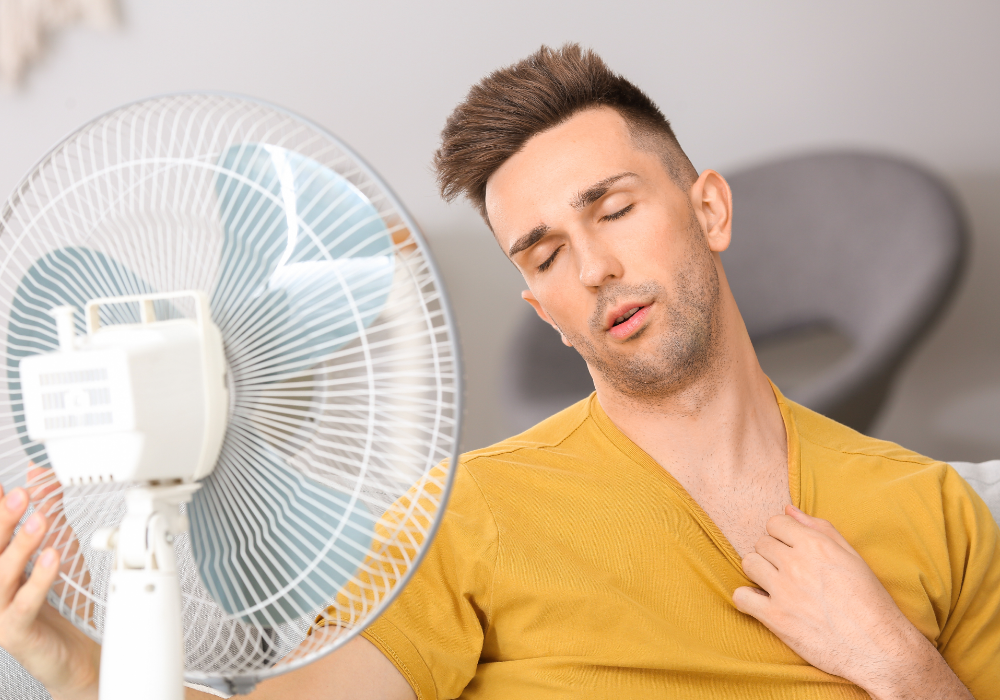
You know that feeling when it’s so hot you can’t think straight? Turns out, it’s not just in your head. As global temperatures climb, researchers are finding that heat doesn’t just affect our bodies—it messes with our brains too. We make worse decisions, take bigger risks, and get more irritable, all because our internal systems are stressed out by the heat. This isn’t about the occasional summer slump. It’s about how our ability to think clearly is changing right along with the climate.

Whether it’s at work, on the road, or in our relationships, heat can make us less patient, more reactive, and less capable of weighing long-term consequences. And in a warming world, that’s a dangerous combo. This isn’t just a sweaty inconvenience—it’s a shift in how we think, feel, and function. Here’s what happens when the heat messes with your head.

Read more

12 Climate Myths Tech Companies Love to Sell You

From smart homes to electric cars, the climate spin is getting slicker.

©Image license via Canva

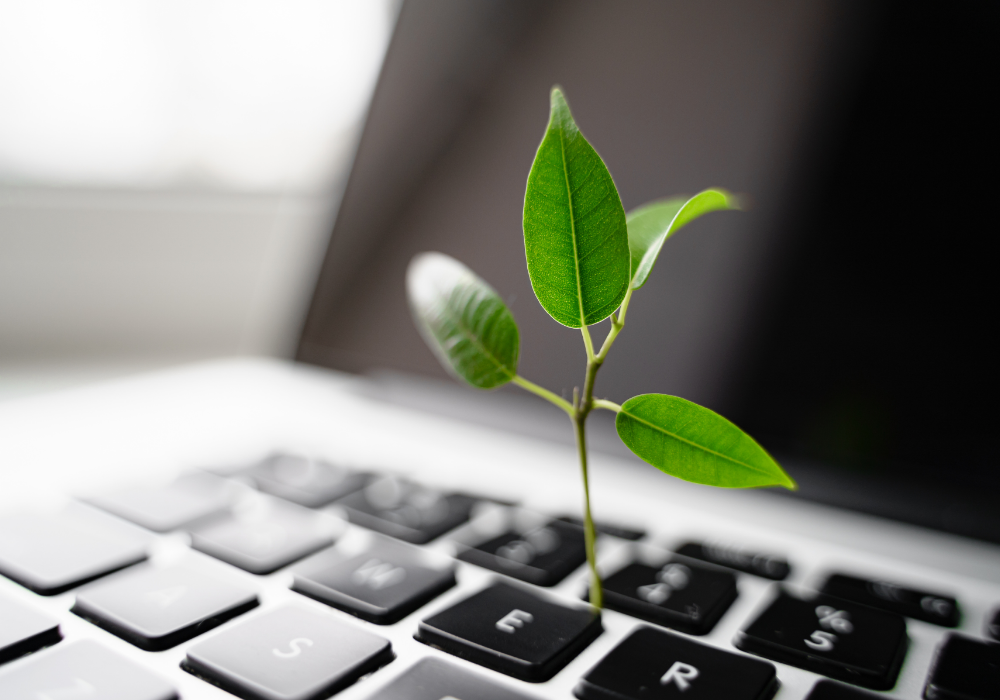
Let’s be real—tech companies are masters at turning big promises into glossy marketing. And lately, climate buzzwords are everywhere. Devices are branded “eco-friendly,” servers are powered by “clean” energy, and everything from your car to your fridge claims to help save the planet. But once you dig past the sleek branding, a lot of these claims start to fall apart. Sometimes the environmental impact is just repackaged, not reduced.

That doesn’t mean every innovation is bad or that we should stop looking for new solutions. But it does mean we have to question the idea that every shiny upgrade is automatically good for the Earth. Sustainability is messy. It takes more than a few recycled materials and some solar panels to fix a system built on constant consumption. Some of the most hyped “green” solutions might be doing more harm than good.

Read more

Are You at Risk? 11 Deadly Weather Patterns That Are Becoming Frighteningly Frequent

These aren’t freak events anymore—they’re the new normal.

©Image license via Canva

What once felt like the worst-case scenario now feels like the forecast. Heat waves that used to break records are now just breaking people. Rainstorms fall harder, floods come faster, and seasons blur into each other. Scientists warned this would happen, but many of us didn’t realize it would hit this fast—or this close to home. The atmosphere is different now. It holds more heat, more moisture, and more energy to unleash at any moment.

These extreme weather events aren’t once-in-a-lifetime anymore. They’re seasonal, escalating, and showing up in places that were never built to withstand them. From inland hurricanes to urban firestorms, these are no longer rare disruptions. They’re signals of a system in collapse. And the scariest part? Most infrastructure, insurance, and emergency plans still assume things will return to “normal.” But normal left years ago—and it’s not coming back.

Read more