10 Catastrophic Chain Reactions That Could Trigger Global Famine by 2050

Scientists are already warning us—and the clock is ticking.
©Image license via Canva

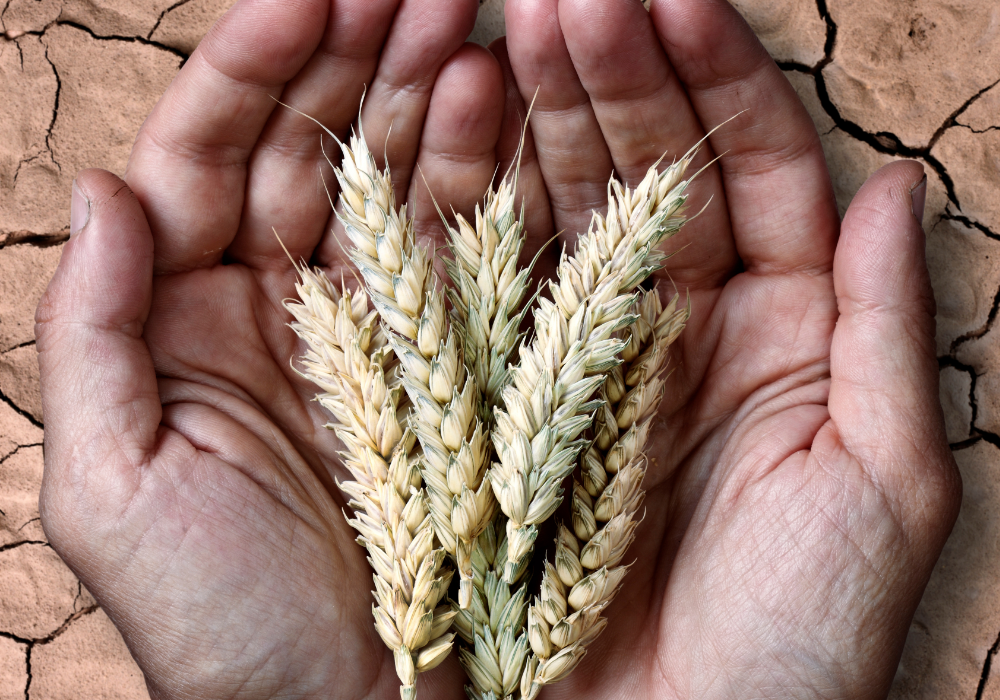
When people think of famine, they usually picture a single event—a drought, a war, a failed crop. But the kind of global famine experts are beginning to warn us about won’t start with one isolated disaster. It’ll come from a chain reaction. A drought that destroys crops. A heatwave that kills pollinators. A war that cuts off exports. A financial collapse that makes food too expensive to buy. These aren’t wild hypotheticals—they’re things already happening, sometimes all at once.

The global food system isn’t just stressed—it’s stretched to the breaking point. And because everything is so connected, one failure can trigger another, and another, until the whole thing comes undone. Experts are tracking these warning signs in real time, not theory. If the pieces keep falling like they are now, we won’t be able to act fast enough to stop what’s coming. The window to prevent collapse is still open—but it’s closing.

Read more

Climate Change Is Creating Strange New Ecosystems—Here Are 10 You’ll Start Seeing Soon

As old habitats disappear, new ones are forming in all the wrong places.

©Image license via iStock

Nature doesn’t pause for us to catch up. As the planet heats up, ecosystems aren’t just collapsing—they’re transforming. Species that never used to mix are suddenly sharing space. Tropical insects are moving into temperate zones. Forests are creeping into tundras. Coral reefs are turning ghostly white, while jellyfish swarm in places they never used to thrive. These shifts aren’t part of some orderly evolution—they’re the messy, unpredictable fallout of a warming world.

And we’re not just talking about far-off rainforests or Arctic ice shelves. These new ecosystems are forming right outside city limits, along roadsides, in abandoned lots, even in your backyard. They’re strange, fast-moving, and deeply unstable. What we used to call “invasive” is now just part of the mix. As familiar landscapes unravel, new ones are taking their place—many of them driven more by chaos than balance. Here are 10 of the most bizarre and fast-emerging ecosystems you’ll start seeing sooner than you think.

Read more

10 Solid Reasons the Greenhouse Effect Is More Than Just Hot Air

It’s not politics—it’s physics, and the numbers don’t lie.

©Image license via Canva

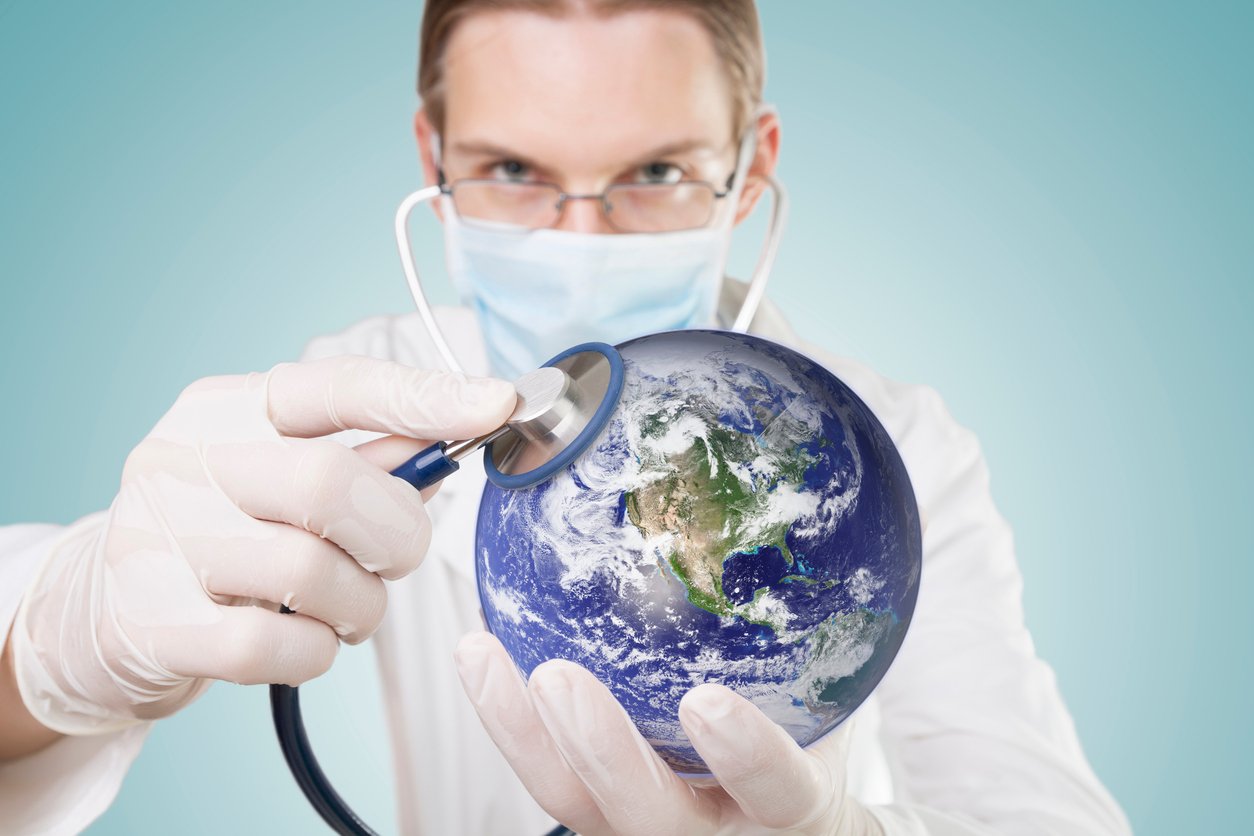
People love to argue about climate change like it’s still up for debate—but the greenhouse effect isn’t a political opinion. It’s a physical process we’ve understood for over a hundred years. Sunlight hits the Earth, some of it bounces back toward space, and certain gases trap that outgoing heat like a giant atmospheric blanket. That’s not speculation—it’s measurable, proven, and happening right now.

And yet, the internet’s full of hot takes calling it a hoax. So let’s cut through the noise. We’re not talking vibes or forecasts—we’re talking hard evidence. Satellites, thermometers, ice cores, ocean sensors. The science isn’t subtle—it’s screaming. If you’ve ever heard someone brush it off as “natural,” or claim Earth’s just “doing its thing,” this list is for you. Because the planet isn’t just warming—it’s reacting. And the signs couldn’t be clearer.

Read more

AI Claims to Solve Climate Change—Here Are 12 Reasons to Be Skeptical

Big promises, bigger emissions, and no accountability in sight.

©Image license via Canva

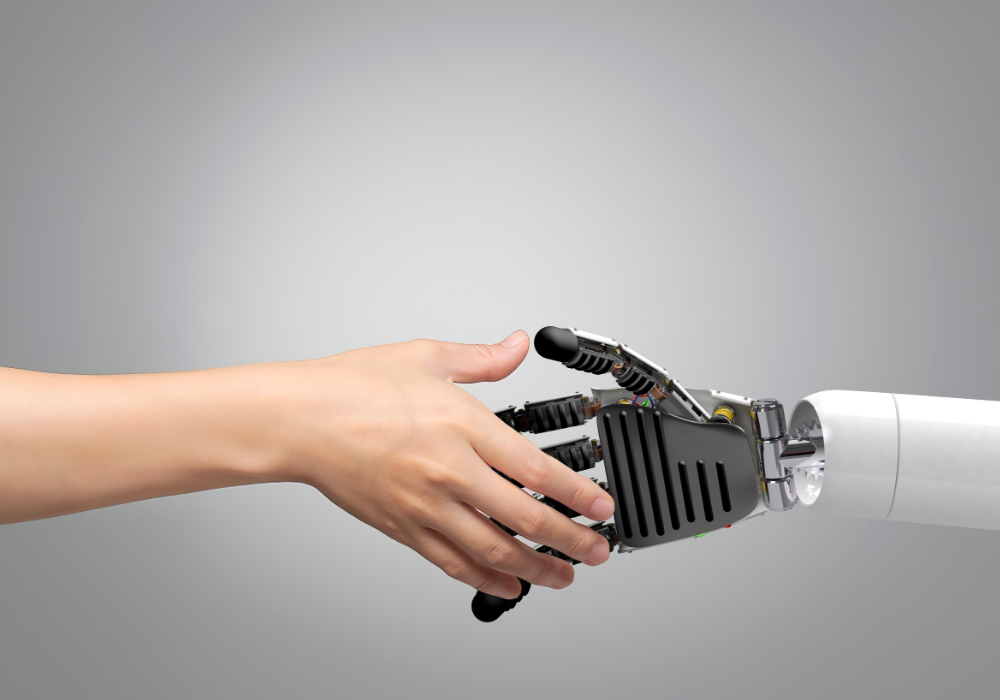
AI is having a moment. Headlines are buzzing with promises that machine learning will fix everything—from traffic to healthcare to, yes, climate change. It sounds great on paper: algorithms that optimize energy use, predict extreme weather, and design cleaner infrastructure. But here’s the catch—those same systems require massive data centers, gulp energy like there’s no tomorrow, and are mostly built by companies with a history of greenwashing.

For every flashy claim about AI “saving the planet,” there’s a hard truth hiding behind the code. The carbon footprint of training just one large model can rival the lifetime emissions of multiple cars. And while the tech world pitches AI as the solution, it rarely talks about the cost. Climate change isn’t a puzzle you solve with software—it’s a crisis that demands structural change. These twelve warnings explain why trusting AI to clean up the mess might only make it worse.

Read more

Are Scientists Lying About Climate Change? 11 Reasons the Data Speaks for Itself

If this is a hoax, nature didn’t get the memo.

©Image license via iStock

Every time climate change comes up, someone throws out the same tired line: “But what if it’s all just made up?” Here’s the thing—it’s not. And you don’t need a lab coat to figure that out. The signs are everywhere. The ice is melting. The oceans are heating up. Weather patterns are getting weird, and records are breaking left and right. If this is some grand lie, then it’s one the entire planet is in on.

Scientists aren’t huddled in a smoky room plotting a conspiracy. They’re measuring, tracking, documenting, and publishing—and the data is loud. You don’t have to believe every headline, but you can’t ignore the signals coming straight from nature, satellites, and thermometers. The truth doesn’t need spin. It just needs a closer look.

Read more

From Fashion to Food: The 11 Deadliest Ways Waste Is Ruining Our Future

From landfills to lunch, our habits are poisoning the future one decision at a time.

©Image license via Canva

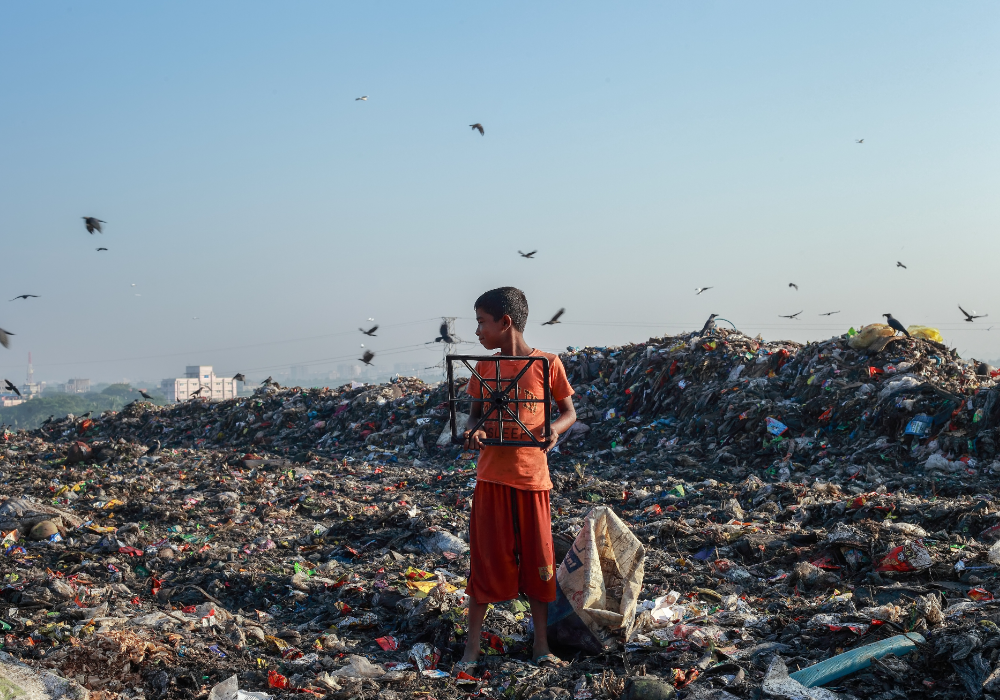
Waste isn’t just gross or inconvenient—it’s quietly becoming one of the deadliest problems of our time. Every day, we throw things “away,” but away isn’t some magical place where it disappears. It’s landfills leaching into groundwater. It’s plastic choking marine life. It’s greenhouse gases rising from trash heaps. And it’s not just coming from one place—it’s coming from everywhere, all at once. Food, fashion, tech, packaging, fast furniture. Our entire system is built on using more and throwing it away faster.

We like to think our individual habits don’t matter, but the system counts on that mindset. It thrives on convenience and denial, while the damage keeps building. Waste isn’t just an environmental issue—it’s a full-spectrum crisis hitting our health, our climate, our economy, and our future. The most dangerous part is how normal it’s all started to feel.

Read more

The Coral Reef Apocalypse: 10 Reasons What’s Coming Should Terrify You

These underwater die-offs are a red flag for the entire planet.

©Image license via Canva

Coral reefs aren’t just pretty underwater backdrops—they’re vital ecosystems holding up life as we know it. And they’re dying, fast. From mass bleaching events to acidifying oceans, reefs around the globe are turning ghost-white, collapsing under the pressure of a world that’s getting hotter, dirtier, and more unpredictable by the day. Scientists have been warning us for years, but the headlines still treat coral loss like a niche issue. It’s not. It’s a massive, flashing warning sign that the planet is unraveling in real time.

And if you think this doesn’t affect you just because you don’t live near the ocean, think again. Coral reefs support fish populations, coastal protection, tourism, food security, and medicine. When they go, the ripple effect hits every corner of the globe. What’s happening underwater isn’t just a tragedy—it’s a full-blown emergency, and these 10 terrifying reasons explain why.

Read more

The First Domino Has Already Fallen—12 Climate Chain Reactions You Can’t Stop Now

When one thread pulls loose, the whole fabric starts to tear.

©Image license via iStock

There’s this idea that climate collapse will arrive all at once—an obvious breaking point we can circle on a calendar. But that’s not how it’s happening. It’s slower, messier. One thing shifts, and that shift quietly sets off five more. An ice shelf melts, and the ocean current slows. A drought drags on, and a forest doesn’t regrow. The damage doesn’t stay where it started. It spreads.

What’s terrifying isn’t just the disasters themselves—it’s how deeply everything is connected. One broken link puts pressure on another. One tipping point edges another closer. The momentum is already speeding up whether we notice or not. Some of these chain reactions have already begun. Some are happening faster than scientists expected. And none of them are easy to reverse. These twelve unfolding dominoes show just how fragile the balance was—and how quickly the future is reshaping itself right now.

Read more

Republicans vs. the Planet? 12 Reasons the Right Can’t Budge on Climate Denial

Climate denial isn’t just ignorance—it’s identity, money, and power wrapped together.

©Image license via Canva

It’s wild that climate change is still a political debate in 2025. The science has been solid for decades, the evidence is everywhere, and yet a big chunk of the political right still refuses to acknowledge the crisis—or does everything possible to downplay it. It’s not just about disbelief anymore. It’s about identity, loyalty, and systems that reward denial over change. For a lot of Republicans, shifting their stance would mean admitting they were wrong, challenging powerful allies, or stepping outside the party line—and that’s a hard sell.

This isn’t just frustrating for people who care about the planet. It’s dangerous. Every year of delay means more heat, more fires, more floods, and more lives upended. If you’ve ever wondered why so many on the right still won’t budge on climate—even as the world burns around them—it’s not just ignorance. It’s deeper than that, and a whole lot more calculated.

Read more

Your Food Is Traveling Further Than You Think—10 Shocking Supply Chain Truths

That “local” label might be more global than you realize.

©Image license via Canva

You pick up a tomato at the store and think, “Nice, fresh, local.” But what if that tomato actually took a cross-country—or cross-continental—trip before landing in your cart? Most of us don’t think about where our food comes from beyond the store shelf, but behind every bite is a complex supply chain filled with unexpected detours. From refrigerated cargo ships to massive distribution hubs, your groceries have logged more miles than most people take on vacation.

It’s not just about distance—it’s about emissions, delays, labor, and hidden costs. Even food grown nearby might be packaged, processed, or stored far away before making its way back to you. The food system was built for efficiency, not transparency. Once you start tracing the journey, it becomes clear that what looks simple is anything but.

Read more