11 Weather Nightmares Climate Scientists Saw Coming—And Now We’re Living Them

What once seemed impossible is now becoming the new normal.

©Image license via iStock

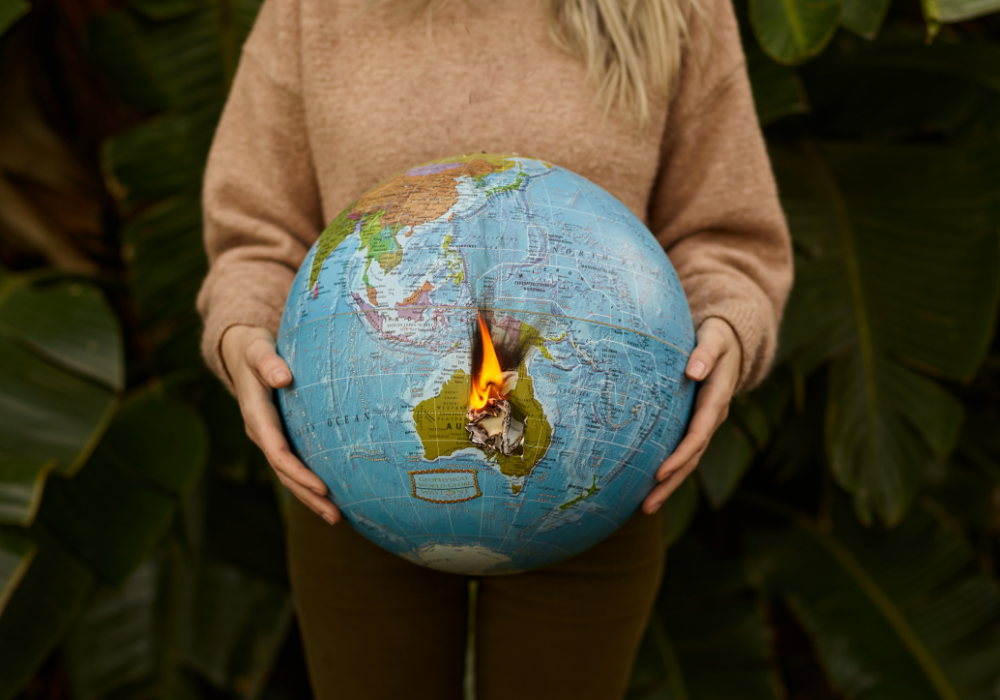
Remember when climate change felt like something far-off? A future problem for future people? That future is here—and it’s wearing a very different forecast. Scientists have spent decades warning us what would happen if global temperatures kept rising. Stronger storms. Deeper droughts. Heatwaves that make sidewalks sizzle. At the time, some of it sounded dramatic. Now it’s just…daily life.

This isn’t science fiction—it’s science fulfilled. Climate models didn’t exaggerate. In fact, many were too conservative. We’re seeing predictions from the 1990s and early 2000s unfold with unsettling accuracy. And while the weather’s always been unpredictable, this level of disruption? It’s not random. It’s the direct result of a planet pushed past its limits. If you’ve felt like the seasons are off or the storms hit differently now, you’re not imagining it. These 11 forecasts were warnings—and now, they’re reality.
Read more

12 Ways the Climate Conversation Is Influencing Your Everyday Decisions

The war on climate change is quietly rewriting the rules of modern life.

©Image license via Canva

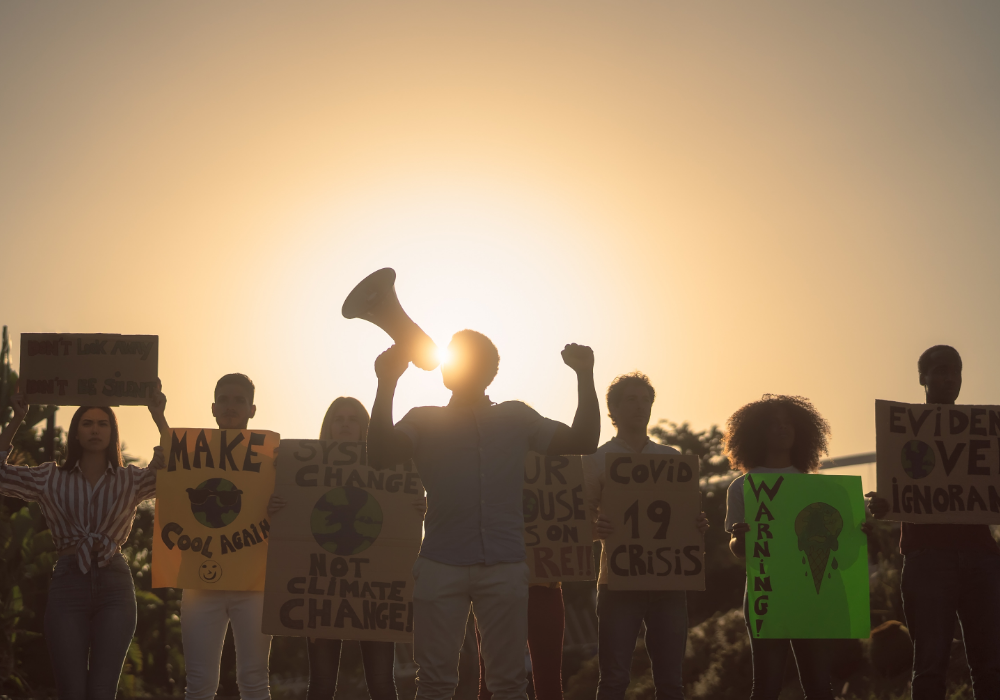
It used to feel like caring about the environment was just common sense—recycle, don’t litter, maybe drive a little less. Now, it feels like something else entirely. Climate change is real, no doubt about it. But the way it’s being talked about—and legislated—is starting to raise eyebrows. Rules are getting tighter, options are shrinking, and everyday choices are suddenly framed as moral decisions. It’s not just about saving the planet anymore; it’s about control, guilt, and fear.

You can believe in science and still question how far this is going. It’s okay to want clean air and water without feeling like you’re being herded into a lifestyle you didn’t choose. Somewhere along the line, the conversation stopped being balanced. Now it feels like speaking up about the downsides makes you the villain. But if it’s really about protecting the future, shouldn’t honest discussion still be allowed?

Read more

Nature Warns Before We Notice—Here Are 12 Signals From the Wild

The wild isn’t silent—it’s trying to tell us what’s coming.

©Image license via Canva

Nature doesn’t whisper for no reason. Long before a heatwave fries the sidewalks or floodwaters reach the streets, the wild is already shifting. Birds fly strange routes. Insects vanish. Trees bloom out of season. These aren’t random events—they’re signals. But we’re often too distracted to catch them until it’s too late. The Earth isn’t quiet. We just forgot how to listen.

For animals, sensing change is survival. For us, it’s often an afterthought. But learning to notice these patterns doesn’t require becoming a full-time naturalist. It just takes paying attention. Because when the world starts behaving differently, there’s always a reason. These aren’t quirks of nature—they’re warnings. And once you start noticing them, you can’t unsee what the wild is trying to say. These signals don’t just tell us something’s wrong. They tell us when it’s time to act.

Read more

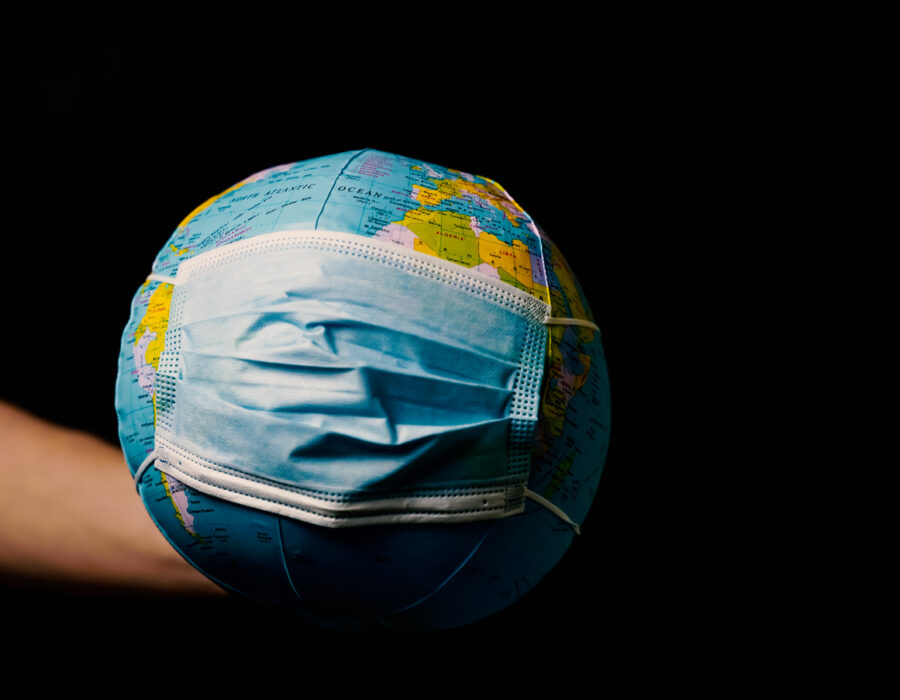
Climate Change Could Trigger the Next Pandemic—Scientists Warn Deadlier Diseases Are Emerging

Rising temperatures are turning the planet into a breeding ground for outbreaks we’re not ready for.

©Image license via iStock

Climate change isn’t just melting glaciers or fueling wildfires—it’s rewriting the rules of survival for every living thing on Earth. As ecosystems shift and collapse, viruses, bacteria, and the species that carry them are moving too. Animals that once lived far apart are now crossing paths. Pathogens are jumping between hosts. And diseases once locked in remote regions are gaining global reach. These aren’t vague predictions for the distant future. They’re unfolding now.

Scientists have been warning for years that rising temperatures could accelerate the emergence of new infectious diseases. But what’s changing isn’t just the climate—it’s the conditions that allow outbreaks to explode. From thawing permafrost to collapsing biodiversity, the ingredients for the next pandemic are already in motion. It won’t take a lab leak or bioterror event. It could take a bat, a mosquito, or a melting stretch of land. These 10 shifts reveal just how fast the threat is evolving.

Read more

You Can’t Hear the Forest Anymore—10 Subtle Losses That No One’s Grieving

The world is thinning out and we’re too distracted to care.

©Image license via iStock

You don’t always notice when something disappears. Especially when it goes quietly. No breaking news. No viral footage. Just a little less birdsong in the morning. A patch of wildflowers that doesn’t come back. That certain smell in the air after rain—gone without fanfare. These aren’t headline-grabbing extinctions or massive disasters. They’re the softer unravelings. The quiet subtractions from daily life that feel too small to mourn but too important to ignore.

We’re told to worry about the big picture—carbon emissions, rising seas, wildfire seasons that never end. But while our attention is pulled to the spectacular, the ordinary world is dissolving right under our feet. The losses are subtle, sensory, almost invisible. And that’s what makes them so dangerous. By the time we realize what we’ve lost, we’ve already adapted to the absence. The forest isn’t silent yet—but it’s quieter than it should be. And the silence is spreading.

Read more

What If We Actually Win? 11 Ways the Climate Fight Could Pay Off

A livable planet isn’t a fantasy—it’s what we get if we act fast.

©Image license via Canva

It’s exhausting to constantly hear how we’re running out of time. Every day, it feels like the world is sliding further into chaos—floods, fires, heatwaves, repeat. But what if we flipped the script for a second? What if we actually did it? What if the world got serious, followed the science, and took action that worked? It’s not a pipe dream—it’s a real possibility. And the benefits aren’t just “less bad stuff.” They’re actually pretty incredible.

We’re talking healthier bodies, safer communities, better food, and more connection to the world around us. It’s not just about cutting emissions. It’s about building a life we actually want to live. There’s a version of the future that isn’t just bearable—it’s better. So let’s imagine that version for a minute. Here’s what winning the climate fight could actually look like.

Read more

12 Everyday Decisions That Prove Climate Stupidity Is Real

Convenience is killing us, and these decisions are the proof.

©Image license via Canva

We’re not short on information. We know the climate is unraveling—faster than scientists predicted and with consequences that are no longer subtle. And still, we cling to habits that make it worse, all in the name of ease. It’s not just corporations dumping oil or billionaires flying private. It’s what we toss in the trash, how we get to work, what we eat, and how we shop. These choices don’t seem world-ending on their own, but stacked together, they form a pattern of denial so deep it’s almost impressive.

We keep making the same mistakes even when we know better—because convenience is addictive, and change feels hard. But let’s be real: some of these decisions are just plain stupid. Not clueless, not accidental—stupid. If we want a future that doesn’t burn, flood, or choke us out, it’s time to call out what’s not working. Starting with these 12 everyday choices.

Read more

12 “Innocent” Luxuries That Come at a Hidden Human Cost

These modern “essentials” are built on invisible labor.

©Image license via Canva

We all love comfort. Fast delivery, clean clothes, fresh coffee, a spa day when we need a break—these things feel harmless, even necessary. But peel back the polished surface, and you’ll often find something darker underneath. Many of the luxuries we rely on come at the cost of someone else’s exhaustion, underpayment, or invisibility. The convenience isn’t free. It just shifts the cost onto people we never see.

This doesn’t mean you need to feel guilty every time you order takeout or get your nails done. But it does mean asking harder questions about how those services are priced, who’s behind them, and what kind of system we’re really supporting. Exploitation doesn’t always look violent. Sometimes it’s a smile through a 12-hour shift, or a “thank you” that replaces fair pay. If we’re going to enjoy the luxuries, we owe it to the people behind them to look closer.

Read more

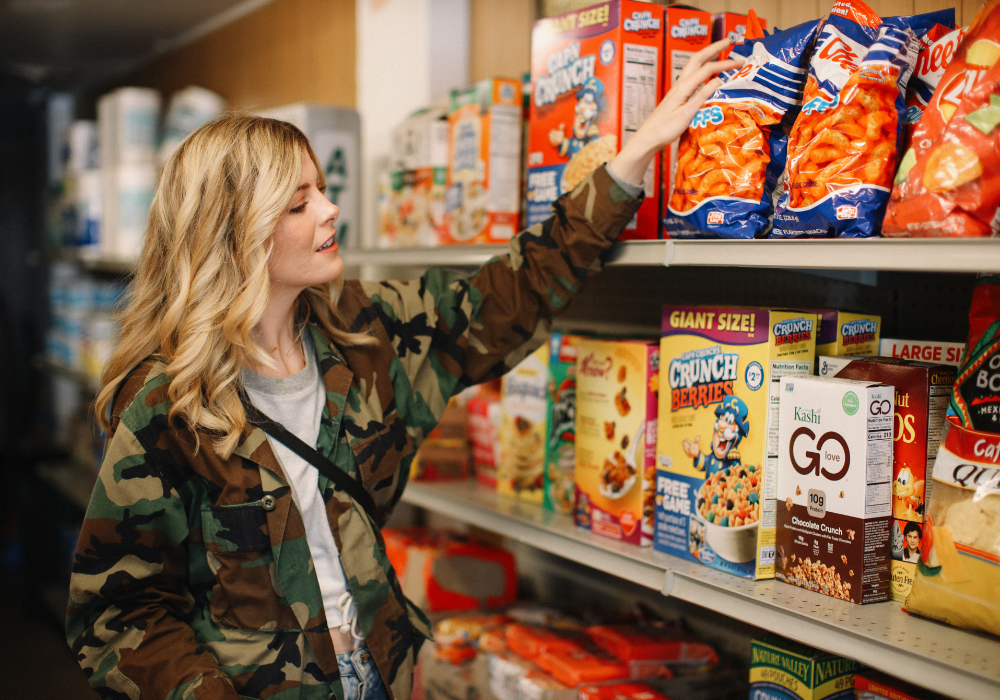
Your Grocery Cart in 2030—Here Are 12 Climate-Driven Changes to Expect

Your weekly haul is about to tell a very different story.

©Image license via iStock

You won’t need a breaking news alert to see the effects of climate change—you’ll see it in your grocery cart. Shortages, substitutions, price hikes, and packaging changes are already creeping in, and by 2030, they won’t be the exception. They’ll be the new baseline. That perfectly ripe avocado? Maybe not so perfect. That affordable gallon of milk? A lot less affordable. The foods we take for granted today are being reshaped by drought, heat, floods, and shifting global supply chains.

What shows up on shelves in the next few years won’t just reflect market trends. It’ll reflect climate reality. Farmers are already planting different crops. Corporations are scrambling to protect fragile supply lines. Some products will disappear altogether. Others will quietly morph into climate-optimized versions of what they used to be. These changes won’t always be obvious—but they’ll be everywhere. Here’s how the climate crisis is already rewriting your grocery list.

Read more

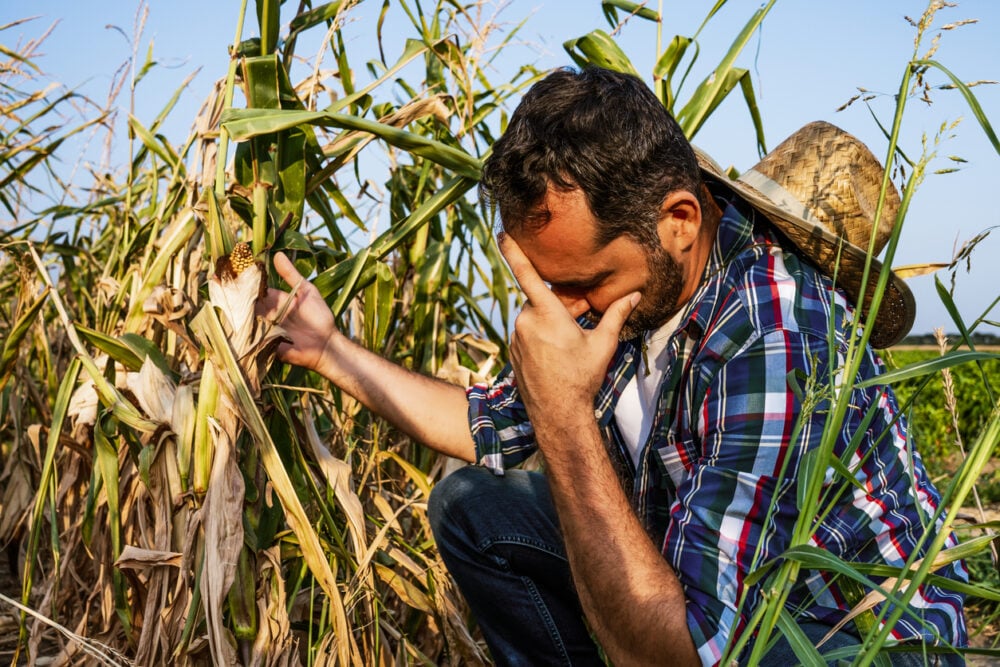
America’s Center Is Cracking—10 Ways Drought and Firestorms Are Tearing It Apart

What used to be America’s backbone is now the bullseye of disaster.

©Image license via iStock

The Heartland was once seen as the country’s most dependable region—rich soil, stable weather, and a vast middle ground that fed the nation and buffered its coasts. But that image no longer holds. As the climate heats up, America’s interior is becoming less a sanctuary and more a flashpoint. Droughts drag on for months. Fire seasons don’t end. Crops wither. Communities burn. And still, the systems built around this land pretend it’s business as usual.

What’s unfolding isn’t a series of isolated weather events—it’s a transformation. Water tables are falling. Heat is rewriting planting calendars. The once-predictable rhythm of life in the Midwest and Great Plains is being replaced by volatility, scarcity, and fear. These aren’t distant threats. They’re already carving into the land that feeds and fuels the rest of the country. And the longer we ignore the warning signs, the deeper the damage gets.

Read more