11 Ways Superstorms Are Becoming the New Normal (And What It Means for You)

What used to be a once-in-a-century storm now hits every few years.
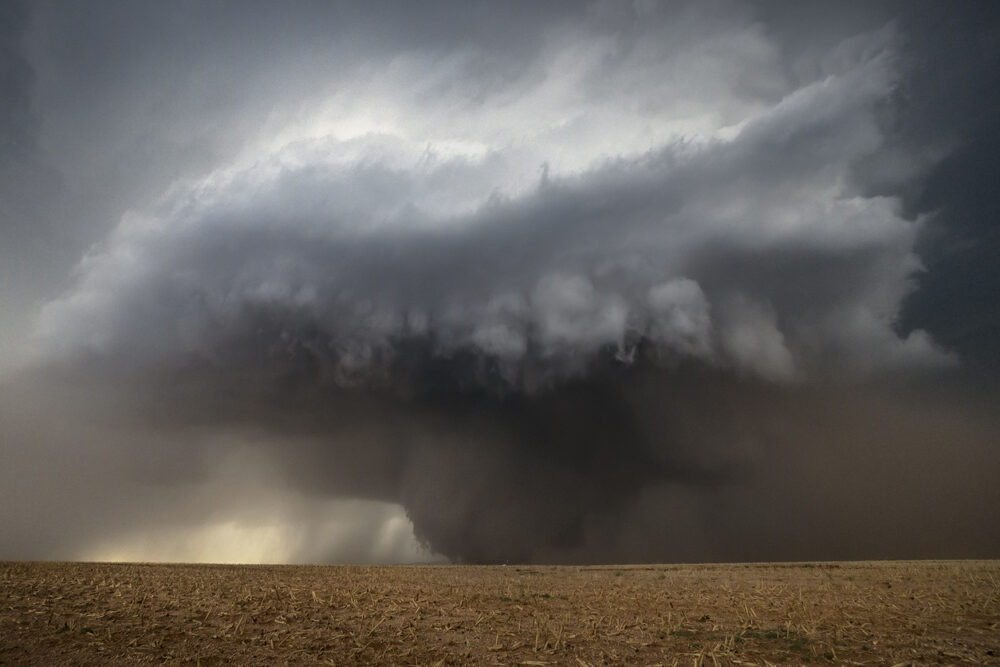
We©Image license via iStock

You used to watch hurricane footage on the news and think, “Wow, glad that’s not happening here.” But now? It’s knocking on your door—or flooding your basement. Superstorms have stopped feeling like freak events and started acting like seasonal visitors. And they don’t just pass through with a little wind and rain anymore. They linger, they level, and they leave entire regions scrambling to recover. It’s not just the coastal towns getting pummeled, either. Inland cities, suburbs, farmland—they’re all in the splash zone now. And when you add in hotter oceans, melting ice, and wilder jet streams, it’s clear something’s seriously out of whack.

You’re not just dealing with a bad storm—you’re watching the definition of “normal” shift right under your feet. It’s unsettling. It’s exhausting. And if you haven’t already felt the impact, chances are you will. Because this isn’t just climate change. It’s a full-blown wake-up call.
Read more

When the Fire Comes, They’ll Blame the Activists—10 Ways That’s Already True

Climate villains are pointing fingers at the very people trying to help.

©Image license via Canva

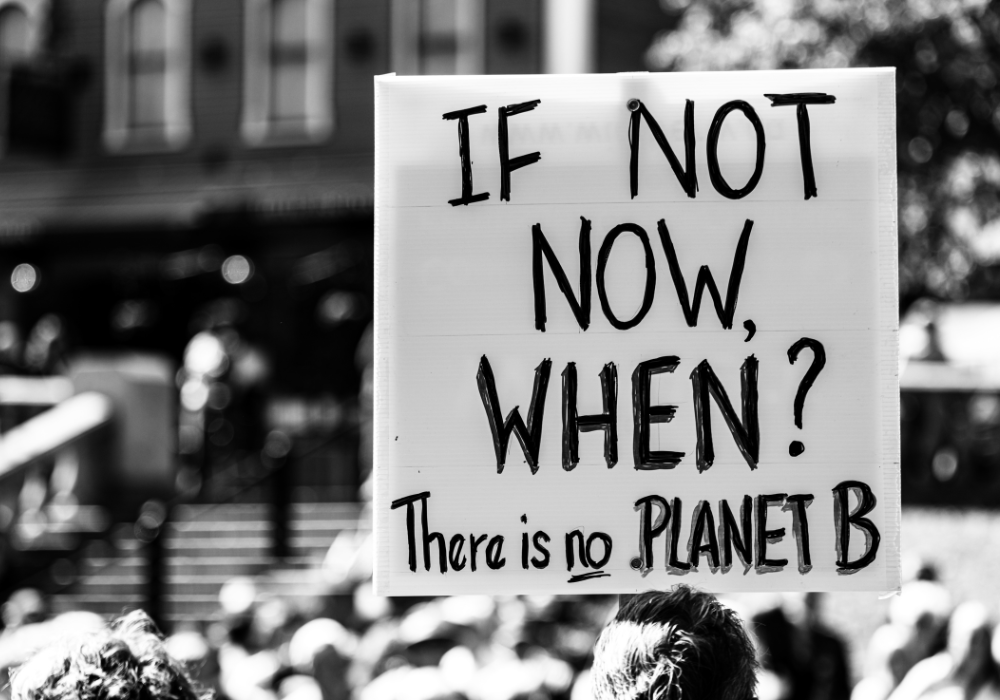
Every time the planet pushes back—floods, fires, heatwaves—the same people who helped cause it all somehow avoid the blame. Instead, fingers point toward the protestors, the scientists, the kids skipping school with cardboard signs. Climate activists are sounding the alarm, and somehow, they’re the ones catching the heat. It’s not just unfair—it’s calculated.

Painting activists as extremists or criminals distracts from the real culprits: fossil fuel giants, complicit politicians, and the industries profiting from destruction. And while these activists are getting arrested, sued, or discredited, the world keeps warming. The smoke gets thicker, the storms get worse, and the narrative gets twisted: the problem isn’t the collapse—it’s the people daring to talk about it. That’s how blame works in a system built to protect power, not people. And if this keeps up, when the fire does come, the ones who tried to stop it will be the first ones silenced.

Read more

The Climate Crisis Is Making Us Dumber—Here Are 10 Reasons to Act Now

This crisis is shrinking attention spans and test scores alike.

©Image license via Canva

We talk a lot about melting glaciers, rising seas, and wild weather when it comes to climate change. But here’s something you don’t hear nearly enough: it’s coming for our brains, too. Literally. The hotter our planet gets, the harder it becomes to focus, think clearly, learn, and even sleep properly. And it’s not just a feeling—there’s real science showing how heat, air pollution, and stress from climate disasters are quietly messing with our cognitive function.

If you’ve been feeling foggy, tired, or like your memory’s not what it used to be, it might not just be stress or screens—it might be the climate crisis creeping into your nervous system. This isn’t just about polar bears anymore. It’s about your ability to think, react, and function. Here are 10 alarming ways climate change is lowering brain power—and why ignoring it could cost us more than we realize.

Read more

Is the Ocean Dying? 10 Warning Signs You Can See from the Beach

You won’t believe what’s washing up on beaches—and what it means for our oceans.

©Image license via iStock

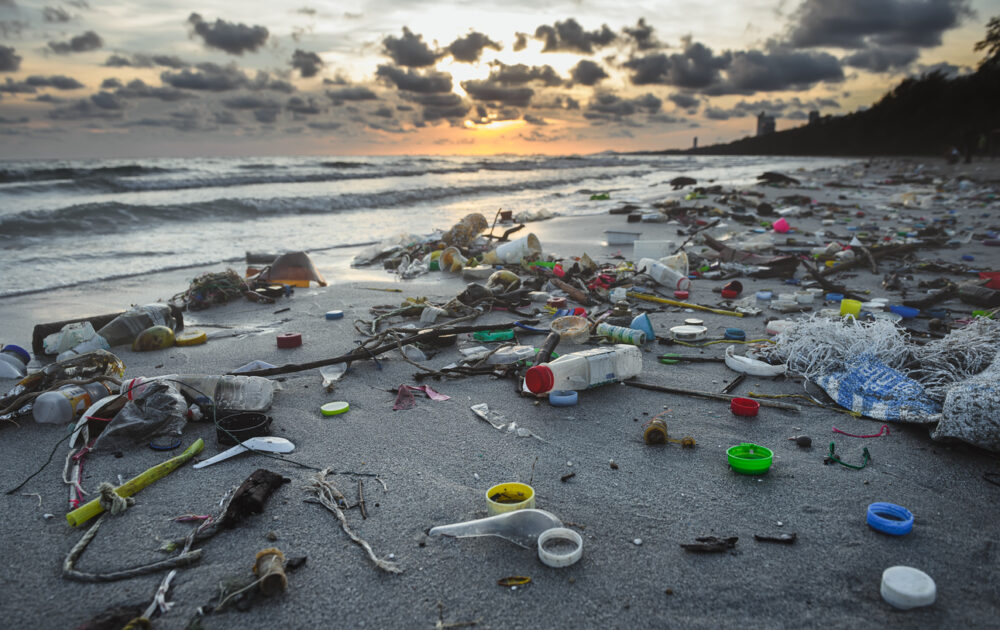
You might think the beach is the perfect place to unplug and forget your worries—but what if it’s actually where the planet is trying to get your attention? You’re soaking up the sun, toes in the sand, maybe sipping something cold, and meanwhile, the ocean is sending out distress signals in plain sight. Not with sirens or headlines, but with things you can literally see, smell, and feel if you’re paying attention. It’s easy to miss because it’s all wrapped in vacation vibes and pretty views. But once you know what to look for, it’s hard to unsee.

The signs aren’t just subtle—they’re kind of chilling. And no, this isn’t about scaring you away from the water. It’s about waking up to the fact that our oceans are changing fast, and some of the biggest red flags are showing up right at the shoreline. You just have to stop scrolling and really look.

Read more

13 Environmental Time Bombs Closer to Detonating Than You Think

The scariest environmental threats aren’t in the future—they’re unfolding right now.

©Image license via Canva

You’re probably worried about the climate—but what if you’re missing the scariest stuff entirely? While headlines fixate on rising temps and melting ice, a dozen other disasters are quietly charging toward impact, and no one’s hitting the brakes. These aren’t vague future scenarios or science fiction plots. They’re real, measurable, and dangerously close to boiling over. You can feel it, right? That sense that something bigger is unraveling beneath the surface? It’s not paranoia—it’s pattern recognition.

The signs are all around you, but they’re easy to miss until it’s too late. That’s what makes these threats so terrifying. They build slowly, then explode fast. And once they do, there’s no going back. If you’ve ever had that gnawing feeling that the world’s about to change in a big, ugly way, you’re not alone. The countdown has already started—you just haven’t heard the ticking yet. But you will.

Read more

This $57 Million Disaster Is Poisoning an American Town—10 Alarming Facts That Expose It All

They buried the truth, blamed the victims, and walked away clean.

©Image license via Canva

The Dickerson incinerator was supposed to be shut down years ago. That’s what Montgomery County residents were promised—loud and clear—when County Executive Marc Elrich campaigned in 2018. But instead of retiring the aging facility, the county is now spending over $57 million just to keep it running. Repairs, upgrades, ductwork replacements—taxpayer money is being poured into a plant that residents say is slowly making them sick.

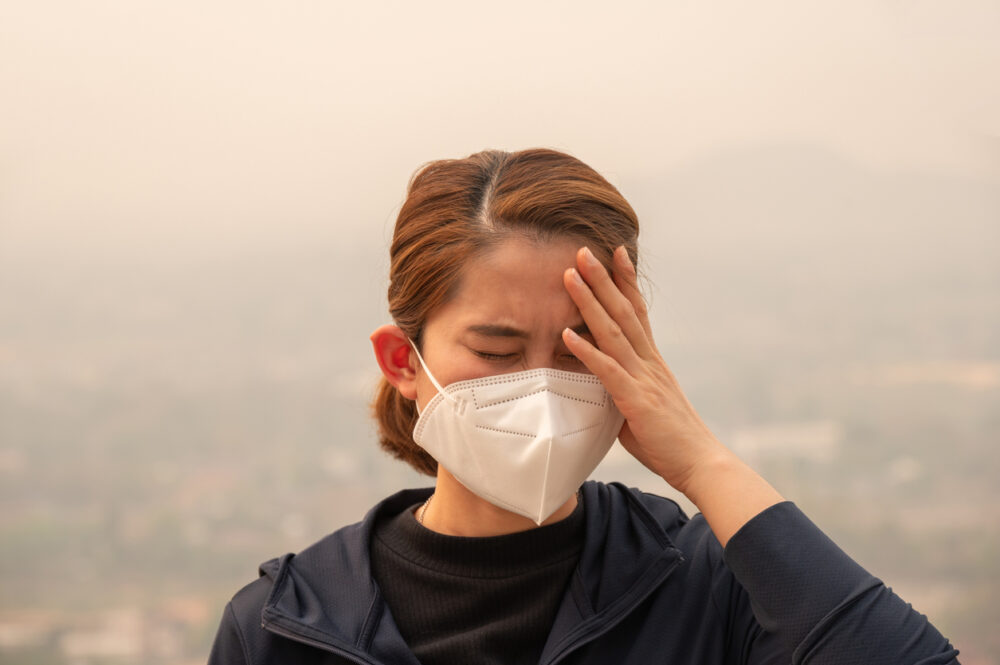
People in the nearby town of Dickerson have been raising alarms for years. They’ve reported foul smells, headaches, respiratory problems, and cancer clusters that seem too common to be coincidental. Still, the county keeps kicking the can down the road, claiming there’s no backup plan for the trash. The incinerator burns about 600,000 tons of waste every year—and chokes the surrounding air with it. Officials know. They’ve known for decades. But instead of investing in clean solutions, they’re patching up a toxic relic—and leaving residents to pay the price.

Read more

The Future Is Fragile—10 Ways Your Everyday Life Could Change by 2035

Small routines we take for granted could disappear faster than we think.

©Image license via Canva

The future isn’t arriving in some distant, cinematic way. It’s already here—slow, quiet, and woven into daily life. Climate extremes are becoming common. Tech moves faster than regulation. Supply chains falter, weather patterns shift, and prices inch higher while wages don’t. The changes don’t always feel dramatic. But when you zoom out, it’s clear: stability isn’t what it used to be.

Everyday habits—how we eat, move, work, and connect—are starting to bend under the weight of larger systems in flux. These shifts aren’t about apocalypse or escape. They’re about adaptation. About recognizing that even the most basic routines aren’t immune to disruption. What feels small now could look like a turning point in a few years. These first five changes show how fragile normal can be—and how quickly it might slip through our hands.

Read more

11 Scientific Mic Drops That End the Climate Debate

Climate denial isn’t edgy—it’s outdated and disproven.

©Image license via Canva

The internet still acts like climate change is some hot topic up for debate. Spoiler: it’s not. Scientists have been screaming into peer-reviewed voids for decades, stacking up data, graphs, models, and real-world evidence while certain industries and politicians keep plugging their ears with dollar bills. Meanwhile, we’re over here watching record heat waves, wildfires in places that shouldn’t burn, and sea levels creeping into city streets like it’s a horror movie with no credits.

This isn’t about opinions or vibes—it’s about facts. Actual, measurable, repeatable, undeniable facts. The scientific community is way past debating whether climate change is real. Now they’re just trying to get the rest of us to catch up before the timeline for action disappears. These 11 mic drops aren’t just proof—they’re the receipts for a crisis that’s already happening. Let’s stop arguing with the data and start facing what it’s telling us.

Read more

Scientists Warn Climate Change Could Leave Millions Suffering from Chronic Pain

Rising temperatures could make joint pain, migraines, and inflammation much worse.

©Image license via iStock

When people talk about climate change, they often focus on floods, fires, and rising seas. But there’s another impact that’s already creeping in—one that’s quieter, harder to track, and deeply personal. Chronic pain. From joint inflammation to migraines to nerve disorders, heat and environmental instability are creating physical strain that many bodies can’t adapt to. And for millions, it’s becoming a daily reality.

Pain isn’t just about injury or illness. It’s also about weather, stress, sleep, hydration, and pressure changes—things that climate change is steadily disrupting. Doctors are starting to see the trend, and scientists are sounding the alarm. As the planet warms, our nervous systems are being pushed to their limits. These aren’t isolated symptoms. They’re part of a much bigger feedback loop between climate and the body. And if nothing changes, pain could become one of the most widespread—and invisible—side effects of the crisis.

Read more

Is Greed Destroying the Planet? 10 Signs It’s Driving the Crisis

This crisis wasn’t inevitable—it was manufactured for profit.

©Image license via Canva

Let’s be real—climate change didn’t just “happen.” It wasn’t an accident or an unfortunate side effect of progress. It was driven, deliberately, by choices that put short-term profit over long-term survival. Fossil fuel execs, lobbyists, mega-corporations—they all knew. The warnings were there. But greed was louder. And now here we are, watching the planet unravel while the richest people on Earth cash in and blame it on the rest of us for not recycling hard enough.

This isn’t about individual guilt. It’s about systems that were built to extract everything—resources, labor, life—without ever putting anything back. You can trace the crisis straight to boardrooms and balance sheets. The Earth is heating, flooding, and burning not because we didn’t know better, but because the people in charge knew and didn’t care. These ten signs make it painfully clear: this disaster was designed—for someone else’s gain.

Read more