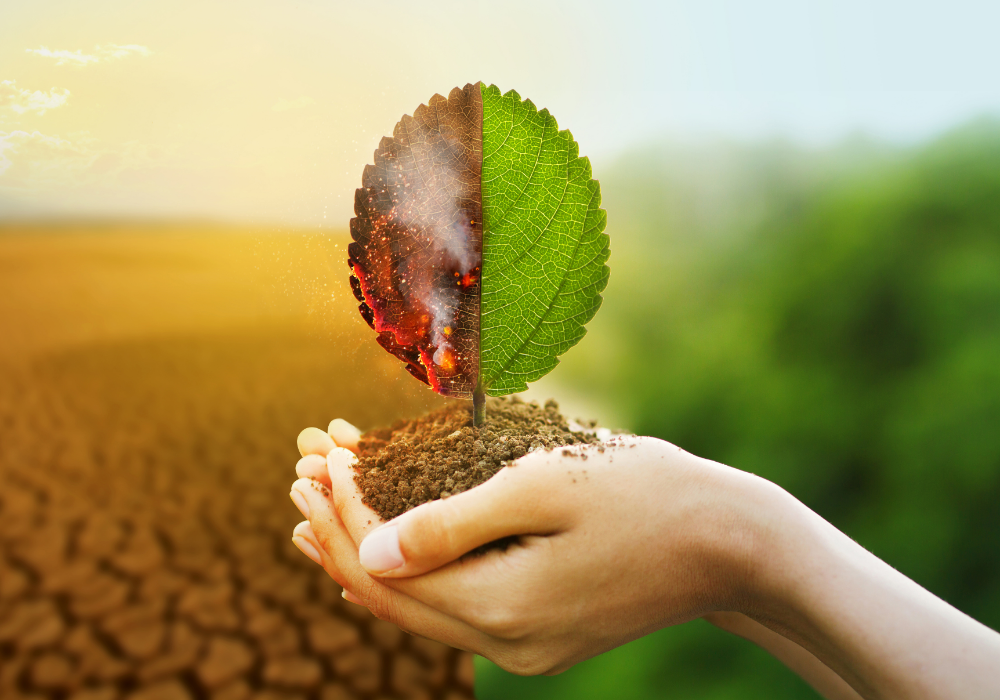
These 12 Climate Wins Didn’t Happen by Accident—They Took Collective Rage

Every win started as outrage that refused to back down.
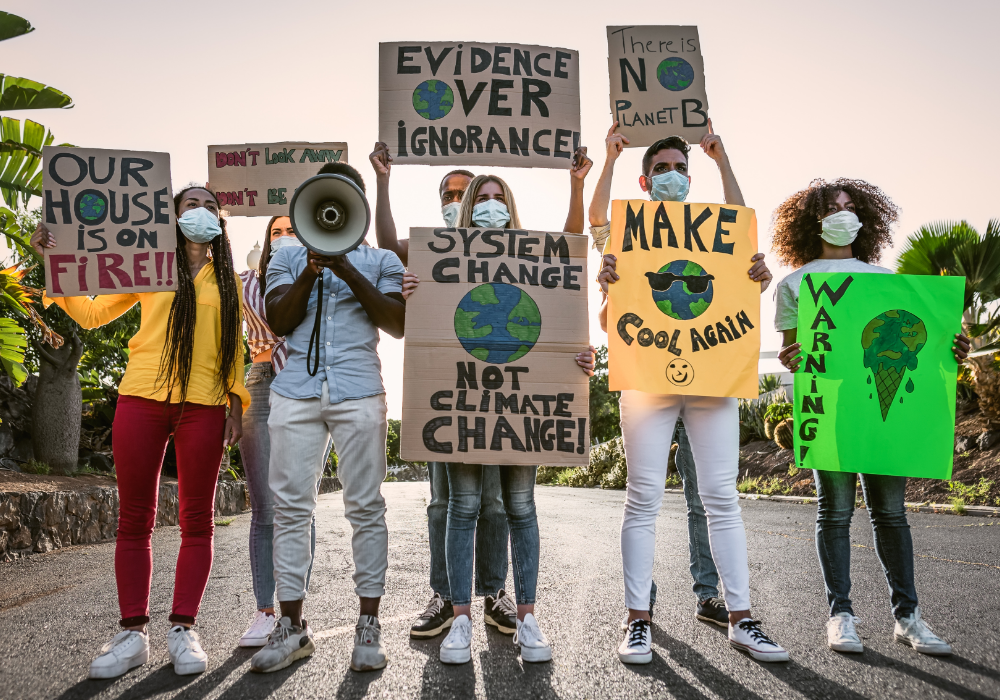
©Image license via Canva

It’s easy to feel like nothing ever changes, especially when headlines scream disaster and governments drag their feet. But behind every major climate win is a different story—one of resistance, organizing, and flat-out refusal to accept business as usual. These victories weren’t polite. They weren’t the result of quiet lobbying or inspirational TED Talks. They were dragged into existence by people who were angry, loud, and absolutely done with being ignored.

That’s the part that rarely makes the news. You see the result—a law passed, a project halted, a fossil fuel giant cornered—but not the fury that fueled it. It wasn’t luck. It wasn’t patience. It was people showing up, risking burnout, backlash, and burnout again. These 12 wins didn’t fall from the sky. They were forced into reality by the power of collective outrage. And if it worked once, it can work again.


Read more

Misinformation Is Winning—These 12 Lies Are Delaying Climate Action Right Now

Every repost, retweet, and recycled myth keeps real progress out of reach.

©Image license via Canva

Climate misinformation doesn’t always look like conspiracy theories or angry Facebook rants. Sometimes it shows up in casual conversations, catchy headlines, or viral posts that sound almost reasonable. That’s what makes it so dangerous—it doesn’t need to be loud to be effective. It just needs to plant doubt. And the longer we argue over the basics, the less time we have to deal with the crisis already unfolding.

These myths aren’t about asking questions or promoting healthy skepticism. They’re built to stall action. Confuse the public. Undermine trust. Make climate solutions sound extreme or unnecessary. And whether they come from oil lobbyists or that one smug uncle, the result is the same: people stay passive while the planet burns. These aren’t just harmless misunderstandings. They’re strategic delays, dressed up as common sense. And if we don’t learn to spot them, they’ll keep buying time we don’t have.

Read more

This Summer Could Kill You—11 Urgent Ways to Survive the Heat

Heatwaves aren’t just uncomfortable anymore—they’re deadly, and they’re coming faster than you think.

©Image license via Canva

It’s not just “hot out” anymore. It’s unrelenting, pavement-melting, heat-stroke-in-your-own-home kind of hot. And it’s happening more often, hitting harder, and lasting longer. Whether you live in a city apartment or a rural home, summer heatwaves are no longer just a nuisance—they’re a serious survival issue. The power grid can’t always keep up. The AC isn’t always enough. And the heat doesn’t care whether you’re used to it or not.

What used to be rare is now routine. Emergency rooms are seeing more heat-related illness. Infrastructure is buckling. And for many, staying cool isn’t just about comfort—it’s about staying alive. These aren’t luxury tips for how to “beat the heat.” These are essential moves for getting through the new normal. Don’t wait until the heat index hits 110 to start preparing. The time to make a plan is now—because the worst heatwaves aren’t coming. They’re already here.

Read more

When the Wild Dies, So Do We—11 Alarming Clues from the Natural World

The silence in the woods isn’t peace—it’s a funeral without mourners.

©Image license via Canva

You don’t need a climate model to see what’s happening. You just need to go outside. The birdsong you used to wake up to is quieter now. The fireflies don’t show up in summer the way they used to. Streams that once trickled year-round go dry for months. Nature isn’t vanishing all at once—it’s disappearing in pieces. And most people barely notice until it’s gone.

These losses aren’t isolated or symbolic—they’re warnings. Each vanishing species, each broken cycle, each eerie silence is a sign that the living systems we depend on are unraveling. When the wild breaks down, it doesn’t just hurt animals or forests—it weakens the scaffolding that supports human life. Food, water, health, stability—they’re all tied to ecosystems that are flashing every danger signal they’ve got. The world isn’t waiting for us to act. It’s already changing without us.

Read more

These 10 Health Conditions Are Quietly Getting Worse Because of Climate Change

Rising temperatures are triggering more than just wildfires.

©Image license via Canva

When people talk about climate change, they usually picture melting glaciers, extreme weather, and sea-level rise. But the real crisis? It’s hitting way closer to home—inside your body, on your skin, and in your lungs. Climate change isn’t just an environmental issue anymore. It’s a health emergency. Rising heat, dirtier air, shifting ecosystems—it’s all colliding with human biology in ways most of us were never warned about.

And the worst part? It’s happening quietly. These aren’t futuristic problems or distant threats—they’re already showing up in ER visits, doctors’ offices, and our own daily symptoms. You don’t have to live near a wildfire or a flood zone to be affected. From mental health to respiratory issues, the climate is rewriting how we get sick, how we heal, and who’s most at risk. These 10 health conditions are getting worse—and climate change is the reason no one saw coming.

Read more

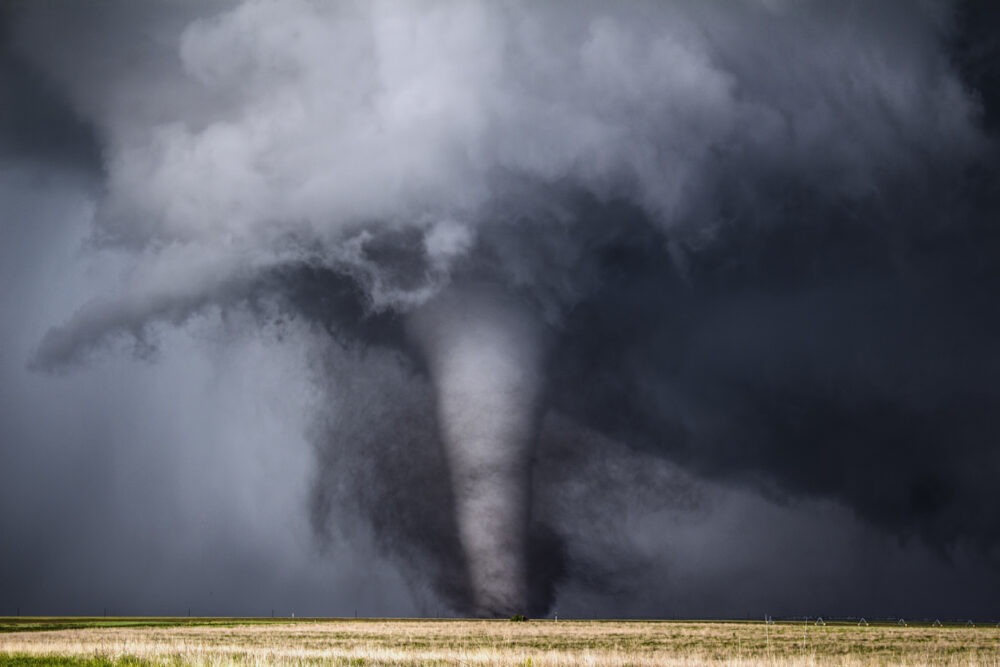
Tornado Alley Is Moving—10 Shocking Places Now in the Danger Zone

Scientists just redrew the tornado map—and your hometown might be in the bullseye.

©Image license via iStock

You might want to rethink where you call “safe.” If you grew up thinking tornadoes only tore through flat stretches of Oklahoma or Kansas, brace yourself—because that’s not the case anymore. Tornado Alley isn’t staying put. It’s on the move, and the new path it’s cutting is catching a lot of people off guard. We’re talking about places that never saw a twister in decades now watching funnel clouds roll through like it’s nothing new. You may have even seen those viral videos popping up lately—violent storms dropping out of calm skies in towns you’d never expect. It’s not just your imagination.

Scientists and storm chasers are raising the alarm, and the data backs them up. The shift is already underway, and the storms are hitting harder and faster. If you think tornado season doesn’t apply to you because of your zip code, you might be in for a rude awakening. This change is real, and it’s reshaping what we all thought we knew about where these monster storms strike.

Read more

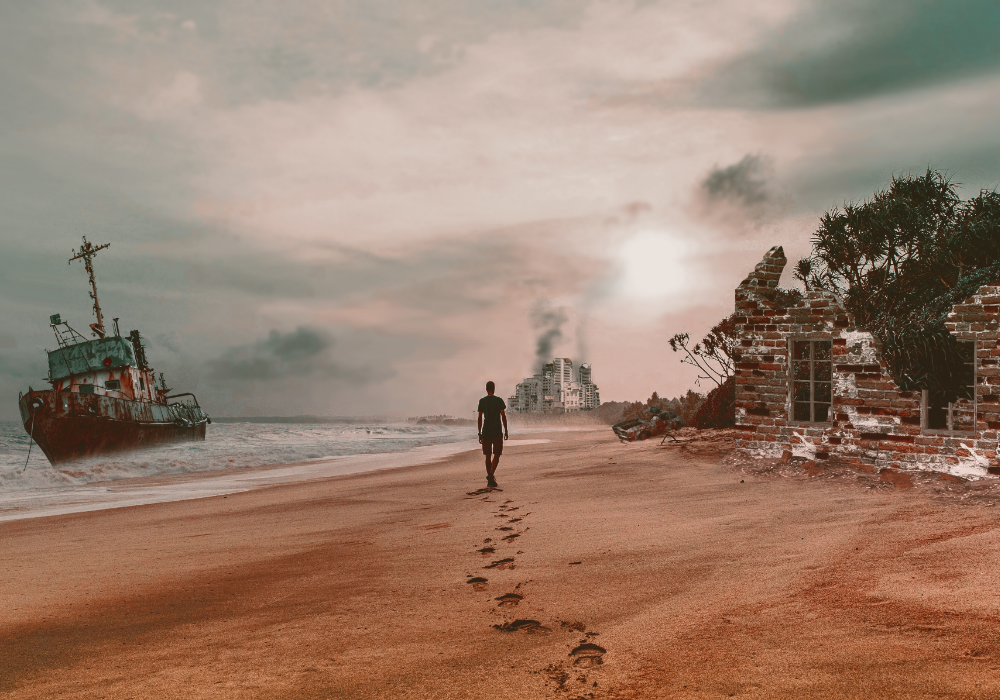
12 Devastating Signs We’re Not Heading for Collapse—We’re Living It

The systems meant to protect us are now the ones unraveling around us.

©Image license via Canva

We used to talk about collapse like it was something far off—something the next generation might have to deal with if we didn’t get our act together. But look around: the fires, the floods, the unaffordable housing, the empty grocery shelves. This isn’t the build-up. It’s the fallout. We’re not watching the beginning of the end. We’re watching the middle of it—and most people are too burned out to notice.

This isn’t about panic. It’s about recognition. Because if we keep pretending this is normal, we’ll never demand anything better. The old systems weren’t built to last, and now they’re breaking in real time. It’s not one big disaster—it’s a thousand little ones, stacking up like kindling. Here are 12 brutal signs collapse isn’t coming—it’s already here, woven into the everyday chaos we’re being told to just survive.

Read more

Finally, Some Good News—11 Eco Wins the U.S. Is Celebrating in 2025

Against all odds, America just made major progress for the planet.

©Image license via iStock

You’ve probably gotten used to bracing yourself every time you see the words “climate news.” Fires, floods, extinctions, rising temps—it’s been a long parade of bad headlines, and honestly, who could blame you for feeling hopeless? But hang on, because this time, something different is happening. Something better. You might not have seen it splashed all over the front page or trending on your feed, but 2025 is quietly stacking up some seriously encouraging wins for the environment. Real change. Tangible progress.

And no, it’s not all hype or PR fluff—it’s actual momentum backed by policy shifts, scientific breakthroughs, and grassroots determination. It feels weird to say it, but you might actually smile by the end of this. Because for once, you’re not reading about how fast the planet’s dying. You’re seeing what it looks like when people pull together and start making things right. So take a breath and let yourself feel something rare in climate conversations these days: cautious, earned optimism.

Read more

12 Wildly Smart Ways AI Could Pull Us Back From the Environmental Edge

AI is doing what politicians won’t—saving the planet one algorithm at a time.

©Image license via Canva

It sounds crazy to say this, but machines might just be our last shot at saving ourselves. You’ve probably felt the eco-dread creeping in—those moments when the headlines make you want to scream into a pillow or just check out entirely. Climate disasters are piling up, the people in charge seem paralyzed, and the future’s looking like a hot, flooded mess. But something surprising is happening in the background: artificial intelligence is stepping in where human systems are stalling.

You might think of AI as some cold, robotic thing that’s more about Silicon Valley than sustainability, but the truth is, it’s starting to show up in places that really matter. It’s not perfect, but it’s fast, adaptive, and not afraid of data overload. When the stakes are this high, any tool that can tilt the odds matters. And this one might just be smarter—and more planet-loving—than we ever imagined.

Read more

The Earth Is Hiding a Clean Energy Jackpot—10 Reasons Hydrogen Could Be the Answer

Most people have no clue how much untapped hydrogen is sitting right beneath our feet.

©Image license via iStock

You’ve been sold on solar, tempted by wind, and probably rolled your eyes at yet another promise of “the next big thing” in energy. But what if the real game-changer has been under your nose—and under the Earth—all along? Hydrogen isn’t some sci-fi pipe dream or fringe experiment that’ll fizzle out in a decade. It’s already fueling buses, powering homes, and turning heads in energy circles that usually play it safe. Still, most people barely know what it is, let alone how radically it could shift the clean energy landscape. You might think it’s too complicated or too expensive—or just another buzzword thrown around by corporations trying to look green.

But the story of hydrogen is deeper, wilder, and way more exciting than you’ve been led to believe. Once you start seeing its potential, it’s hard not to wonder why we haven’t been shouting about it from the rooftops. Because if anything’s going to flip the energy equation, it’s this unassuming little element.

Read more