Extreme Weather Is Shutting Down Music Festivals and Concerts Across the U.S.

Fans are losing more than tickets as storms, heat, and floods derail live music season.
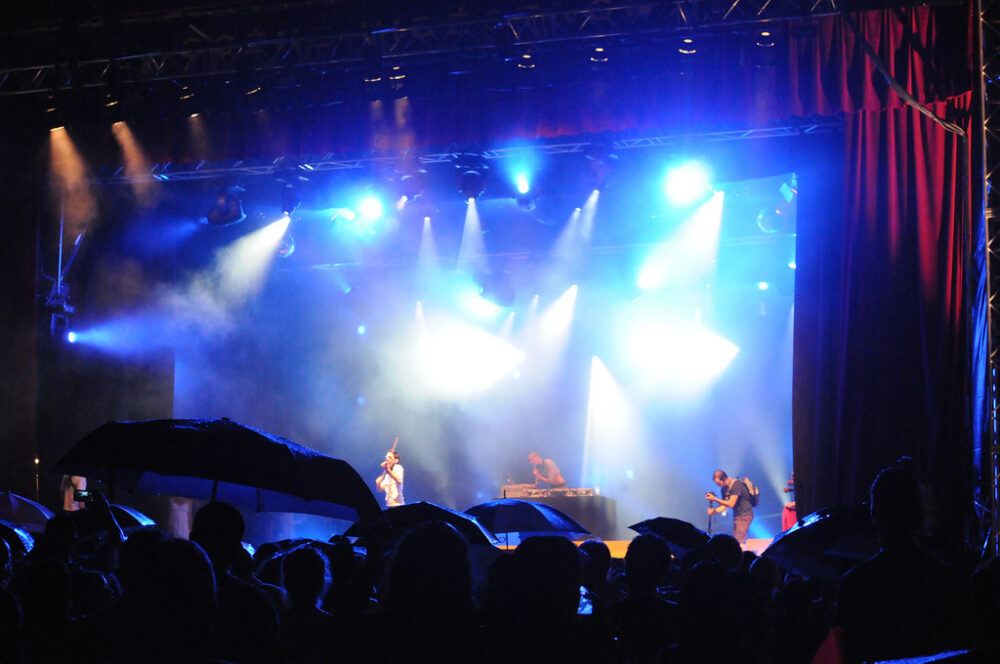
©Image license via Flickr

Extreme weather is crashing the live music scene—and not in a good way. Across the U.S., once-reliable summer concerts and festivals are facing last-minute cancellations, dangerous conditions, and growing costs thanks to floods, smoke, heat waves, and more. Fans are being turned away, artists are pulling the plug, and event planners are scrambling to react in real-time. For an industry built on crowds and open skies, the climate’s growing unpredictability is becoming a major headliner. With big names like Steve Miller canceling entire tours, it’s clear: nature is forcing music to hit the pause button—and no one’s dancing through it.
Read more

The Western U.S. Is Facing Its Worst Drought in 1,200 Years—Here’s What That Means

Climate scientists say the megadrought is no longer a future threat—it’s already here.

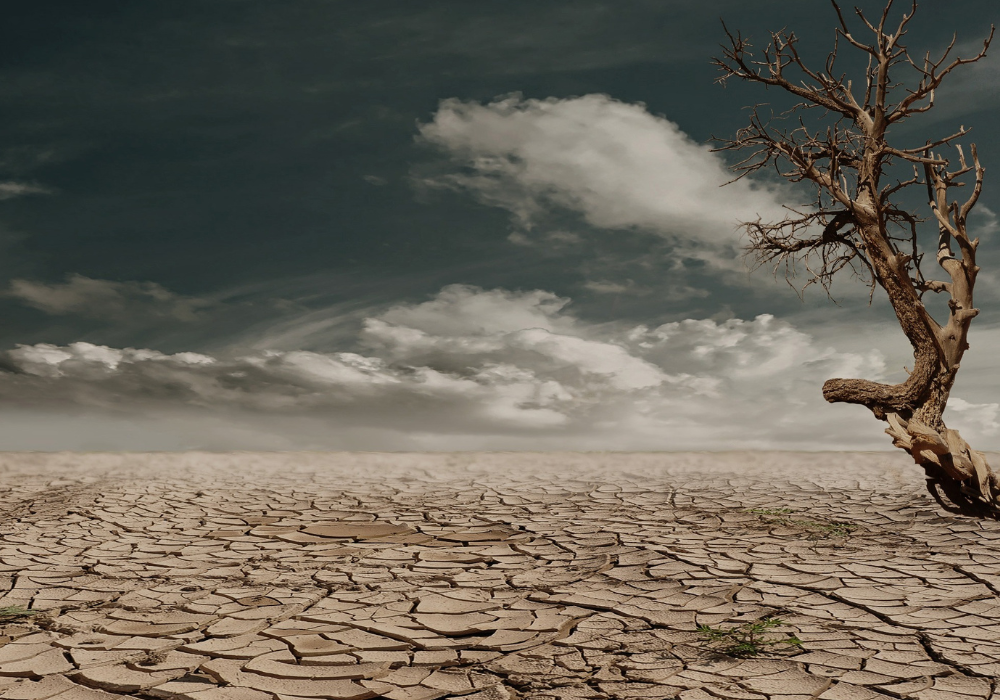
Parched landscape due to drought. ©Image license via Canva

The American West isn’t just parched—it’s in the grip of a historic megadrought that scientists now say is the worst in over 1,200 years. Recent studies using tree-ring and sediment data confirm that this extreme dry spell eclipses even the most severe droughts dating back to 800 A.D. What’s making it worse? Human-driven climate change. The natural climate cycle has been pushed into dangerous new territory, where water scarcity is no longer a seasonal problem but a permanent feature of life in the region. From agriculture to daily life, the ripple effects are already here—and they’re only intensifying.

Read more

As Climate Risks Rise, These 12 States Are Falling Out of Favor Fast

You won’t believe which states are suddenly climate cast-offs.

©Image license via iStock

As climate risks skyrocket, some states are quietly slipping off people’s “forever home” lists. Rising temperatures, chronic droughts, worsening storms, and sea level creep are turning once-popular places into liability zones. And it’s not just about dramatic disasters. It’s the slow grind of extreme heat, worsening air quality, or the unsettling reality that your home might be uninsurable in a few years. People are starting to notice. Families are reconsidering relocations. Investors are pulling out. And the states hit hardest? They’re watching their reputations—and their populations—change fast.

Read more

12 Ways Repeated ‘1,000-Year’ Floods Are Reshaping Lives and Livelihoods

What used to be once-in-a-lifetime floods are now happening so often they’re rewriting the rules of survival.

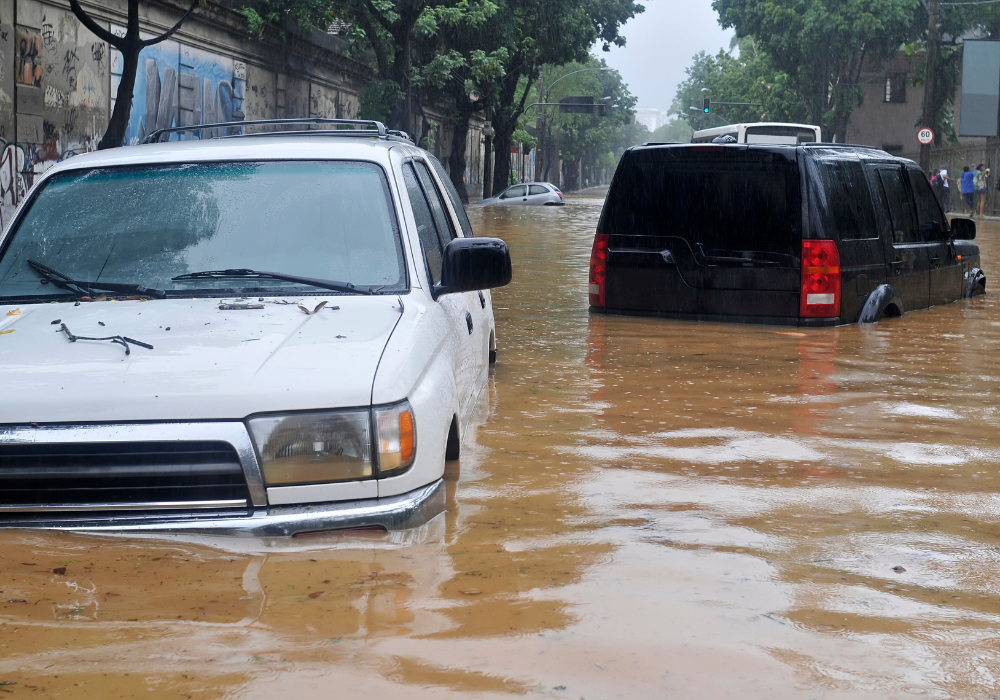
Cars in floodwater. ©Image license via Canva

We used to hear the term “1,000-year flood” and think: once in a lifetime, if ever. But now? They’re hitting with a frequency that’s anything but rare. What used to be freak events are now annual, sometimes even seasonal, catastrophes. These floods don’t just soak carpets and fill basements—they upend lives, break economies, and erase decades of work in hours. And it’s not happening in just one place. From the Midwest to Appalachia, these surging waters are redrawing maps and priorities. These 12 examples reveal how the myth of “1,000-year” is crumbling—along with the lives left in the water’s path.

Read more

What Will the Solar Maximum Do to Earth in 2025? These 12 Predictions Are Alarming

This fiery space storm could disrupt technology, travel, and even your morning routine.

Firey sun. ©Image license via Canva

The sun is gearing up for a dramatic show in 2025—and Earth is sitting front row. As we approach the peak of the solar cycle, known as the solar maximum, scientists are warning that things could get seriously chaotic. This isn’t just about pretty auroras lighting up the sky. We’re talking about powerful solar flares and geomagnetic storms that could fry satellites, mess with navigation systems, and knock out power grids without warning.

The last few solar cycles were relatively tame, but this one’s looking rowdier—and we’re more tech-dependent than ever. If you’ve never paid attention to space weather before, now’s the time. Because when the sun starts acting up, life here on Earth could get a lot more unpredictable.

Read more

Why the NWS Just Issued a ‘Do Not Enter’ Water Warning for 13 Million People

A sudden surge in currents and waves has triggered a serious hazard alert by the National Weather Service.

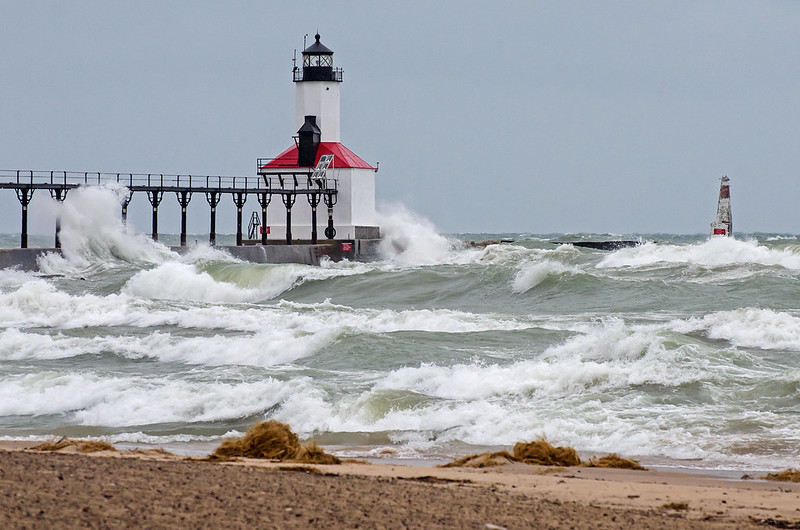
Waves on Lake Michigan. ©Image license via Canva

You may want to think twice before wading into the water this week. The National Weather Service has issued a stark “Do Not Enter” water warning affecting 13 million people due to dangerous swimming conditions across several U.S. states. From massive waves to powerful rip currents, officials are urging the public to steer clear of beaches, lakes, and piers.

Even seasoned swimmers could be caught off guard by rapidly shifting conditions that look deceptively calm. With recent drownings and rescues on the rise, lifeguards and weather experts are raising red flags—literally and figuratively—to keep this summer from turning deadly.

Read more

The End of Snow? 12 Things That Means for Water, Wildlife, and Winter Fun

What looks like a mild winter could be the beginning of something devastating.

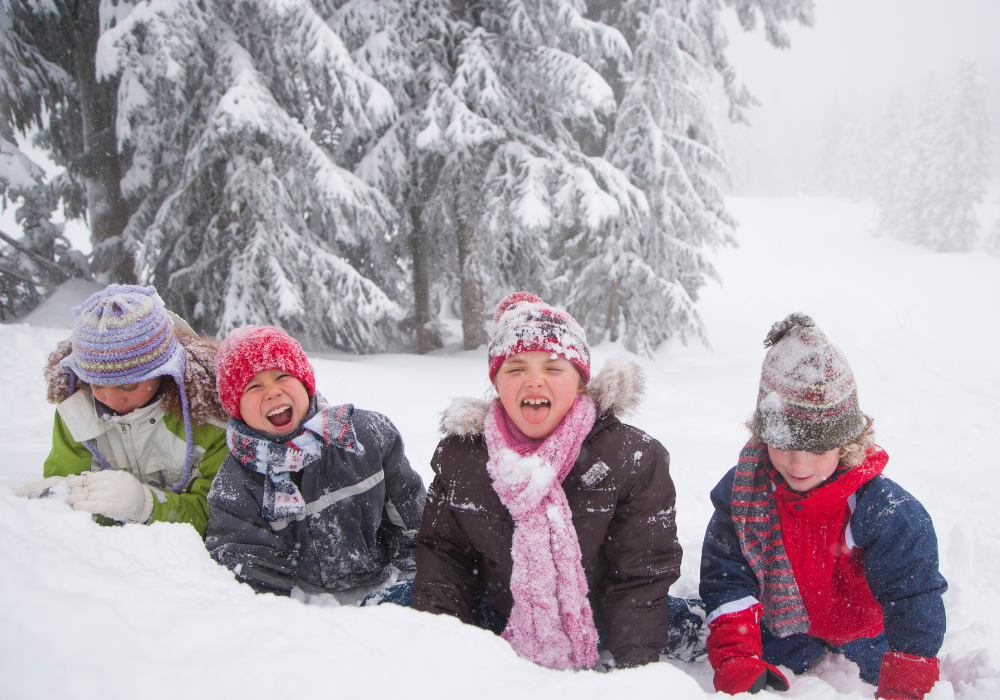
Children playing in the snow. ©Image license via Canva

Snow isn’t just pretty—it’s essential. But in many places, it’s quietly disappearing, and the consequences are stacking up fast. Winters are getting warmer, snowpacks are shrinking, and the flurries that once blanketed landscapes for months are melting away sooner than ever. That might sound like an inconvenience for ski lovers, but the ripple effects go far beyond the slopes.

Snow is nature’s water savings account, slowly releasing moisture into rivers, farms, forests, and reservoirs. Without it, entire ecosystems and industries are thrown off balance. From thirsty towns to struggling species, the end of snow changes everything.

And while it’s tempting to think we’ve just traded shovels for jackets, the reality is much more serious. Here are 12 ways our lives and environment are being reshaped as snow becomes a fading memory instead of a seasonal guarantee.

Read more

Are We At the Tipping Point? Ecological Collapse Is Closer Than You Think

You might not see it yet—but the planet’s most vital systems are already unraveling.

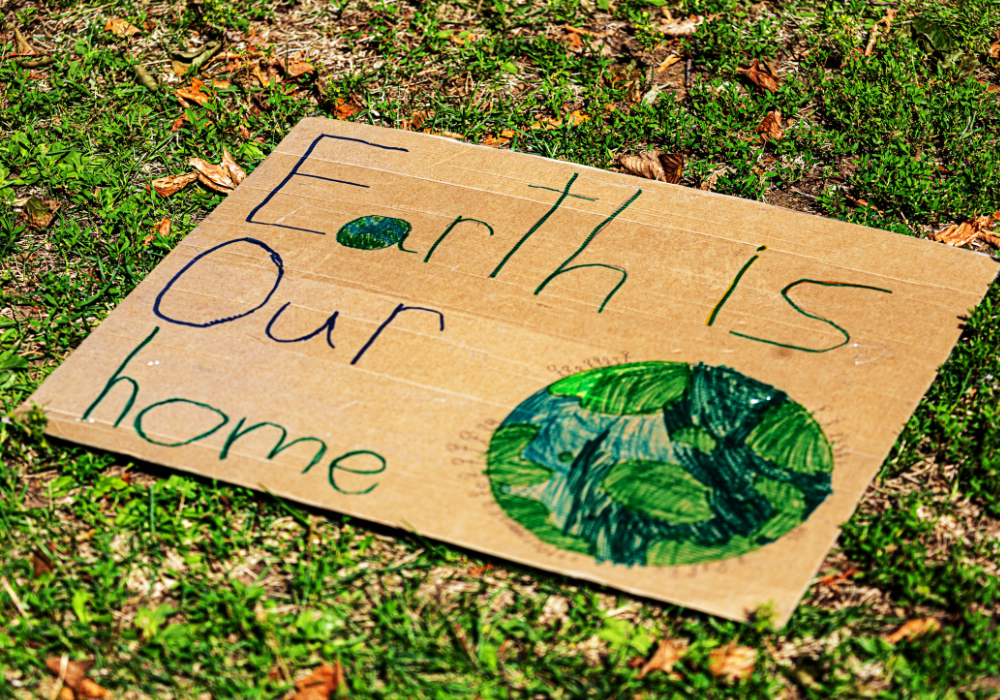
Climate action sign. ©Image license via Canva

The cracks in our planet’s systems aren’t forming—they’ve already formed. Oceans are heating up at record speed, forests are turning into carbon sources instead of sinks, and species are vanishing faster than we can count them. For years, we’ve heard warnings about the “tipping point,” as if it’s some distant red line we might cross one day.

But here’s the truth: we’re not near it—we’re standing on it. What felt theoretical a decade ago is now showing up in weather patterns, food chains, and supply chains. You don’t need to be a scientist to feel that something’s off. If you’ve been waiting for a sign to take this seriously, this is it. The future isn’t coming—it’s already reacting to our past.

Read more

EPA’s Power Plant Policy Shift —What the Rollbacks Mean for America’s Climate Future

America’s climate goals just got harder to reach with these policy pullbacks.

Environmental Protection Agency. ©Image license via Canva

The EPA’s recent proposal to ease emissions limits for fossil fuel power plants marks a pivotal moment for U.S. climate action. It’s the kind of policy change that doesn’t just make headlines—it makes you stop and wonder what future we’re steering toward. Maybe you thought we’d passed the point of rolling back environmental protections, or at least slowed that trend.

But just when it seemed like progress had a foothold, the rules around power plant emissions got a major rewrite. You deserve to know what’s really going on behind the political spin and what this means for the climate conversation moving forward. Because this isn’t just policy—it’s personal.

Read more

13 Ways the Climate Crisis Is Already Reshaping Your Backyard

Climate change isn’t coming someday; it’s happening on your lawn right now.

©Image license via Canva

When people think about climate change, they imagine melting ice caps and faraway rainforests burning. But here’s the plot twist: you don’t have to travel to the Arctic or a flooded island to see it. The signs are right outside your window—in your garden, your neighborhood park, even that tree-lined street you’ve walked down for years.

Longer allergy seasons, surprise pests, weird weather swings, and stressed-out plants aren’t random—they’re all part of a bigger story unfolding right under your feet. You might still think, “It’s not that serious here yet,” but your backyard is already a frontline witness to a shifting climate. Knowing what to look for can help you adapt, protect your green spaces, and feel a little less powerless. Let’s dig into 13 ways the climate crisis is already rewriting your local landscape.

Read more