Landfills Are Filling Up Fast—Here’s What That Means for You

As global trash piles reach their limits, experts warn of rising costs, health risks, and a recycling system on the brink.
©Image license via Canva

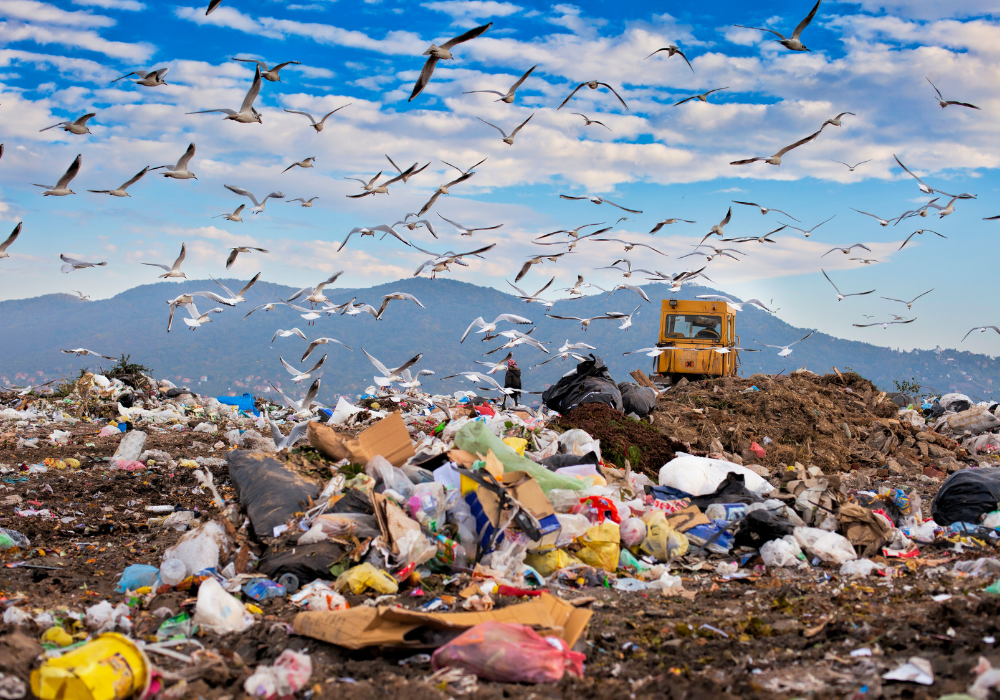
The trash you take to the curb each week may seem like it disappears—but it’s actually piling up faster than ever. Across the United States, landfills are reaching capacity decades earlier than expected, forcing communities to confront uncomfortable truths about waste, overconsumption, and environmental justice.

With more than 260 million tons of solid waste generated annually, and recycling efforts falling short, the strain is showing. From rising disposal costs to polluted groundwater and lost green space, the ripple effects are closer to home than you think. Here are 9 very real consequences of our overflowing landfills—and why they matter to you.
Read more

America’s Coal Addiction Has Consequences—These 10 Should Scare Us

What fuels our power plants is quietly fueling a public health and climate crisis.

©Image license via Canva

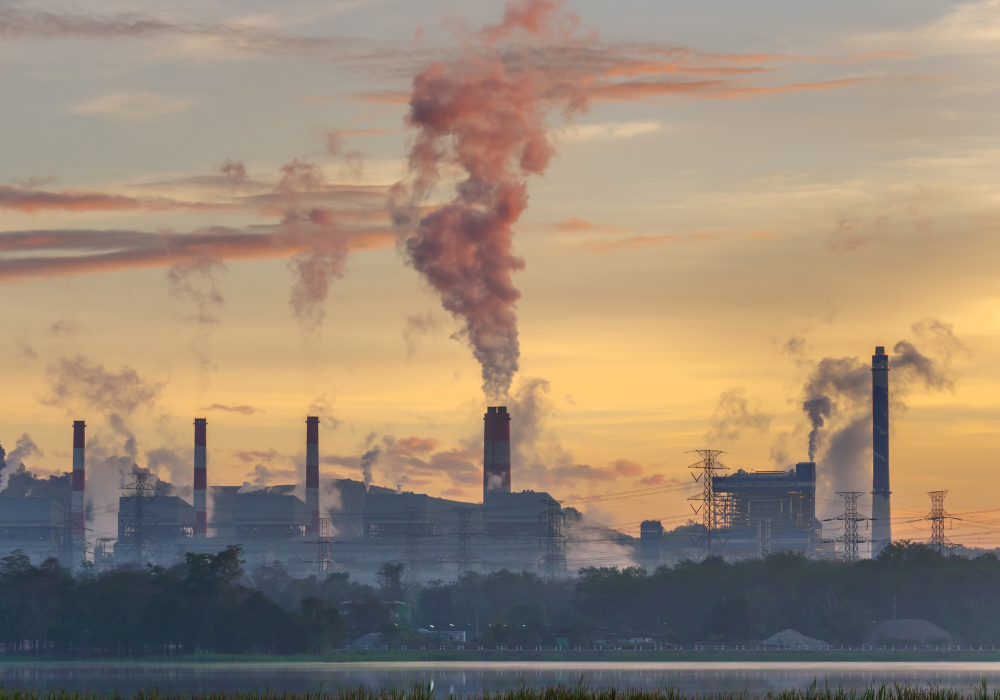
America’s long-standing reliance on coal isn’t just an outdated energy strategy—it’s a dangerous habit with devastating consequences. While coal still powers roughly 20% of the nation’s electricity, it comes at a staggering cost to public health, the environment, and our future.

From polluted air and poisoned water to climate disruption and community sacrifice zones, the toll is far greater than most people realize. As cleaner, cheaper energy alternatives surge ahead, our addiction to coal drags us backward. These are not distant problems—they’re unfolding now. Here are 10 frightening consequences of America’s coal addiction that should wake us up.

Read more

Outdated Flood Maps Are Failing Homeowners—10 Smart Ways to Know Your Real Risk

With climate change accelerating, yesterday’s maps can’t predict tomorrow’s floods.

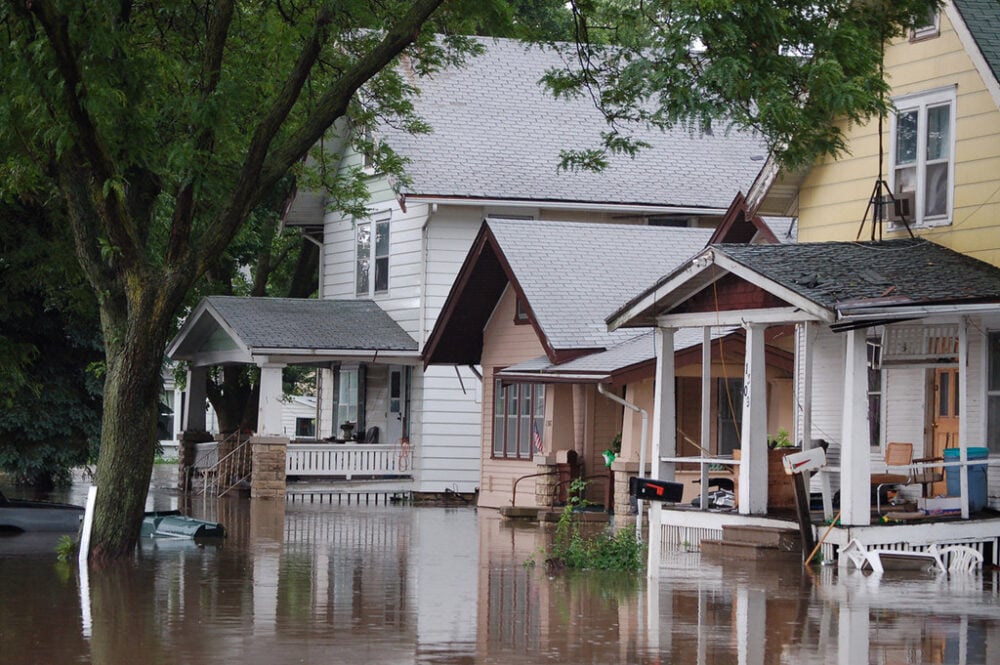
Flooded homes. ©Image license via Flickr

You may think you’re in the clear because FEMA’s flood map shows your home in a “low-risk” zone—but that map could be dangerously outdated. Across the U.S., millions of homeowners are relying on flood risk data that hasn’t kept pace with climate change, development, or rising sea levels. These aging maps can give a false sense of security—until the water’s at your doorstep.

Flood insurance, emergency plans, and even property values all hinge on understanding your real risk. If you’re not digging deeper, you may be gambling with your home. Here are 10 smart ways to get the full picture—before it’s too late.

Read more

The Next Big Quake May Not Be in California—2 U.S. Regions Now on Alert

Forget the San Andreas—two lesser-known U.S. zones may be due for a major quake.

©Image license via Flickr

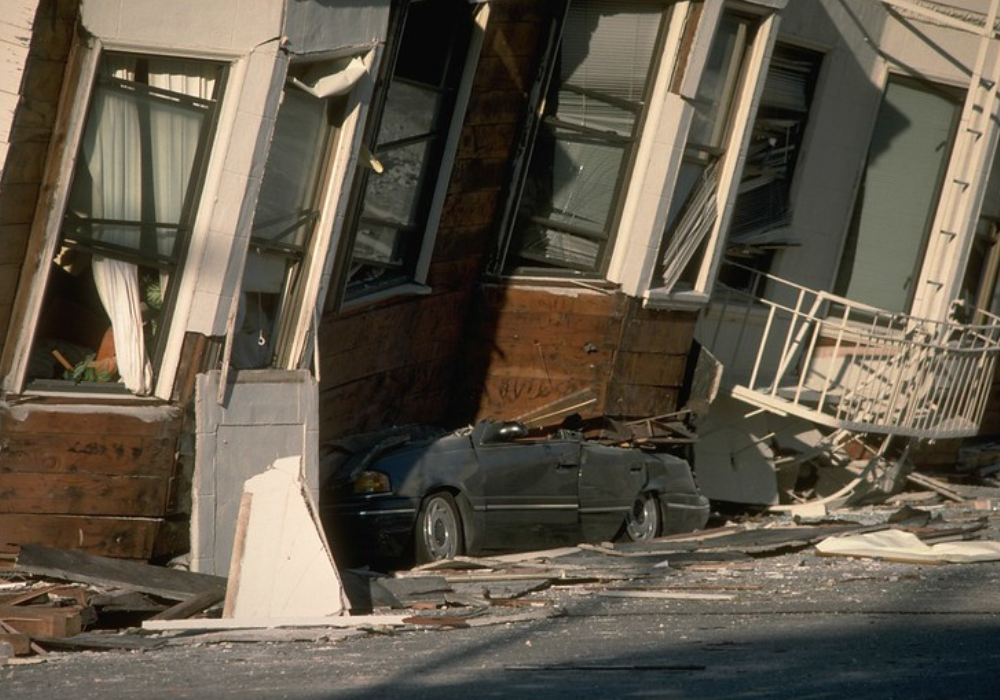
When Americans think “earthquake,” they picture California’s infamous San Andreas Fault. But experts now warn that the next major seismic disaster may strike far from the Golden State. Two unexpected regions—the Pacific Northwest’s Cascadia Subduction Zone and the central U.S.’s New Madrid Seismic Zone—are flashing red on geologists’ radar. Alaska, too, continues to rumble with powerful quakes, shaking confidence that only the West Coast needs to worry.

These areas are experiencing increased seismic activity, updated hazard assessments, and renewed emergency planning. And if history is any guide, the next “Big One” may catch millions off-guard. Here are eight urgent reasons why California isn’t the only place you should be watching.

Read more

10 Alarming Changes Wildfires Are Causing in America’s National Parks

Beloved landscapes are burning—and the damage goes far beyond what the eye can see.

©Image license via Canva

Wildfires have always been part of nature’s rhythm, but today’s climate-fueled blazes are growing hotter, faster, and far more destructive. America’s national parks—long seen as serene sanctuaries—are now ground zero for these extreme fires. Recently, both Grand Canyon National Park and Black Canyon of the Gunnison were forced to close due to nearby infernos, a stark reminder that no iconic landscape is immune.

From vanishing species to burned-out infrastructure, wildfires are leaving scars that won’t heal quickly—if ever. And as temperatures climb, the damage is only accelerating. These aren’t just temporary setbacks—they’re long-term transformations. If you love these parks, it’s time to face what’s happening.

Read more

Bracing for the Blistering Heat: Millions Under Alerts as America’s Heat Dome Intensifies

As temperatures skyrocket, power grids, hospitals, and vulnerable communities are being pushed to the brink.

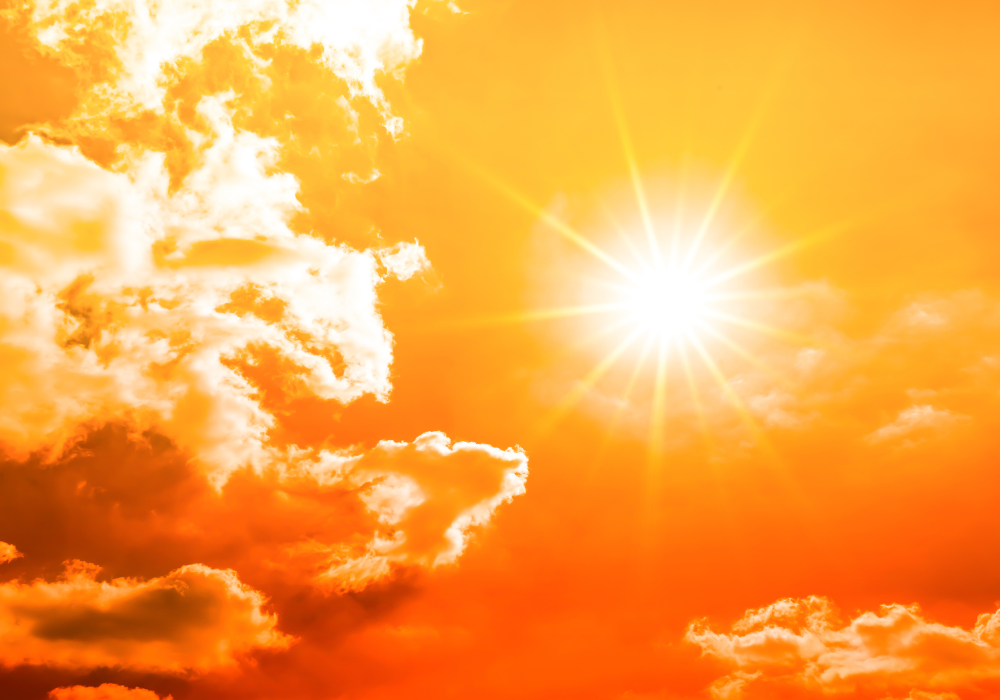
Sun shining through clouds. ©Image license via Canva

America is sweltering under a relentless heat dome that’s blanketing large swaths of the country in dangerous, record-shattering temperatures. From the Southwest to the Midwest, millions are under heat alerts as daytime highs soar past 110°F and nighttime lows offer little relief. This isn’t your typical summer scorch—it’s a climate-fueled furnace testing the limits of infrastructure, energy systems, and human endurance. Emergency rooms are filling up, power grids are under strain, and vulnerable populations face life-threatening risks. As the heat dome expands and intensifies, experts warn that these extreme conditions may become our new normal. Here’s what’s happening—and what’s at stake.

Read more

10 Places Climate Refugees Are Already Moving To—and What It Means for the Future

Rising seas and scorching heat are quietly triggering a mass migration.

Family with moving boxes. ©Image license via Canva

The climate crisis isn’t a distant threat—it’s already uprooting lives. From wildfires in the West to floods in the South, people are quietly packing up and starting over in safer places. This isn’t just about beachfront properties or drought-prone towns—it’s a full-blown migration shift happening beneath the radar. Climate refugees, once a term for distant crises, now include American families fleeing rising insurance rates, repeated evacuations, and unlivable heat. As they resettle, they’re reshaping the political, economic, and cultural future of the regions they move to.

Read more

Trump Just Gave Over 100 Polluters a Free Pass—Here’s What It Means

Corporate polluters just got a green light—and communities will pay the price.

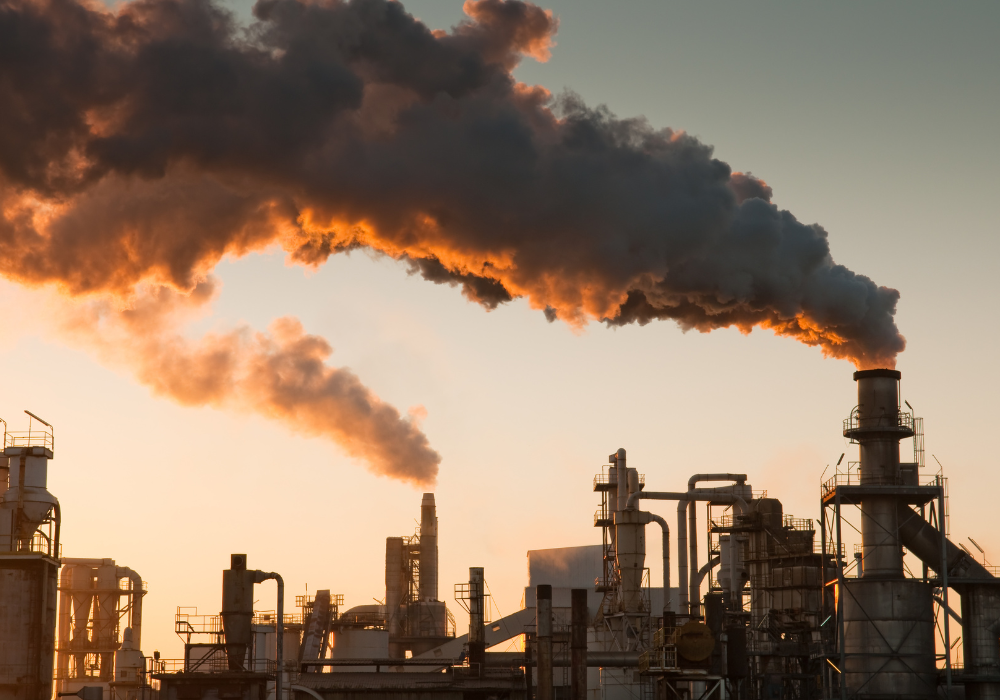
Factory pollution. ©Image license via Canva

The headlines barely scratched the surface, but the implications are staggering: over 100 polluters just got a regulatory free pass, thanks to a sweeping move by the Trump administration. Under the banner of “deregulation” and “economic growth,” environmental safeguards have been loosened or erased altogether, giving major corporations more leeway to pollute without fear of penalties. This isn’t just political posturing—it’s a seismic shift in how the U.S. enforces clean air, water, and land protections. As wildfires rage and floods displace families, this rollback couldn’t come at a worse time. The long-term consequences? They may already be unfolding around us.

Read more

The EPA Just Cut Its Science Division—Here Are 11 Consequences You Can’t Ignore

With fewer scientists at the table, public health and environmental safety are now on shaky ground.

Scientist looking into microscope. ©Image license via Canva

The Environmental Protection Agency just made a move that could have serious consequences for your health, safety, and the future of the planet—but it’s flying under the radar. In the wake of a recent Supreme Court ruling that grants the Trump administration broad power to slash the federal workforce and weaken entire agencies, the EPA has eliminated a significant portion of its science division. This isn’t just bureaucratic reshuffling. It’s a direct blow to the research, oversight, and evidence-based policies that protect clean air, safe water, and climate resilience.

Read more

11 Signs Your Insurance Company May Dump You After the Next Natural Disaster

Rising climate risks mean your “guaranteed” coverage might not be so guaranteed.

Worried couple looking at computer. ©Image license via Canva

You pay your insurance premiums faithfully, trusting your provider will have your back when disaster strikes. But here’s the harsh truth—some insurance companies are already planning their exit before the next storm even forms. With wildfires, floods, hurricanes, and other natural disasters on the rise, insurers are scrambling to protect their bottom line—and that often means dropping you. Fast.

Homeowners across the country are waking up to cancellation notices or steep rate hikes right when they need protection the most. These red flags can help you spot the warning signs early—before you’re left uninsured when you need it most.

Read more