Can the World Tackle Climate Change Without the U.S.? What Our Absence at COP30 Means for the Planet

Global leaders are moving ahead—but can they succeed without the world’s second-largest polluter?
©Image license via Flickr

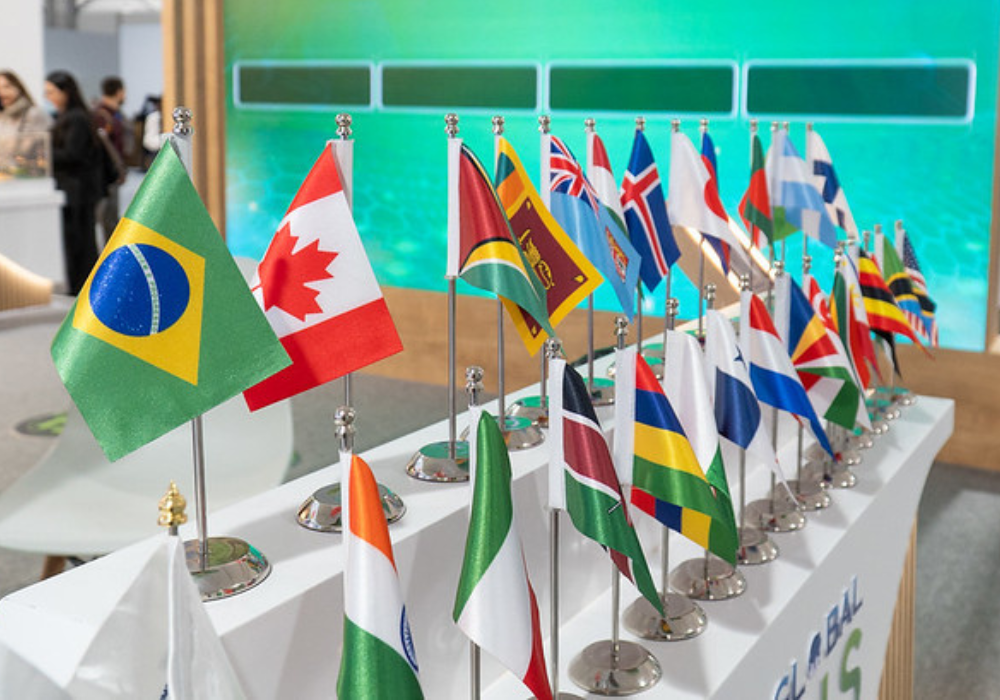
The world is gathering in Brazil for COP30, the next pivotal climate summit, but one key player may be missing: the United States. With shifting political winds and waning federal commitment, America’s presence at international climate talks is anything but certain. That’s a serious problem.

The U.S. is not just a top emitter—it’s a global superpower whose absence could stall progress, weaken accountability, and embolden other nations to backslide on promises. At COP30, countries are expected to finalize their next round of national climate commitments.

Without American leadership—or even participation—the global community faces a fractured front against a worsening crisis. Can the world reach ambitious climate goals without one of its biggest contributors at the table?
Read more

The Bold U.S.-Mexico Deal That Could Finally Stop Sewage from Poisoning San Diego’s Beaches

After decades of pollution and finger-pointing, both countries are teaming up to reclaim a coastline in crisis.

©Image license via Canva

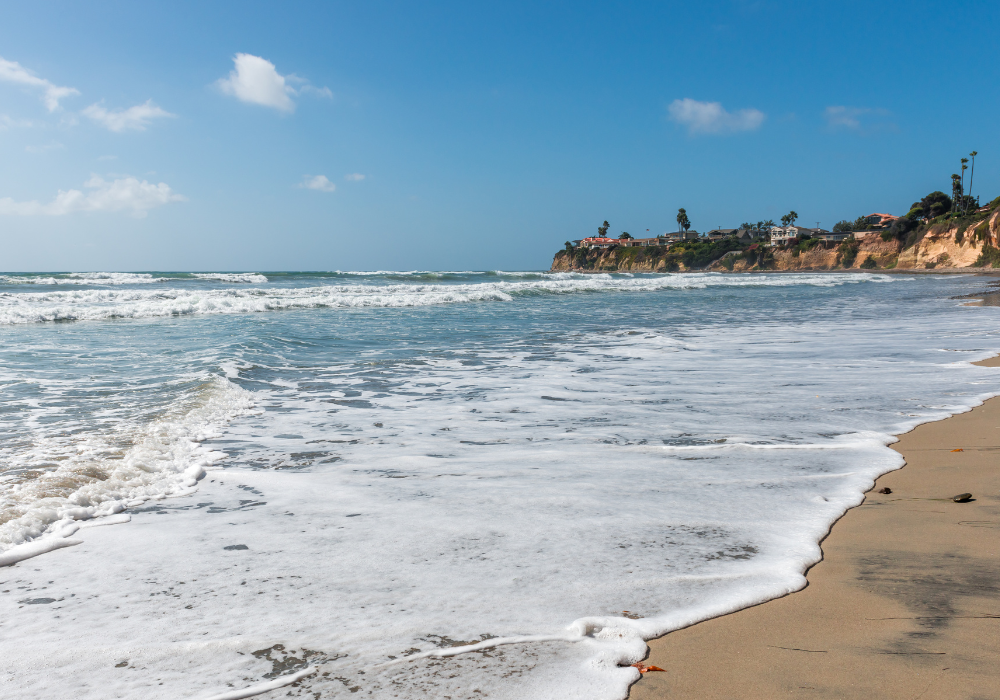
For decades, raw sewage has flowed across the U.S.-Mexico border into the Tijuana River and onto the beaches of San Diego. The toxic brew has closed shorelines, sickened swimmers, and turned what should be paradise into a public health disaster.

But now, a landmark binational agreement offers a glimmer of hope. Backed by over half a billion dollars from both governments and coordinated by the International Boundary and Water Commission, the deal focuses on fixing treatment plants, repairing failing infrastructure, and expanding capacity on both sides of the border.

For communities in San Diego and Tijuana, this isn’t just a win for water quality—it’s a long-overdue act of justice. If implemented fully and transparently, the agreement could mark a turning point in one of North America’s longest-running environmental crises.

Read more

The ‘Doomsday Glacier’ Is Breaking: Could This Be the Climate Domino That Floods the World?

Scientists say Antarctica’s most dangerous glacier is hanging on by a thread—and it could snap fast.

©Image license via Flickr

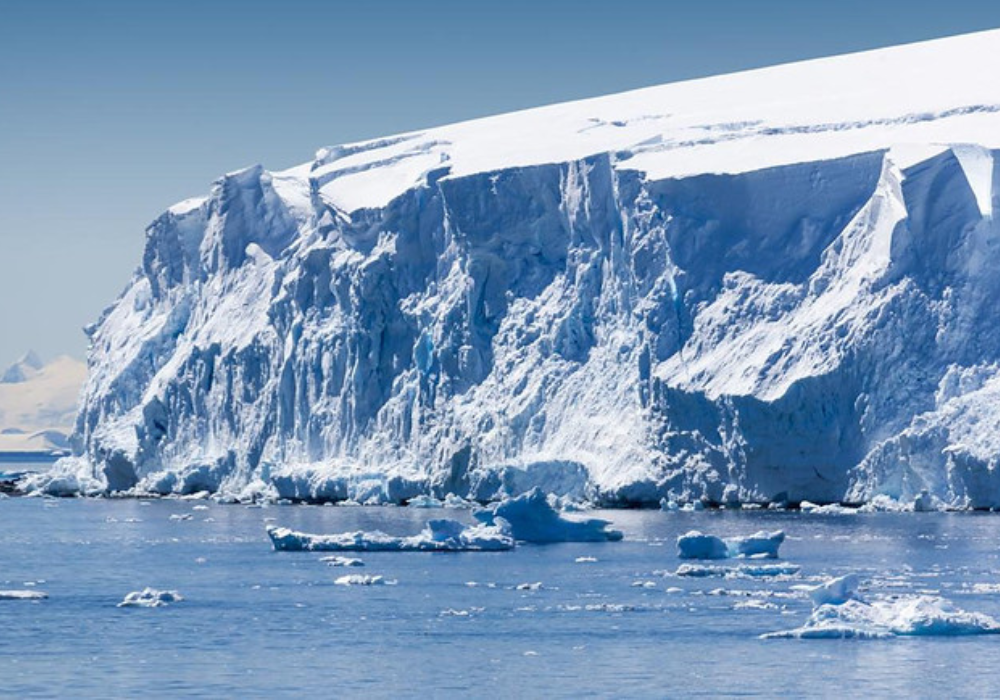
Scientists warn that Antarctica’s most dangerous glacier—Thwaites—is hanging on by a thread, and if it gives way, the world will feel the impact. Often called the “Doomsday Glacier,” Thwaites is rapidly destabilizing due to warm ocean currents melting it from below.

According to glaciologist Ted Scambos, a senior research scientist at the University of Colorado Boulder, “Thwaites is the widest glacier in the world and it’s only weakly anchored. If it collapses, it could destabilize the rest of West Antarctica.”

That collapse alone could raise sea levels by over two feet and trigger a chain reaction of melting. Cities, coastlines, and entire ecosystems stand in the path of what could be a global flooding crisis. The clock is ticking—and faster than anyone hoped.

Read more

New Study Warns of Massive Groundwater Loss Driving Global Water Crisis

The disappearance of underground water is creating vast dry zones that could displace millions.

©Image license via Canva

Scientists from UC Santa Barbara, UCL and ETH Zürich analyzed data from nearly 170,000 wells across more than 40 countries—and the news is unsettling. Their research shows that 71% of the world’s aquifers are shrinking, with around 30% draining at an accelerated rate since 2000.

Groundwater—once a reliable buffer during droughts—is being pumped faster than rain or snow can refill it. The crisis is already visible: wells are drying up, entire towns are sinking, and rivers that once flowed year-round are failing.

It’s not just about water—it’s about food, infrastructure, ecosystems, and survival. If trends continue, billions of people will face worsening water scarcity. This study isn’t just a warning sign—it’s a global alarm call we can’t ignore.

Read more

What 2025’s El Niño Could Mean for Weather in the Western U.S.

This powerful climate cycle is poised to drench some states while drying out others.

©Image license via Canva

The climate pattern known as El Niño is heating up again—and forecasts suggest that 2025 could bring one of the most disruptive versions in recent memory. El Niño refers to the warming of ocean waters in the central and eastern Pacific, which shifts atmospheric patterns around the globe.

For the Western U.S., this can mean anything from intense storms and flooding to unseasonal drought and dangerous heatwaves. Scientists are already warning that the emerging signal looks strong, with the potential to scramble regional weather in ways we haven’t seen in decades.

The stakes are high for agriculture, water supply, wildfire risk, and even infrastructure resilience. Understanding what may be coming isn’t just about curiosity—it’s about preparation. These are the ripple effects that 2025’s El Niño could unleash across the West.

Read more

Climate Chaos Could Trigger a Foreclosure Nightmare—Experts Warn of 380% Jump by 2035

Millions of mortgages hang in the balance as climate risk reshapes the housing market.

©Image license via Canva

A foreclosure tsunami could be looming, with climate-fueled disasters projected to drive a staggering 380% surge in mortgage defaults by 2035, according to analysis by climate-risk firm First Street. The study projects escalating insurance premiums, repair costs from floods, fires, and storms, and declining property values driving mortgage defaults—and potentially $5.4 billion in lender losses annually.

With fewer homeowners protected by flood insurance and rising climate exposure, particularly in states like California, Florida, and Louisiana, vulnerable households are at serious risk. Climate shocks will become financial shocks, and policymakers, lenders, and homeowners alike must confront a new reality: that extreme weather is reshaping housing markets—and foreclosure rates—fast.

Read more

The First Country Forced to Evacuate—And It’s Because of Climate Change

Rising seas are making one island nation uninhabitable—now its citizens must flee.

©Image license via Canva

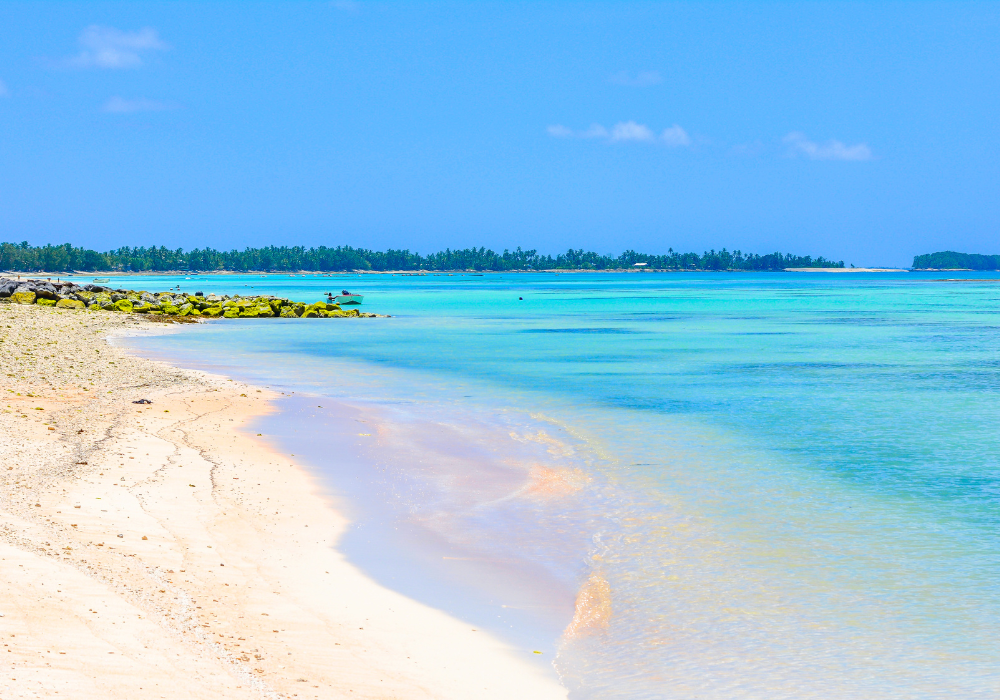
Tuvalu, a tiny island nation tucked in the Pacific Ocean, is facing an unthinkable future—becoming the world’s first country forced to relocate its entire population due to climate change. With just over 11,000 citizens and an average elevation of less than seven feet, Tuvalu has watched its shorelines vanish and freshwater sources degrade as sea levels rise, according to a recent article in Wired Magazine.

In 2023, the nation struck a groundbreaking agreement with Australia, allowing a limited number of Tuvaluans to relocate each year through a climate visa program. While Tuvaluans remain deeply connected to their land, this planned migration is no longer theoretical. It’s a blueprint for climate-era survival and a dire signal that what once seemed far off is happening now—and faster than many expected.

Read more

White House Targets EPA’s Greenhouse Gas Warning That Launched Climate Action

The 2009 finding sparked U.S. climate policy—now it’s on the chopping block.

©Image license via Canva

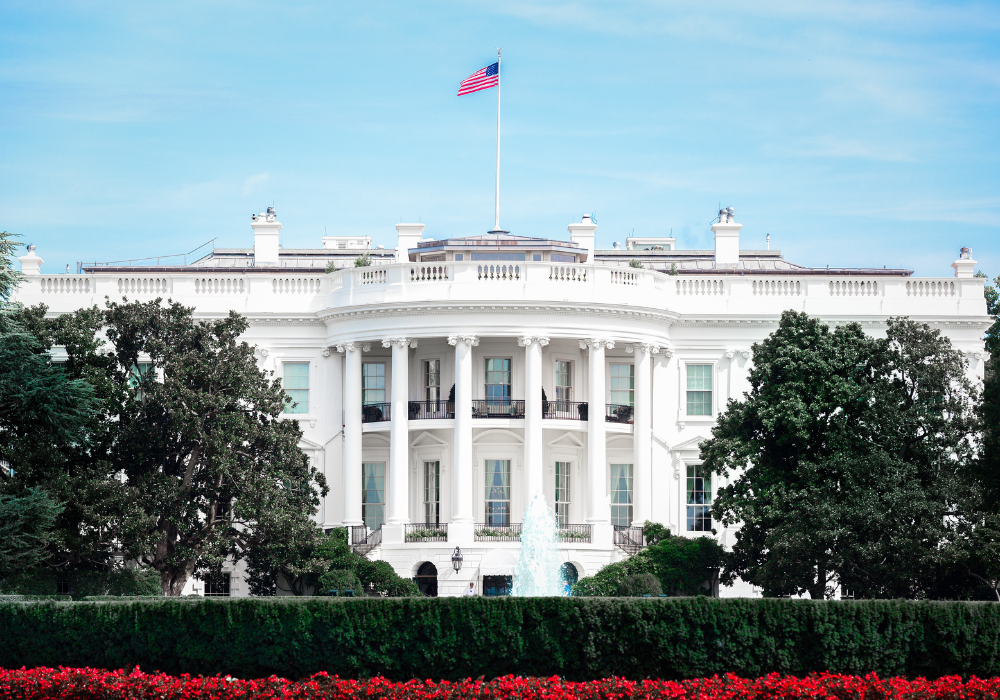
The 2009 EPA endangerment finding marked a seismic shift in U.S. climate policy. Declaring greenhouse gases a threat to public health and welfare, it laid the legal groundwork for regulating emissions under the Clean Air Act. Now, new moves by the White House aim to dismantle or redefine that very foundation.

Rolling back the endangerment finding could strip the EPA of its power to address carbon pollution—jeopardizing decades of climate progress. As the political battle intensifies, here are the far-reaching consequences of targeting the ruling that jumpstarted America’s climate response.

Read more

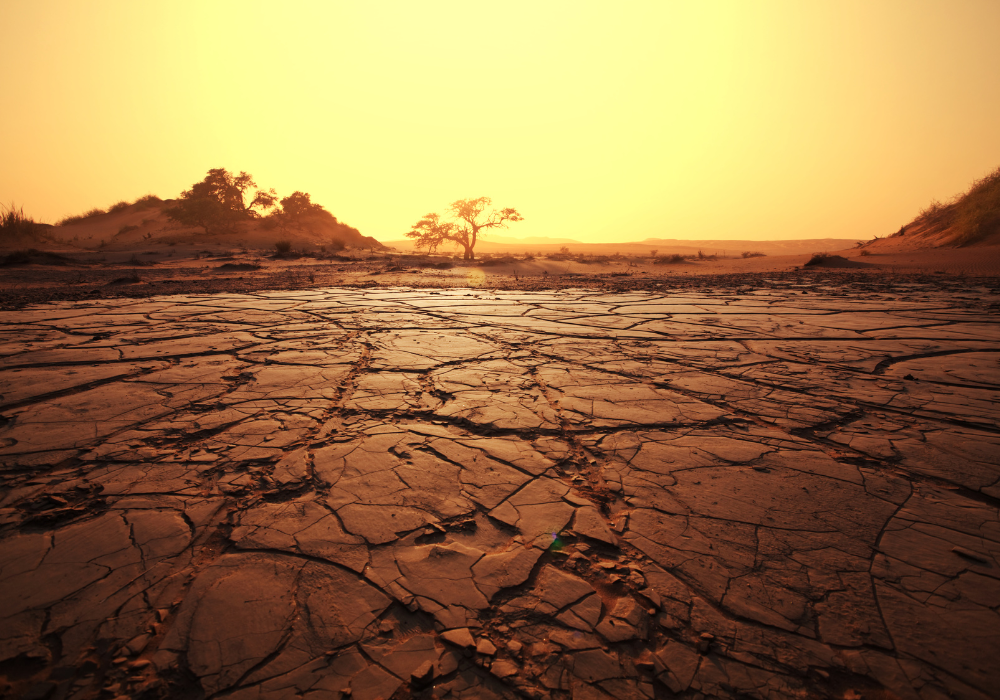
Why Heat Domes Are Breaking Records—and Breaking the Rules of Forecasting

Scientists thought they understood heat domes—then this summer shattered all expectations.

©Image license via Canva

Heat domes used to be freak weather events—now they’re showing up like uninvited guests who never leave. You feel it when you walk outside and the air hits like a furnace blast. But there’s something bigger going on than just a few extra hot days.

These monster domes are breaking temperature records left and right—and meteorologists are scrambling to keep up. What we’re seeing isn’t just hotter summers. It’s a total shake-up in how weather behaves, and forecasting tools that worked for decades are suddenly falling short.

Read more

Climate Data Disappears from U.S. Sites—Why the Trump Admin Took It Down

They didn’t just bury inconvenient truth—they erased decades of climate evidence from public view.

©Image license via Canva

When the Trump administration returned to power, one of its earliest, quieter moves was also one of its most damaging: the systematic removal of climate data from U.S. government websites. From NOAA rainfall projections to NASA climate reports, essential tools for science, resilience, and transparency started vanishing from public view. The tactic was clear—limit access to facts that could disrupt fossil fuel expansion or validate urgent climate action.

But the consequences of this digital erasure stretch far beyond politics. As local leaders, researchers, and emergency planners scramble for the truth, they’re discovering just how critical—and irreplaceable—this lost data really was.

Read more