Two Massive Storm Paths Are Colliding—Here’s What That Could Mean for America

Climate scientists warn that merging storm tracks could trigger more extreme weather events across the U.S.

©Image license via Canva

Meteorologists are sounding the alarm over a potential clash of U.S. weather systems: the Pacific and Atlantic storm tracks may be moving toward each other, creating powerful new storm dynamics.

Dr. Jennifer Francis, a senior atmospheric scientist at the Woodwell Climate Research Center, explains that “the Arctic is warming much faster than anywhere else on Earth”, which disrupts the jet stream and leads to slower, more meandering weather patterns—paving the way for storms to merge and intensify. If this trend continues, we may be entering a new era of atmospheric instability driven by climate change—far beyond the predictable storms of the past.
Read more

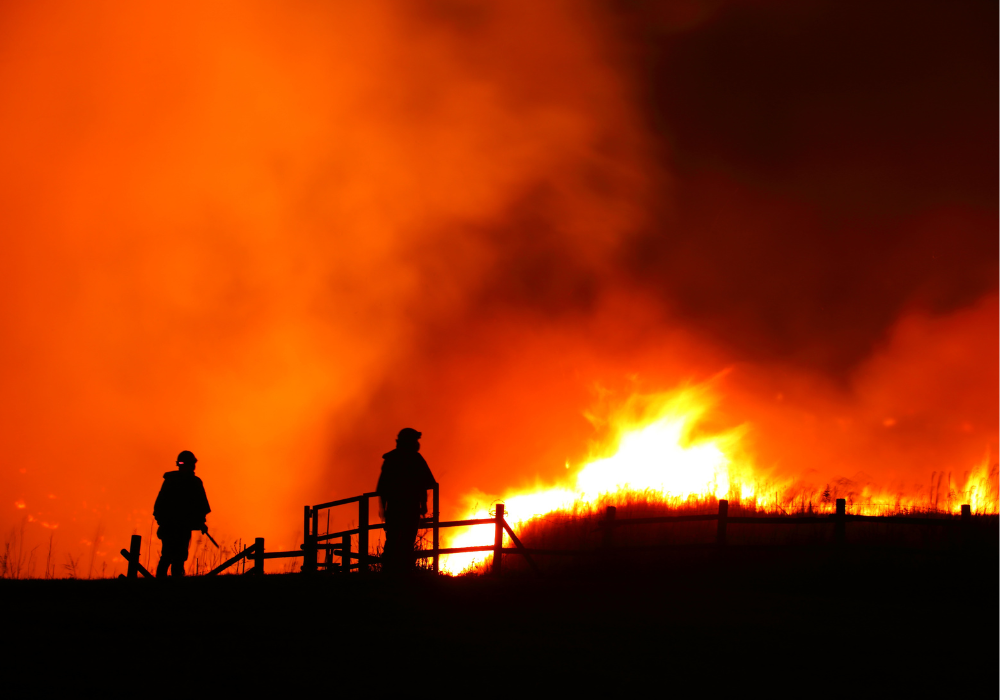
California Wildfire Creates ‘Multiple Fronts’ of Flames Across Two Counties

Gifford Fire spans over 65,000 acres with only 3% containment as extreme winds and drought conditions fuel rapid spread across Santa Barbara and San Luis Obispo counties.

©Image license via Canva

California is burning again, and this time it’s bigger than anyone expected. The Gifford Fire has exploded across more than 100 square miles of Los Padres National Forest, creating what firefighters are calling “multiple fronts” of flames that seem to be spreading in every direction.

Three people are already injured, including one driver who was literally overrun by flames after getting out of his car on Highway 166. With over 450 homes and structures directly in the path of destruction and only 3% of this monster contained, more than 1,000 firefighters are racing against time and weather to prevent what could become another California fire disaster.

Read more

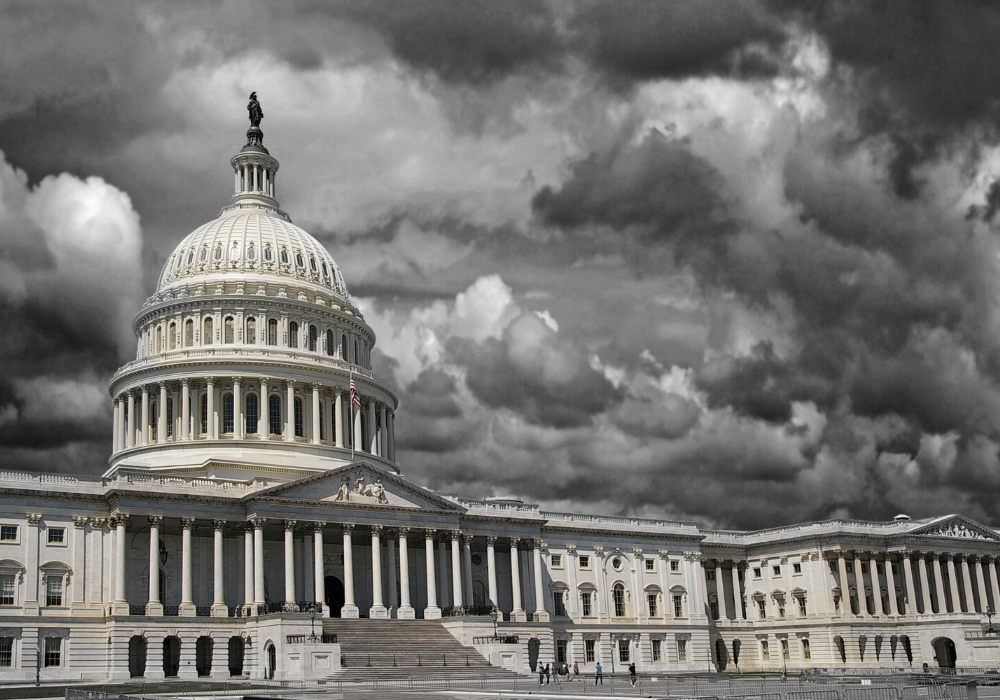
10 Disturbing Ways the Government Is Silencing Climate Science

How climate denial is creeping into policy decisions and weakening U.S. environmental protections.

©Image license via Canva

In recent months, scientists and policy experts have warned of a troubling shift in how the U.S. government handles climate change. Harvard-affiliated policy expert Robert Aldy described the current approach as a “low-information” model—one that sidelines climate data, weakens regulatory power, and minimizes environmental oversight.

These changes, critics argue, go beyond neglect; they represent an intentional undermining of scientific integrity and climate preparedness. As key agencies lose funding, staffing, and authority, America’s ability to address climate risks is quickly eroding. The result is a growing concern that climate science is being sidelined at a time when clear, data-driven policy is more critical than ever.

Read more

13 Terrifying Ways Climate Change Is Supercharging U.S. Wildfires

From record-breaking heat to never-ending droughts, climate change is fueling wildfires that burn hotter, faster, and farther than ever before.

©Image license via Canva

Wildfires in the U.S. aren’t just getting worse—they’re becoming downright unrecognizable. Fueled by rising temperatures, prolonged droughts, and erratic weather patterns, these once-seasonal disasters are now more intense, unpredictable, and destructive than ever. Climate change is no longer a distant threat; it’s turning the country into a tinderbox.

From California to Texas and beyond, communities are facing longer fire seasons and faster-moving flames with little warning. Scientists say this is the new normal if we don’t act fast. Here’s what you need to know about how climate change is supercharging wildfires across the U.S.—and why it should scare all of us.

Read more

9 Ancient Civilizations That Collapsed After Climate Shifts—Could Ours Be Next?

History shows that climate change can unravel even the most advanced societies—so what makes us think we’re immune?

©Image license via Wikimedia Commons

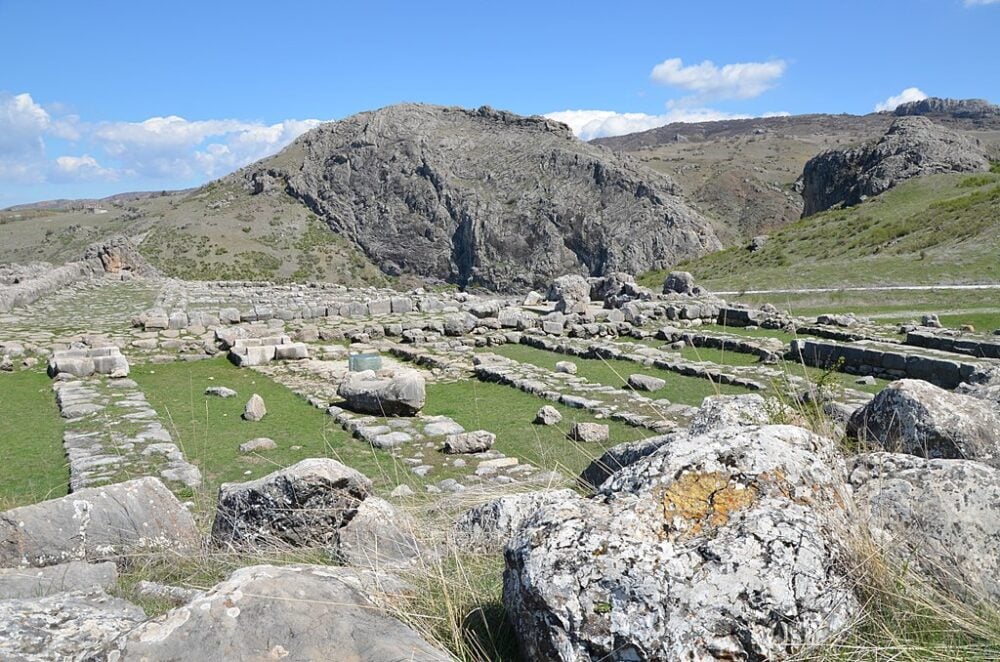
We often think of climate change as a modern crisis. But thousands of years ago—without fossil fuels, plastic, or global industry—climate shifts still brought powerful civilizations to their knees. From deadly droughts to cooling periods and shifting monsoons, the planet’s natural climate swings have repeatedly redrawn the map of human history.

Entire empires that once dominated trade, architecture, and agriculture were erased, not by war or conquest, but by nature’s slow, unforgiving hand. The warning signs were often there—but they were misunderstood, ignored, or simply insurmountable.

Today, with modern tools and far more data, we’re watching similar patterns unfold—only faster. Historical collapses show just how vulnerable even the most sophisticated societies can be when the climate turns against them.

Read more

How Big Oil Quietly Bought Its Way into Trump’s 2025 Tax Bill

Behind closed doors, fossil fuel giants walked away with billion-dollar tax breaks—while clean energy got left in the dust.

©Image license via Canva

When former President Donald Trump signed the “One Big Beautiful Bill” into law on July 4, 2025, the headlines focused on sweeping tax cuts and culture-war victories. But behind the scenes, a quieter power player walked away with jaw-dropping gains: the oil lobby.

Fossil fuel giants and their well-funded allies successfully embedded industry-friendly provisions deep in the bill’s 1,200 pages—many of which received little to no media attention. From royalty relief to tax loopholes disguised as climate policy, these carve-outs added up to billions in savings for companies already posting record profits.

While clean energy initiatives were scaled back, Big Oil tightened its grip on U.S. energy policy without ever holding a press conference. Here’s a breakdown of the nine biggest wins oil lobbyists secured in Trump’s 2025 tax overhaul—and why most Americans never saw them coming.

Read more

10 Ways California Plans to Lead the Climate Fight—and What It Means for the Rest of the World

As federal efforts stall, California is forging its own path—and the world is taking notes.

©Image license via Wikimedia Commons

California is setting a high bar in the global climate fight—and what it does next could ripple across the planet. With bold targets on clean energy, transportation, forests, and equity, the Golden State is piloting strategies that many countries and cities are watching closely.

Whether it’s phasing out gasoline cars, expanding offshore wind, or protecting vulnerable communities from wildfire smoke, California is testing what works—and what doesn’t—in the real world. These aren’t just local policies—they’re experiment labs for sustainable innovation.

As cities from Europe to Asia look to reduce emissions and build resilience, California’s successes and missteps offer important lessons. Here’s how ten state-led strategies could influence international climate action—starting now.

Read more

Miami Is Sinking—and Sea Levels Are Rising Faster Than Anyone Expected

Scientists say the city’s survival depends on bold action—but time is running out.

©Image license via Canva

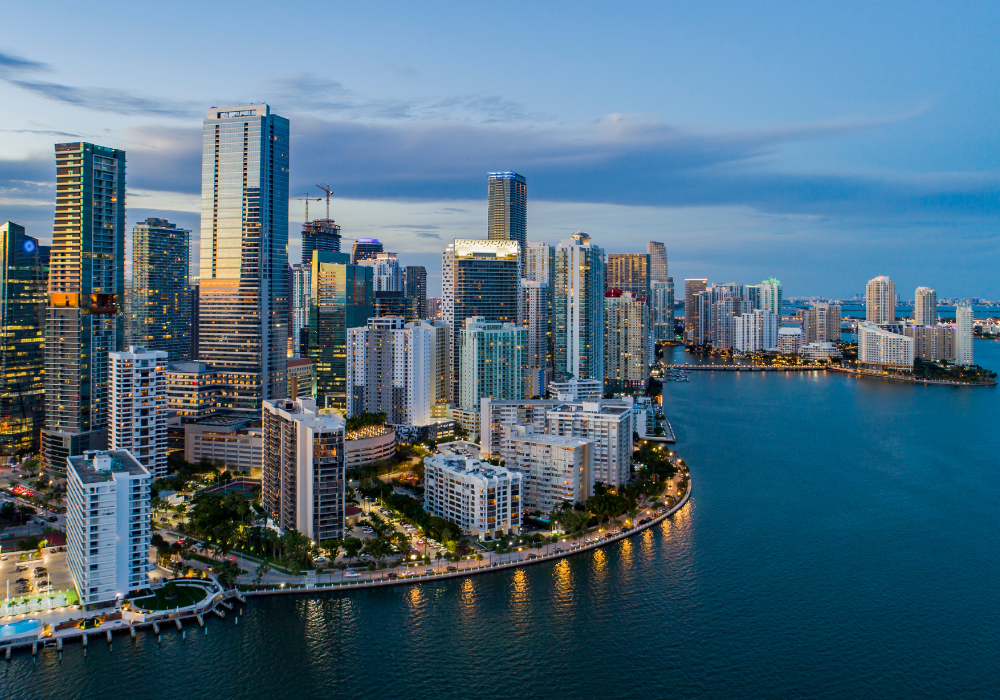
Miami has always lived on the edge—geographically and environmentally—but now the edge is disappearing. New research shows sea levels along South Florida’s coast are rising faster than prior projections—and the land itself is gradually sinking.

Brian Mcnoldy, a climate scientist at the University of Miami, warns: “While it took 80 years for the sea level to rise a foot, the next foot is expected to occur in only 30 years.” Combined with subsidence from groundwater extraction and Miami’s porous limestone foundation, the city faces intensifying flood risks that are outpacing infrastructure and planning.

It’s not alarmism—it’s data. And the consequences are already visible in flooded streets, failing drainage, and rising insurance rates. Miami is sinking fast—and it may be too late for business as usual.

Read more

The EPA Just Declared War on Climate Science—and the Fallout Could Be Massive

A bold new proposal could overturn a key scientific finding—and climate experts say it’s a dangerous step backward.

©Image license via Canva

In a move sending shockwaves through the scientific and environmental communities, the Environmental Protection Agency (EPA) is proposing to reconsider the legal foundation that allows it to regulate greenhouse gas emissions.

Known as the “endangerment finding,” this 2009 ruling declared that carbon dioxide and other heat-trapping gases pose a threat to public health and welfare—a finding that underpins nearly every federal climate policy. But now, according to a report by The New York Times, some officials within the EPA are pushing to overturn it, igniting fierce backlash from climate scientists, public health advocates, and even former agency insiders.

Critics say the effort isn’t about science—it’s about politics. If successful, it could unravel decades of climate action. Here’s why experts say this proposal isn’t just a rollback—it’s a direct assault on the science that protects our future.

Read more

What the Latest NOAA Hurricane Outlook Means for West Coast Preparedness

The West Coast isn’t hurricane-proof anymore, and NOAA’s data proves it.

©Image license via PX Here

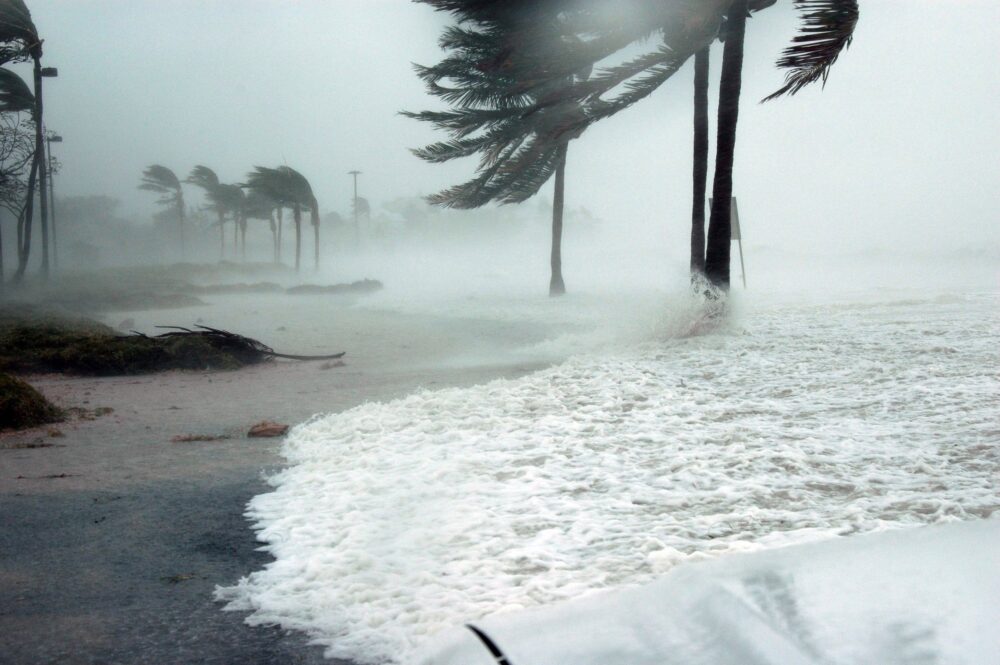
For decades, the U.S. West Coast has largely been spared the fury of hurricanes. But the 2025 NOAA Hurricane Outlook is challenging that sense of security. With rising ocean temperatures in the Pacific, a brewing El Niño, and shifting atmospheric patterns, storm systems are behaving in ways scientists haven’t seen before.

Though the Atlantic remains the primary breeding ground for major hurricanes, NOAA’s forecast highlights an increasing likelihood that remnants—or even rare direct strikes—could affect the West. The report underscores vulnerabilities in infrastructure, emergency response systems, and public awareness along the Pacific coast.

In a time when climate surprises are becoming the norm, coastal residents can no longer rely on historical luck. It’s time to face the storm—literally and figuratively—with better plans, smarter infrastructure, and real awareness.

Read more