12 Ways Modern Life Was Never Built to Last Past 2030

The systems you trust most are already breaking behind the scenes.

©Image license via Canva

It’s easy to think the modern world is solid—like some sleek, unstoppable machine. Grocery stores stocked 24/7, flights anywhere, instant everything at the push of a button. But behind all that convenience? Cracks are forming. The truth is, so much of what we rely on wasn’t designed to go the distance—especially as we barrel toward 2030. Climate chaos, resource depletion, mental health crises, and fragile supply chains are all signs that our “normal” isn’t as sturdy as we pretend.

If this feels scary, you’re not alone. But paying attention now means we can start imagining and building something better before it all tips over. Awareness is power—and the sooner we face these inconvenient truths, the sooner we can step into real solutions. Here are 12 surprising ways our beloved modern life was never meant to last.

Read more

11 New MRI Discoveries Reveal How Even Low-Level Pollution Damages Your Heart

What looks harmless in the sky turns hostile once it’s inside your bloodstream.

©Image license via Canva

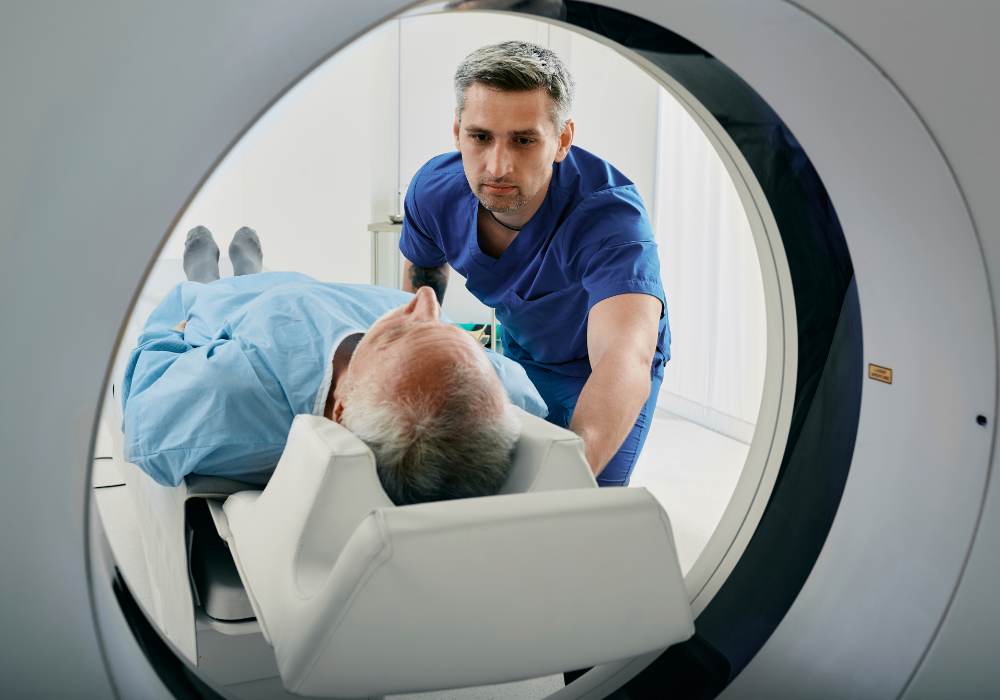
Pollution isn’t just a lung problem. New imaging is making that painfully clear. Thanks to advanced MRI scans, researchers are starting to see how even small, routine exposures to air pollution affect the heart directly—sometimes silently, but often permanently. The most shocking part? You don’t need to live near a factory or wait for a red-alert smog day. It’s happening in ordinary neighborhoods, on ordinary days, with levels we’ve been told are “safe.”

Unlike previous studies that relied on long-term health records, these discoveries come straight from inside the body—detailed images showing real-time damage to blood vessels, heart tissue, and circulation. The heart responds to pollutants faster and more dramatically than anyone expected. And while these findings are still being processed by public health systems, the scans don’t lie. Damage is happening earlier, deeper, and with less exposure than we’ve ever acknowledged.

Read more

10 Urgent Pleas from Global Catholic Bishops for Climate Action You Can’t Ignore

When bishops speak with one voice, the world should listen.

©Image license via Flickr

The call for climate action isn’t just coming from scientists or activists—it’s coming from the pulpit. Around the world, Catholic bishops are sounding the alarm, urging governments, corporations, and individuals to confront the crisis unfolding around us. For them, climate change isn’t just an environmental issue—it’s a moral one. The poor are the first to suffer, ecosystems are collapsing, and future generations are being robbed of stability and peace.

These statements aren’t vague or symbolic. They’re clear, passionate, and urgent. From the Amazon basin to the South Pacific, bishops are calling on the faithful to shift how we live, vote, and consume. Many of these declarations draw from Pope Francis’s encyclical Laudato Si’, but local leaders are making the message personal—rooted in lived experience, cultural context, and deep spiritual responsibility. The Church may move slowly, but this growing chorus is impossible to ignore.

Read more

These 11 States Get Slammed by Tornadoes Every Year—Is Yours at Risk?

You might be living in one of the deadliest storm zones in America and not even know it.

©Image license via Shutterstock

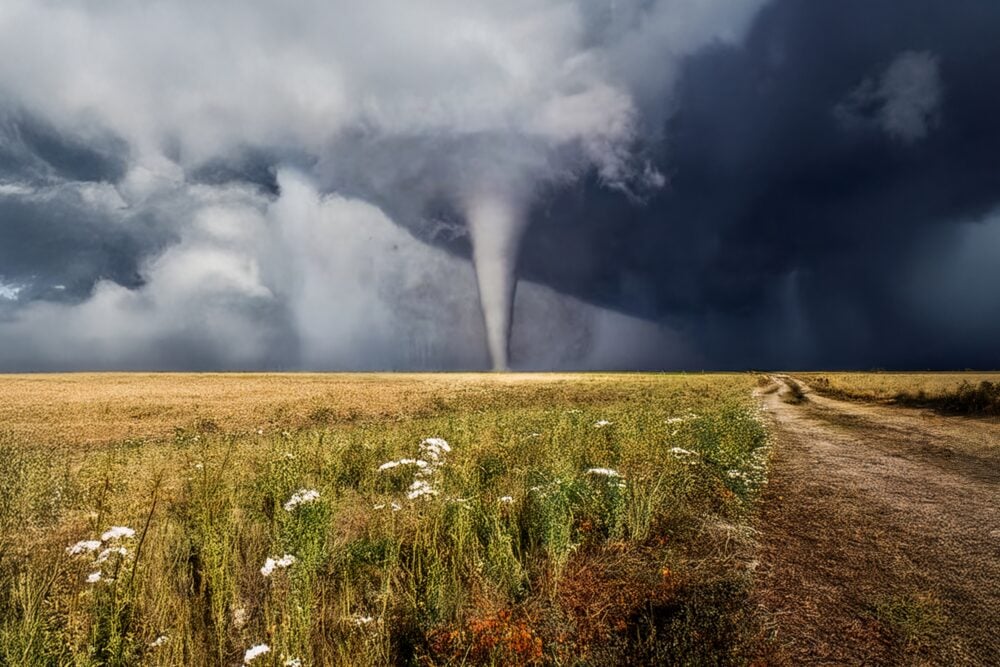
Think tornadoes are just a midwestern thing? Think again—your state might be a bullseye on Mother Nature’s dartboard. Every year, these fierce twisters rip through certain parts of the country like clockwork, leaving a trail of destruction that’s anything but predictable. You might not hear about it unless it’s a massive outbreak, but some states get slammed over and over again. And if you’re shrugging this off because you’ve never seen one up close, that false sense of security could come back to bite you.

Tornado season doesn’t play favorites, and storm patterns are shifting. So before you assume you’re in the clear, you may want to know where the skies are most likely to turn dark and deadly.

Read more

The Climate Crisis Is Killing Kids—11 Things You Can Actually Do About It

The crisis feels huge, but these concrete actions give you real power.

©Image license via Canva

It’s easy to feel paralyzed when you hear that the climate crisis is hurting—and even killing—children around the world. Rising temperatures, toxic air, and food and water shortages don’t just impact polar bears or distant glaciers; they’re hitting kids right now. But here’s the thing: you’re not powerless. You don’t have to overhaul your entire life overnight or move to a yurt in the woods to make a difference.

Real change starts with small, doable actions that add up. Each choice you make can help protect the most vulnerable and push for a healthier future. You don’t have to be perfect; you just have to start. These actions aren’t about guilt—they’re about stepping into your power and making sure kids have a fighting chance at a livable, joyful future.

Read more

The U.S. Government Quietly Admitted These 12 Climate Failures—Did You Miss Them?

The government whispered these truths, hoping you wouldn’t pay attention.

©Image license via iStock

While we were busy arguing online and doomscrolling through celebrity gossip, the U.S. government slipped out some major climate confessions. No big announcements, no headline-grabbing apologies—just quiet admissions buried in reports and updates. These failures aren’t abstract policy slip-ups; they’re shaping the price of groceries, the safety of your home, and the air you breathe right now.

We love believing someone in charge has a master plan to save us, but these admissions prove the opposite. From ignoring wildfire warnings to letting infrastructure crumble, the government basically left the future on read. These 12 failures aren’t just missed opportunities—they’re avoidable disasters with real-life consequences. Before you trust another “we’ve got this” speech, read what’s really been going on behind the scenes. Let’s dive into the mess they didn’t want you to notice.

Read more

When the Air Turns Against You, These 12 Symptoms Start to Show Up

Symptoms you’ve blamed on stress might actually be pollution.

©Image license via iStock

You don’t need to live next to a refinery to feel the effects of bad air. Sometimes the warning signs aren’t dramatic—they’re just easy to ignore. A lingering headache. A scratchy throat. That foggy, exhausted feeling you chalk up to work stress. The truth is, polluted air doesn’t always look or smell toxic. But your body still reacts to it, often in quiet, cumulative ways.

Indoor and outdoor air pollution both play a role, from wildfire smoke to synthetic cleaning sprays. The irritants might be microscopic, but the symptoms are real—and they don’t always show up right away. Instead, they creep in slowly, disguised as everyday complaints. If you’ve been feeling “off” for a while, the problem might not be your routine. It might be the air that surrounds you.

Read more

They Blame Volcanoes—Here Are 10 Reasons Fossil Fuels Are the Real Culprit

The smoke and mirrors won’t work; the real emissions are coming from us.

©Image license via Canva

Whenever the topic of climate change heats up (pun intended), someone inevitably points to volcanoes as the “real” source of our climate woes. It’s an easy scapegoat—big eruptions, lots of ash, dramatic visuals. But here’s the truth: volcanic emissions pale in comparison to the constant, relentless output from human activities. Fossil fuels are the true heavyweight champion when it comes to pumping greenhouse gases into the atmosphere, and the numbers don’t lie.

Volcanoes might make headlines once in a while, but our cars, factories, and power plants churn out invisible threats every single day. Blaming natural processes feels comforting because it absolves us of responsibility, but it also stalls real action. If we keep playing this blame game, we’ll keep losing precious time. It’s time to face the facts: our fossil fuel habits are the real fire breathing monster in this story.

Read more

Think Twice Before Moving to These 11 Places—They May Be Unlivable in 50 Years

These popular places are quietly sliding toward an unlivable future.

©Image license via iStock

You could be packing your boxes for a place that won’t be livable by the time you retire. That sounds dramatic, but it’s not some far-off sci-fi scenario. Climate change is reshaping entire regions—quietly, steadily, and way faster than most people realize. You might be dreaming about palm trees, mountain views, or wide-open spaces, only to find out later that your perfect spot comes with water shortages, fire risks, unbearable heat, or rising seas. The crazy part? A lot of people are still moving to these places in droves, totally unaware of the long-term risks.

It’s not just about hurricanes or droughts anymore—it’s about how livable a place actually stays when the environment around it starts shifting. And those shifts are already happening. You might not feel them this year. Maybe not even next. But 30, 40, 50 years from now? You—or your kids—could be stuck in a location that’s struggling to support basic life. So before you fall in love with a postcard-perfect town, it might be worth asking: Will this place still love you back in the decades to come?

Read more

By 2050, These 10 Drought-Driven Crises Could Push Millions Out of America

As the land cracks and rivers shrink, the choice to leave may no longer feel optional.

©Image license via Canva

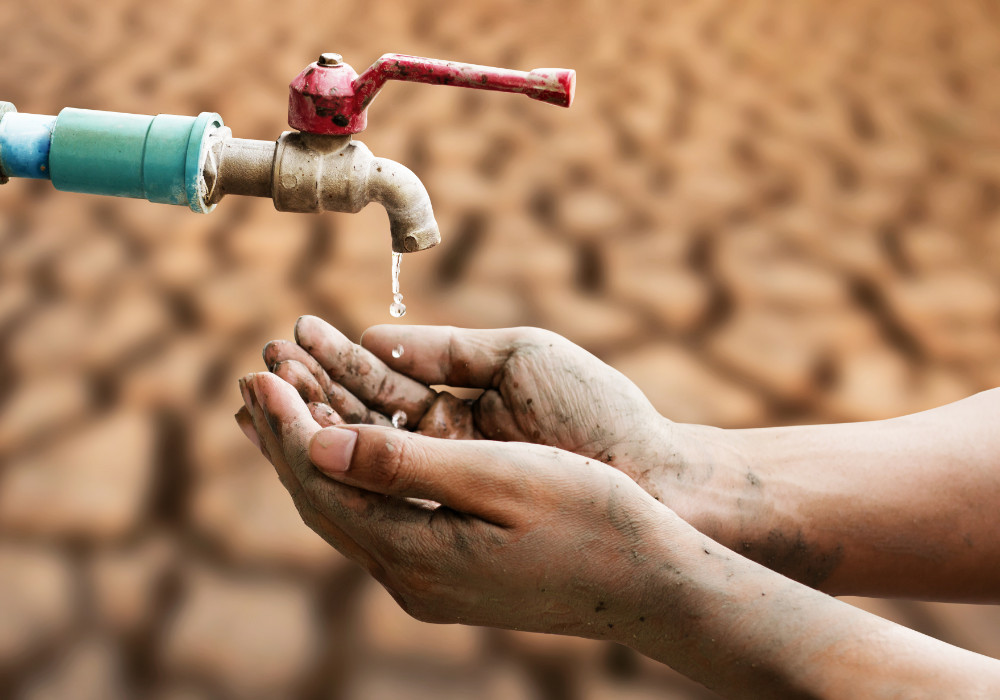
Most people picture climate collapse as something sudden—floods, fires, chaos in the streets. But in America’s drought-stricken regions, it’s happening slowly and quietly. The water disappears. The crops fail. The taps sputter. And bit by bit, places that once felt secure start pushing people out.

This isn’t science fiction or far-off speculation. It’s already underway. In parts of Arizona, California, Kansas, and New Mexico, families are packing up—not because they want to, but because they can’t afford to stay. And by 2050, experts say millions more may follow. The triggers won’t be dramatic—they’ll be daily life becoming impossible to maintain. From dried-up reservoirs to vanishing aquifers, these 10 regional crises are early warnings. If nothing changes, the next great American migration won’t be about opportunity. It’ll be about survival.s to follow—not because they want to, but because staying simply won’t be possible anymore.

Read more