Judge Delivers Blow to ‘Alligator Alcatraz,’ Citing Environmental Risks

A federal judge ordered the migrant detention site in Big Cypress Preserve to wind down over environmental violations.
©Image license via Canva

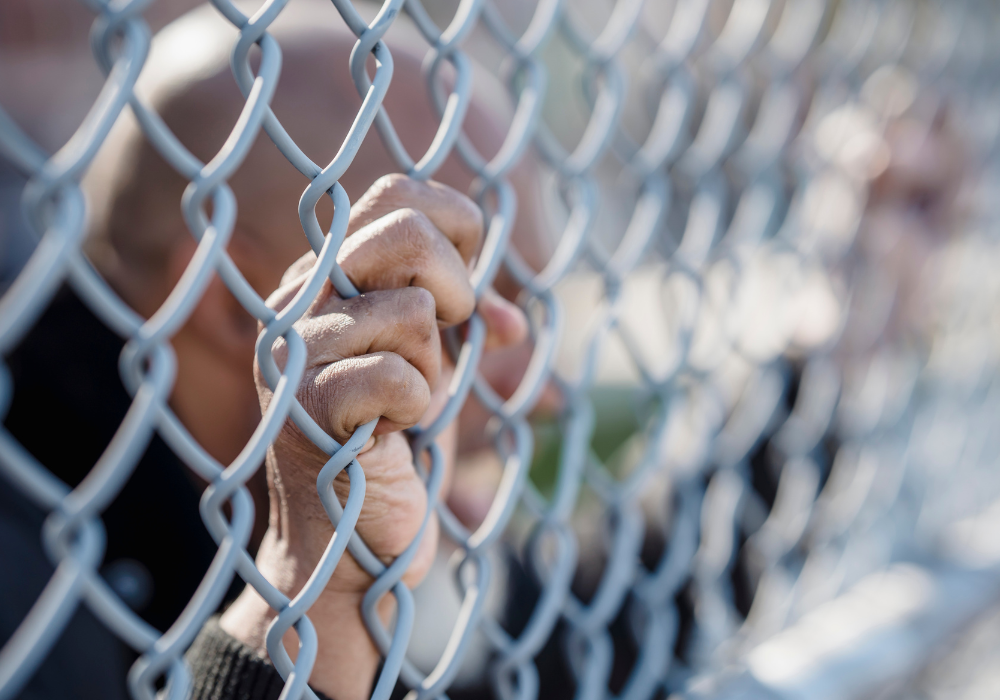
The controversial immigration detention facility dubbed “Alligator Alcatraz” just got slapped with a federal court order that could shut it down for good. A federal judge in Miami gave the state of Florida 60 days to clear out the immigrant detention facility called Alligator Alcatraz, handing environmentalists and the Miccosukee Tribe of Indians a win after they clashed with Gov. Ron DeSantis (R) over the environmental impacts of the makeshift prison camp.

The facility, built on a former airport in the heart of the Everglades, has become a lightning rod for criticism over both its treatment of detainees and its devastating impact on one of America’s most fragile ecosystems. What started as a political stunt to house immigrants has turned into an environmental disaster that even the courts can’t ignore.
Read more

Do You Know the Difference Between Climate Change and Global Warming? Most People Don’t

Learn the key differences between climate change and global warming—and why mixing them up really matters.

©Image license via Canva

Most people use “climate change” and “global warming” interchangeably, but scientists cringe every time they hear it. While 48% of Americans report feeling confused about climate information, much of that confusion starts with not understanding these basic terms. Global warming is just temperature rise – the thermometer going up.

Climate change is everything else that happens as a result: droughts, floods, storms, rising seas, and ecosystem collapse. Getting this distinction wrong makes it harder to understand why scientists are so worried about our planet’s future.

Read more

U.S. Offshore Wind Farms Could Shut Down — And the Stakes Are Enormous

Rising costs, lawsuits, and politics threaten U.S. offshore wind — with energy and climate goals on the line.

©Image license via Wikimedia Commons

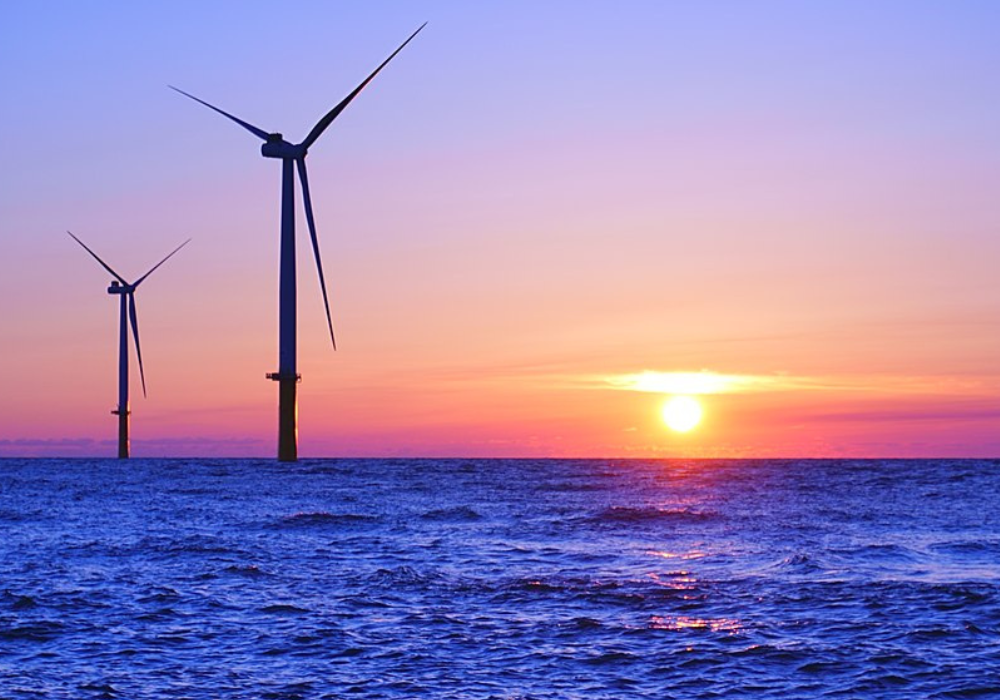
The U.S. once saw offshore wind as a symbol of a cleaner, more secure future. Towering turbines off the coast promised jobs, steady energy, and a way to push back against climate change. But now that vision feels shaky.

Projects that were once hailed as groundbreaking are running into fierce headwinds—political battles, skyrocketing costs, and uncertainty about what comes next. Communities that hoped to benefit are left wondering if the future they were promised will actually arrive. The debate isn’t just about energy—it’s about the kind of country we want to be and how we choose to power it.

Read more

NASA Is Officially Pulling Out of Climate Research—and the Timing Couldn’t Be Worse

As climate threats accelerate, NASA’s exit from key research leaves a dangerous gap in global understanding.

©Image license via Needpix

NASA’s climate research program is facing catastrophic budget cuts that would slash Earth science funding nearly in half and shut down critical climate monitoring satellites. The proposed budget would cut NASA’s Science Mission Directorate from $7.3 billion to just $3.9 billion, eliminating key climate programs just as 2024 became the warmest year on record.

NASA is already planning to decommission premier satellite missions that track planet-warming pollution beginning as early as October. These cuts come at the worst possible moment – right when we need climate data most to understand and respond to accelerating global warming.

Read more

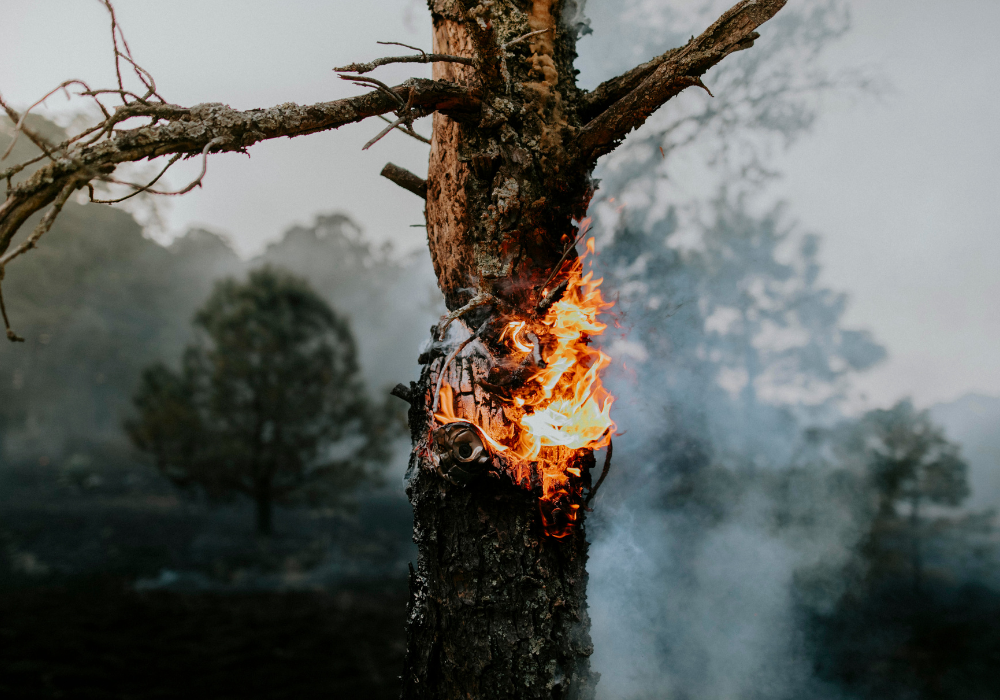
Humans Are Fueling Wildfires at an Alarming Rate, Scientists Warn

New research shows human activity now triggers 85% of wildfires across the United States

©Image license via Canva

Every time someone tosses a cigarette from a car window or leaves a campfire unattended, they’re playing with one of nature’s most destructive forces. Scientists have discovered that humans now cause a staggering 85% of all wildfires in the United States, with only 15% sparked by lightning or volcanic activity.

What makes this even more alarming is that human-caused fires burn faster, spread farther, and destroy more property than natural blazes. In 2024 alone, wildfires caused $1.8 billion in damage nationwide, and the problem is getting worse every year.

Read more

These U.S. Cities Sit on Shaky Ground—and Most Residents Have No Idea

Hidden fault lines and unstable soil put millions at risk in cities you’d never expect.

©Image license via Canva

When most Americans think about earthquakes, California instantly comes to mind. But while everyone’s watching the San Andreas Fault, nearly 75% of the United States could experience a damaging earthquake. From sleepy Southern towns to bustling Midwest metropolises, millions of people are living above geological time bombs they don’t even know exist.

The East Coast’s recent 4.8 magnitude quake near New Jersey was just a wake-up call—seismic threats are hiding in plain sight across America. These unexpected earthquake zones could catch entire regions completely unprepared.

Read more

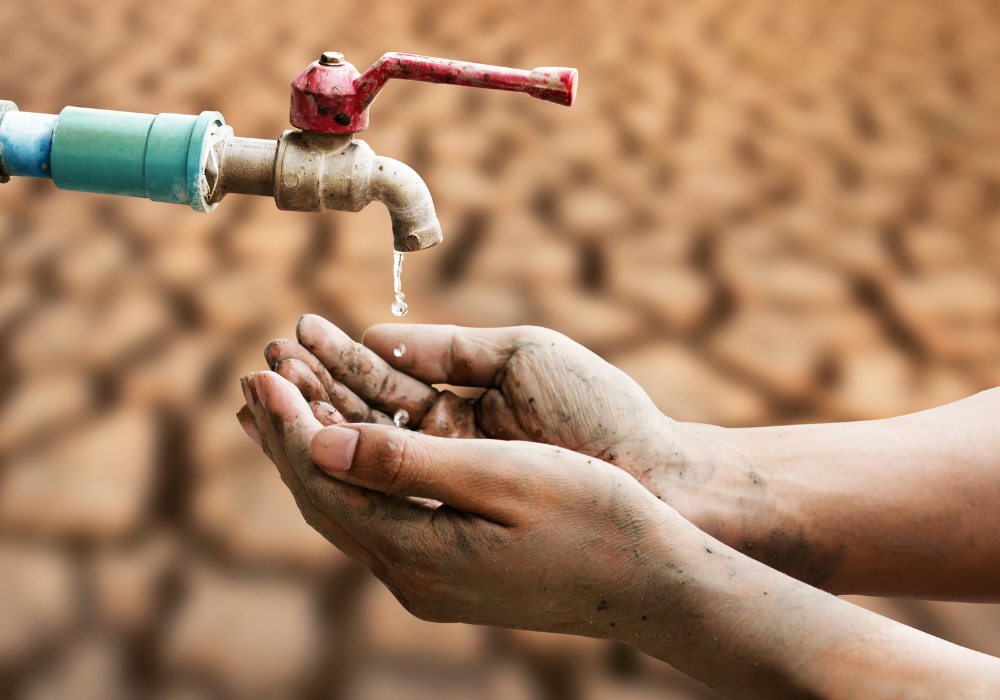
11 Global Cities Preparing for a Future Without Fresh Water

As fresh water supplies dwindle, some of the world’s largest cities are preparing for a thirsty future.

©Image license via Canva

While you turn on the tap and clean water flows out without a second thought, major cities worldwide are quietly preparing for a reality where that simple act becomes impossible. From Cape Town’s “Day Zero” crisis to Chennai’s complete reservoir depletion, urban water supplies are failing faster than anyone predicted, forcing millions of people to confront a future where fresh water becomes more valuable than oil.

These aren’t distant developing world problems—cities like Los Angeles, London, and Tokyo are implementing emergency water strategies that would have seemed unthinkable just a decade ago. The race to secure water is reshaping global politics, urban planning, and daily life in ways that make the energy crisis look manageable by comparison.

Read more

The Hidden Ice Collapse Under Antarctica That Could Flood Cities Worldwide

Scientists warn a massive Antarctic ice collapse could trigger flooding that reshapes coastlines across the globe.

©Image license via Wikimedia Commons

While politicians debate climate policy and scientists measure global temperatures, something catastrophic might already be happening beneath your feet—or rather, beneath the world’s most remote ice sheets.

Deep under Antarctica’s frozen surface, warm ocean water is quietly eating away at massive ice shelves that hold back enough ice to raise global sea levels by several feet. This isn’t a distant future scenario that might happen in 100 years; satellite data shows the collapse is accelerating right now, and some researchers believe we’ve already crossed critical tipping points that make catastrophic flooding inevitable.

Read more

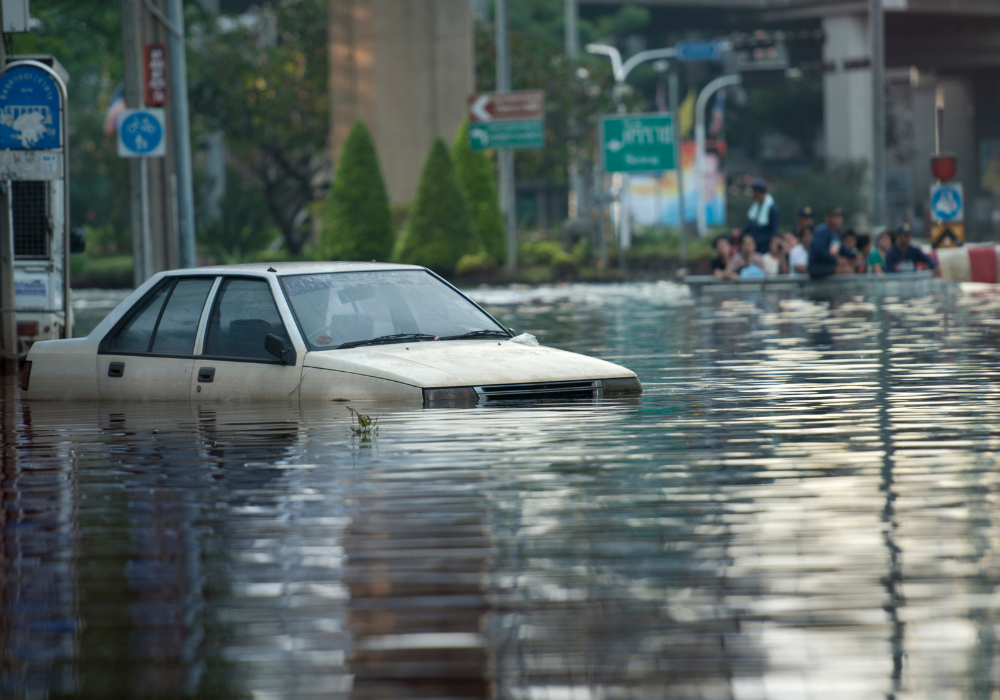
Sudden Cloudburst Turns Deadly—Flash Floods Kill Over 150 in Pakistan

Torrential rains triggered sudden flash floods across Pakistan, sweeping away homes and leaving entire communities devastated.

©Image license via Canva

Torrential rains unleashed a massive cloudburst over parts of Pakistan this week, triggering flash floods that have left at least 159 people dead and thousands more displaced. The sudden deluge, which came with little warning, swept through villages, destroyed infrastructure, and submerged farmland.

Officials warn the death toll could rise as rescue teams struggle to reach cut-off communities. While flash floods are not uncommon during the monsoon season, the scale and speed of this disaster have stunned residents and officials alike, prompting renewed questions about preparedness, climate patterns, and the vulnerability of flood-prone regions.

Read more

11 Renewable Energy Projects That Are Actually Changing the World

From massive solar farms to floating wind turbines, these groundbreaking clean energy projects are powering millions of homes.

©Image license via Canva

Clean energy isn’t just a pipe dream anymore—it’s happening right now in spectacular ways around the globe. From floating solar farms the size of small cities to wind turbines taller than skyscrapers, countries are building renewable energy projects that seemed impossible just a decade ago.

These aren’t experimental prototypes or concept designs; they’re massive, working facilities that are actually powering millions of homes and businesses while slashing carbon emissions. The scale and success of these projects prove that renewable energy can work anywhere, creating jobs and economic growth while fighting climate change in real time.

Read more