A Brutal Winter Could Be Coming to Florida—Here’s Why

Forecasters warn shifting weather patterns could bring Florida one of its harshest winters in years.

©Image license via Flickr

Florida may be known for sunshine and mild winters, but forecasters warn this year could be very different. Meteorologists are pointing to shifting weather patterns, including a strong El Niño in the Pacific, that could deliver unusually cold and stormy conditions across the state.

According to the National Oceanic and Atmospheric Administration (NOAA), El Niño winters often bring wetter, cooler weather to the Southeast, and Florida is right in the zone of greatest impact. While predictions aren’t guarantees, experts say residents should prepare now for the possibility of a far harsher winter than they’re used to.
Read more

New Data Warns These 12 U.S. Regions Could Be Unlivable by 2070

New warnings reveal which U.S. regions may become too dangerous and extreme for people to survive.

©Image license via Picryl

The future of where we live in America could look very different than it does today. Scientists are raising urgent alarms that the very land millions call home may no longer be safe within our lifetime. A recent study in Nature Sustainability warns that vast regions of the country are barreling toward conditions humans simply cannot endure.

This isn’t some far-off science fiction scenario—it’s a projection unfolding within decades. Rising heat, collapsing ecosystems, and escalating climate extremes are forcing experts to confront a sobering truth: parts of the U.S. may no longer be livable for the generations to come.

Read more

America’s Biggest Cities Are Sinking, New Satellite Data Reveals

Scientists warn subsiding land is putting millions at risk as infrastructure and coastlines face growing threats.

©Image license via Canva

While Americans obsess over rising sea levels, the ground beneath our biggest cities is quietly doing the opposite – sinking like stones tossed into a pond. Satellite data has revealed that major metropolitan areas are literally disappearing into the earth at alarming rates, creating a slow-motion disaster that makes rising oceans look like a gentle inconvenience.

Dr. Michelle Torres from the National Oceanic and Atmospheric Administration warns that urban subsidence is accelerating nationwide, with some cities dropping several inches per year. We’re so busy watching the horizon for climate change that we’ve missed the fact that our cities are staging their own underground disappearing act.

Read more

WHO Warns: Extreme Heat at Work Is Becoming a Deadly Threat

The UN health agency warns that hotter days may bring deadly consequences for workers everywhere.

©Image license via Wikipedia Commons

The World Health Organization is sounding the alarm: extreme heat is no longer just uncomfortable—it’s life-threatening on the job. As global temperatures climb, millions of workers are being pushed into dangerous conditions that put their health and lives at risk. Heat stress is triggering more illnesses, more injuries, and in the worst cases, sudden deaths.

What once felt like an occasional hazard is now becoming a routine threat in fields, factories, and construction sites worldwide. The warning is clear—rising heat is rewriting what it means to work safely in today’s world.

Read more

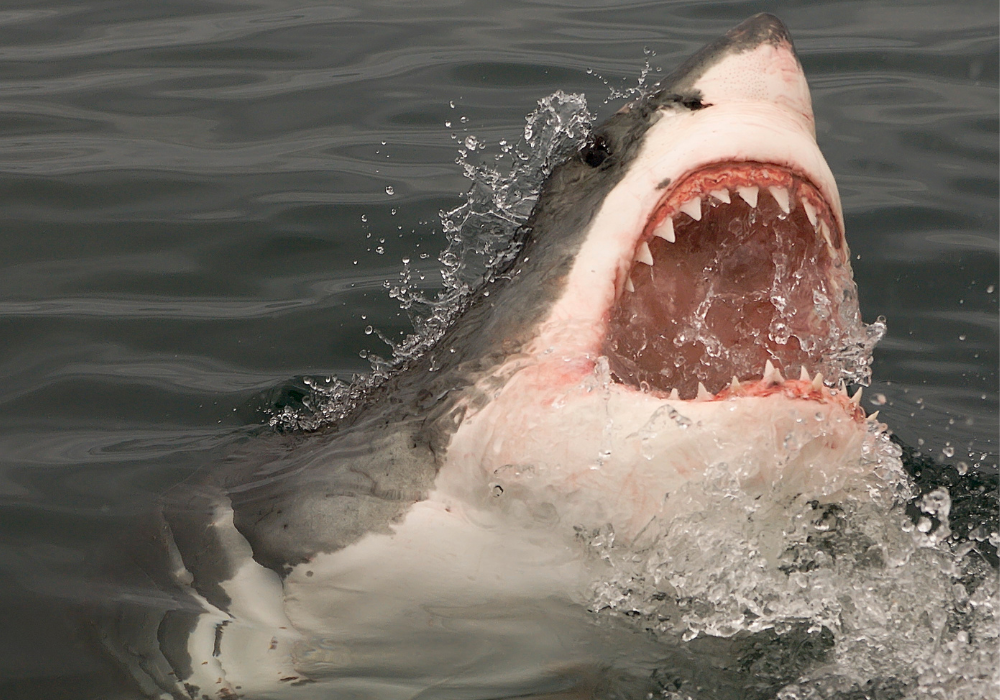
Climate Change Is Luring Great White Sharks North—And New England Is Ground Zero

Warming seas are drawing more great white sharks to the region, raising risks for swimmers and coastal communities.

©Image license via Canva

The waters off New England are changing fast, and not in ways most beachgoers expect. As ocean temperatures rise, great white sharks are following their prey north, showing up in places where sightings used to be rare.

Each summer, reports of fins breaking the surface stir both fascination and fear along the coast. Scientists warn the trend isn’t temporary—it’s the new reality of a warming world. For swimmers, surfers, and vacationers, that means sharing the water with one of nature’s most formidable predators more often than ever before.

Read more

The Silent Collapse of Antarctica Could Drown Cities Worldwide

The frozen continent is breaking apart faster than expected—and the impacts could reach every coastline.

©Image license via Canva

Antarctica, the frozen giant at the bottom of the world, is unraveling faster than scientists once believed. New research from NASA shows that some of its massive ice sheets are melting at record speeds, contributing significantly to global sea level rise.

The Intergovernmental Panel on Climate Change (IPCC) warns that if the current trend continues, major coastal cities could face devastating floods within this century. What happens in Antarctica won’t stay there—it will reshape coastlines, displace communities, and test our ability to respond to a crisis that is no longer distant, but unfolding right now.

Read more

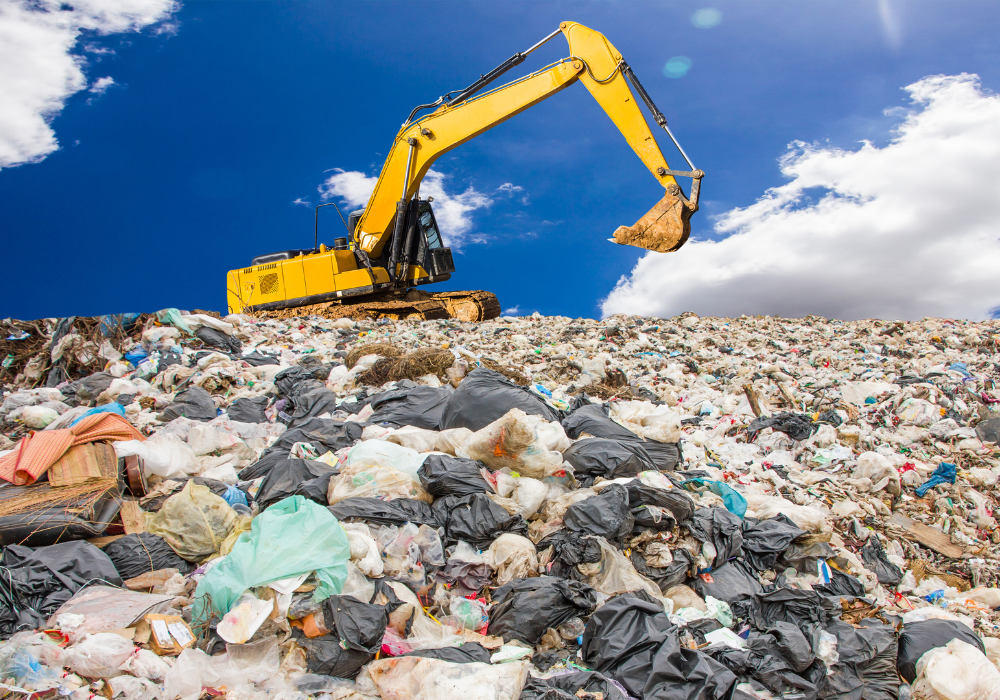
The Mounting Trash Problem That Could Ignite Wars Within Decades

Overflowing landfills and scarce resources could turn waste into one of the world’s next big flashpoints.

©Image license via Canva

A global crisis is building that could reshape international relations and trigger conflicts we’ve never seen before. The world produces over 2 billion tons of waste every year, and that number is exploding as developing countries get wealthier and consume more.

What makes this truly dangerous isn’t just the sheer volume of garbage we’re creating. It’s the fact that wealthy nations are running out of places to dump their waste, while poorer countries are drowning in toxic materials they never wanted in the first place.

When basic resources like clean water and livable land become scarce because of waste contamination, history shows us that people fight back. We’re approaching a tipping point where trash could literally become a matter of national security.

Read more

10 Scary Ways Climate Chaos Feeds Human Mistakes

Climate chaos is turning small human errors into disasters that threaten lives, cities, and entire nations.

©Image license via Canva

When extreme weather collides with human stupidity, the results can be absolutely catastrophic. We’re not just talking about stronger hurricanes or bigger wildfires – climate change is turning our everyday bad decisions into death traps. We keep telling ourselves that these disasters are just bad luck or acts of God, but the truth is way more uncomfortable than that.

Climate change isn’t just making nature more violent – it’s exposing every shortcut we’ve taken, every warning we’ve ignored, and every time we’ve chosen convenience over safety. And sadly, we’re still making the same bone-headed mistakes that got us into this mess, just with deadlier consequences.

Read more

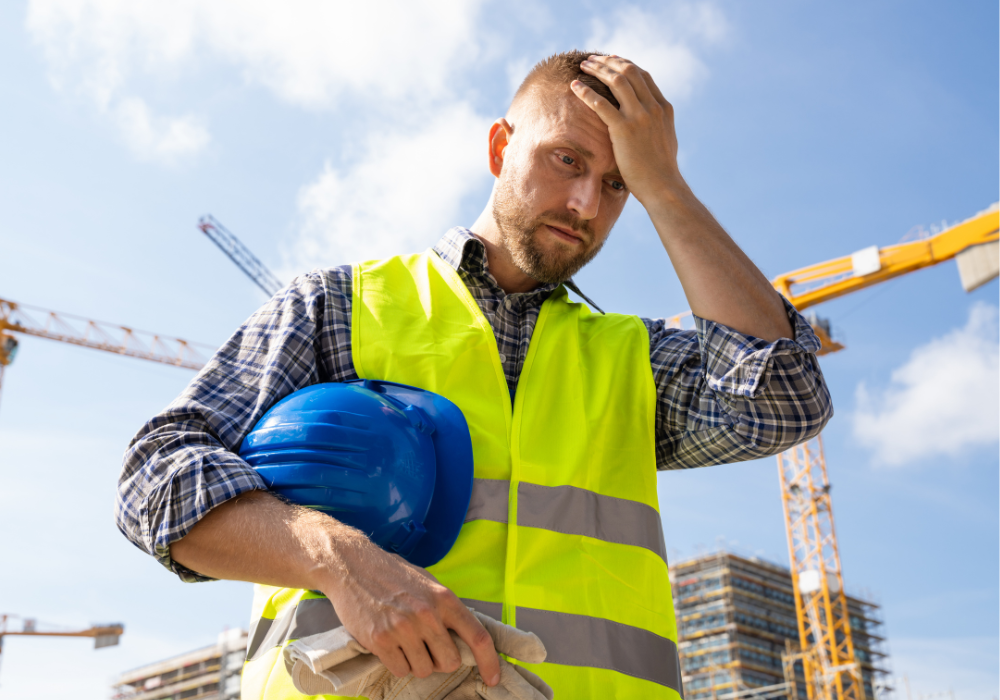
10 Ways Climate Change Will Hit Blue-Collar Workers the Hardest

Climate change is turning everyday jobs into tougher, riskier, and more expensive battles for workers.

©Image license via Canva

Blue-collar workers are already on the frontlines of climate change, and the risks are climbing fast. Rising heat, stronger storms, and shifting conditions are making tough jobs even tougher—and sometimes deadly. What once felt like ordinary hazards are turning into life-altering threats, forcing workers to adapt in ways they never imagined.

The people who build, farm, transport, and repair the world’s infrastructure are carrying the heaviest burden of a crisis they didn’t create. As the planet heats up, the cost of survival at work is being measured not just in dollars, but in human lives.

Read more

Record Numbers Are Dying in El Paso’s Heat—And It May Be Just the Beginning

Soaring temperatures are pushing El Paso past survival limits, with experts warning the deadly trend is only accelerating.

©Image license via Canva

El Paso has become ground zero for America’s heat death crisis, with temperatures turning the desert border city into a lethal furnace that’s claiming lives at unprecedented rates. In 2024, heat killed 171 people and contributed to an additional 281 deaths, according to preliminary state data.

Dr. Maria Rodriguez from the University of Texas Health Science Center at El Paso warns that the city’s unique combination of extreme heat, geography, and border dynamics creates a perfect storm for heat-related mortality. Temperatures are rising faster in El Paso than in almost any other U.S. city, transforming what was once survivable desert heat into a daily death sentence for the city’s most vulnerable residents.

Read more