Climate Change Is Actually Slowing Down Earth’s Rotation—Here’s What That Means

Scientists explain how melting ice and shifting water are changing the length of our days.
©Image license via Canva

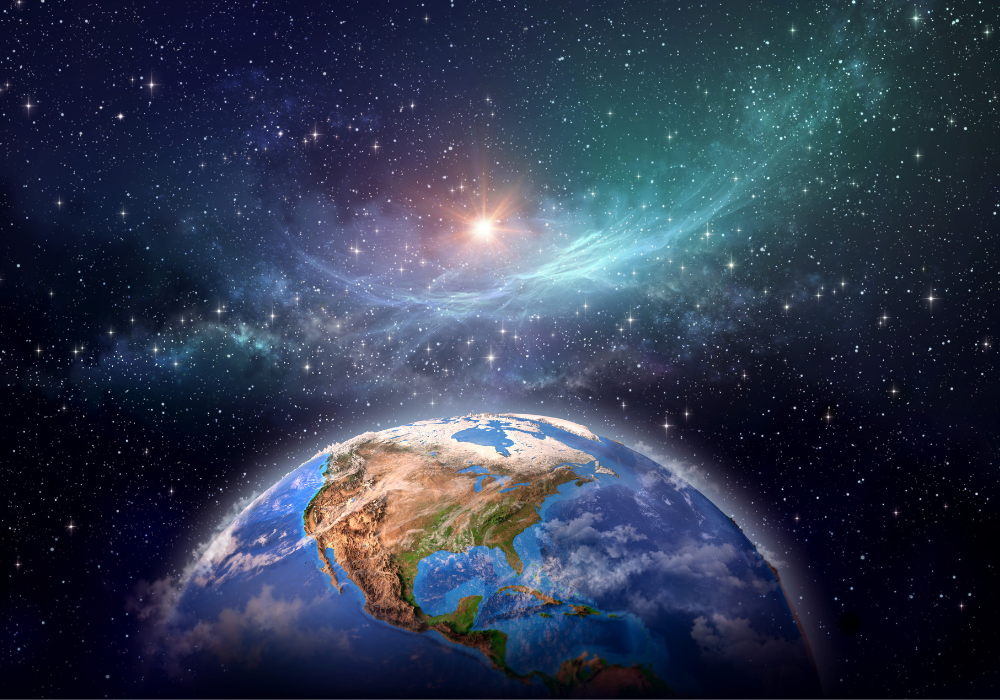
You might think climate change only affects weather and temperatures, but it’s actually doing something much more fundamental to our planet. Scientists have discovered that melting ice and shifting water patterns are literally changing how fast Earth spins on its axis. The changes are tiny—we’re talking about fractions of a second—but they’re measurable and they’re accelerating as climate change continues.

This isn’t science fiction. When massive amounts of ice melt from places like Greenland and Antarctica, all that water has to go somewhere. As it redistributes around the planet, it changes Earth’s mass distribution, which affects how fast our planet rotates. It’s like a figure skater extending their arms to slow down their spin, except we’re talking about an entire planet.
Read more

The Global Plastics Treaty Explained: How It Will Impact Consumers Worldwide

New international agreement targets plastic pollution with regulations that could affect food packaging, health products, and consumer safety.

©Image license via Canva

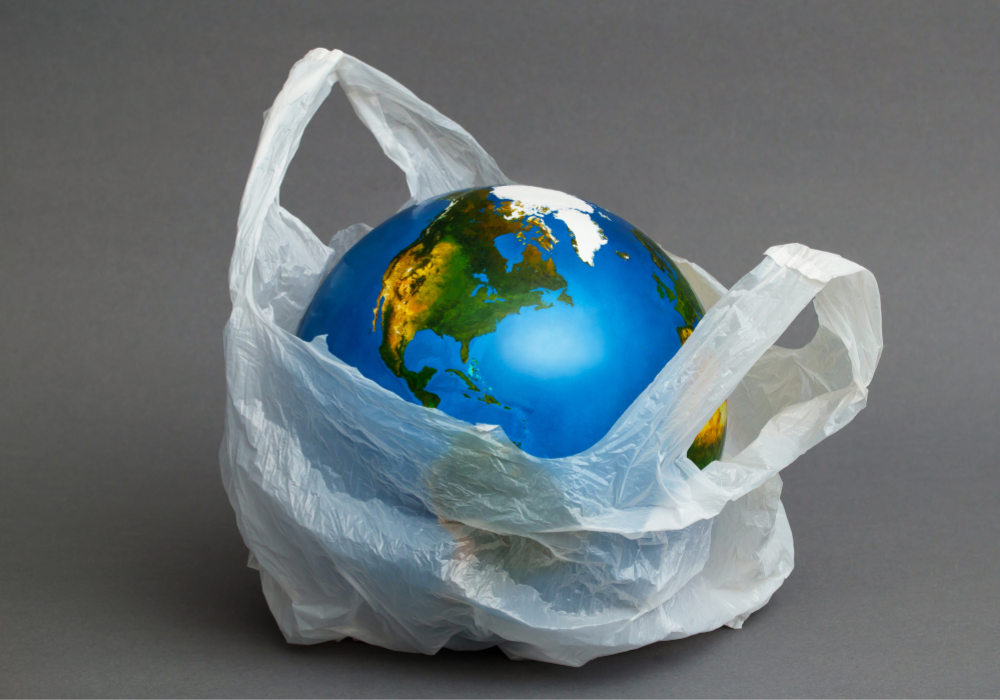
World leaders are currently negotiating what could become the most comprehensive international agreement on plastic pollution in history, and the outcome could dramatically change how plastic is made, used, and disposed of around the globe.

The Global Plastics Treaty talks, involving 175 countries, are in their final round of negotiations in Geneva this week, with discussions focusing on binding rules that could affect everything from the water bottles you buy to the medical devices in hospitals. However, reaching an agreement has proven challenging, with some major countries opposing mandatory production cuts in favor of increased recycling efforts.

A new report from The Lancet medical journal, released to coincide with these talks, reveals that plastic pollution is already costing the world $1.5 trillion annually in health-related expenses from diseases and deaths linked to plastic exposure.

Read more

Antarctica’s Ocean Currents Are Weakening—Here Are 12 Ways It Could Change Your Life

Scientists reveal how Antarctic changes could affect weather, food prices, and sea levels worldwide.

©Image license via Canva

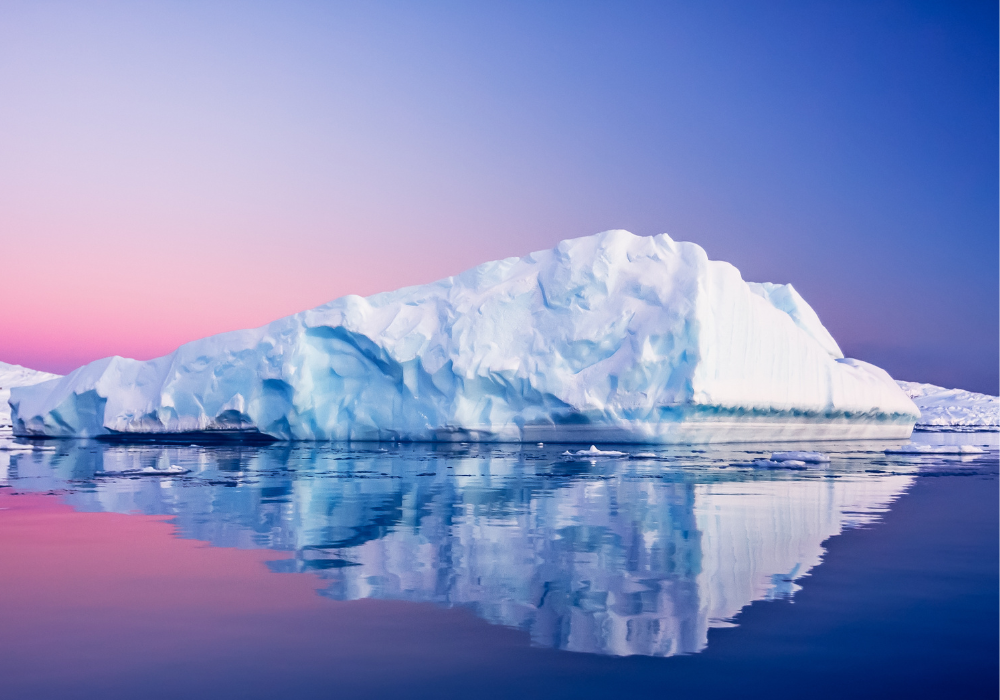
You might think Antarctica’s icy waters have nothing to do with your daily life, but you’d be wrong. The ocean currents swirling around the frozen continent are like Earth’s climate control system, and they’re starting to break down. These massive underwater rivers move more water than all the world’s rivers combined, keeping our planet’s weather stable and protecting us from rapid climate changes.

Now scientists are sounding the alarm. As Antarctica’s ice melts faster, all that extra freshwater is messing with these crucial currents. The result? Changes that could affect everything from your local weather to grocery store prices, no matter where you live.

Read more

Alaska Orders Emergency Evacuations as Glacier Flood Threatens Juneau

Officials warn Mendenhall Glacier’s ice dam could release massive flooding that surpasses all previous records in the state capital.

©Image license via Flickr

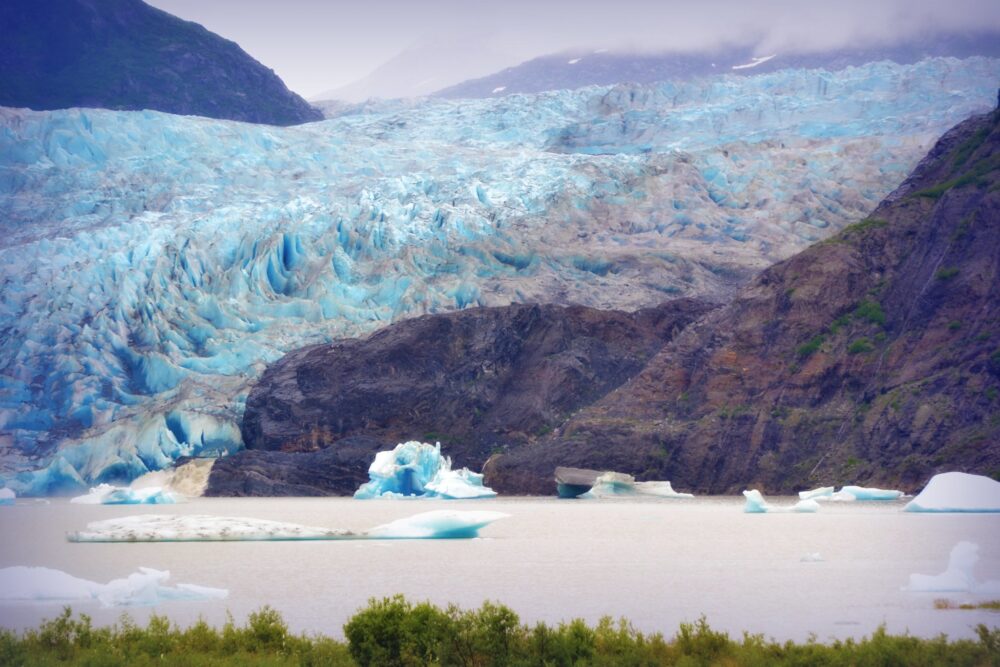
Alaska authorities have issued emergency evacuation orders for parts of Juneau as the Mendenhall Glacier threatens to unleash record-breaking flooding on the state capital. The glacier’s ice dam has reached critical levels, prompting officials to warn residents in vulnerable areas to leave immediately as conditions continue to deteriorate. Emergency management teams are monitoring the situation around the clock as water levels behind the glacial barrier continue rising to dangerous heights.

The potential flood represents one of the most serious natural disaster threats Juneau has faced in recent memory. Glacial lake outburst floods, known as jökulhlaups, occur when ice dams holding back meltwater suddenly fail, releasing enormous volumes of water in a matter of hours. Scientists and emergency officials say current conditions suggest this event could exceed all previous flooding records in the area.

Read more

Do Your Flights Feel Bumpier Than They Used To? There’s a Reason for That

Climate change is creating more severe turbulence that’s making flights rougher and potentially more dangerous.

©Image license via Canva

If you’ve noticed that your recent flights seem rougher than flights from years past, you’re not imagining things. Scientists have discovered that climate change is directly affecting air travel by creating more frequent and severe turbulence that’s making flights increasingly uncomfortable and sometimes dangerous.

A study published in Geophysical Research Letters found that severe turbulence has increased by 55% since 1979, with the most dramatic increases happening over major flight routes across the Atlantic and Pacific oceans. The culprit is global warming, which is changing wind patterns and jet streams in ways that create more chaotic air movement at cruising altitudes.

Airlines are already adjusting flight paths, investing in better detection technology, and training crews to handle increasingly unpredictable flying conditions. While turbulence rarely causes plane crashes, it’s responsible for most weather-related injuries during flights and is becoming a growing concern for aviation safety experts.

Read more

Scientists Push Back Against Plan to Remove Key Climate Data

Researchers say data removal plan threatens weather forecasting accuracy and public safety during natural disasters.

©Image license via Canva

A growing coalition of scientists and research organizations is voicing strong opposition to a federal proposal that would eliminate public access to decades of climate and environmental data. The plan, currently under review by government agencies, would remove key datasets from public databases that researchers, emergency managers, and weather forecasters rely on daily.

Over 400 scientists from universities and research institutions across the country have signed letters expressing concern about the potential impacts on weather prediction accuracy and disaster preparedness. The data in question includes temperature records, precipitation measurements, and atmospheric monitoring information dating back to the 1980s. Here’s what this controversy means for scientific research and public safety.

Read more

European Wildfires Force Evacuations at Tourist Sites and Nature Reserves

Authorities evacuate thousands as fires spread across popular vacation areas and protected forest regions.

©Image license via Picryl

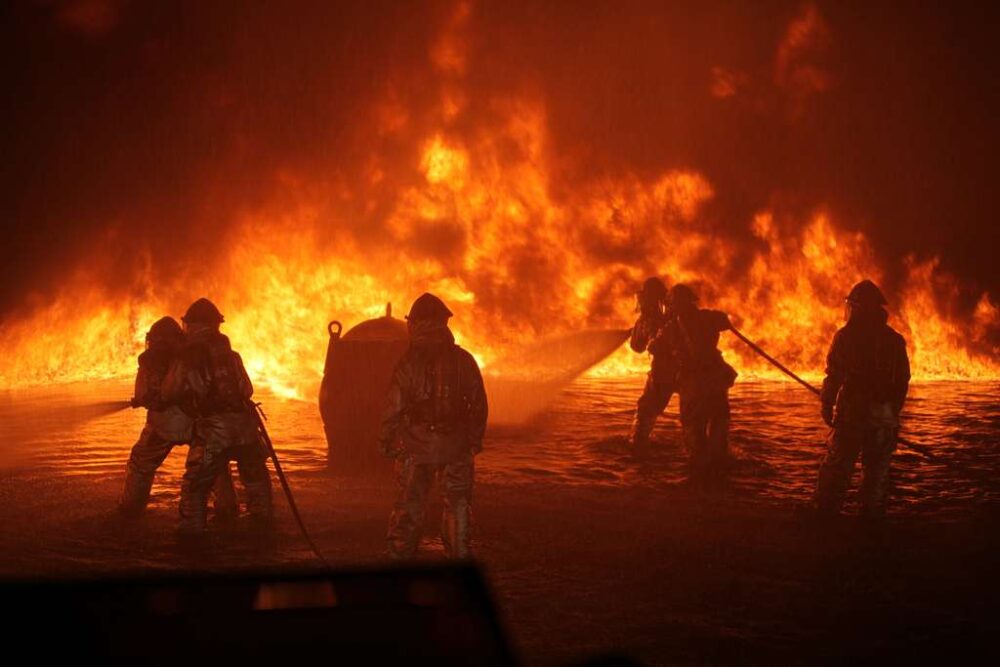
Thousands of tourists and residents across Europe are being forced to evacuate as wildfires tear through some of the continent’s most beloved vacation destinations and pristine forests. From the Greek islands to Spain’s coastal resorts, emergency crews are battling multiple blazes that have already consumed hundreds of thousands of acres and show no signs of slowing down.

Popular tourist spots including beach resorts, historic towns, and national parks have been forced to close as flames approach critical infrastructure and threaten lives. The European Forest Fire Information System reports that this year’s fire activity is already 60% higher than the annual average, with extreme heat and drought conditions creating perfect conditions for rapid fire spread.

Airport closures, highway evacuations, and hotel relocations are disrupting millions of summer vacation plans across the region.

Read more

Global Temperatures Shatter All-Time Records as Extreme Heat Spreads Worldwide

Multiple countries report their hottest temperatures ever as dangerous heat wave affects millions worldwide.

©Image license via Canva

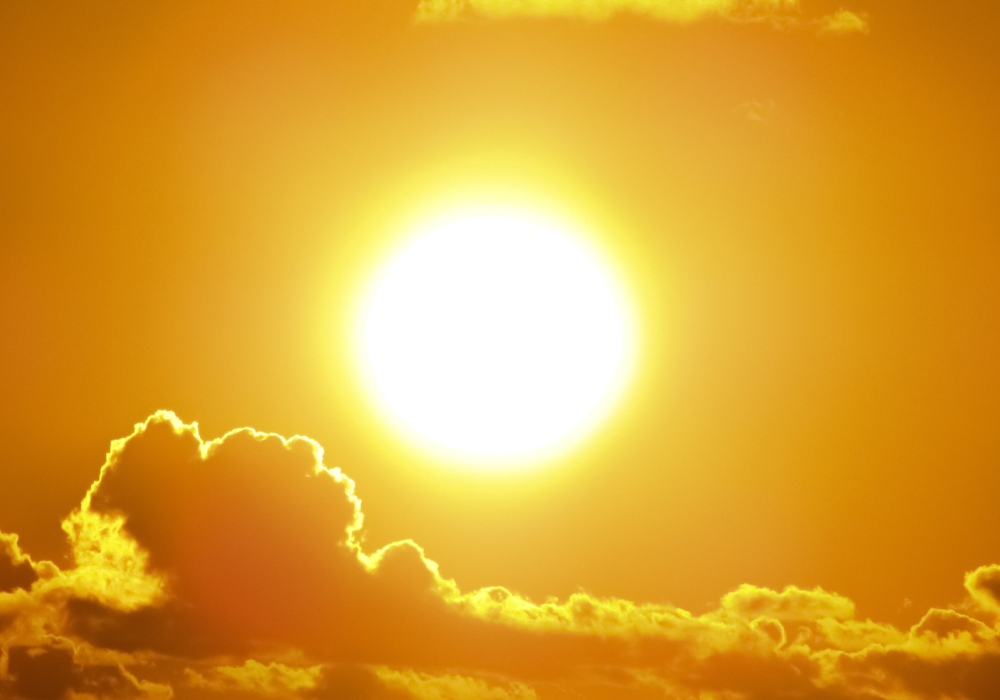
Temperature records are falling across the planet as an unprecedented global heat wave pushes thermometers to levels never before recorded in human history. Over 30 countries have registered their highest temperatures ever in just the past week, with cities breaking century-old records by shocking margins—sometimes by 10 degrees or more.

What makes this heat wave particularly alarming is that it’s happening simultaneously across multiple continents, affecting billions of people and overwhelming hospitals, forcing business closures, and straining power grids.

Scientists say this coordinated global heat event represents a new level of climate extremes that could become more common in the coming years.

Read more

Tropical Storm Erin Could Become First Hurricane of the Season

Meteorologists monitor rapid intensification as Erin threatens to bring dangerous winds and flooding to coastal areas.

©Image license via Canva

Tropical Storm Erin is rapidly gaining strength over the warm Atlantic waters, and weather experts are closely watching its potential to become the first hurricane of the 2025 season. The storm’s unexpected intensification has caught forecasters’ attention as wind speeds continue climbing toward hurricane-force thresholds.

Currently packing sustained winds of 65 mph, Erin sits just 9 mph below the 74 mph threshold that would officially classify it as a Category 1 hurricane. The National Hurricane Center has begun issuing advisories as the storm tracks toward populated coastal regions. Here’s what residents and travelers need to know about this developing weather situation.

Read more

How One City Solved Two Problems by Turning Garbage Into Electricity

Waste-to-energy technology transforms municipal garbage into clean electricity, reducing landfill waste while powering thousands of homes.

©Image license via Canva

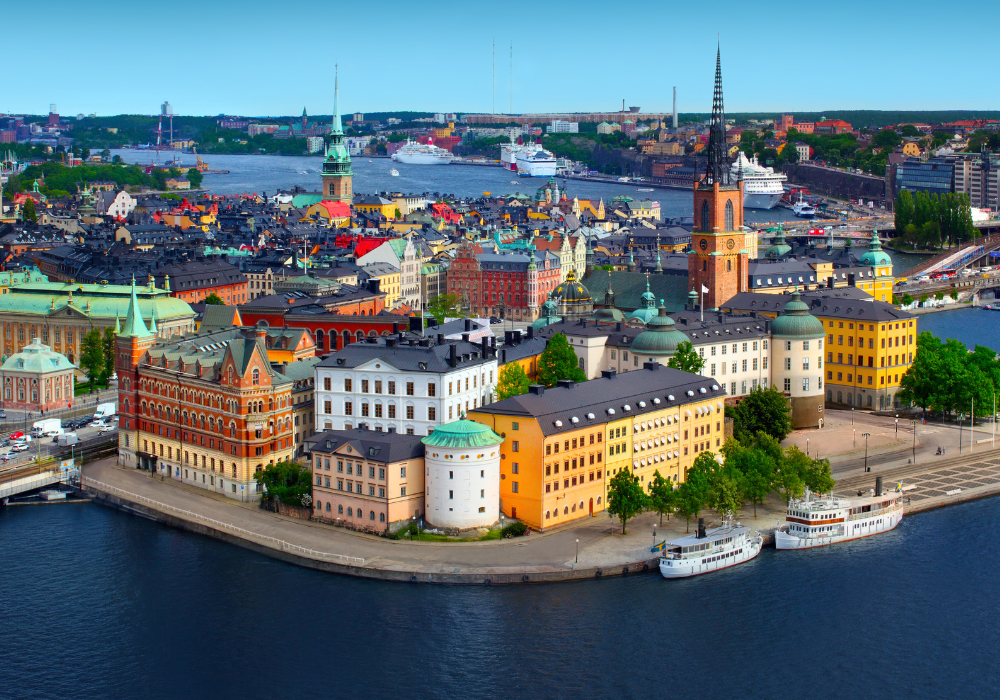
Stockholm, Sweden, has pulled off something amazing: they’ve turned their trash problem into free energy. The city burns almost all of its garbage to create electricity and heat for hundreds of thousands of homes. This isn’t some small experiment—Stockholm now powers 250,000 homes and heats nearly a million apartments just by burning what most cities bury in the ground.

The program works so well that Stockholm actually imports garbage from other countries because they don’t produce enough trash to keep their power plants running. What started as a waste problem has become a money-making energy business.

Read more