Researchers say the creature’s jaws and size made it one of the era’s deadliest hunters.
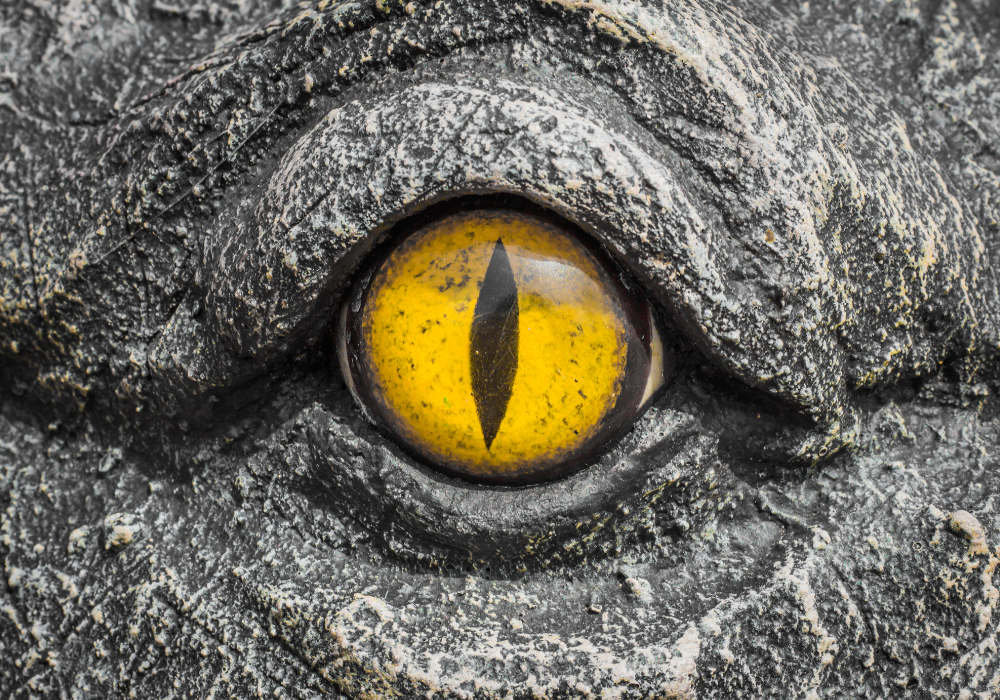
Paleontologists have uncovered a new species of crocodile relative in Patagonia that may have been capable of tearing apart dinosaurs. Named Kostensuchus atrox, this predator lived in South America during the late Cretaceous, roughly 66 million years ago. Described in New Scientist, the analysis of its fossil skull and jaws reveals robust, bone-crushing bite adaptations, suggesting it was a top aquatic predator. Its discovery in Patagonia shifts our understanding of how crocodilian ancestors diversified across Gondwana before the mass extinction at the end of the Cretaceous.