The submerged structure off France’s coast is forcing scientists to rethink early human activity.
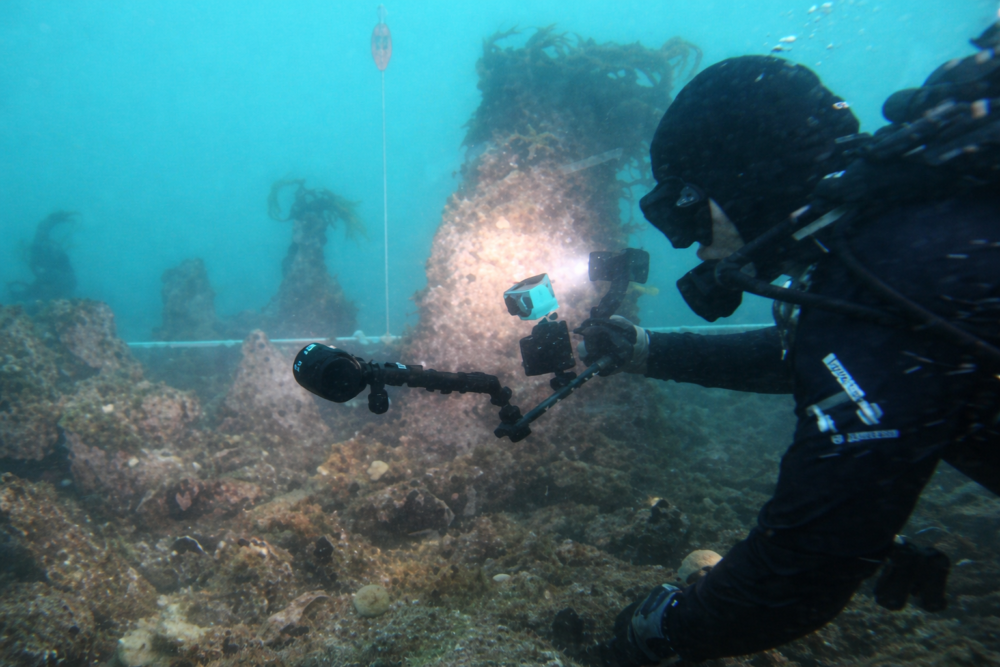
Off the Finistère coast of Brittany, divers surveying a submerged plateau near the Bay of Audierne ran into something that feels wrong in the best way: a straight, human-made stone wall hiding under the waves for thousands of years.
It lies roughly 9 meters down today, but it was assembled when sea levels were far lower and the shoreline sat much farther out, turning this spot into walkable ground.
Dating work places it around 5800–5300 BCE, older than many famous megaliths on land, and its scale has researchers arguing over whether it was protection, a trap, or something we have not named yet.