A Strange “Third State” Between Life and Death Is Forcing Scientists to Rethink Consciousness

This in-between state challenges long-held ideas about where life truly begins and ends.

©Image license via Canva

Scientists are beginning to explore what some describe as a “third state” that exists between life and death, where cells remain active even after the body has stopped functioning. Research has shown that certain genes and cellular processes continue for hours, or even days, after death.

Some experts suggest this liminal phase could hold clues about consciousness and how life is defined at the cellular level. While highly debated, these findings challenge traditional views of where life ends—and hint at mysteries science is only beginning to uncover.


Read more

Is Waking Up at 5 a.m. Actually a Bad Idea?

Sleep science suggests early mornings don’t work the same way for everyone.

©Image license via Canva

Waking up at 5 a.m. has become trendy in productivity culture, but sleep and health experts say that early alarm isn’t a one-size-fits-all shortcut to a better day. Your body clock, known as your circadian rhythm, regulates sleep and wakefulness based on light exposure and genetics, and it doesn’t run the same for everyone.

Most adults are neither natural early birds nor perfectly matched to a pre-sunrise routine, so forcing a 5 a.m. start can lead to grogginess, lower performance, and even health problems when sleep is lost or mistimed.

Instead of fixating on a specific hour, experts recommend aligning your wake-up time with your biological rhythm, keeping it consistent each day, and making sure you actually get enough sleep.

Read more

These 11 Things We Take for Granted May Not Last 5 More Years

Why the routines and systems we rely on every day may be far more fragile than they seem.

©Image license via Canva

Life feels stable because change often happens quietly. Technologies improve in the background, systems adapt without notice, and familiar routines continue, until suddenly they don’t. What once seemed permanent can shift faster than most people expect.

Experts across technology, economics, and urban planning warn that many everyday features of modern life are approaching major transitions. These shifts aren’t always dramatic, but they can reshape habits, access, and expectations in subtle yet lasting ways.

Understanding what may soon change helps explain why the future can feel unsettling even when nothing seems wrong today.

Read more

Why Saving for Retirement May Not Matter in 20 Years, According to Elon Musk

How AI, automation, and abundance could upend everything people have planned for retirement.

©Image license via CreativeCommons.org

Retirement planning used to be simple: save, invest, then slow down. But Elon Musk says that within 10 to 20 years, saving for retirement could feel pointless because AI, robots, and cheap energy may create abundance.

On the Moonshots podcast with Peter Diamandis, Musk imagined “universal high income,” where healthcare, education, and goods become widely accessible. It sounds comforting, but it also raises a harder question: what happens in the messy years in between?

This gallery looks at what Musk claims, what other tech leaders and economists debate, and what it could mean for people over 40 making real decisions right now.

Read more

If a Beaver Is Destroying Your Yard, Here’s What Actually Works

How to protect your property while staying legal and humane.

©Image license via Canva

Seeing a beaver in your yard can feel surprising at first, then stressful very quickly. What starts as a fallen tree or soggy patch of grass can turn into flooding, chewed landscaping, and blocked drainage in a matter of days.

Beavers aren’t being destructive out of spite. They’re doing exactly what evolution designed them to do: slow water, build shelter, and create ponds. Unfortunately, those instincts don’t mix well with lawns, culverts, or backyard streams.

The key is responding early and calmly. There are effective ways to reduce damage, protect your property, and stay on the right side of wildlife laws without making the situation worse.

Read more

Wild Monkeys Are Roaming St. Louis Streets, and Officials Don’t Know Where They Came From

Authorities search for answers as sightings spread across neighborhoods.

©Image license via Planet Sage/Chat GPT

Seeing a loose dog is one thing. Seeing a monkey on a fence is something else entirely. That’s the situation some St. Louis residents found themselves in when reports of monkeys roaming neighborhoods began circulating in recent days.

What initially sounded like a prank quickly turned serious as multiple sightings were confirmed. City officials and animal control acknowledged the animals were real and likely exotic, not native wildlife.

As authorities work to locate and safely capture them, the situation has raised questions about public safety, animal welfare, and how something this unusual could happen in the first place.

Read more

A Hidden Chamber Sealed for 40,000 Years Just Revealed New Neanderthal Clues

What archaeologists found inside offers rare insight into the final days of Neanderthals.

©Image license via Flickr/Visit Gibraltar – Visitgibraltar.gi

Archaeologists have opened a cave chamber that had been sealed for around 40,000 years, revealing a space untouched since Neanderthals lived along Europe’s southern coast. The chamber lies within Vanguard Cave, part of the well-known Gorham’s Cave Complex on the edge of what is now the Mediterranean.

When Neanderthals used this site, the landscape looked very different. Sea levels were lower, the coastline extended farther out, and the caves formed part of a rich coastal environment that supported long-term human occupation.

The newly opened chamber offers something rare in archaeology: a nearly pristine snapshot of daily life near the end of the Neanderthals’ existence, preserved beneath layers of sand and sediment.

Read more

How Scientists Think Mars Could Be Made Fit for Humans

What researchers think would need to change before humans could live there.

©Image license via Canva

Mars is the most explored planet in our solar system after Earth, yet it remains one of the most hostile places humans could try to live.

Its air is incredibly thin, temperatures plunge far below freezing, and the surface is exposed to intense radiation because the planet lost its protective magnetic field long ago. Terraforming Mars, meaning altering its environment to make it more Earth-like, has moved from pure science fiction into serious scientific discussion.

Researchers now debate whether warming the planet, thickening its atmosphere, or changing its chemistry could one day make human life possible. Even the most optimistic scientists agree this would not be quick or easy.

Read more

A Major Burger Chain Is Closing Locations Faster Than Expected

What shrinking foot traffic and rising costs reveal about fast food right now.

©Image license via Canva NeedPix.com

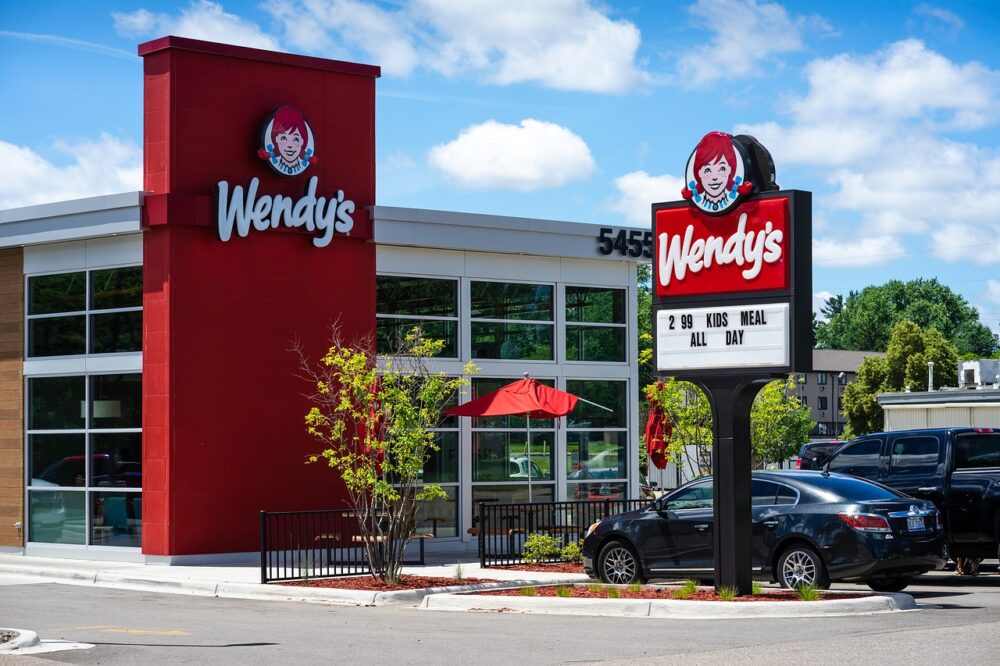
Wendy’s isn’t disappearing, but it is shrinking in ways customers are starting to notice. Stores that once felt permanent are going dark, sometimes with little warning beyond a paper sign on the door. That makes the closures feel sudden, even when they’ve been planned.

Behind the scenes, the company has been reviewing older, lower-volume locations that no longer fit how fast food works today. Rising labor costs, slower foot traffic, and outdated layouts all play a role.

The closures point to a bigger shift across fast food. Customers are more selective, speed matters more than ever, and stores in the wrong place or built for another era are struggling to keep up.

Read more

Scientists Have Noticed These 10 Experiences People Report at the Moment of Death

Researchers say these shared experiences appear across cultures, ages, and medical settings.

©Image license via Canva

Near-death experiences often reveal a range of vivid sensations and perceptions occurring at the moment of death. These phenomena include seeing lights, feeling peace, or sensing loved ones, with explanations rooted in neurological activity.

The neuropsychology unit at the University of Southampton reports that such experiences reflect complex brain processes rather than purely supernatural events.

Understanding these reports helps clarify the interplay between consciousness and brain function as life ends, highlighting both biological and psychological factors involved.

Read more