The Quiet Cues That Tell Animals Whether Humans Are a Threat

Wildlife researchers say animals read movement, posture, and attention to decide whether to flee, freeze, or approach.

©Image license via Planet Sage/Chat GPT

Animals rarely react to humans at random. Long before a growl, charge, or retreat, wildlife is quietly assessing what kind of presence a person represents. Researchers who study animal behavior say these decisions often happen in seconds, based on subtle cues most people don’t realize they’re sending.

Understanding how animals interpret human movement, posture, and behavior helps explain why some encounters escalate while others pass without incident. These signals don’t guarantee safety, but they often influence whether an animal decides to flee, freeze, observe — or feel threatened.

Read more

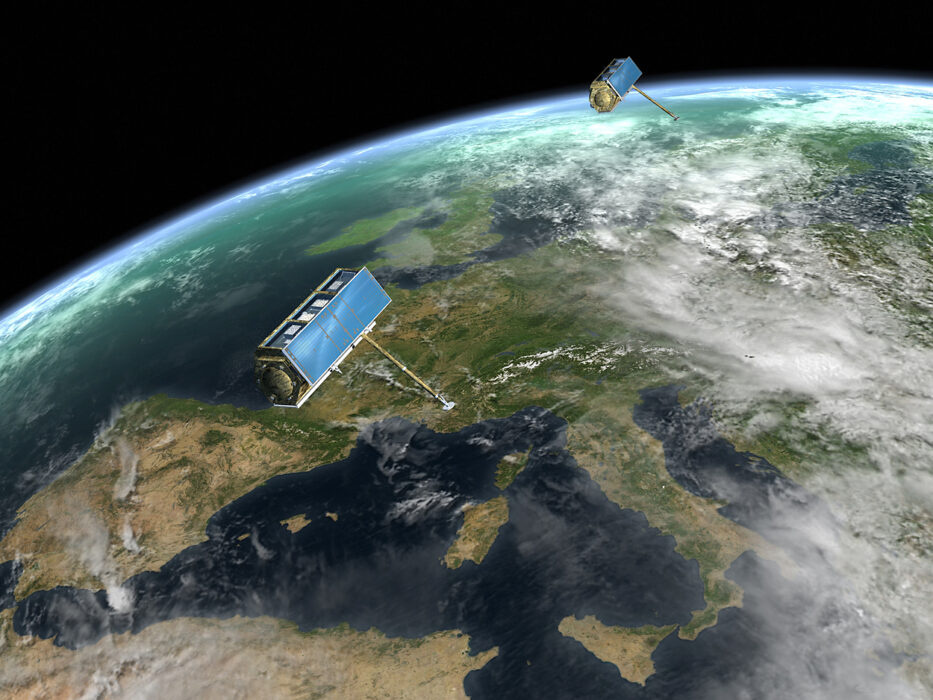
Satellites Can Now See Things You Probably Assume Are Private

Advancing satellite technology can capture astonishing detail from orbit, while privacy laws struggle to keep pace.

©Image license via Canva

Satellites once meant grainy photos and broad weather patterns. Today, that picture has changed dramatically. Modern Earth-observing satellites can capture extremely detailed imagery, track movement over time, and detect subtle changes on the planet’s surface with remarkable precision. What used to feel distant and abstract now feels much closer to daily life.

Scientists say much of what satellites can do is misunderstood — some abilities are exaggerated, while others are underestimated. As the technology advances faster than laws and public awareness, questions about privacy, oversight, and how this data is used are becoming harder to ignore.

Read more

Ancient Gold Older Than Egyptian Pyramids Found in a Grave That Defies Expectations

Archaeologists say the ancient gold reveals early social hierarchy and power in Copper Age Europe.

©Image license via Planet Sage/Chat GPT

The Varna Chalcolithic Necropolis on Bulgaria’s Black Sea coast has yielded some of the oldest gold objects ever discovered, dating back to around the 5th millennium BC. Buried more than 7,000 years ago, these finely worked gold items predate the pyramids of Egypt and challenge long-held ideas about when humans first began using precious metals.

Because the graves there were part of an elaborate prehistoric cemetery rather than isolated burials, the finds offer rare insight into social hierarchy, ritual practice, and emerging craftsmanship in Europe during the Copper Age.

Read more

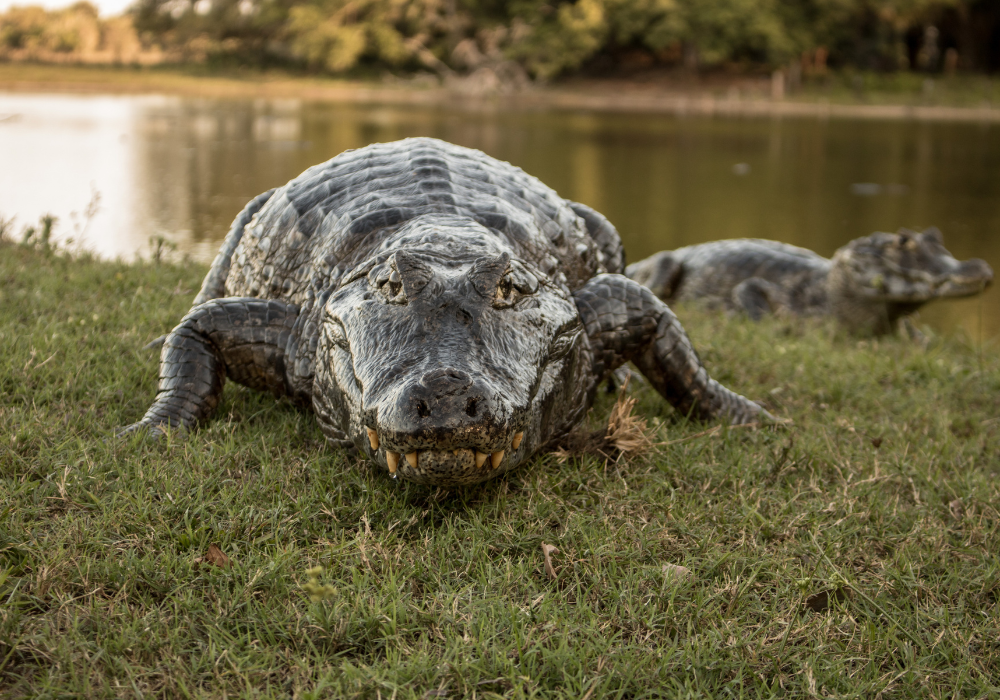
Alligators Are Faster Than You Think — Here’s How to Protect Your Pets

Wildlife experts say simple precautions can dramatically reduce the risk for pets living near alligator habitats.

©Image license via Canva

Living near lakes, canals, ponds, or wetlands means sharing space with wildlife — and in many parts of the U.S., that includes alligators. While serious encounters with people are rare, wildlife officials consistently report that pets face a much higher level of risk. Their size, movement, and curiosity can unintentionally trigger a gator’s natural hunting instincts, especially near water.

The good news is that most pet-related incidents are preventable. Understanding how alligators behave, when they’re most active, and how everyday habits increase risk can help pet owners make small changes that significantly improve safety without giving up outdoor routines.

Read more

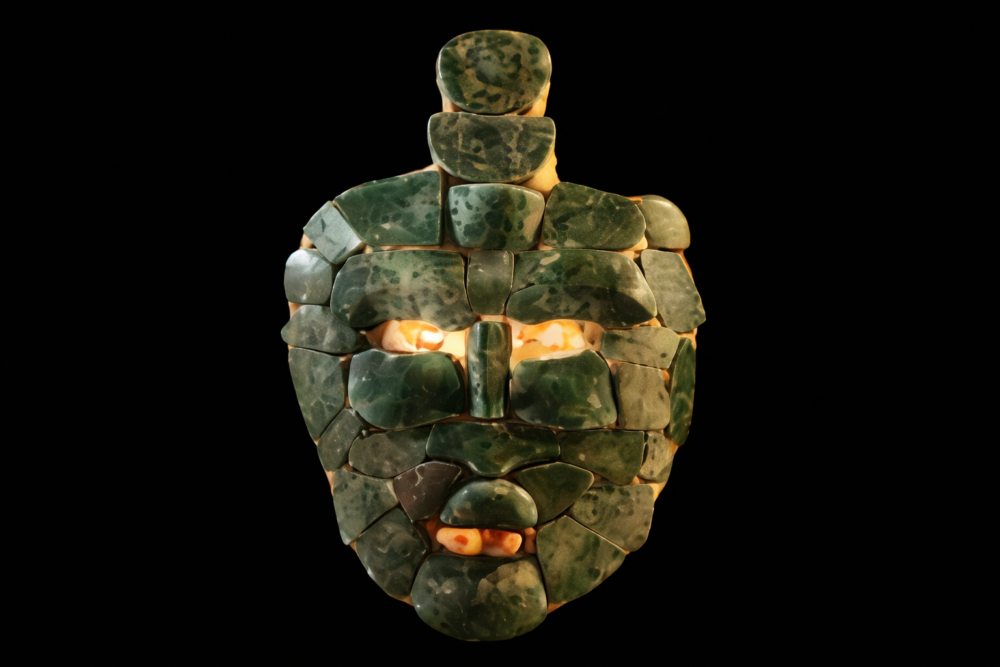
The Green Treasure Hidden Inside an Undisturbed Maya King’s Tomb

Archaeologists say the vivid green artifacts offer rare insight into Maya royalty, power, and burial rituals.

©Image license via Planet Sage/Chat GPT

An undisturbed Maya king’s tomb uncovered in Belize is giving archaeologists an unusually clear glimpse into ancient royal power. Sealed for more than a thousand years, the burial chamber contained vivid green jade artifacts placed carefully around the ruler’s remains. Because the tomb was never looted, researchers can study the objects exactly as they were arranged at the time of burial.

The discovery is significant not just for its beauty, but for what it reveals about Maya beliefs, political authority, and the symbolic power of jade — a material more valued than gold in the ancient Maya world.

Read more

What Would Happen to Earth If Humans Suddenly Disappeared?

Scientists say nature would begin reclaiming cities, ecosystems would shift, and the planet would start changing faster than expected.

©Image license via Canva

The moment humans disappear, the Earth wouldn’t fall apart—it would finally have room to breathe. Skyscrapers would start crumbling, highways would crack, and forests would creep back into the spaces we spent centuries carving out. Without us patching up roads and repairing power grids, cities would flicker out and slowly collapse, their steel and concrete no match for time and the elements. Within decades, vines would strangle abandoned buildings, animals would reclaim the land, and the wild world we pushed to the edges would take center stage again.

For all our influence, the planet never belonged to us. Without factories spewing pollution and machines stripping the land, rivers would flush themselves clean, the air would turn clear, and ecosystems would reset like we were never here at all. Civilization may have reshaped the Earth for a while, but nature always plays the long game—and without us, it wouldn’t take long for it to win.

Read more

Feeling Emotionally Flooded? Science Says These 10 Techniques Can Help Fast

Your brain is in overdrive—here’s how to bring it back to balance.

©Image license via iStock

Emotions sometimes hit like a tidal wave causing rational thinking to fly out the window. Your heart races, breathing quickens, and suddenly, everything feels overwhelming. This state—known as emotional flooding—happens when the brain’s stress response hijacks your ability to think clearly. It’s not just in your head; it’s a full-body reaction, triggering cortisol spikes and nervous system dysregulation.

Fortunately, there are ways to regain control faster than most people realize. Science-backed techniques can help interrupt the stress response and bring the nervous system back to baseline. From breathwork to sensory grounding, these methods work with the body’s natural processes to shift out of fight-or-flight mode. Whether dealing with anxiety, anger, or sheer overwhelm, these strategies provide rapid relief, restoring clarity and balance.

Read more

Think You’re Not a Hoarder? These 11 Subtle Signs May Surprise You

Beneath the surface lies a gradual shift in our relationship with possessions.

©Image license via Canva

Ever notice how stuff just seems to accumulate without you really realizing it? That’s how hoarding tendencies often sneak up on people. It’s not like the shocking scenes you see on TV shows. For most folks, it begins innocently—hanging onto keepsakes, saving items “just in case,” or putting off tough decisions about what to toss.

The boundary between being a collector and sliding into hoarding gets fuzzy when you become emotionally attached to your things and can’t think clearly about them. Most people with hoarding tendencies don’t see themselves that way at all. They think, “I’m just sentimental” or “I’m being thrifty.” Catching these early warning signs can stop things from snowballing into something that messes with your safety, relationships, and mental health.

Read more

What Mindfulness Really Does to the Brain, and Why It Matters for Happiness

Mindfulness isn’t just calming, it reshapes your brain for lasting happiness.

©Image license via Canva

Happiness isn’t just a fleeting emotion; it’s a skill you can train your brain to develop. Mindfulness, the practice of focusing on the present moment without judgment, has been scientifically proven to rewire the brain’s neural pathways and foster greater emotional resilience. Studies show that consistent mindfulness practices can shrink the brain’s stress centers while strengthening areas tied to joy, empathy, and focus.

While it might sound like a lofty goal, incorporating mindfulness into daily routines doesn’t require hours of meditation or expensive retreats. Small, science-backed techniques can make a significant difference in boosting your mental well-being. These methods not only help reduce anxiety and improve focus but also create long-term changes in how your brain processes emotions. Here are the most effective mindfulness tricks supported by research to help you build a happier, more balanced life.

Read more

Anxiety Isn’t Always Just Mental: 10 Nutrient Deficiencies Experts Watch

Researchers say certain nutrient gaps may quietly influence mood, stress response, and anxiety symptoms.

©Image license via Shutterstock

Anxiety is often thought of as a purely psychological condition, a result of stress, trauma, or chemical imbalances in the brain. But emerging research suggests that the roots of anxiety may also lie in the body—specifically, in what we eat (or don’t eat). Nutrient deficiencies, often overlooked in mainstream mental health discussions, can subtly exacerbate feelings of worry, panic, and unease.

For those grappling with anxiety, addressing diet might be just as crucial as therapy or medication. From magnesium and iron to vitamin D, essential nutrients play a powerful role in regulating mood, supporting brain health, and maintaining the body’s stress response. Let’s go over 10 key deficiencies that could be influencing your mental health—and how small dietary changes might bring much-needed relief.

Read more