A 3,000-Year-Old Structure Mentioned in the Bible Has Been Identified

Researchers say the ancient moat reshapes what we know about Jerusalem’s defenses during the First Temple period.

©Image license via Planet Sage/ChatGPT

A massive stone-cut feature hidden beneath Jerusalem’s City of David is reshaping how archaeologists understand the ancient city’s defenses. Long debated in scholarly circles, the structure matches descriptions of a deep moat referenced in biblical texts and dates to around 3,000 years ago, during the First Temple period.

New excavations and careful reanalysis suggest this wasn’t a minor trench, but a major engineered barrier designed to protect the city’s core. The finding helps clarify how Jerusalem was fortified — and how its leaders used landscape and construction to control movement, access, and security.

Read more

Scientists Uncover 90+ Strange Ancient Species From 512 Million Years Ago

Fossils from a half-billion years ago reveal an unexpectedly rich ecosystem packed with bizarre early life forms.

©Image license via Planet Sage/Chat GPT

A remarkable fossil site dating back about 512 million years is giving scientists an unusually detailed look at life during one of Earth’s most important evolutionary chapters. Researchers have identified around 90 previously unknown species preserved alongside dozens of already known ones, all locked in extraordinary detail.

The fossils capture soft tissues that are rarely preserved, revealing how early animals moved, fed, and interacted. Together, the finds paint a vivid picture of a thriving marine ecosystem that existed shortly after a major evolutionary burst — and challenge long-held assumptions about early animal life.

Read more

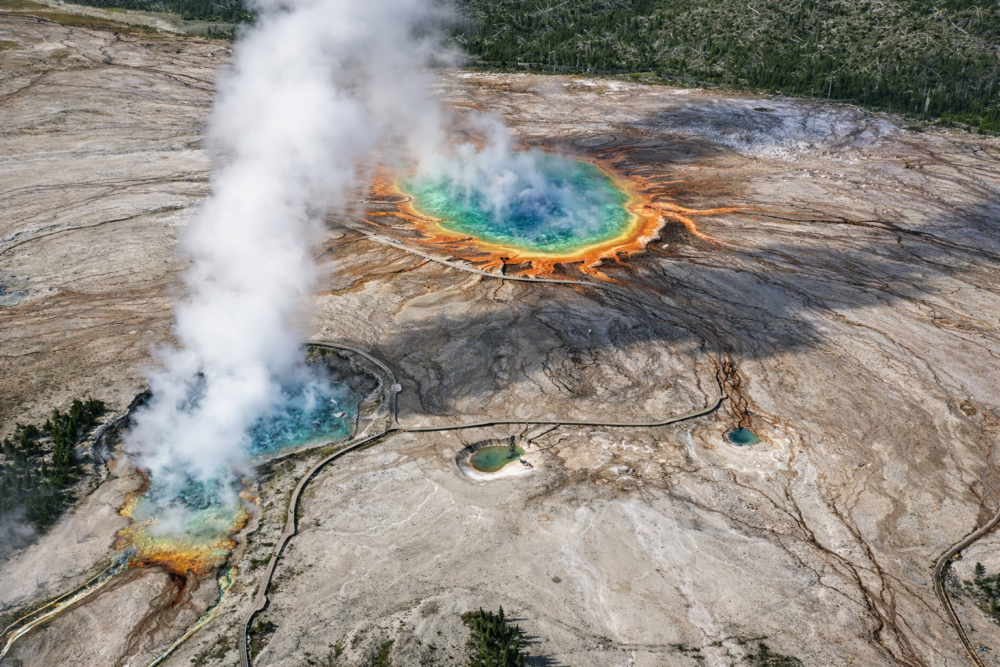
Yellowstone Scientists Say a Chicago-Sized Rise in Ground Is Growing — but It’s Normal

Scientists say the slow-moving ground change is normal, but it’s revealing new clues about what’s happening beneath Yellowstone.

©Image license via Planet Sage/Chat GPT

A slow but measurable change beneath Yellowstone is drawing fresh attention from scientists who closely track the volcanic system. Researchers have detected a broad area of ground uplift — roughly the size of Chicago — that has been gradually rising over time. While the movement is subtle, it’s large enough to stand out in satellite and GPS data.

Experts stress this kind of swelling isn’t unusual for Yellowstone. Still, each new shift offers valuable clues about how heat, fluids, and magma move beneath one of the most closely watched volcanic regions on Earth.

Read more

One of the Largest Gold Deposits in Modern History Has Been Identified

Geologists say advanced analysis confirms the deposit’s scale, marking a rare find in modern mineral research.

©Image license via Planet Sage/Chat GPT

A team of geologists in China says it has mapped a “supergiant” gold system deep beneath the Wangu gold field in Hunan Province. Early drilling reportedly traced dozens of gold-bearing veins more than a mile underground, with models suggesting the resource could be far larger than first estimates.

If confirmed, it would rank among the biggest gold deposits described in recent scientific and technical reports. But size claims hinge on follow-up drilling and independent verification.

Either way, the find is a reminder that big discoveries can still happen — especially when modern imaging, core sampling, and 3D modeling are combined.

Read more

Why Experts Are Warning About New Coyote Behavior in Cities

Wildlife experts say increased sightings and bolder behavior signal a shift city residents should understand and prepare for.

©Image license via Canva

Coyotes have long lived on the edges of cities, but wildlife experts say something about their behavior is starting to change. In neighborhoods where sightings were once rare, residents are now spotting coyotes more often — sometimes in broad daylight, sometimes closer to homes and pets than expected.

Researchers stress this doesn’t mean coyotes are suddenly becoming aggressive, but it does signal a shift in how they’re adapting to urban life. Understanding what’s driving this change — and how people should respond — can help reduce fear, protect pets, and keep encounters from turning into problems for either side.

Read more

Why Gen Z Is Prioritizing Experiences Over Owning More Things

A generation shaped by uncertainty is prioritizing memories over material goods.

©Image license via Canva

For decades, success was often measured by the size of one’s house, the flashiness of a car, or the latest designer handbag. But for Gen Z, the youngest generation coming of age today, the markers of achievement are shifting. Rather than accumulating material possessions, they’re placing greater value on experiences—travel, creative pursuits, and meaningful connections—over things.

It reflects deeper cultural changes, shaped by economic challenges, climate anxiety, and the rise of digital minimalism. Growing up in a world marked by financial instability and constant technological distraction, Gen Z is redefining what it means to live a fulfilling life. Here’s why this generation is more focused on making memories than buying more stuff.

Read more

How the Healthiest People in the World Start Their Mornings

The world’s healthiest people start their mornings with purpose, not autopilot.

©Image license via Canva

What you do in the first hour of your day can shape everything that follows. While many people rush through their mornings, hitting snooze, grabbing caffeine, and reacting to notifications, the healthiest individuals take a different approach. Their mornings aren’t about scrambling to catch up—they’re about setting a foundation for better energy, focus, and overall well-being.

These rituals aren’t complicated or time-consuming, but they are intentional. Science backs many of them, showing that small, consistent habits can improve metabolism, mental clarity, and even longevity. Instead of extreme wellness trends, the world’s healthiest people stick to simple yet powerful choices—hydrating before coffee, moving before sitting, and focusing on their mindset before checking their phones.

None of these habits require perfection or expensive tools, just a willingness to approach mornings with purpose rather than autopilot. Here’s what the healthiest people do before the rest of the world even hits snooze.

Read more

Why More People Are Turning to Micro-Retreats Instead of Long Vacations

Escape, recharge, repeat; how short getaways can transform your well-being.

©Image license via iStock

When the modern world spins faster than your calendar can handle, finding peace doesn’t have to mean booking a week-long retreat to a distant mountain. Micro-retreats—short, intentional pauses designed to reset your nervous system—are emerging as the accessible antidote to our constantly connected lives. These bite-sized sanctuaries can be as simple as a 20-minute nature walk or as structured as a two-hour digital detox, but their impact on our mental landscape can be profound.

Unlike traditional vacations that often come with their own stressors (planning, expense, and post-trip email mountains), micro-retreats fit seamlessly into regular life, creating sustainable rhythms of restoration that actually stick. Regular small doses of genuine downtime can be effective at rewiring stress responses compared to occasional extended breaks, much like how a daily light rain nurtures a garden better than a monthly downpour.

Read more

10 Items People Buy Every Day That Carry a Hidden Environmental Cost

These common purchases are environmental troublemakers in disguise—here’s what to buy instead.

©Image license via iStock

We all want to make better choices for the environment, but sometimes the most harmful products slip right into our shopping carts without raising any red flags. Even those of us who dutifully separate our recycling and carry reusable bags can fall prey to clever marketing that disguises environmental troublemakers as innocent everyday items. The truth is, many products we use daily have environmental footprints that would make our eco-conscious selves gasp if we could actually see them.

The good news? Once you know what to look for, these planet-straining purchases become much easier to spot and swap out. Small changes in our buying habits can add up to significant positive impacts when multiplied across millions of households. Consider this your friendly heads-up about some common purchases that might be undermining your environmental good intentions—and the simple switches that can help align your shopping cart with your values.

Read more

Why Gen Z Is Rejecting McMansions, According to Housing Trends

The great generational reset in housing preferences is transforming real estate.

©Image license via Canva

Those 3,500-square-foot suburban palaces with three-car garages that once symbolized peak American achievement now elicit eye rolls from the generation coming of age. As boomers downsize, many discover their sprawling dream homes lack appeal to the sustainability-minded, experience-hungry generation entering the housing market.

The McMansion has become the architectural equivalent of a gas-guzzling Hummer in an era of electric vehicles. Gen Z’s vision of home centers on flexibility, community, minimal environmental impact, and leaving room in their lives for what truly energizes them: authentic connections and passport stamps, not property taxes and lawn care.

Read more