Why “Comfort Foods” Actually Calm the Brain

Certain familiar foods don’t just taste good. They trigger calming responses deep in the brain.

©Image license via Canva

When people reach for comfort food, it’s often dismissed as emotional eating or a lack of willpower. But the urge isn’t random. The brain is wired to associate certain tastes, textures, and smells with safety, relief, and care.

Science shows that some foods can genuinely quiet stress signals and activate reward pathways. They influence hormones, memory, and the nervous system in ways that help the body settle down.

Understanding why comfort foods work doesn’t mean eating without limits. It means recognizing how biology, memory, and emotion combine to create a powerful sense of calm.


Read more

Scientists Are Rethinking One of Earth’s Oldest Geological Assumptions

New evidence suggests Earth’s crust is far more dynamic and responsive than scientists once believed.

©Image license via Planet Sage/Chat GPT

For generations, geology taught that Earth’s surface changes slowly, almost imperceptibly, over immense spans of time. Mountains rose, continents drifted, and landscapes shifted at a pace far removed from daily life. It was a comforting idea that placed humanity far outside Earth’s deeper rhythms.

But recent discoveries are forcing scientists to reconsider that view. From satellite measurements to deep-earth imaging, researchers are finding signs that the planet responds more quickly—and more dramatically—to forces we’re only beginning to understand.

If confirmed, these findings could reshape how we think about earthquakes, land stability, and even the ground beneath our feet.

Read more

Why Some Places Are Cooling Even as the Planet Warms

Cooling trends in certain regions are revealing how complex Earth’s climate system really is.

©Image license via Canva

Most people hear about global warming and picture temperatures rising everywhere at once. But climate doesn’t work that neatly. While the planet as a whole is warming, some regions are actually experiencing cooler conditions, at least for now.

These pockets of cooling can feel confusing, especially when they’re used to question climate science. In reality, they help scientists better understand how oceans, air currents, ice, and land interact.

Looking at where cooling is happening—and why—shows how global warming can create very different local outcomes.

Read more

If You Notice Fewer Birds in Your Area, This May Be Why

Bird populations are shifting in subtle ways that often go unnoticed until they’re suddenly gone.

Countryside fence, yellow songbird, perched on rusty barbed wire, soft daylight, editorial travel photo, no people.
©Image license via Canva

If your neighborhood feels quieter than it used to, you’re not imagining things. Many people are noticing fewer birds at feeders, in parks, and even during early morning hours. What feels like a small local change is often part of a much bigger pattern.

Birds are highly sensitive to their surroundings. Changes in climate, food sources, and human activity affect them quickly, sometimes before people realize anything has shifted.

Understanding why birds disappear from certain areas helps explain what’s happening in the environment—and what those changes may signal next.

Read more

Archaeologists Found Evidence Humans Arrived Earlier Than We Were Taught

New discoveries suggest early humans reached key regions thousands of years sooner than once believed.

©Image license via Canva

For decades, history books taught fairly clear timelines for when humans spread across the globe. The story felt settled, with neat dates marking when people first arrived in different regions. Those timelines shaped how we understood survival, migration, and early innovation.

But archaeologists keep finding evidence that doesn’t fit the old schedule. New tools, footprints, and campsites are being dated far earlier than expected, forcing researchers to revisit long-held assumptions.

Together, these discoveries suggest humans were more adaptable, mobile, and resilient than we once thought—and that our shared story started earlier than we were taught.

Read more

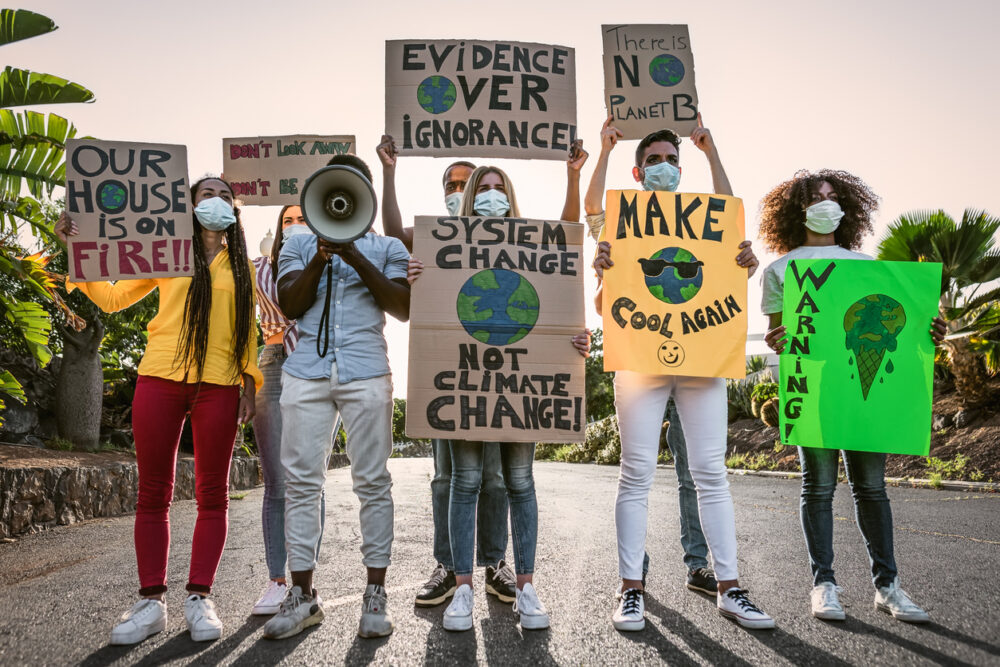
Why Young Climate Activists Are Burning Out Faster Than Ever

The ecological grief pandemic silently sweeping through a generation.

©Image license via iStock

They were once the unstoppable force—school-striking teenagers chaining themselves to corporate doors, twenty-somethings abandoning career paths for climate advocacy. Yet across environmental circles, a troubling pattern emerges: passionate activists quietly disappearing from the frontlines.

Behind this retreat isn’t just ordinary burnout, but something emerging research in climate psychology identifies as more profound: paralyzing existential dread born from the cognitive dissonance between scientific understanding and societal inaction. These young activists aren’t simply tired—they’re grief-stricken, carrying the emotional burden of witnessing ecological collapse while society continues its carbon-fueled party. Their silence isn’t surrender; it’s the psychological toll of seeing too clearly a reality most still deny.

Read more

These Climate-Friendly Choices Are Tearing Some Families Apart

The generational climate clash is bigger than you think.

It’s one thing to argue about music or career choices, but climate change? That’s a whole other battlefield. Younger generations see the climate crisis as a code-red emergency. Their parents, however, often view it as just another issue on an already crowded plate. The divide isn’t just about whether climate change is real—most people (outside of a dwindling few) agree it’s happening. The real friction lies in the solutions.

From the foods we eat to the cars we drive, climate action is riddled with choices that spark family debates at the dinner table. Some parents swear by recycling, while their kids side-eye the weekly Costco-sized plastic haul. One generation might be open to cutting back on meat, while the other refuses to part with their steak dinners. These ideological clashes don’t just shape personal choices—they influence policies, economies, and the planet’s future.

Read more

12 Tech Breakthroughs That Could Help Save the Planet and Daily Life as We Know It

Radical innovation offers hope for a planet in peril.

©Image license via iStock

We’re in a strange place in history—both the cause of a planetary crisis and, maybe, the ones who can fix it. It’s easy to get lost in an endless doom-scroll of climate disasters, but there’s another side to the story. While the problems are huge, so are the breakthroughs happening right now. Scientists, startups, and even major industries are coming up with game-changing tech that could completely transform how we interact with the planet.

It’s kind of mind-blowing—humanity has figured out how to mess with the atmosphere, but we still can’t seem to agree on how to stop. And yet, the same creativity that got us into this mess might just get us out. Carbon-capturing concrete, fusion energy, and other radical solutions aren’t just band-aids; they could actually reverse some of the damage. This isn’t blind faith in technology—there’s still a long road ahead—but these innovations give us something we desperately need: real hope for a future that’s worth fighting for.

Read more

The Health Effects of Climate Change Are Already Showing Up in Everyday Life

Experts warn the effects are already touching daily life, often in ways people overlook.

©Image license via Canva

The climate emergency lurking behind your seasonal allergies isn’t waiting for some distant future—it’s already moved in. While we’ve been debating carbon taxes and electric vehicles, our bodies have been adapting to a rapidly changing environment.

The connections between planetary health and human wellbeing run deeper than most medical textbooks acknowledge, creating a silent health emergency that’s touching everything from our lungs to our mental health. What makes this crisis insidious is how it hides in plain sight, masquerading as familiar ailments with unfamiliar intensity.

Read more

Why Letting Go of Stuff Can Feel Like a Weight Lifting Off Your Mind

Owning less isn’t about sacrifice, it’s about making space for what actually matters.

©Image license via Canva

Clutter isn’t just a mess in your home, it’s a mess in your mind. When every surface is covered, every drawer is overflowing, and every closet is crammed, it’s no wonder stress and anxiety levels skyrocket. Studies show that too much physical clutter can overload the brain, making it harder to focus, relax, or feel in control. But living more simply isn’t just about clearing space—it’s about clearing mental fog, reducing decision fatigue, and making life feel lighter.

Whether it’s letting go of impulse buys, sentimental clutter, or the fear of “what if,” shedding unnecessary possessions can have a powerful effect on mental well-being. It’s not about deprivation but about choosing what actually adds value to your life. Here’s how simplifying your space, routines, and mindset can create a calmer, clearer, and happier version of you.

Read more