Scientists Found a Cold Earth-Like Planet 146 Light-Years Away That Might Be Habitable

Astronomers say a distant world called HD 137010 b could sit on the edge of habitability despite its icy temperatures.

©Image license via Planet Sage/Chat GPT

When people picture a potentially habitable planet, they imagine something warm and comfortably orbiting a star like our Sun. But researchers studying HD 137010 b are challenging that assumption in an intriguing way.

Located about 146 light-years from Earth, this exoplanet candidate appears to orbit a cooler, dimmer K-type star. It’s roughly Earth-sized and completes one orbit in about 355 days.

Although its estimated surface temperature is far colder than Earth’s, scientists say its position near the outer edge of the habitable zone means liquid water might still be possible under the right atmospheric conditions.
Read more

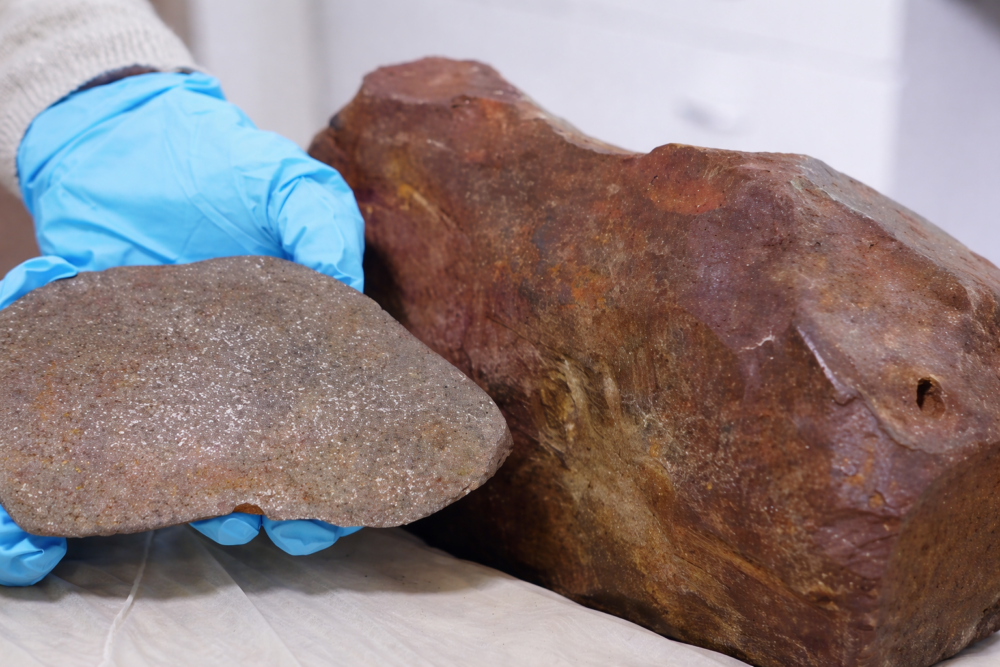
A Man Thought This Rock Was Gold, But It Hid a 4.6 Billion-Year-Old Secret

He thought he’d found gold in the Australian bush. Instead, he was holding a relic from the birth of the solar system.

©Image license via Planet Sage/Chat GPT

In 2015, David Hole was exploring Maryborough Regional Park in regional Victoria, Australia, carrying a metal detector through an area famous for historic gold discoveries. Prospectors have searched that land for more than a century, and large nuggets have been found there before.

When Hole uncovered a heavy reddish rock buried in yellow clay, he assumed he’d found something valuable. It looked dense, unusual, and promising.

For years, he tried to break it open. What he didn’t know was that the stubborn rock wasn’t hiding gold at all. It was a 4.6-billion-year-old meteorite.

Read more

Archaeologists Found a 2,000-Year-Old Love Note Etched Into a Wall in Pompeii

Faint Latin words scratched into a Pompeii wall reveal a surprisingly tender message from 2,000 years ago.

©Image license via Planet Sage/Chat GPT

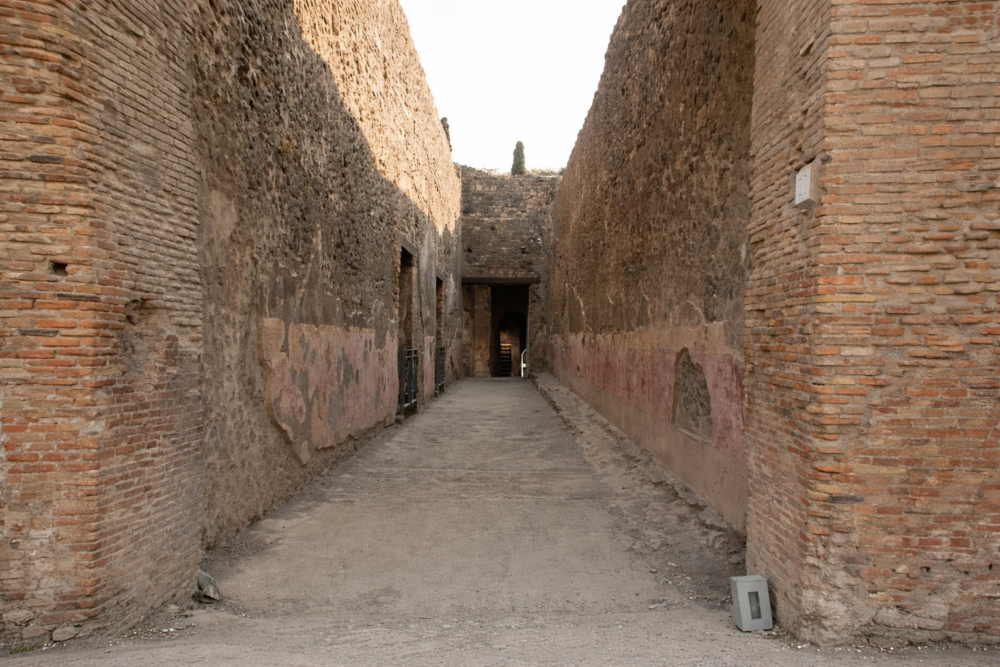
Pompeii is often remembered for tragedy—the eruption of Mount Vesuvius in 79 CE that buried an entire city in ash. But beneath the dramatic story of destruction lies something quieter: the preserved details of ordinary human life.

Recently, archaeologists identified traces of what appears to be a 2,000-year-old love note etched into a wall in the ancient city. The inscription is subtle, worn, and easy to miss.

Yet its discovery adds another deeply human layer to Pompeii’s story—proof that even in a bustling Roman city, someone once paused long enough to carve their feelings into stone.

Read more

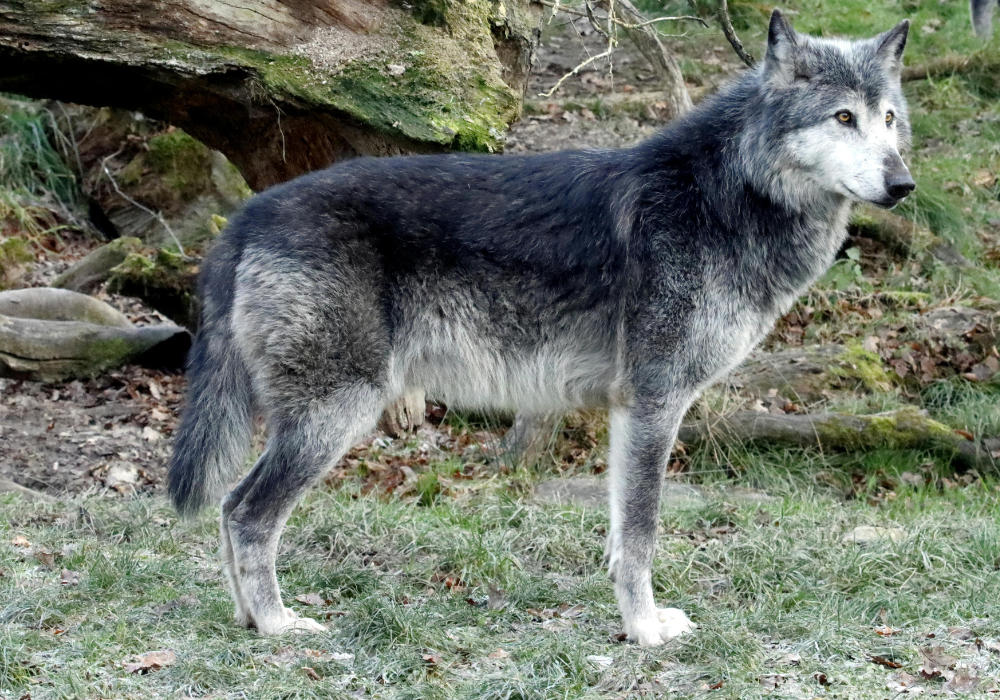
A Gray Wolf Has Returned to Los Angeles County for the First Time in a Century

A lone gray wolf’s unexpected visit signals a new chapter in California’s wildlife recovery.

©Image license via Canva

For more than 100 years, gray wolves were absent from Los Angeles County. Their disappearance was part of a broader pattern across the American West, where predators were hunted out of many regions.

That’s why a recent confirmed sighting of a gray wolf in the county is drawing so much attention. Wildlife officials say it marks the first documented appearance there in a century.

The moment isn’t just about one animal. It reflects decades of conservation work and hints at how wildlife corridors and protected populations are slowly reshaping the landscape.

Read more

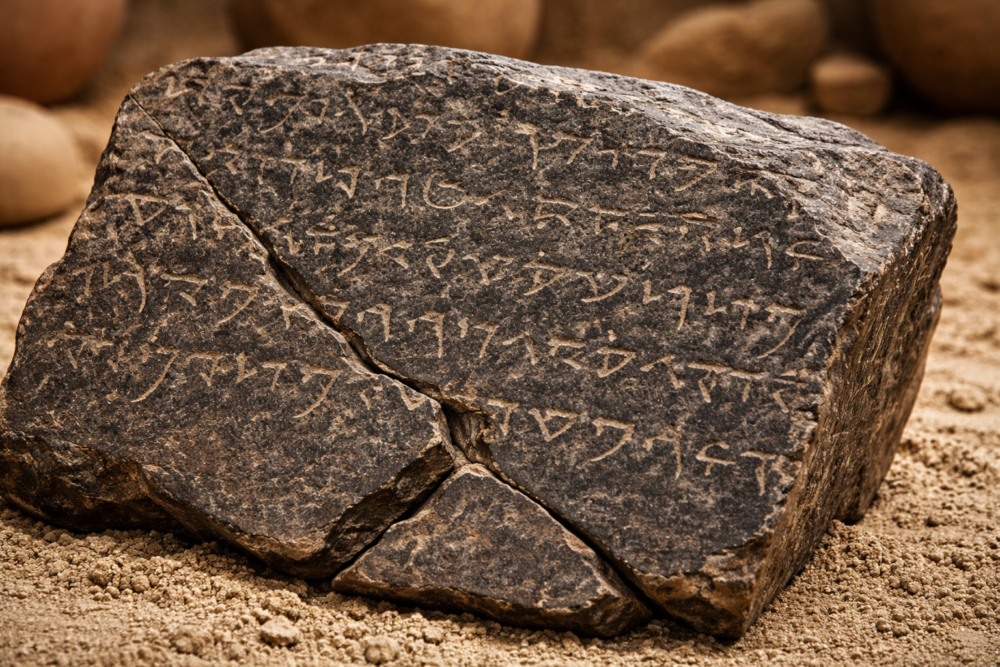
An Ancient Inscription May Contain the Earliest Reference to the “House of David”

A 9th-century BCE stone stele could preserve the earliest known reference to David’s dynasty.

©Image license via Planet Sage/Chat GPT

For centuries, King David has stood at the center of biblical history as a warrior, poet, ruler. For many believers, his story feels foundational. Yet outside the pages of scripture, historians have long searched for physical evidence that his dynasty truly existed.

Then a shattered stone fragment surfaced in northern Israel. Carved nearly 3,000 years ago, it contains a phrase many scholars believe refers to the “House of David.” If that reading is correct, it could be the earliest known mention of his royal line beyond the Bible, and it’s reshaping the debate over ancient Judah’s past.

Read more

What More Time Outside Actually Does to Your Brain

Nature changes your brain in ways you never expected.

©Image license via iStock

Modern life has pulled people away from green spaces, replacing fresh air with screen time and outdoor exploration with endless to-do lists. But stepping into a natural environment isn’t just a break from routine—it’s a biological reset that transforms cognitive function.

Immersion in outdoor settings reduces tension, enhances creativity, and sharpens focus. Scientists are uncovering remarkable links between time spent outdoors and psychological well-being, showing that the human mind was never meant to thrive in confined spaces.

From reducing anxiety to improving problem-solving skills, the benefits of reconnecting with the outdoors are both immediate and long-lasting. Whether it’s a walk through a park or an afternoon surrounded by trees, being in open spaces leads to measurable improvements in mood and overall mental clarity. These discoveries highlight one undeniable truth: stepping outside isn’t just refreshing—it’s essential for optimal brain function.

Read more

10 Ancient Practices That Help People Feel Reconnected to the Earth

Simple, ancient rituals can restore a sense of grounding, meaning, and connection many people feel modern life has lost.

Dimly lit room, woman meditating, two candles glowing on table, soft warm light, editorial travel photo, one person.
©Image license via Canva

Our ancestors were environmental virtuosos who mastered sustainable living without a single infographic to guide them. While we’re tapping away on carbon footprint calculators, traditional societies kept the planet thriving for thousands of years without a single slick TED Talk or Instagram story.

These weren’t weekend warriors posting about sustainability; they lived it daily through practices that nourished both human communities and the earth through countless generations. These earth-friendly approaches don’t require expensive gadgets or subscriptions, just your willingness to try methods that worked long before “eco-anxiety” became a trending topic.

Read more

These 13 Climate Impacts Are Reshaping America’s Most Beloved Parks

Rising temperatures, shifting ecosystems, and extreme weather are quietly transforming the parks millions love to visit.

©Image license via Canva

America’s national parks have always felt like a sure bet for reconnecting with nature, capturing perfect photos, and forgetting about reality for a while. But climate change is quickly turning these beloved landscapes into messy versions of their former selves. Suddenly, the spots we’ve cherished for family vacations or bucket-list adventures are becoming harder to recognize, transformed by relentless heat, wildfires, and devastating floods.

We tend to imagine national parks as timeless and untouchable, but climate change doesn’t care about boundaries. The reality is that these cherished outdoor spaces are incredibly vulnerable, shifting faster than most of us realize. Without action, the beautiful, inspiring places that millions visit each year might soon feel less like treasured escapes and more like stark reminders of what climate change can steal from us.

Read more

These 10 Species Have Disappeared Since 2020, and Scientists Are Paying Attention

Scientists have warned us for decades, but we are still wiping out species.

©Image license via Canva

Extinction isn’t just a thing of the past—it’s happening right now, and it’s happening fast. We’re in the middle of the sixth mass extinction, except this time, there’s no asteroid or ice age to blame. It’s us. Deforestation, climate change, pollution, and overfishing are wiping out species at an alarming rate, and some have already disappeared before most people even knew they existed.

Since 2020, scientists have officially declared multiple species extinct, each loss a red flag for the state of our planet. These weren’t obscure creatures with no impact—many played crucial roles in their ecosystems. Their absence is more than a sad statistic; it’s a warning that nature is unraveling, and if we don’t act, humans might not be far behind.

Read more

If You’re Thinking About Moving, These 11 Cities Are Better Prepared for Climate Risks

As climate risks shift, some cities are better positioned for stability, resilience, and long-term livability than others.

©Image license via Canva

With the planet throwing more tantrums than ever—floods, wildfires, heatwaves—you might be wondering if your city is still the right place to be. Maybe hurricanes weren’t part of your five-year plan. Maybe you’d rather not live somewhere that turns into an oven every summer. Climate resilience is the new real estate goldmine, and some cities are way ahead of the curve.

These 11 places aren’t just thinking about sustainability; they’re actually built to handle the wild weather ahead. No, they’re not utopias, but if you’re looking for a place where you won’t have to kayak to work or ration water like it’s the apocalypse, these spots deserve a closer look.

Read more