
7,000-year-old mummies reveal a previously unknown branch of humanity
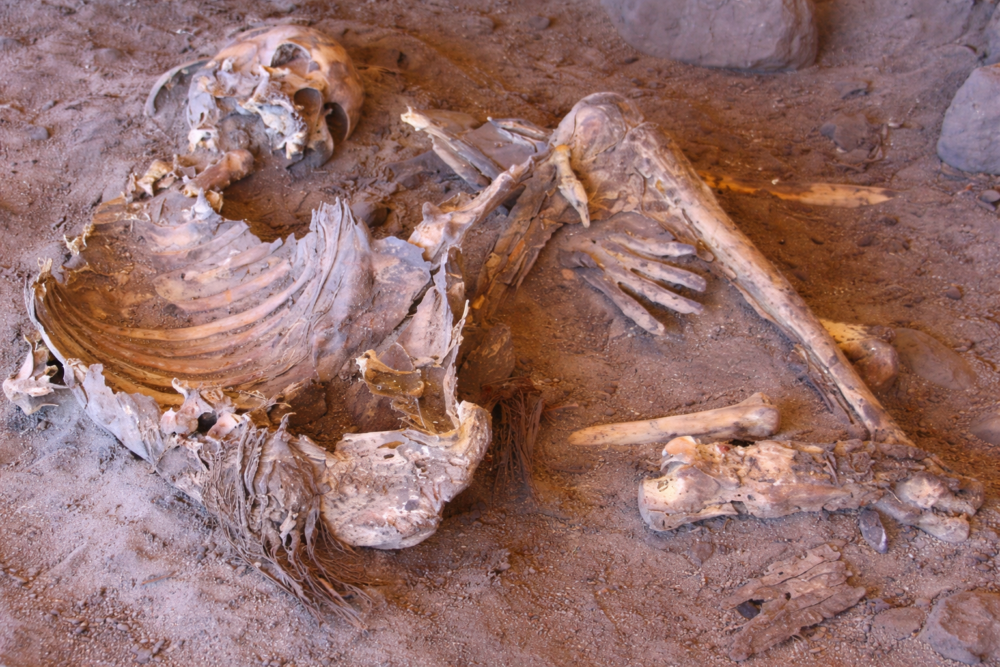
For thousands of years, the Sahara was a thriving landscape of grasslands, lakes, and human communities long before it became the desert we know today.
Now, scientists have sequenced the genomes of two naturally preserved female mummies from southwestern Libya, and their DNA tells a surprising story. Instead of matching any modern human population, these ancient herders belonged to a previously unknown North African lineage that appears to have been isolated for tens of thousands of years.
Their genetic signatures shed new light on how early humans lived, moved, and interacted during the so-called Green Sahara period, and they suggest that cultural practices like herding may have spread through ideas rather than mass migrations.
1. A Green Sahara, Not a Desert
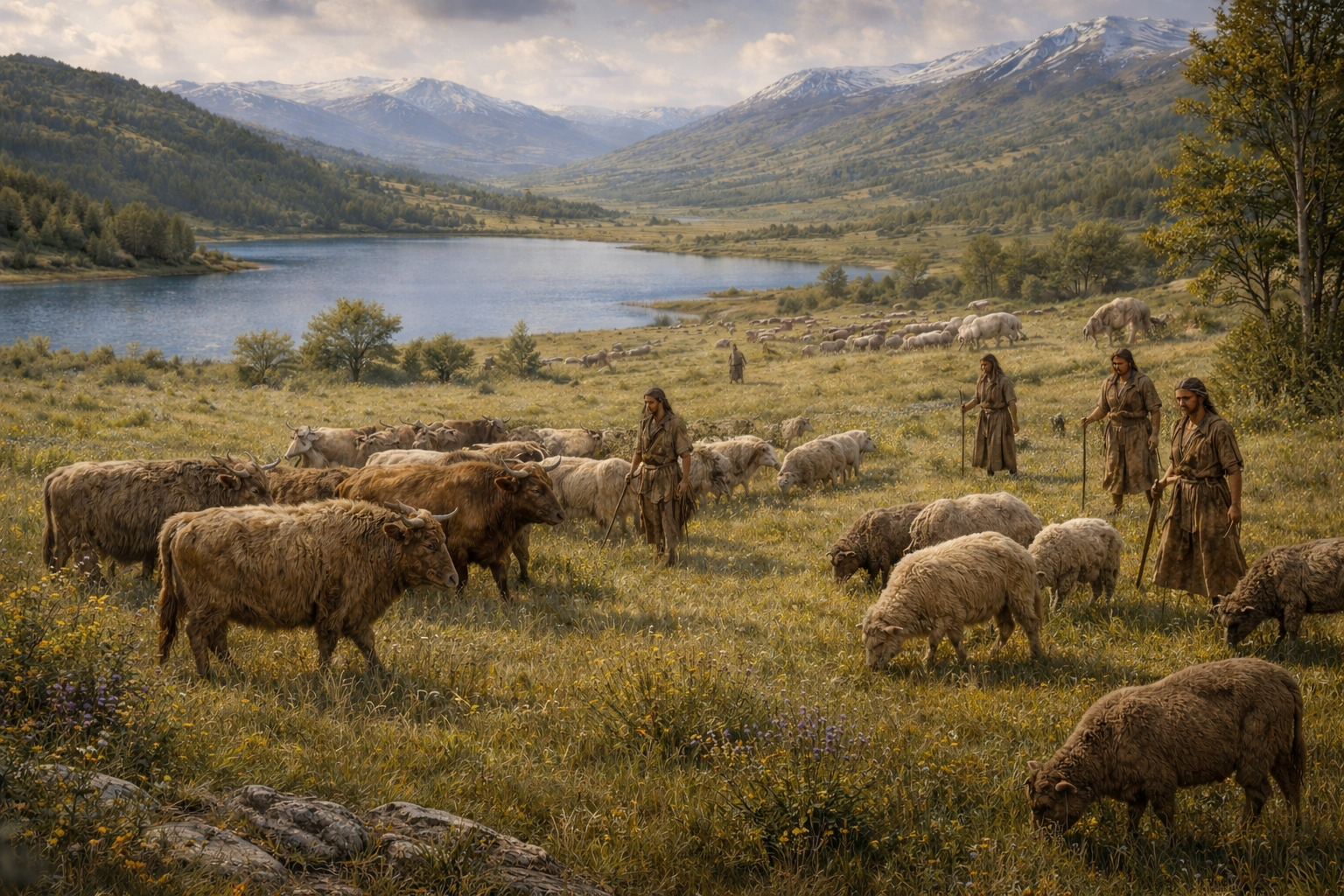
About 14,800 to 5,500 years ago, the Sahara wasn’t the vast sea of sand it is today. During the African Humid Period, the region was a lush savanna dotted with lakes, rivers, and abundant wildlife, making it hospitable to human life.
It was in this greener world that ancient herders lived, hunted, and raised livestock. Their remains were hidden in what is now southwestern Libya, preserved naturally by dry conditions and sheltered rock formations.
2. The Takarkori Rock Shelter Reveals Its Secrets
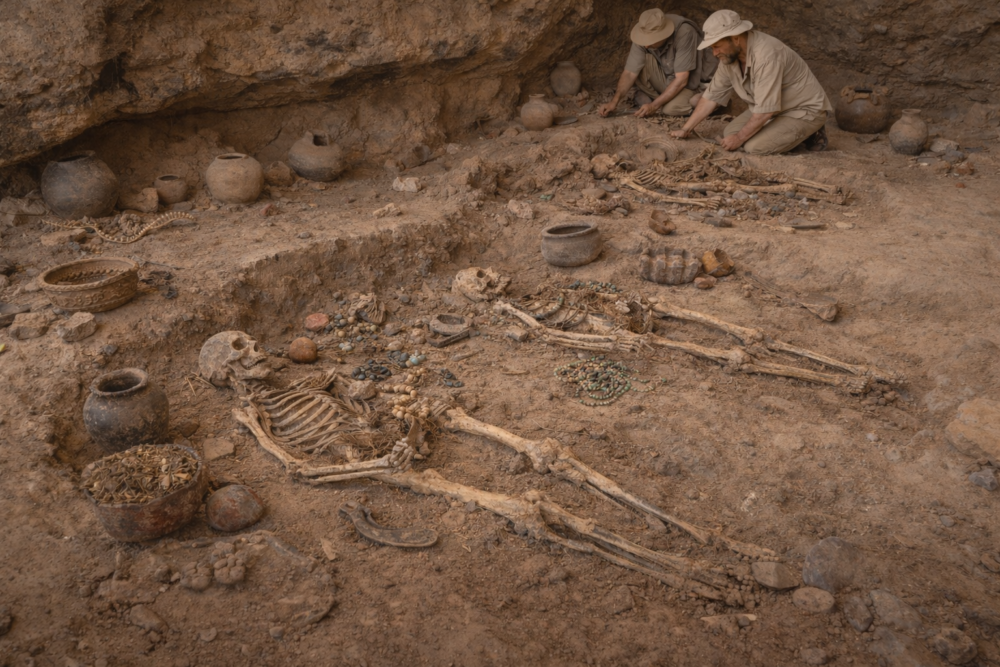
Excavations at the Takarkori rock shelter uncovered evidence of early pastoral communities, including the remains of two women buried about 7,000 years ago. The protected environment allowed enough DNA to survive for full genome sequencing.
This made the site especially valuable, since genetic material rarely preserves well in hot regions. The discovery opened a rare window into ancient human populations in North Africa.
3. A Lineage Unknown in Modern People
When researchers analyzed the genomes, they found that the mummies did not closely match any living human population. Instead, they belonged to an ancient North African lineage that split from other groups tens of thousands of years earlier.
This suggests the existence of a long-isolated population that remained genetically distinct, forming what scientists sometimes call a “ghost” lineage in human history.
4. Links to Ancient Foragers in Northwest Africa
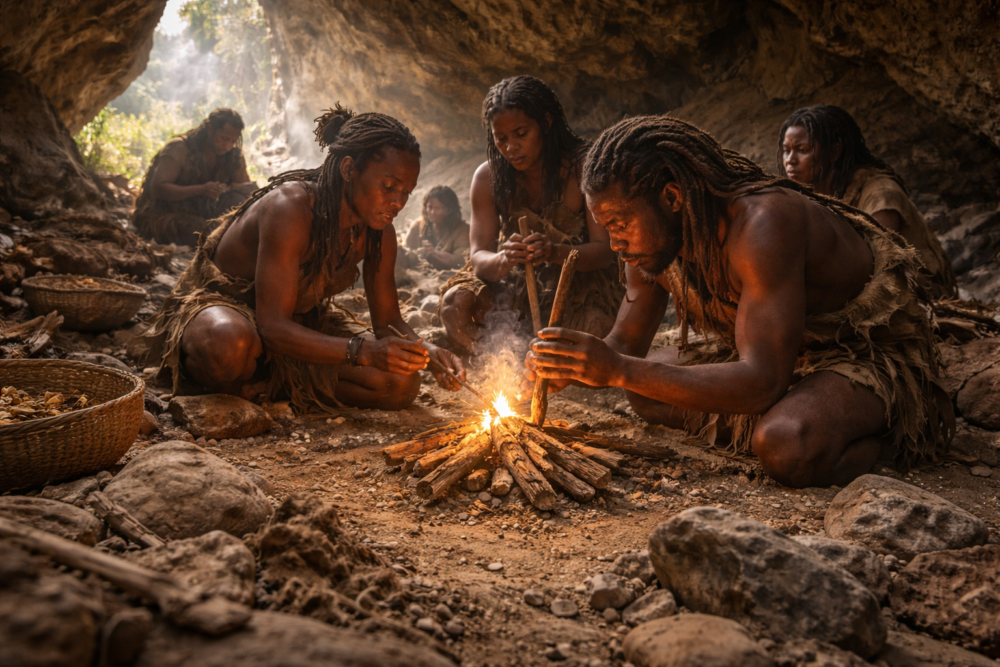
The Saharan herders share deep genetic ties with hunter-gatherers who lived in northwest Africa around 15,000 years ago. Both groups appear to descend from a common ancestral population.
At the same time, they remain genetically distant from sub-Saharan African populations, highlighting how diverse and structured early human populations in North Africa once were.
5. Unexpected Neanderthal Ancestry
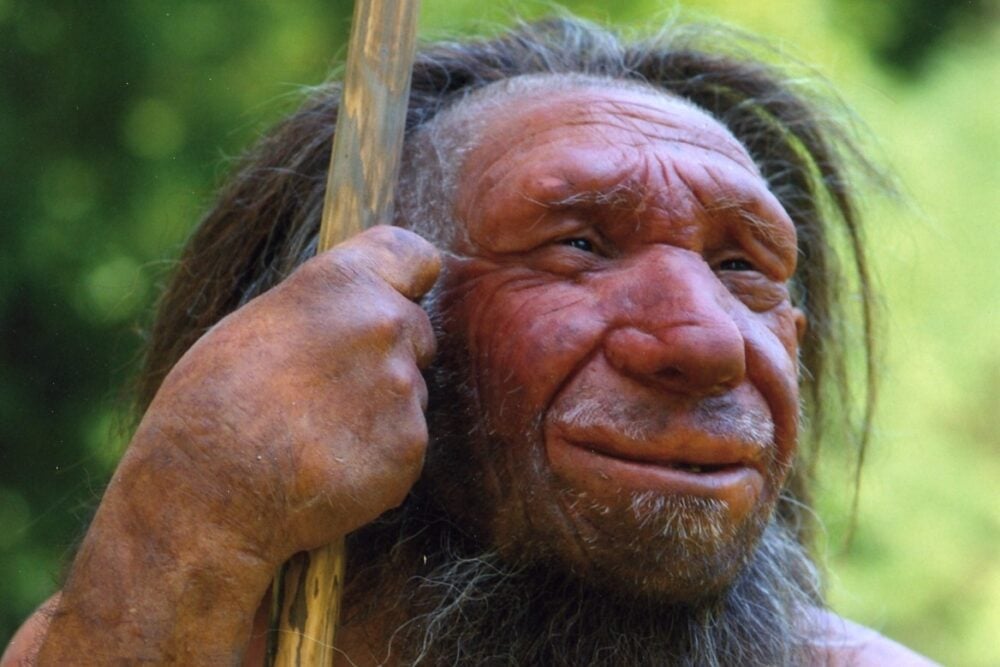
Despite their long isolation, the Saharan herders carried small amounts of Neanderthal DNA. The levels were lower than those typically found in people outside Africa today, but higher than in sub-Saharan African groups of the same era.
This suggests ancient contact with populations that had already mixed with Neanderthals, long before the Saharan lineage became isolated.
6. Isolation Alongside Cultural Exchange
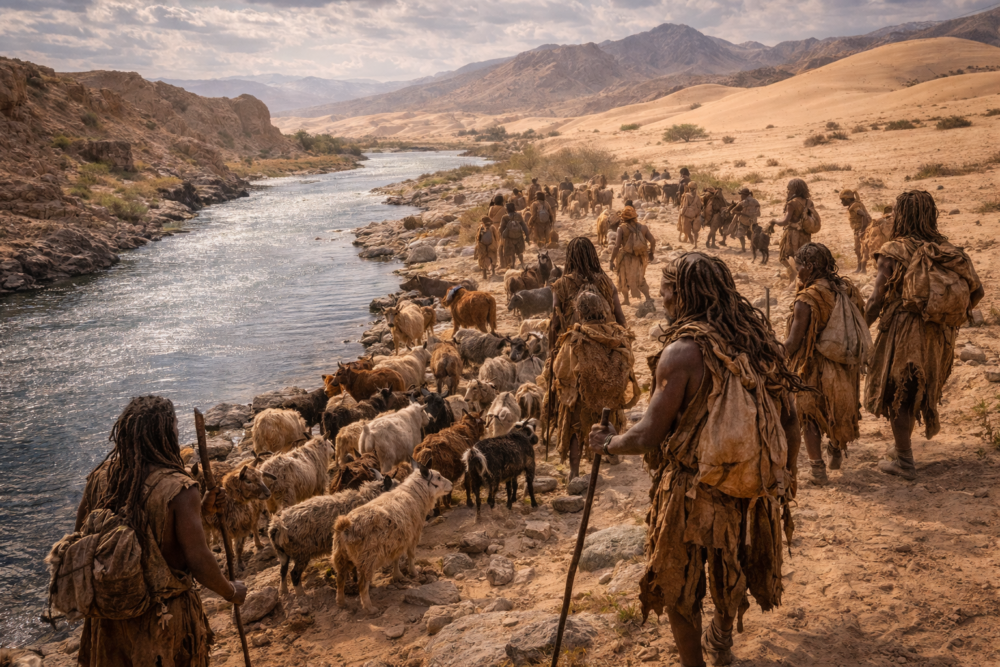
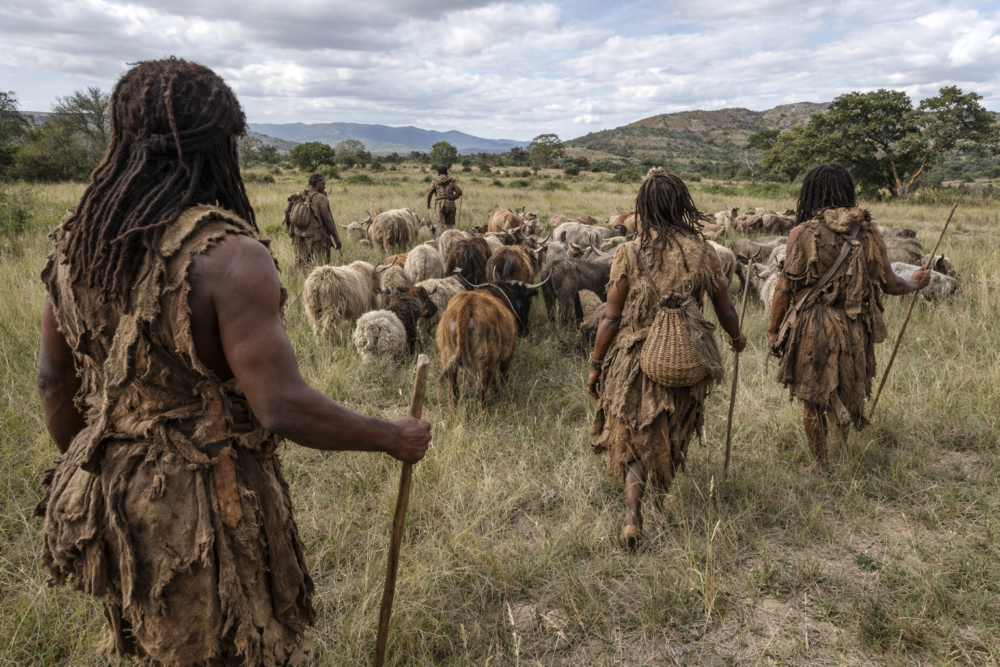
Genetically, these people were distinct, but culturally they were not cut off. They practiced pastoralism, raising livestock and adapting to their environment.
Evidence suggests that herding techniques spread through cultural exchange rather than large-scale migration. In other words, ideas traveled even when genes did not.
7. How Geography Helped Create Isolation

Even during the Green Sahara period, the landscape was complex, with lakes, wetlands, and varied terrain that could separate communities.
These natural barriers likely limited interaction between groups, allowing some populations to remain isolated for thousands of years while still living relatively close to others.
8. Rethinking African Prehistory
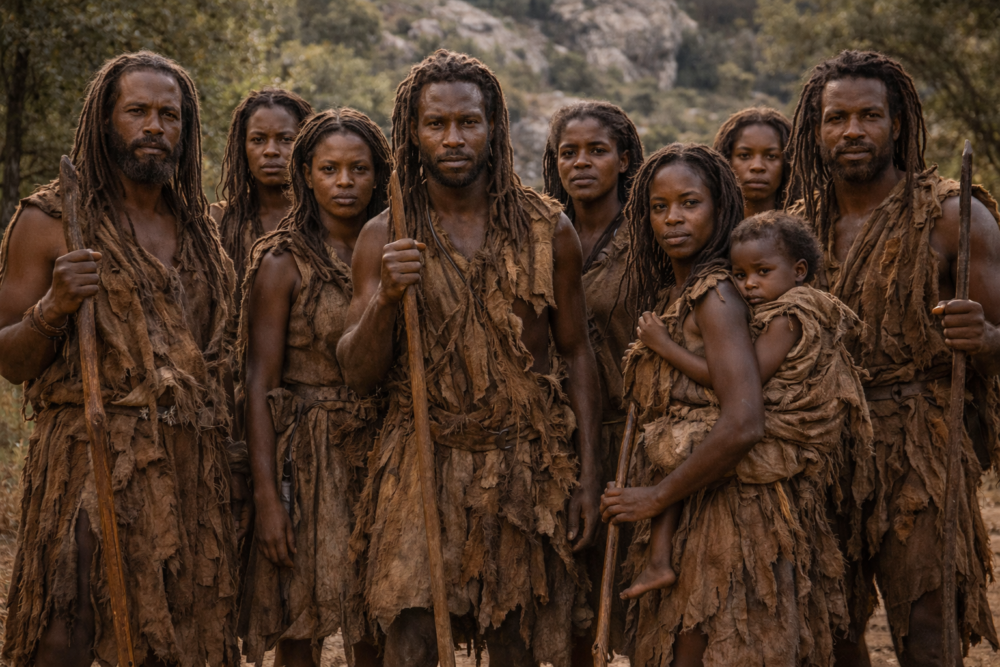
The discovery underscores how complex Africa’s human past really is. Instead of a single story of movement and mixing, the continent hosted many deeply divergent populations.
Recognizing these lost lineages helps refine models of how humans adapted, interacted, and spread technologies across regions.
9. When the Sahara Changed Again
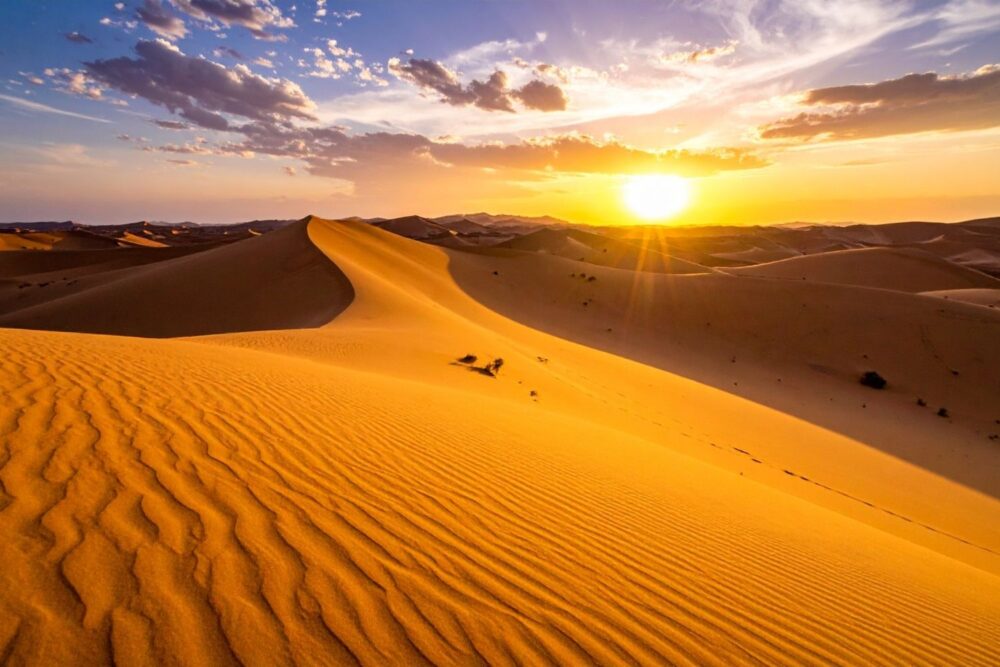
Around 5,500 years ago, climate shifts ended the African Humid Period. The Sahara gradually transformed into the arid desert familiar today.
As water sources disappeared, many populations migrated or vanished. Isolated groups like the Takarkori lineage faded from the archaeological record, leaving only genetic traces behind.
10. A New Chapter in Human Evolution
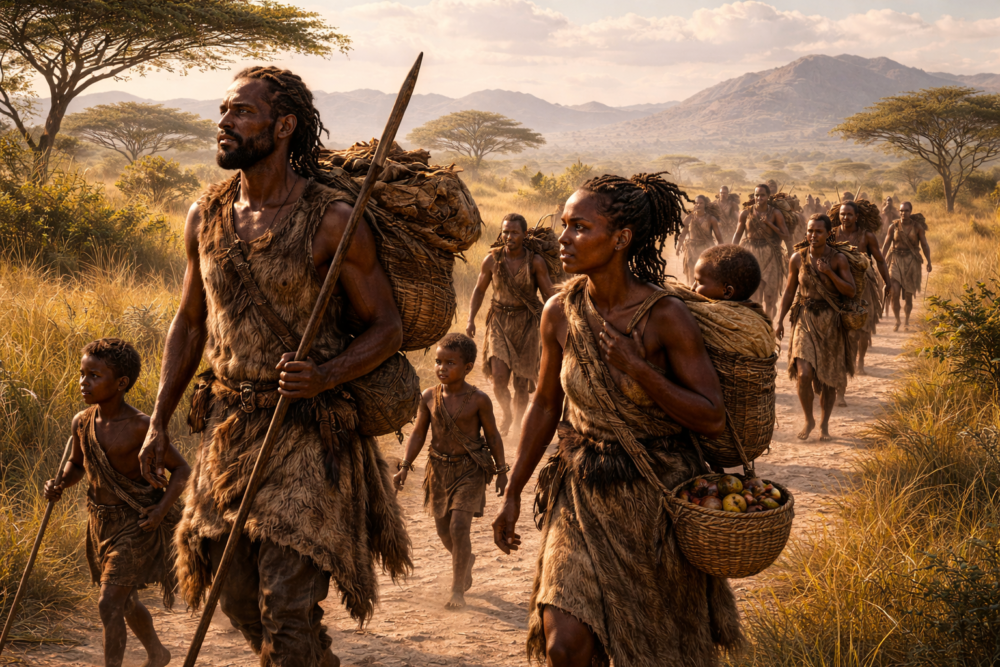
These ancient genomes add depth to our understanding of human evolution. They show that modern diversity was shaped not only by well-known migrations, but also by long-lived, isolated populations.
Buried beneath sand and time, the Green Sahara preserved a chapter of human history that is only now coming into focus.