
Researchers are seeing meaningful progress after decades of setbacks.

A baldness “cure” isn’t a single solution. Hair loss happens for different reasons, and most people asking this question are talking about pattern hair loss, where follicles gradually shrink but often remain alive for years. That distinction matters, because living follicles can sometimes be reactivated.
For decades, treatment options barely changed. Most therapies focused on slowing loss rather than restoring growth. That’s why recent research aimed at waking up dormant follicles has generated renewed optimism.
At UCLA, researchers behind a topical compound now developed by Pelage Pharmaceuticals have reported encouraging early trial results, suggesting hair loss science may finally be entering a new phase.
1. What “baldness” usually means medically

Most long-term hair thinning is androgenetic alopecia, commonly called male or female pattern hair loss. It’s driven by genetics and sensitivity to hormones that cause follicles to miniaturize over time.
Other forms of hair loss, such as alopecia areata, thyroid-related shedding, or nutritional deficiencies, involve different mechanisms and treatments. Identifying the correct cause is essential, because treatments that help one type may do nothing for another.
2. Why current treatments don’t feel like cures

The most widely used medications today focus on slowing progression or partially reversing miniaturization. Minoxidil extends the growth phase of hair, while finasteride reduces levels of a hormone linked to follicle shrinkage.
These treatments can work, but they require ongoing use and don’t restore follicles to their original state. That’s why researchers continue searching for therapies that change follicle behavior rather than just delaying loss.
3. The importance of dormant follicles
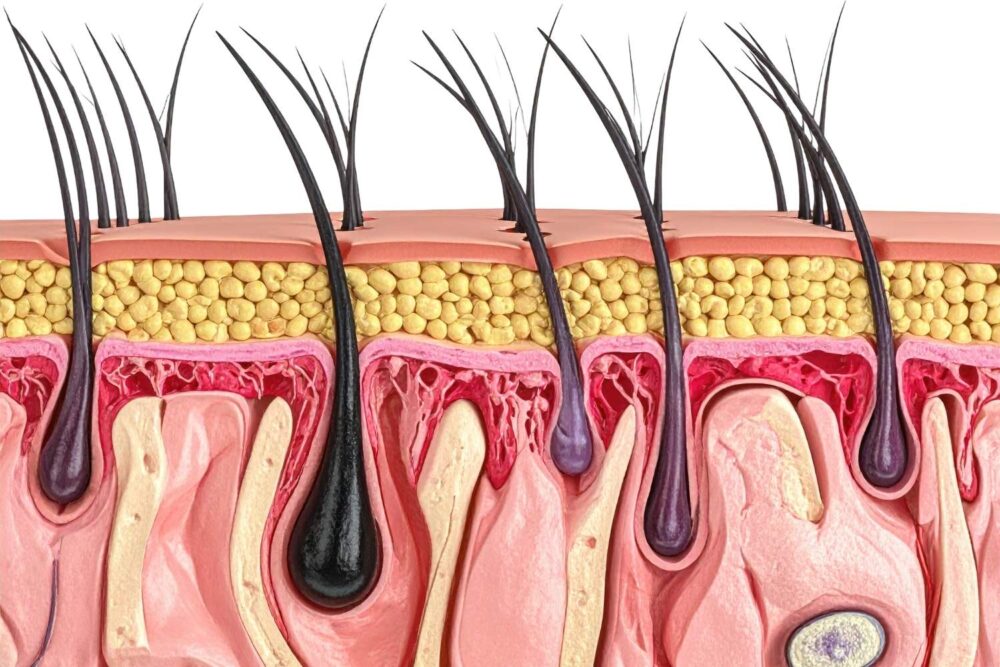
A major insight in recent years is that many follicles in pattern baldness are not dead. Instead, they remain present but inactive, producing thinner and shorter hair.
If scientists can safely reawaken these follicles, regrowth becomes possible. This idea has shifted research away from surface-level solutions and toward the biology of hair follicle stem cells.
4. Why stem cell research is promising but slow
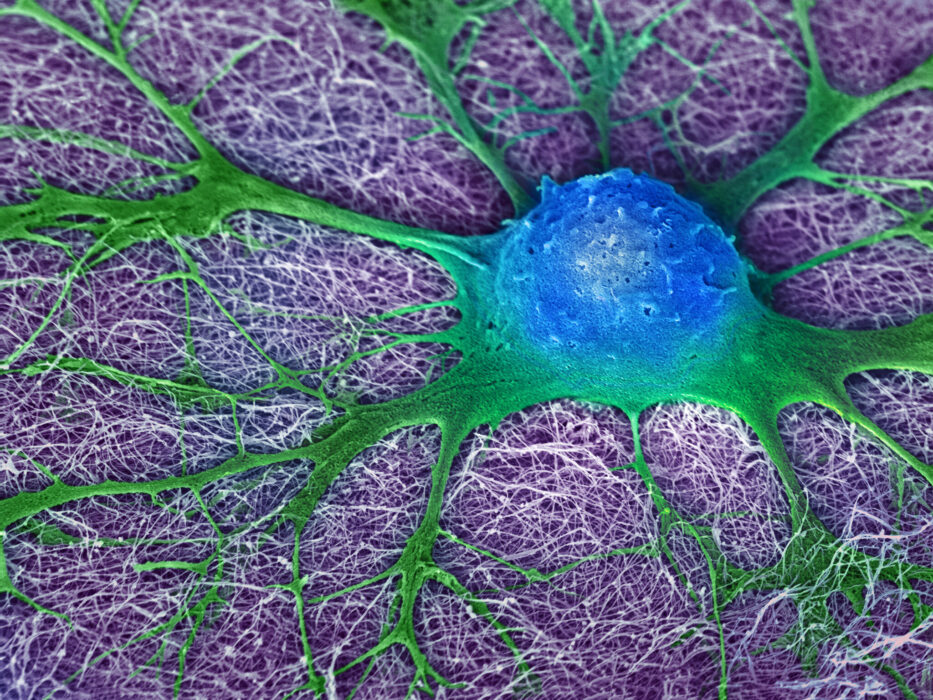
Hair follicle stem cells play a central role in hair cycling, but they rely on complex signals from surrounding tissue. In laboratory settings, researchers can stimulate these cells, but translating that into predictable, long-term treatments is difficult.
Challenges include consistent hair formation, proper orientation, and sustained growth cycles. That’s why stem cell breakthroughs often sound closer than they actually are in real-world use.
5. Moving beyond the long-standing treatment ceiling
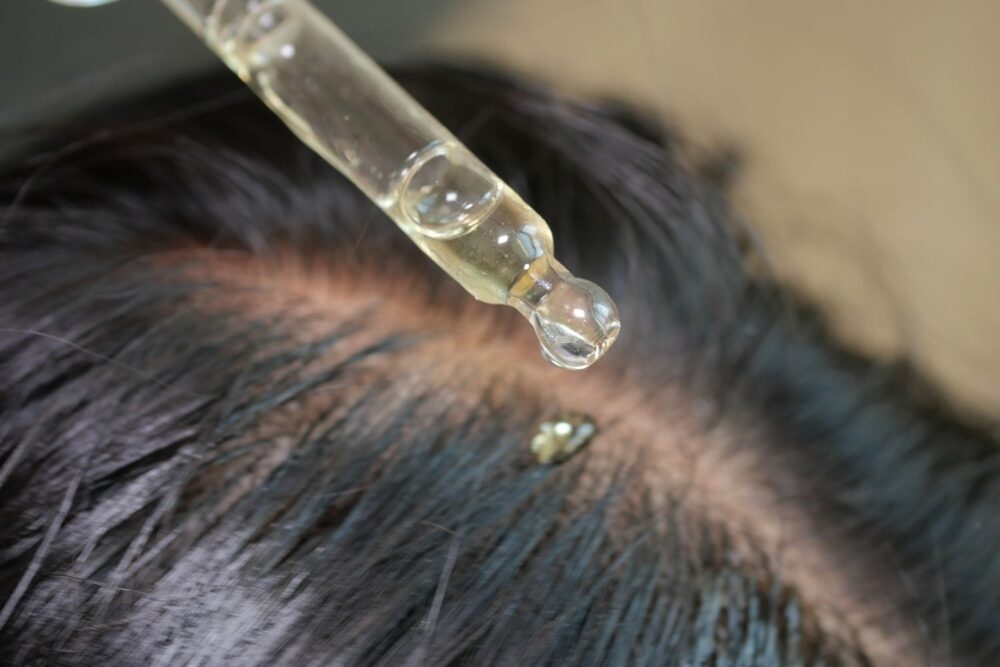
Pattern hair loss has relied on the same core medications for decades, leaving many people without good options if those treatments fail or cause side effects.
New drugs aim to target additional pathways, such as follicle metabolism, inflammatory signals, or stem cell activation. Even modest gains matter, because hair loss compounds over time and small improvements can significantly change appearance.
6. The UCLA and Pelage Pharmaceuticals breakthrough people are watching

One of the most discussed developments is a topical compound designed to activate dormant hair follicle stem cells. In early clinical testing, participants applied the treatment daily for a limited period, followed by weeks of observation.
Researchers reported that the treatment met safety benchmarks, with no detectable systemic absorption, and that some participants experienced measurable increases in hair density compared to placebo.
This does not represent a cure yet. Larger and longer trials are still required to confirm durability and effectiveness. Still, the approach signals a shift toward restoring follicle activity rather than simply slowing hair loss.
7. Where hair loss research has already succeeded
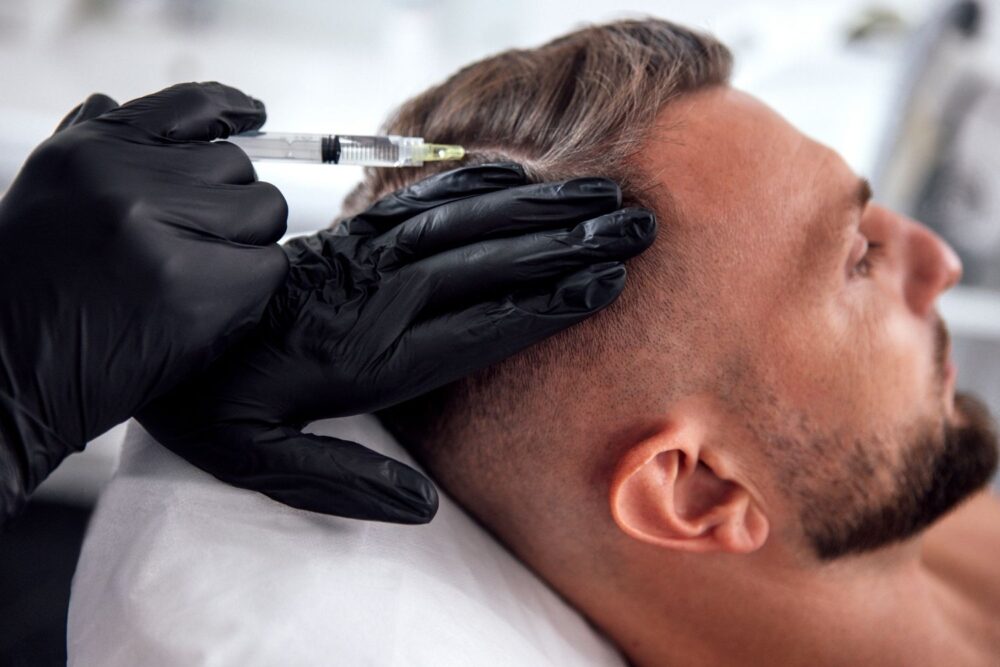
The clearest recent success involves alopecia areata, an autoimmune condition where the immune system attacks hair follicles. Targeted immune-modulating drugs have produced substantial regrowth in many patients.
While this condition differs from pattern baldness, it demonstrates that modern drug development can meaningfully reverse certain types of hair loss, offering proof that progress is possible.
8. Why hair cloning remains a distant goal
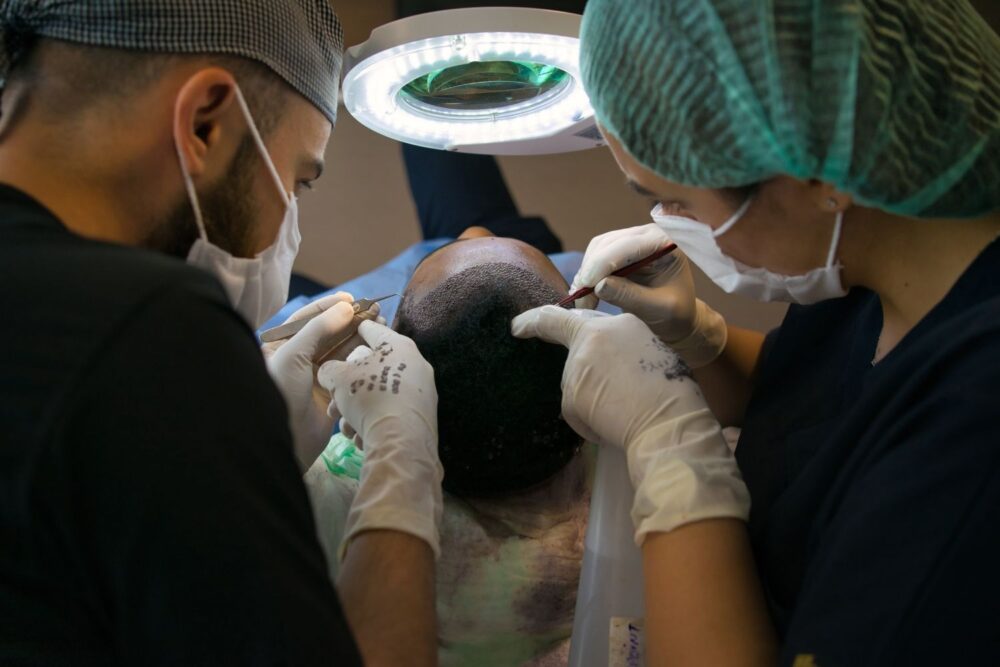
Creating entirely new follicles through cloning or implantation is often described as the ultimate cure. Researchers have achieved key steps, including growing follicle structures in controlled environments.
However, scaling this safely and reliably for widespread use remains a major hurdle. Regulatory approval, long-term safety, and consistent results all present challenges that place this approach years away from routine treatment.
9. The likely future is combination therapy

Hair loss involves hormones, genetics, inflammation, and stem cell signaling. Because no single factor drives the process, no single treatment is likely to solve it completely.
The next phase of care will likely involve combinations, such as a follicle activator paired with existing medications or procedures. For many people, meaningful regrowth with a manageable routine may represent “close enough” to a cure.
10. How to recognize real progress

True breakthroughs are supported by controlled trials, measurable hair counts, diverse participants, and long follow-up periods. Headlines alone aren’t enough.
Durability, safety, and the proportion of people who respond are what matter most. Treatments that advance through multiple trial phases are far more credible than those promoted without data.
11. What people can do right now

For those experiencing hair loss, acting early improves the chances of success. Evidence-based options remain available today, and consultation with a dermatologist can help tailor an effective plan.
While science continues to advance, monitoring progress from reputable research centers and regulated clinical trials offers the best insight into when truly new options may arrive.