
As temperatures climb, so do electric bills — and the impact may be bigger than you realize.
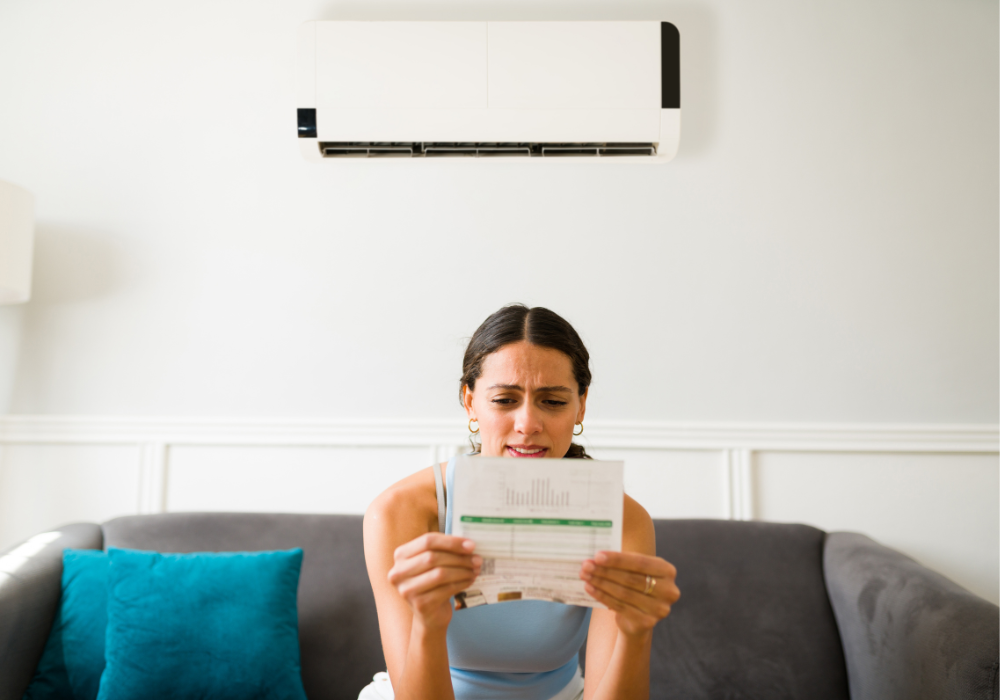
Electric bills often spike during heat waves as homes rely heavily on air conditioning and cooling appliances that consume significant energy. Higher outdoor temperatures cause air conditioners to run longer and harder, especially when coupled with elevated humidity and poor insulation. Utility companies may also charge higher rates during peak demand periods, further increasing costs. Understanding these factors can help manage and reduce energy expenses during extreme heat.
1. Higher air conditioner usage dramatically increases electricity consumption during heat waves.
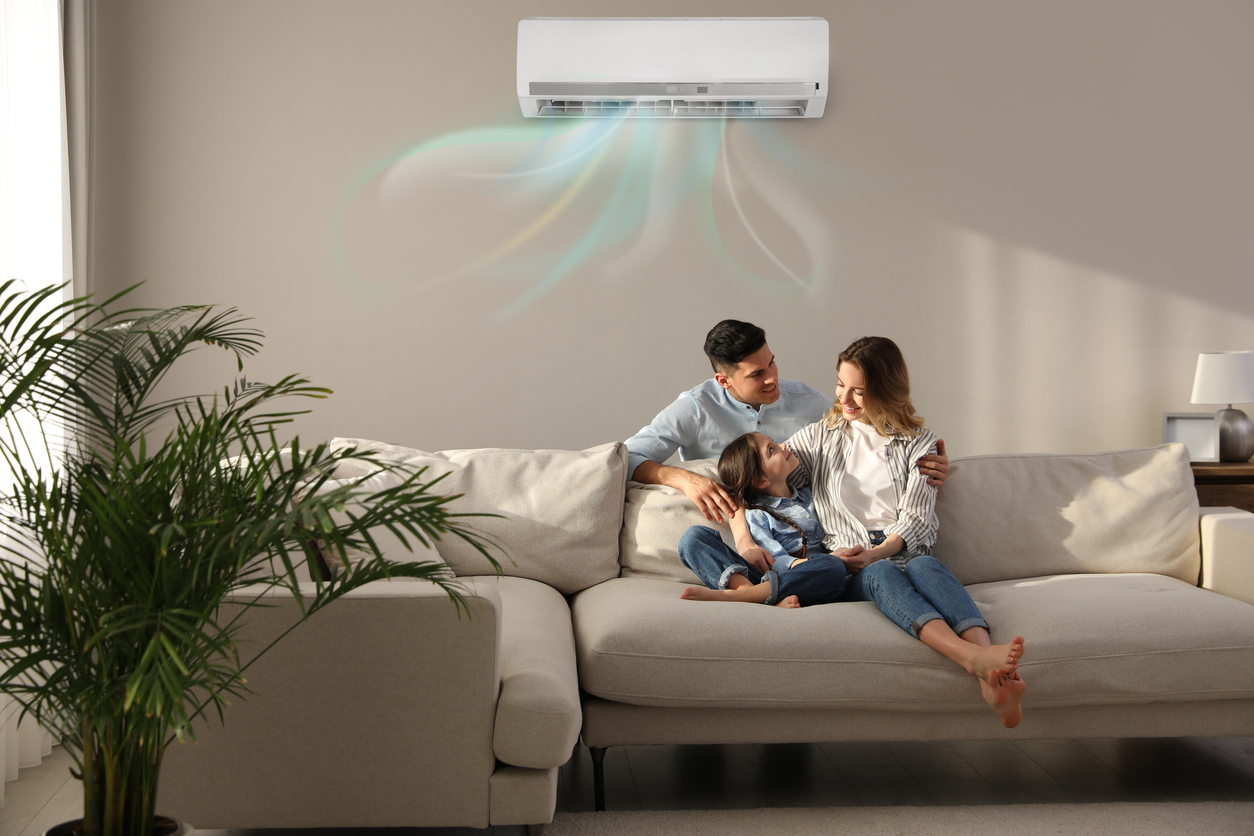
Hotter days often lead to a heavy reliance on air conditioners, which quickly boosts energy consumption. When temperatures soar, cooling units run longer to maintain a comfortable indoor environment. This cycle increases electricity usage significantly, showing up as higher costs on power bills.
Because air conditioning requires a lot of energy, prolonged use over time magnifies its impact on your bill. On scorching days, systems are less effective at cooling down spaces, requiring even more power to operate. Consequently, significant energy consumption results in inflated electric costs for many households.
2. Fans and cooling appliances run longer hours to combat rising indoor temperatures.
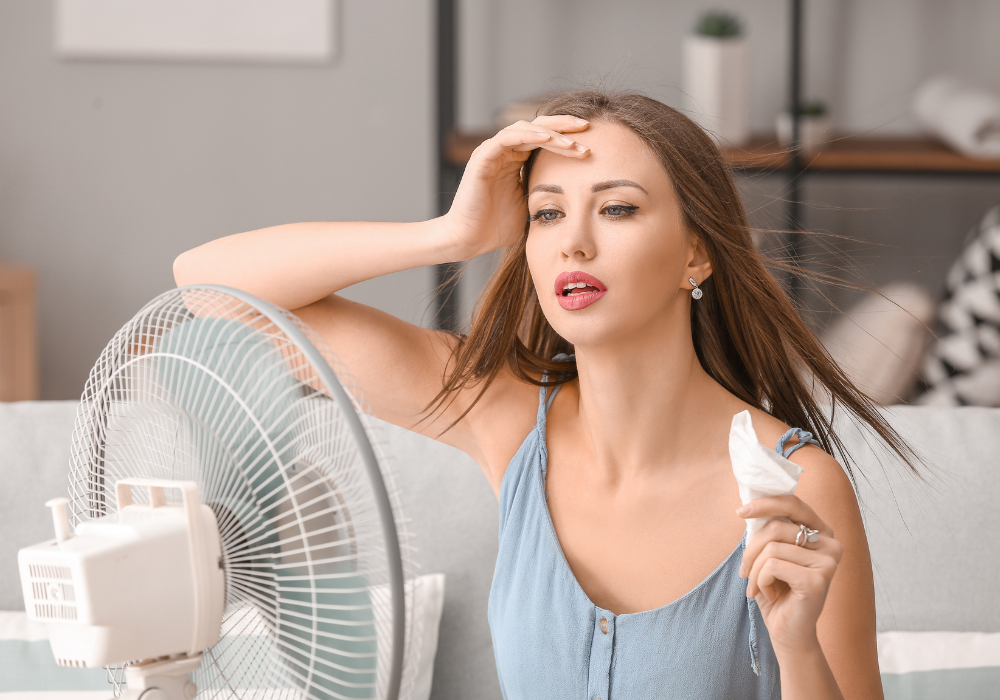
When the mercury rises, fans and other cooling appliances often run round-the-clock to maintain comfort. With indoor temperatures perpetually high, these devices are in constant operation, drawing substantial amounts of electricity as they work to cool the air.
As cooling devices are pressed into extended service, the longer operating hours contribute notably to elevated energy bills. Often, their nonstop cycle during extreme temperatures only amplifies consumption. Extended operational periods during heat waves underscore why utility costs surge in such conditions.
3. Increased humidity levels make your cooling system work harder to maintain comfort.

Elevated humidity levels challenge cooling systems, forcing them to work harder. It’s a sweaty endeavor—humidity amplifies heat discomfort, making air conditioners power through more to reduce moisture and keep interiors cool.
As systems labor against high humidity, their energy efficiency drops, and consumption spikes. The need to dehumidify along with cooling translates into increased electricity use. Effectively, when air becomes dense with moisture, energy bills reflect the extra efforts required to achieve a comfortable environment.
4. Peak electricity demand during heat waves can lead to higher utility rates applied.
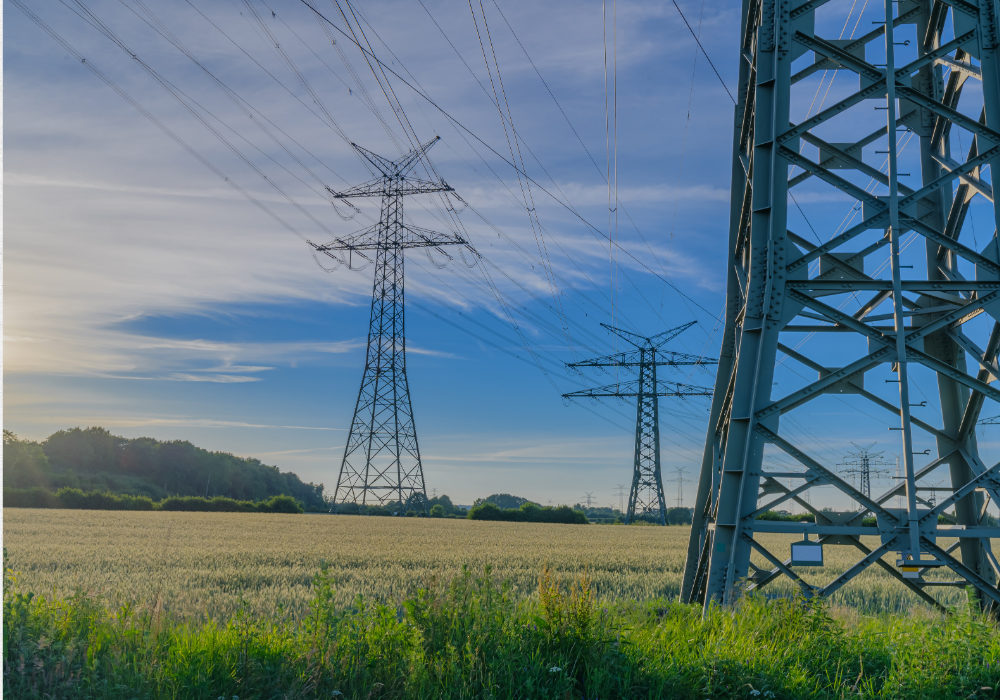
Electricity usage peaks during heat waves as demand for air conditioning and other appliances soars. Power grids experience this surge, often leading to temporary rate increases. As a result, even regular usage can cost more when peak demand pricing is in place.
Under these conditions, utility companies adjust rates to manage the increased burden on infrastructure. As energy consumption intensifies, especially on scorching afternoons, so does the financial impact. Hence, higher rates during peak times explain burgeoning bills amid intense heat.
5. Inefficient or older cooling systems consume more energy under extreme heat conditions.
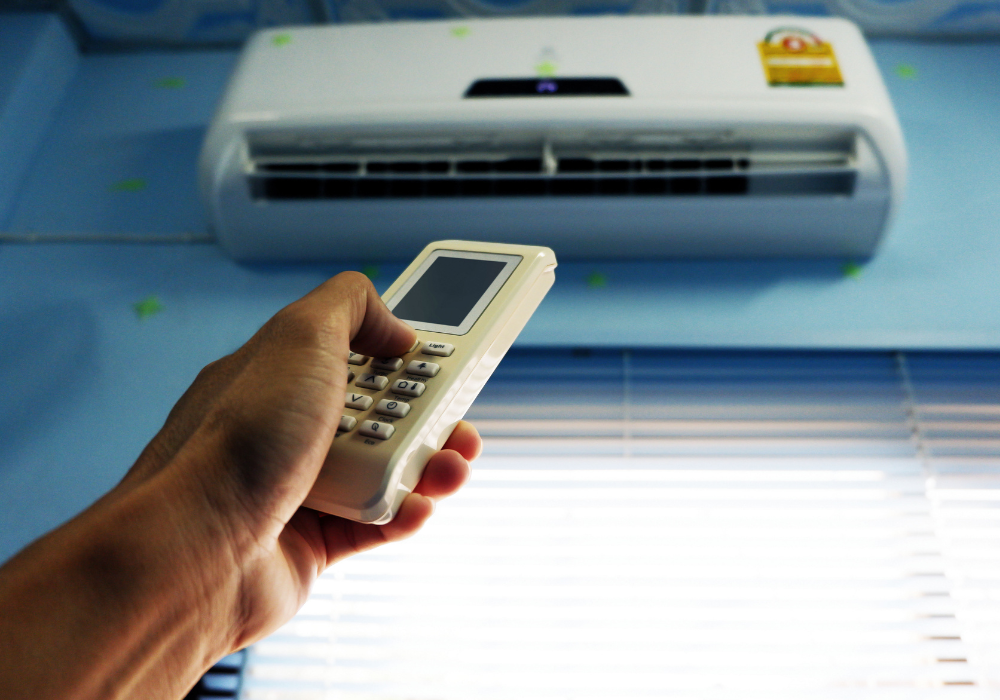
During heat waves, outdated cooling systems strain to maintain comfort, consuming more energy. Units designed decades ago often falter under extreme conditions, employing inefficient mechanisms that become burdensome as temperatures skyrocket.
Without the efficiency of modern designs, such systems demand excessive power to meet cooling needs. This inefficiency manifests in rising electric bills, especially noticeable during prolonged heat spells. The gap in performance highlights the need for energy-efficient alternatives to mitigate escalated costs.
6. More frequent use of refrigerators and freezers happens as people store cold items.

Hot day? That means more refrigerator door openings as people stash cold drinks or snacks. As temperatures rise, so does the frequency of refrigeration use, which increases energy draw significantly.
Repeated refrigerator use during high heat events adds strain to cooling appliances. The constant opening and closing lead to internal temperature fluctuations, necessitating more energy to maintain cool settings. This scenario vividly underscores why electricity usage spikes alongside outdoor temperature increases.
7. Solar panels may produce less energy during overcast or extremely hot days.
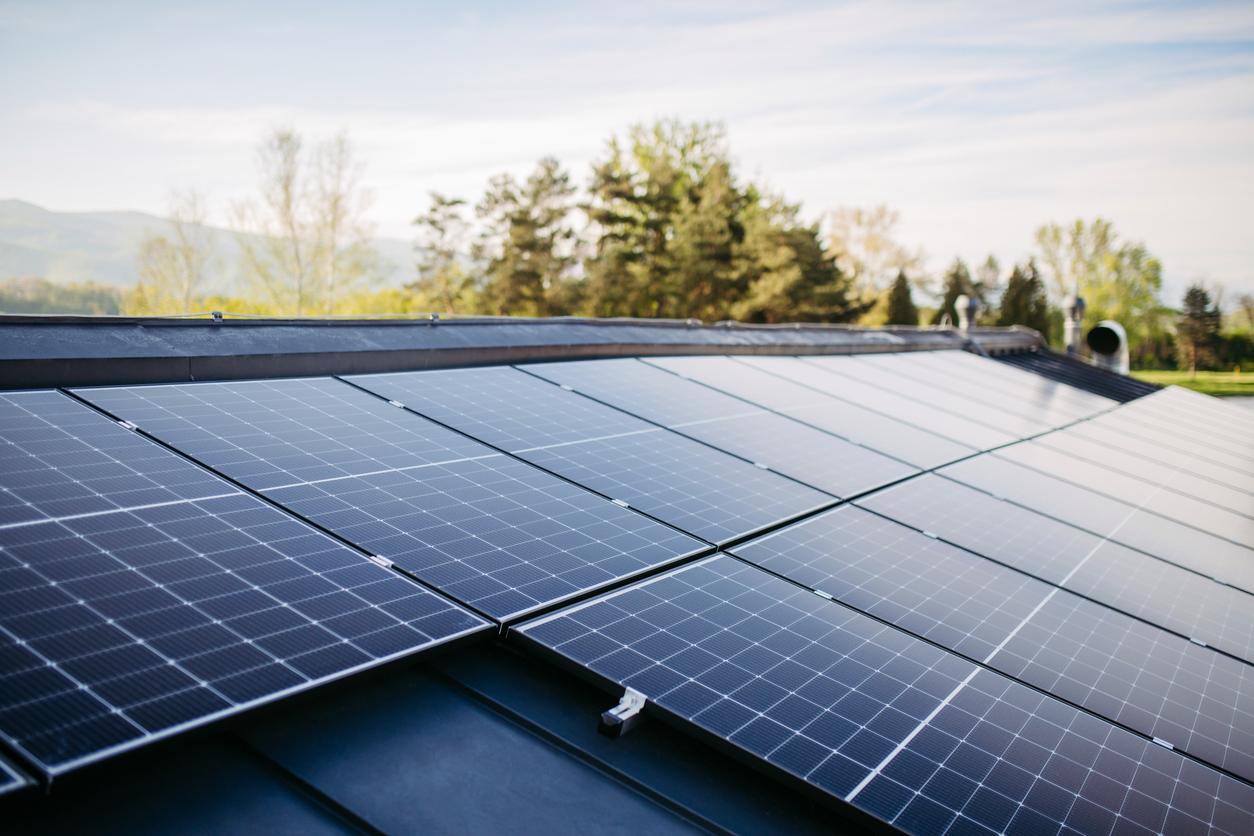
While sunny days power solar panels effectively, extreme heat can paradoxically limit their output. When temperatures become too intense, their efficiency decreases, producing less energy compared to moderate conditions.
As heat peaks disproportionately impact panel output, supplementing energy needs becomes necessary, often relying more on standard electricity sources. During overcast days or excessive heat, those dependent on solar energy might see an increase in their overall consumption from the grid, further increasing costs.
8. Nighttime temperatures remain high, limiting the natural cooling that otherwise reduces usage.

Even after sunset, remain mindful of temperature trends. Nighttime often fails to bring relief during heat waves, with temperatures barely dipping. Absent natural cooling, energy usage remains high to counteract persistent warmth.
Without cooler evenings to ease the strain on air conditioners, systems remain active throughout the night. The lack of a substantial overnight cool-down compels continuous operation, underscoring the role of ambient temperatures in energy consumption patterns. As nights remain balmy, power bills feel the heat too.
9. Household members tend to stay indoors more, increasing overall electricity demand.

When temperatures outside soar, household members tend to remain indoors more. Increased time inside usually means more appliance usage, leading to a spike in overall electricity demand.
As activities shift inside, so does reliance on various electronic devices and lighting. Add in more frequent cooking or comfort-seeking appliance usage, and energy costs begin to climb. During intense heat waves, staying cool can result in significant increases in accumulated electricity consumption.
10. Poor insulation lets more heat in, forcing cooling appliances to work overtime.
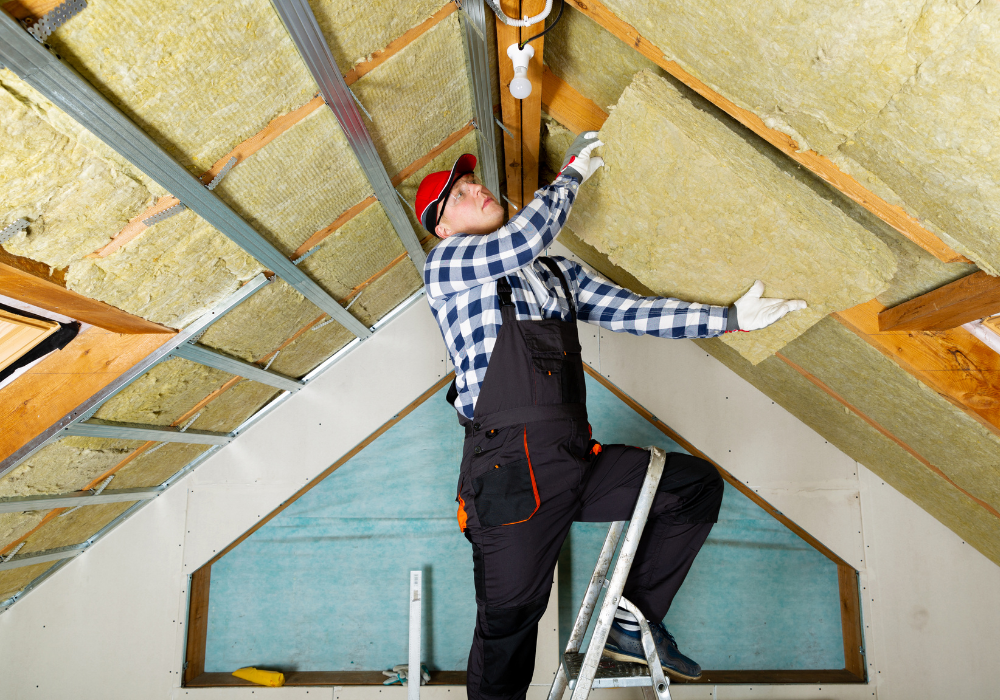
Hot weather exposes the weaknesses of poor insulation, letting extra heat slip indoors. Inadequate barriers mean cooling systems must work overtime to maintain a pleasant environment, consequently raising electricity use.
Without proper insulation, houses heat up more quickly, forcing devices to counteract external temperatures actively. As these appliances combat the ever-encroaching warmth, energy draw surges, showcasing the direct impact of insulation quality on one’s electric bill. Effective barriers against heat can substantially affect energy efficiency.
11. Heat causes some electrical devices to operate less efficiently, increasing power draw.
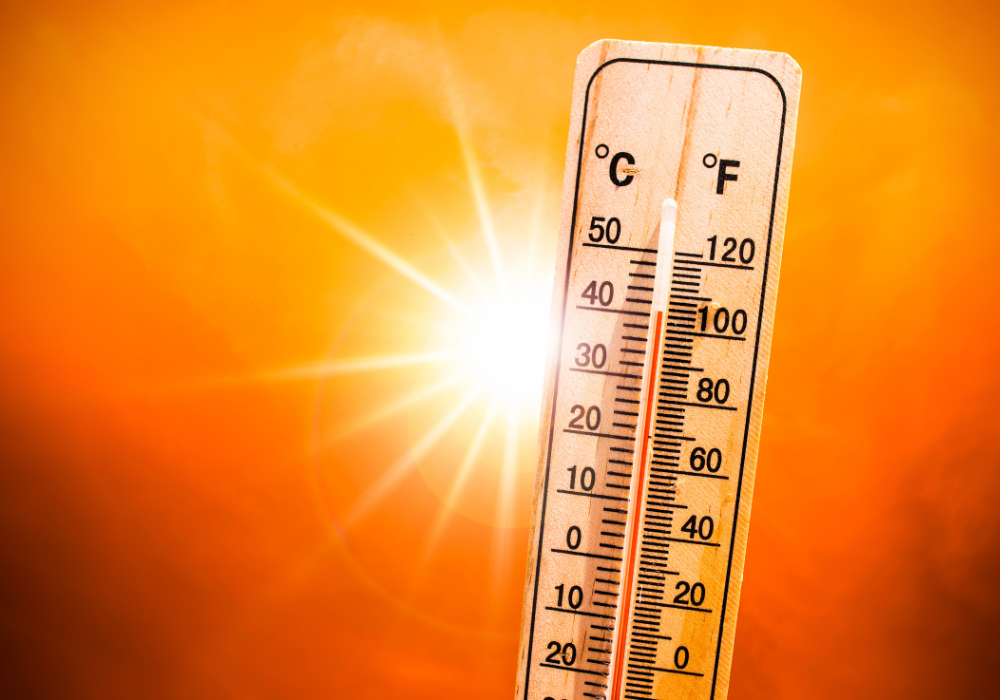
When the temperature rises, some electrical devices become less efficient, drawing more power in the process. The heat affects their internal mechanisms, causing them to work harder than usual to perform regular functions.
As devices strain under intense warmth, overall electricity demand increases noticeably. This reduced efficiency illustrates why utilities bill more during heat waves, as demand for power surges. Observing how devices respond to heat is critical to understanding energy spikes in extreme conditions.
12. Temporary increases in power surges or spikes can occur during heavy appliance use.

During heat waves, increased usage often results in power surges as more appliances operate simultaneously. This heightened consumption can trigger temporary spikes, momentarily increasing the load on household circuits.
These surges occur when several high-energy devices, like air conditioners or washers, run concurrently. As power consumption peaks, systems strain to manage, leading to short-lived escalations in draw. Such dynamics during heat spikes contribute to understanding sporadic jumps in electricity billing.